How to Process Red Clay into Powder: A Guide by Iron Oxide Grinding Mill Manufacturers
Introduction: The Significance of Red Clay Powder
Red clay, a naturally occurring sedimentary material rich in iron oxides (primarily hematite, Fe₂O₃), is a valuable industrial mineral. Its applications span from traditional ceramics and construction materials to modern uses in pigments, foundry sands, absorbents, and soil amendments. The key to unlocking its full potential lies in efficient processing into a fine, consistent powder. The transformation from raw, lumpy clay to a controlled powder involves several critical steps, with grinding being the cornerstone. This guide, compiled by leading grinding mill manufacturers, details the process and highlights the optimal machinery for each stage to ensure high yield, product quality, and operational efficiency.
Stage 1: Pre-Processing and Primary Crushing
Raw red clay extracted from mines or deposits often contains oversized lumps, moisture, and occasional impurities. Direct fine grinding of such material is inefficient and can damage equipment.
1. Drying: If the moisture content exceeds 10-15%, pre-drying is essential. Rotary dryers or flash dryers are commonly used to reduce moisture to an optimal level (typically below 5%) for subsequent crushing and grinding. This step prevents material clogging and improves grinding efficiency.
2. Primary Crushing: The goal here is to reduce large clay lumps (up to several hundred millimeters) to a manageable size, usually below 50mm, suitable for feed into grinding mills. Jaw crushers or hammer mills are ideal for this duty.
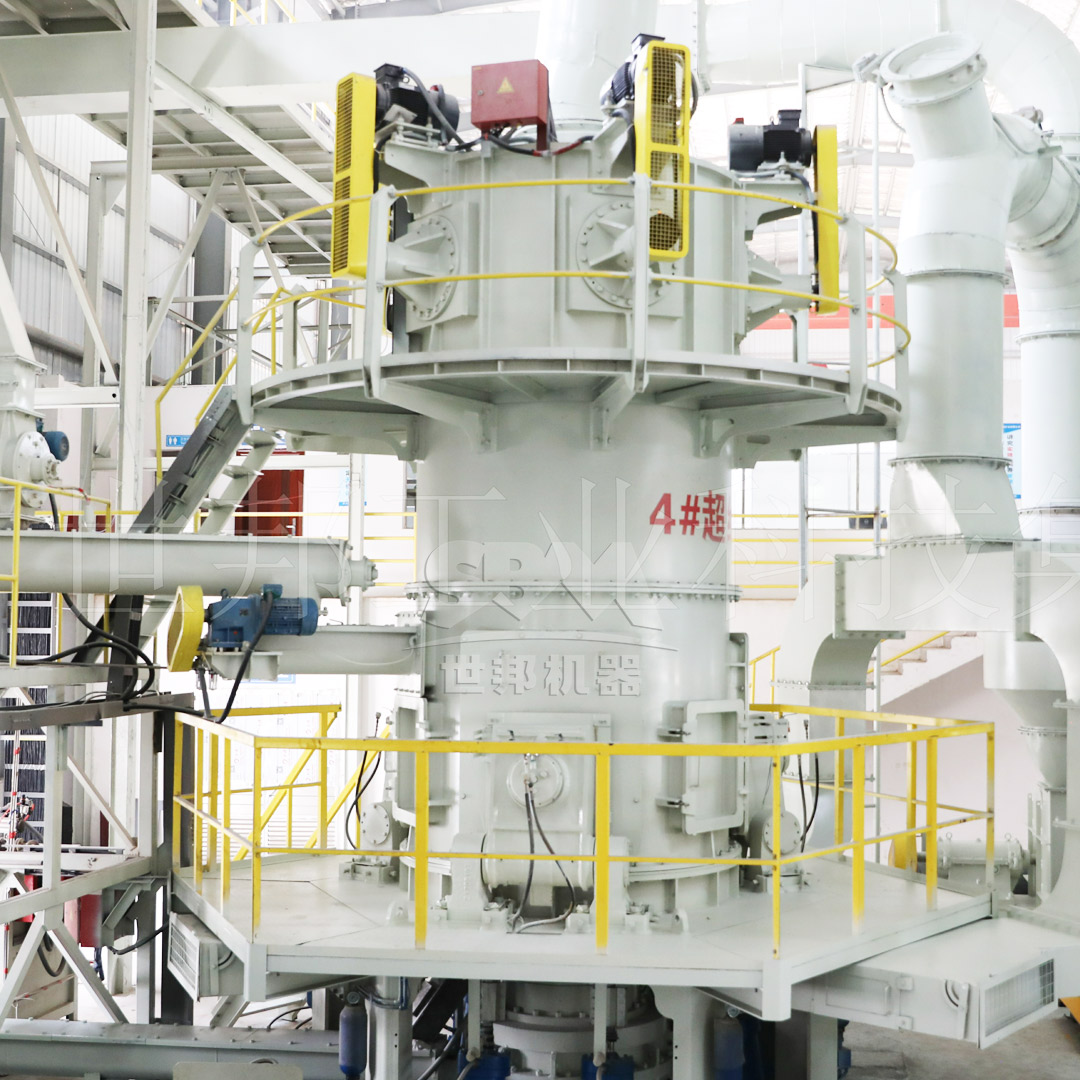
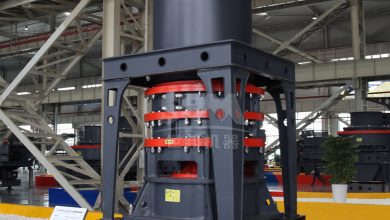
For operations targeting a very fine final powder and requiring a uniform feed, a Hammer Mill is highly recommended. Our hammer mills, such as the PC4012-90 model, are specifically engineered for clay processing. With an input size of 0-40mm and the ability to produce a 0-3mm output, they offer a high crushing ratio and stable operation. The optimized crushing chamber and high-manganese steel wear parts ensure durability and low maintenance costs, providing a perfectly sized feed for the next grinding stage.
Stage 2: The Core Process – Grinding and Classification
This is the most critical phase where the crushed clay is pulverized into the target fineness. The choice of grinding mill depends entirely on the required final particle size distribution, capacity, and energy efficiency goals.
Option A: For Coarse to Medium-Fine Powder (30-325 mesh / 600-45μm)
Applications: Brick manufacturing, construction aggregates, coarse absorbents.
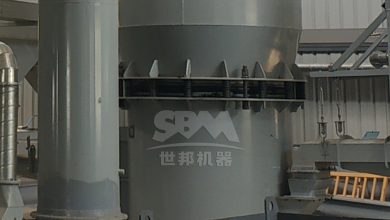
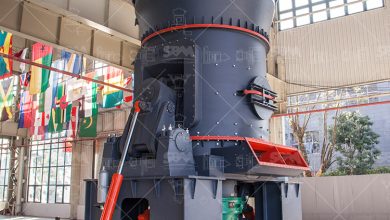
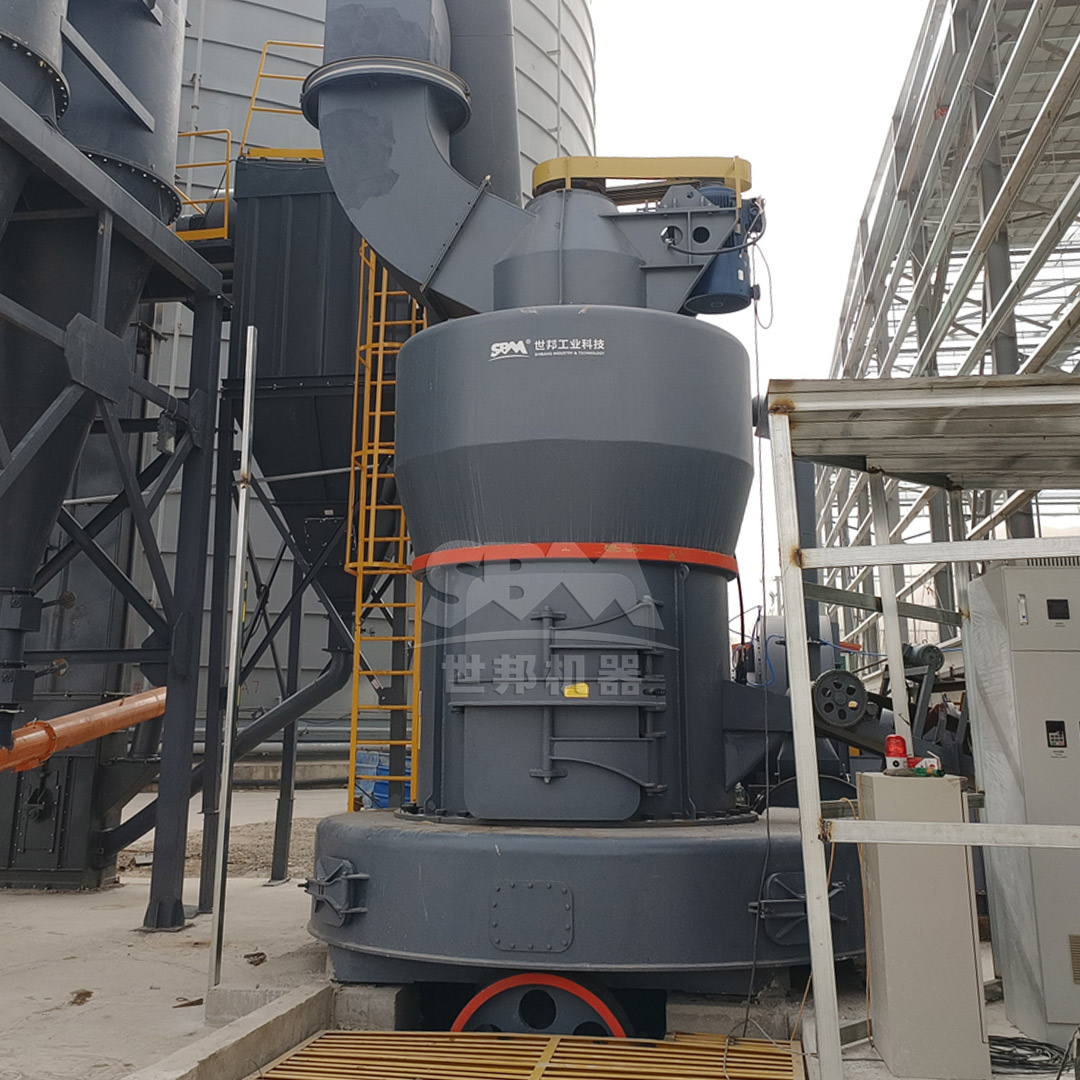
For this range, the MTW Series European Trapezium Mill stands out as an industry workhorse. Its robust design handles input sizes up to 50mm and delivers outputs from 30 to 325 mesh (0.6mm to 45μm) with capacities from 3 to 45 tons per hour. Key advantages for clay processing include its curved air duct design, which minimizes energy loss, and the wear-resistant shovel design that significantly reduces maintenance frequency and cost. The integral transmission with bevel gear ensures high efficiency (up to 98%) and stable operation, making it a cost-effective solution for large-scale production of medium-fine red clay powder.
Option B: For Ultra-Fine Powder (325-2500 mesh / 45-5μm)
Applications: High-grade ceramic glazes, premium iron oxide pigments, functional fillers, advanced composites.
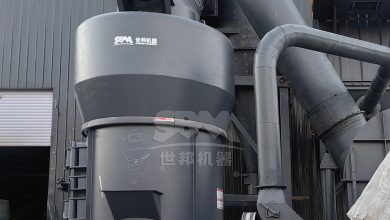
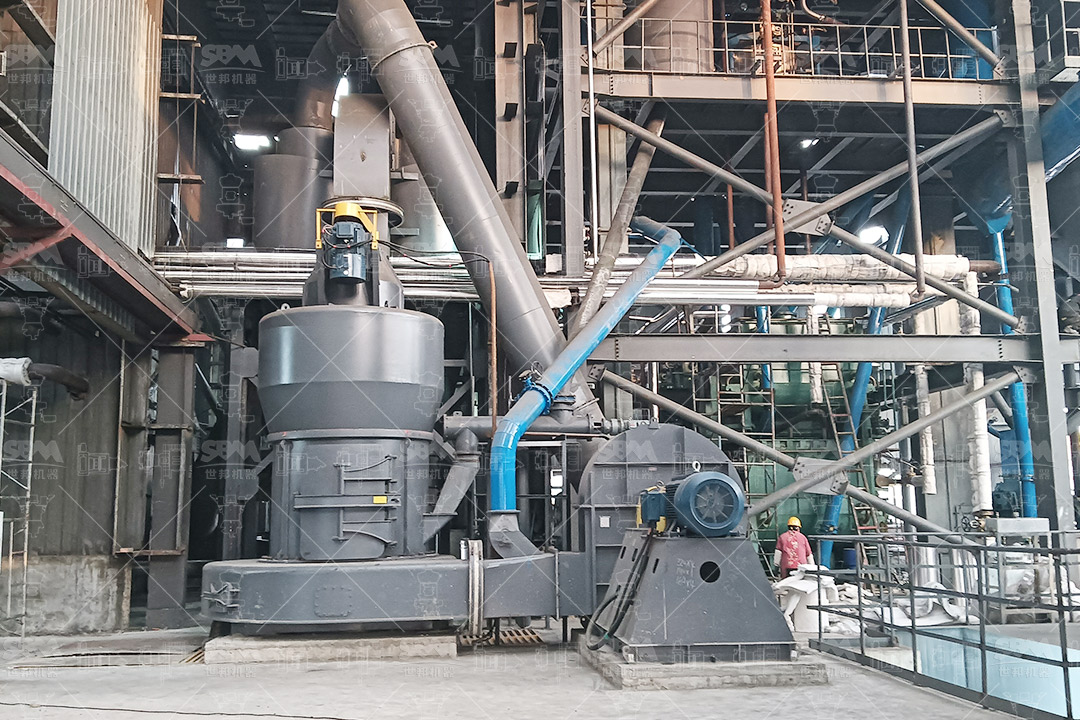
Achieving a consistent, ultra-fine powder below 45μm (D97) requires specialized technology. Our flagship solution is the SCM Series Ultrafine Mill. Engineered for precision, it can produce powder in the range of 325 to 2500 mesh (45 to 5μm). Its core innovation lies in the high-precision vertical turbine classifier, which ensures sharp particle size cuts and eliminates coarse particle contamination, guaranteeing a uniform product. Furthermore, the SCM mill is highly energy-efficient, offering up to twice the capacity of jet mills while reducing energy consumption by 30%. Models like the SCM1250, with a capacity of 2.5-14 tons per hour and a main motor power of 185kW, are perfectly suited for high-volume production of premium red clay powder for pigment and specialty ceramic markets.
Stage 3: Powder Collection and Dedusting
After grinding and classification, the fine clay powder is suspended in an air stream. An efficient collection system is vital for product recovery and environmental compliance.
1. Cyclone Collector: The primary collector that separates the bulk of the powder from the air stream using centrifugal force.
2. Pulse Jet Bag Filter/Dust Collector: This is the final and most critical environmental control device. It captures the remaining ultrafine particles (often sub-10μm) that escape the cyclone. Modern pulse-jet filters, like those integrated into our SCM and MTW mill systems, offer filtration efficiency exceeding 99.9%, ensuring emissions are well below international standards (often <20mg/m³).
Stage 4: Post-Processing and Packaging
1. Surface Modification (Optional): For specialty applications, the clay powder may undergo surface treatment with silanes or other agents to improve compatibility with polymers or liquids.
2. Packaging: The finished powder is conveyed to storage silos and then packaged in bags (25-50 kg), big bags (1 ton), or bulk tankers, depending on customer requirements. The entire packaging area should be equipped with local dust extraction to maintain a clean working environment.
Conclusion: Selecting the Right Technology Partner
Processing red clay into a high-quality powder is a systematic engineering challenge. Success hinges not just on individual machines but on a seamlessly integrated system designed for the specific characteristics of the material. From primary crushing with a reliable hammer mill to precision grinding with an MTW Trapezium Mill for medium fines or an SCM Ultrafine Mill for premium pigments, each step must be optimized.
As experienced grinding mill manufacturers, we emphasize that the right equipment selection, based on thorough material testing and clear product specifications, is the foundation for a profitable and sustainable operation. Our range of machinery, from crushers to ultra-fine mills and integrated dust collection systems, is designed to provide a complete, efficient, and environmentally sound solution for transforming raw red clay into a versatile and valuable industrial powder.