How to Grind Kaolin Clay to 200 Mesh and Finer: Equipment Guide
Introduction
Kaolin clay, also known as china clay, is a versatile industrial mineral prized for its whiteness, fine particle size, and chemical inertness. Achieving a consistent and fine particle size, such as 200 mesh (74 microns) and finer, is critical for unlocking its full value in applications ranging from paper coating and fillers to ceramics, paints, plastics, and high-performance composites. The grinding process directly impacts key properties like brightness, viscosity, abrasiveness, and reactivity. This comprehensive guide explores the technical pathways and optimal equipment selection for efficiently grinding kaolin to 200 mesh and into the ultrafine range.
Understanding Kaolin Grinding Requirements
Raw kaolin typically contains moisture and varies in hardness. The grinding process often involves drying, crushing, and then fine grinding. The target fineness dictates the technology choice:
- Coarse to Medium Grinding (10-100 mesh): Often a preparatory stage using crushers or coarse grinding mills.
- Fine Grinding (100-325 mesh / 149-44 μm): The core range for many industrial uses, including the 200 mesh target.
- Ultrafine Grinding (325-2500+ mesh / 44-5 μm): Essential for high-end ceramics, specialty papers, and advanced polymer fillers, where surface area and particle uniformity are paramount.
Key challenges include maintaining product whiteness (minimizing iron contamination), controlling moisture, managing energy consumption, and achieving a narrow particle size distribution.
The Grinding Process: A Multi-Stage Approach
Efficient production of fine kaolin powder usually follows a staged process:
- Primary Crushing: Large kaolin lumps are reduced to below 50mm using jaw crushers or hammer mills.
- Drying: Rotary dryers reduce moisture content to optimal levels for grinding (typically below 2%).
- Intermediate Grinding: Initial size reduction to a feed suitable for fine mills (e.g., below 20mm).
- Fine & Ultrafine Grinding: The core stage where the target fineness of 200 mesh and beyond is achieved.
- Classification & Collection: Integrated or separate air classifiers separate fine product from coarse material for recirculation, followed by efficient cyclone and bag filter collection.
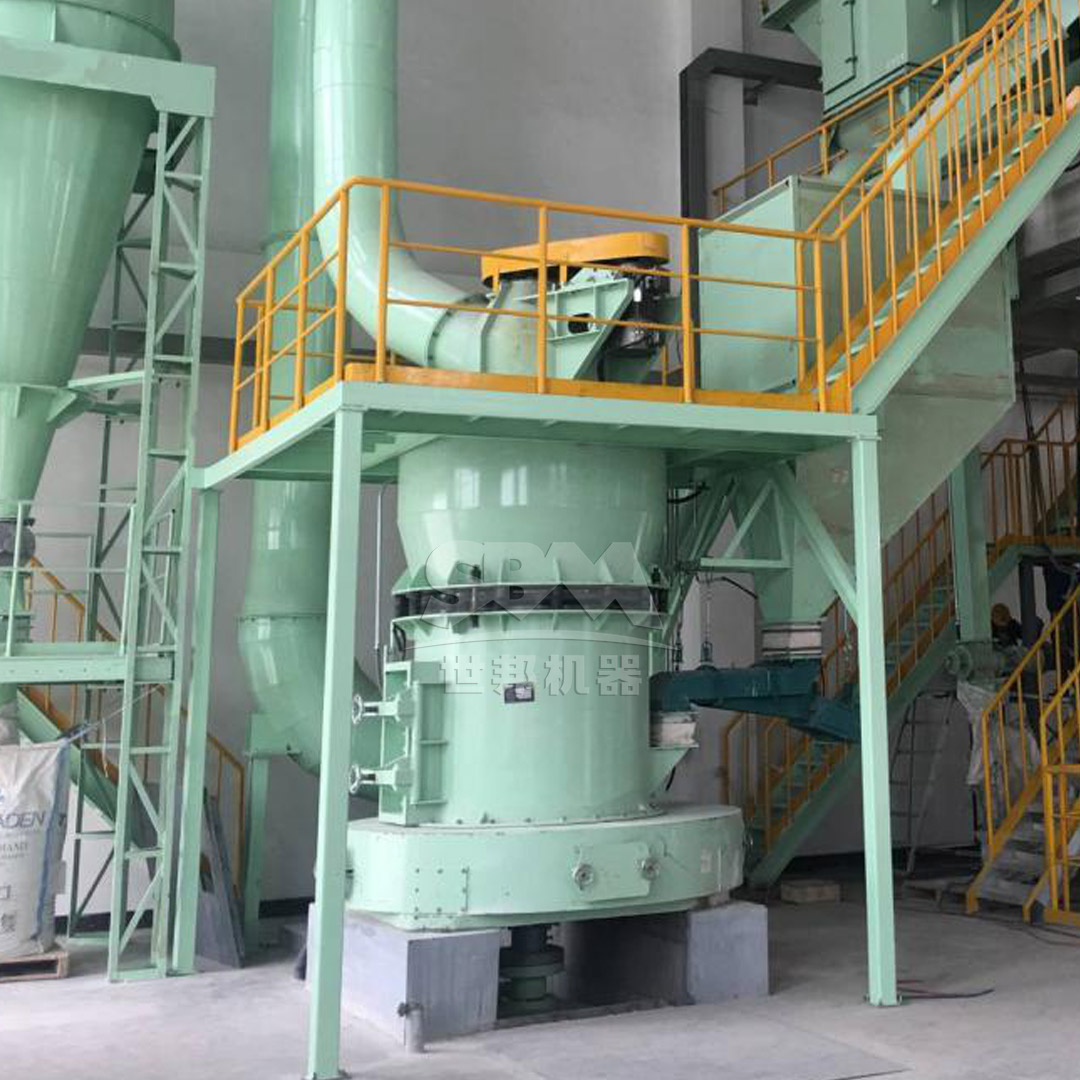
Equipment Selection for Fine and Ultrafine Grinding
Selecting the right mill is crucial for profitability and product quality. Here’s a breakdown of technologies capable of reaching 200 mesh and finer.
1. Raymond Mill (or Pendulum Roller Mill)
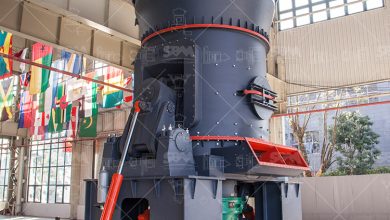
A traditional and robust choice for fine grinding in the 30-325 mesh range. It uses swinging rollers to compress material against a stationary ring. Modern versions like the MTW Series Trapezium Mill offer significant advancements. Its curved air duct reduces flow resistance, the bevel gear overall transmission ensures high efficiency (up to 98%), and the wear-resistant volute structure enhances durability. For kaolin grinding to 200 mesh, an MTW series mill provides a reliable, cost-effective solution with capacities suitable for medium to large-scale production. Its efficient classification system ensures a consistent product right at your target fineness.
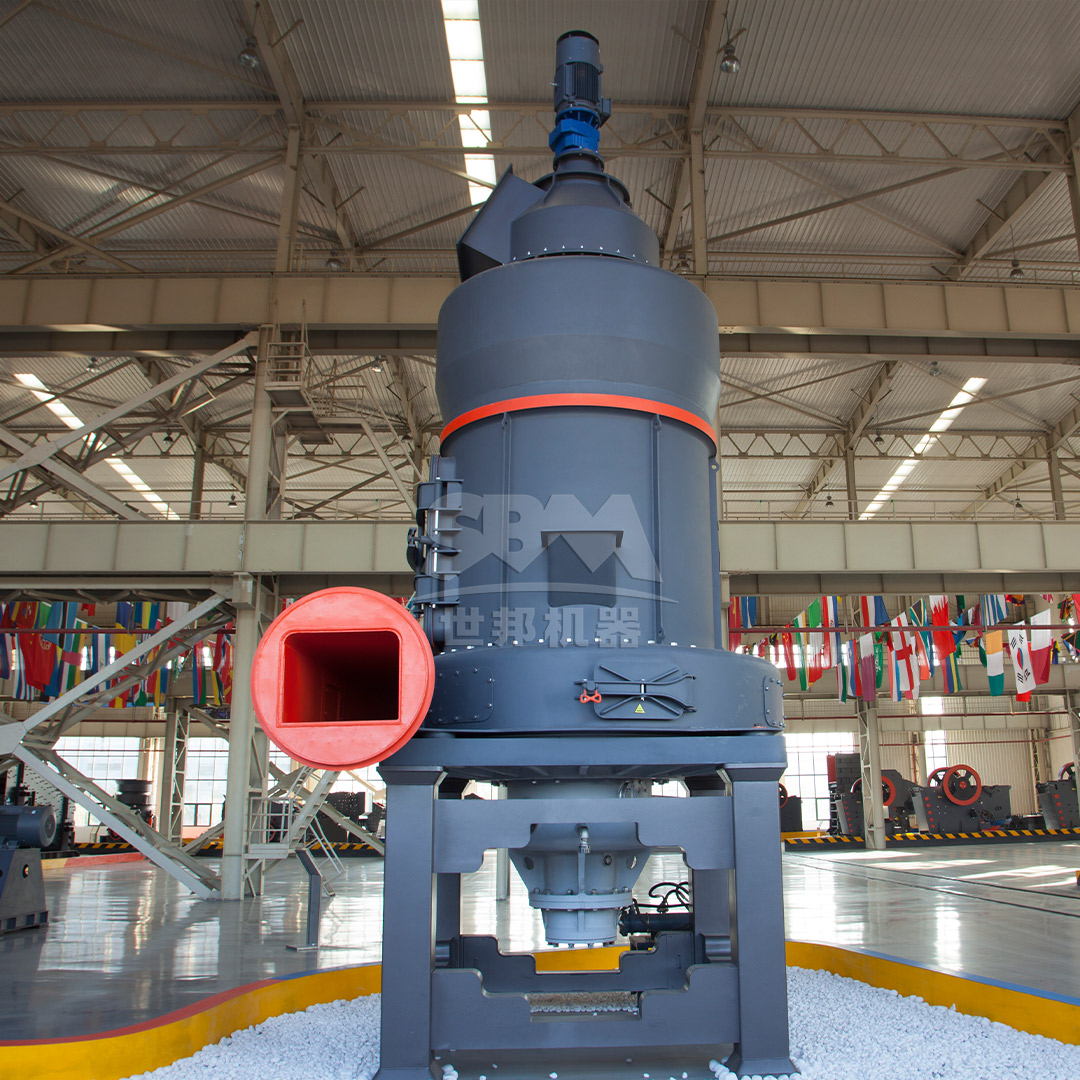
2. Vertical Roller Mill (VRM)
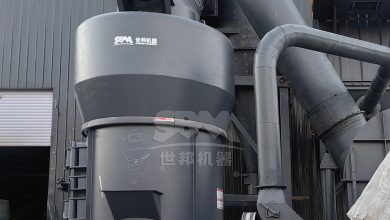
VRMs like the LM Series represent a leap in efficiency for large-scale fine grinding. They employ a bed-compaction principle where rollers hydraulically press against a rotating table. This method is extremely energy-efficient, often reducing specific energy consumption by 30-50% compared to ball mills. VRMs integrate grinding, drying (with hot gas), classification, and conveying into a single compact unit. The LM Vertical Fine-powder Mill series (e.g., LM130X-GX) is particularly adept at producing powders in the 325-600 mesh range, making it an excellent choice for projects aiming beyond 200 mesh with high throughput requirements. Its intelligent control system and low wear rates make it a premier choice for modern kaolin processing plants.
3. Ball Mill
The workhorse of mineral grinding, ball mills are versatile and can produce a wide range of fineness, including 200 mesh. They operate by tumbling steel or ceramic balls inside a rotating cylinder to impact and abrade the material. While reliable, they are less energy-efficient than VRMs for fine grinding and may require external classification systems for tight particle size control. They are often used in wet grinding processes for kaolin.
4. Ultrafine Grinding Mills
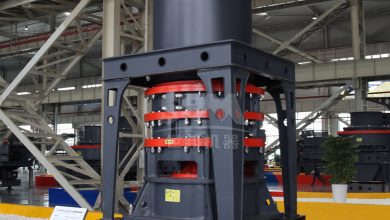
For the most demanding applications requiring product fineness from 325 mesh (45μm) down to 2500 mesh (5μm), specialized ultrafine mills are necessary. This is where our flagship SCM Series Ultrafine Mill excels. It is engineered specifically for producing micron and sub-micron powders.
For kaolin producers targeting the high-value ultrafine market, the SCM Ultrafine Mill is the ideal solution. Its high-precision vertical turbine classifier ensures sharp cuts and a uniform product without coarse grain contamination. The grinding chamber’s unique design, utilizing special material rollers and rings, offers exceptional wear life and stability. Furthermore, it operates with remarkable energy efficiency—offering twice the capacity of a jet mill while reducing energy consumption by approximately 30%. The integrated pulse dust collector exceeds international standards, ensuring an environmentally clean operation with noise levels below 75dB. Whether your goal is 800, 1250, or 2500 mesh kaolin for premium applications, the SCM series, with models from SCM800 to SCM1680 covering 0.5 to 25 ton/h, provides the technological edge.
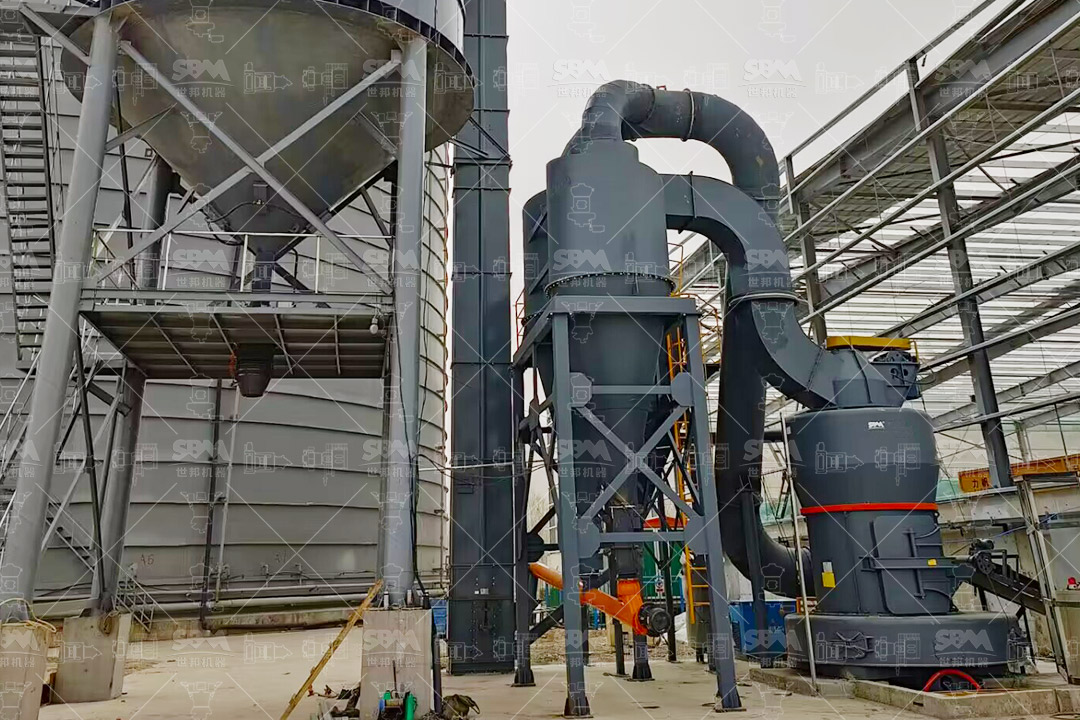
Key Considerations for Equipment Selection
- Target Fineness & Distribution: Define your primary product size (D97) and tolerance for coarse particles.
- Production Capacity: Match the mill’s throughput (ton/h) to your plant’s requirements.
- Energy Efficiency: Operating cost is dominated by power consumption. VRMs and advanced ultrafine mills like the SCM series offer superior efficiency.
- Wear and Maintenance: Consider the abrasiveness of your kaolin. Mills with easily replaceable wear parts and durable materials (like those in the SCM and MTW series) reduce downtime.
- System Integration: Does the solution include drying, classification, and dust collection? Integrated systems (like VRMs) simplify plant layout.
- Product Contamination: Ensure the mill’s design minimizes iron introduction to protect kaolin whiteness.
Conclusion
Grinding kaolin clay to 200 mesh and finer is a precise operation that demands the right technology. The choice between a robust MTW Trapezium Mill for efficient fine grinding, a high-capacity LM Vertical Mill for large-scale production, or the cutting-edge SCM Ultrafine Mill for premium sub-micron products depends entirely on your specific product goals, capacity, and quality requirements. By investing in advanced grinding technology designed for efficiency, precision, and reliability, kaolin processors can significantly enhance product value, reduce operational costs, and secure a competitive advantage in the global market. We recommend a detailed consultation to analyze your raw material and production goals to select the perfect mill from our comprehensive range.