What is the Installed Power Capacity of a 20 Ton per Hour Raymond Mill? Large Raymond Mill Motor Power Specifications
Introduction: Understanding Power Requirements in Raymond Mill Operations
The quest for a milling solution with a capacity of 20 tons per hour is a common requirement in medium to large-scale industrial processing of non-metallic minerals, chemicals, and construction materials. A critical factor in selecting and operating such equipment is understanding its installed power capacity. This parameter is not merely a number on a spec sheet; it is the cornerstone of operational efficiency, project feasibility, and long-term profitability. This article delves into the power specifications of large Raymond mills (or pendulum roller mills) capable of 20 TPH output, exploring the factors that influence these requirements and providing a comparative analysis with modern milling alternatives.
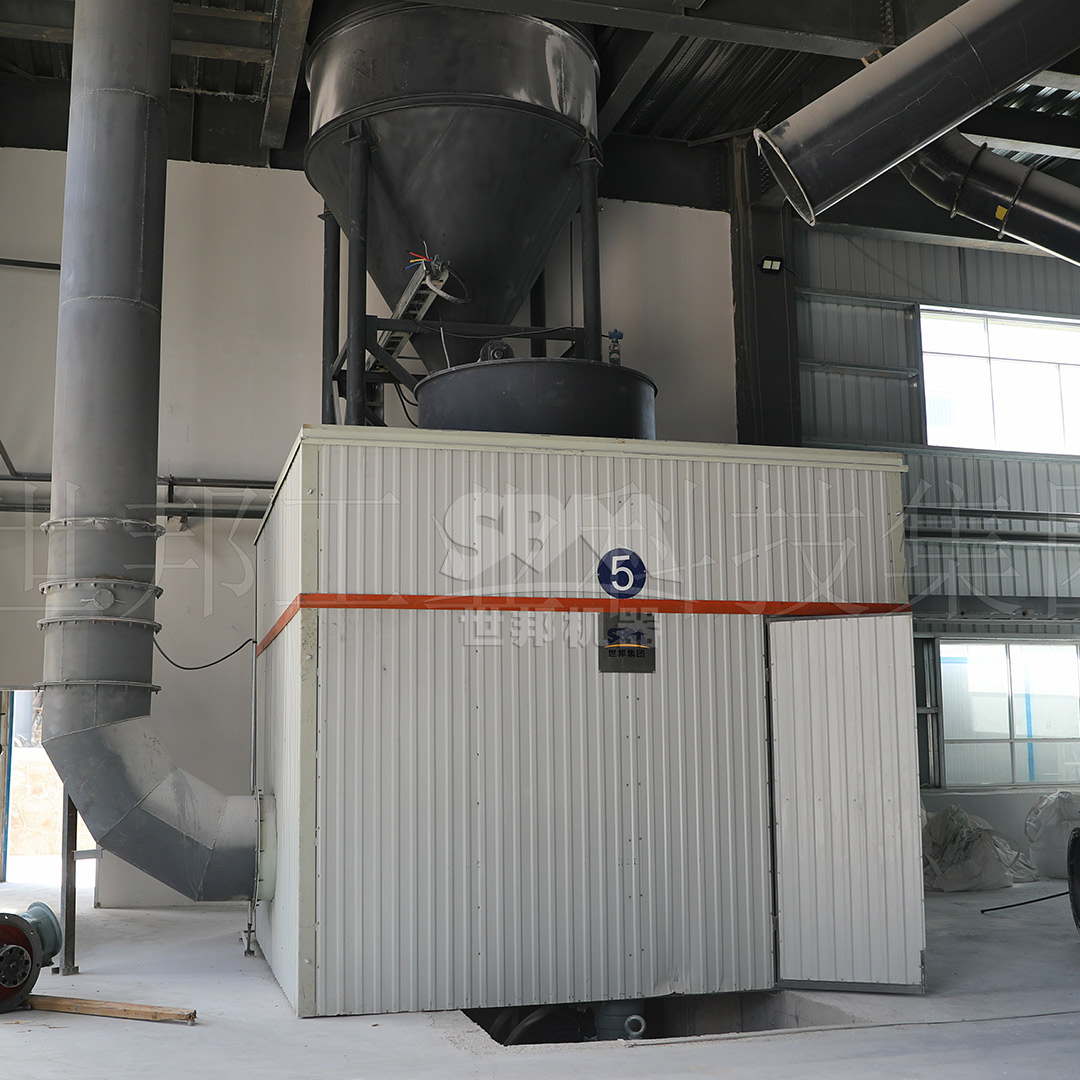
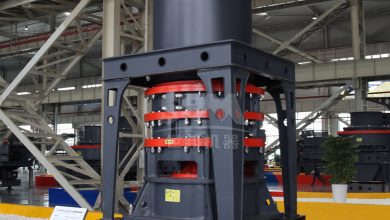
For a traditional Raymond mill design to achieve a 20 TPH throughput on materials like limestone (with a Mohs hardness of around 3) to a fineness of 200 mesh, the installed power is substantial. The core grinding force is generated by multiple large grinding rollers suspended on a rotating central shaft, pressing against a stationary grinding ring. The power required to drive this assembly, overcome friction, and generate the necessary centrifugal force is significant. Typically, the main motor power for such a unit would range from 280 kW to 400 kW. However, this is only part of the total installed power.
Total System Power: Beyond the Main Motor
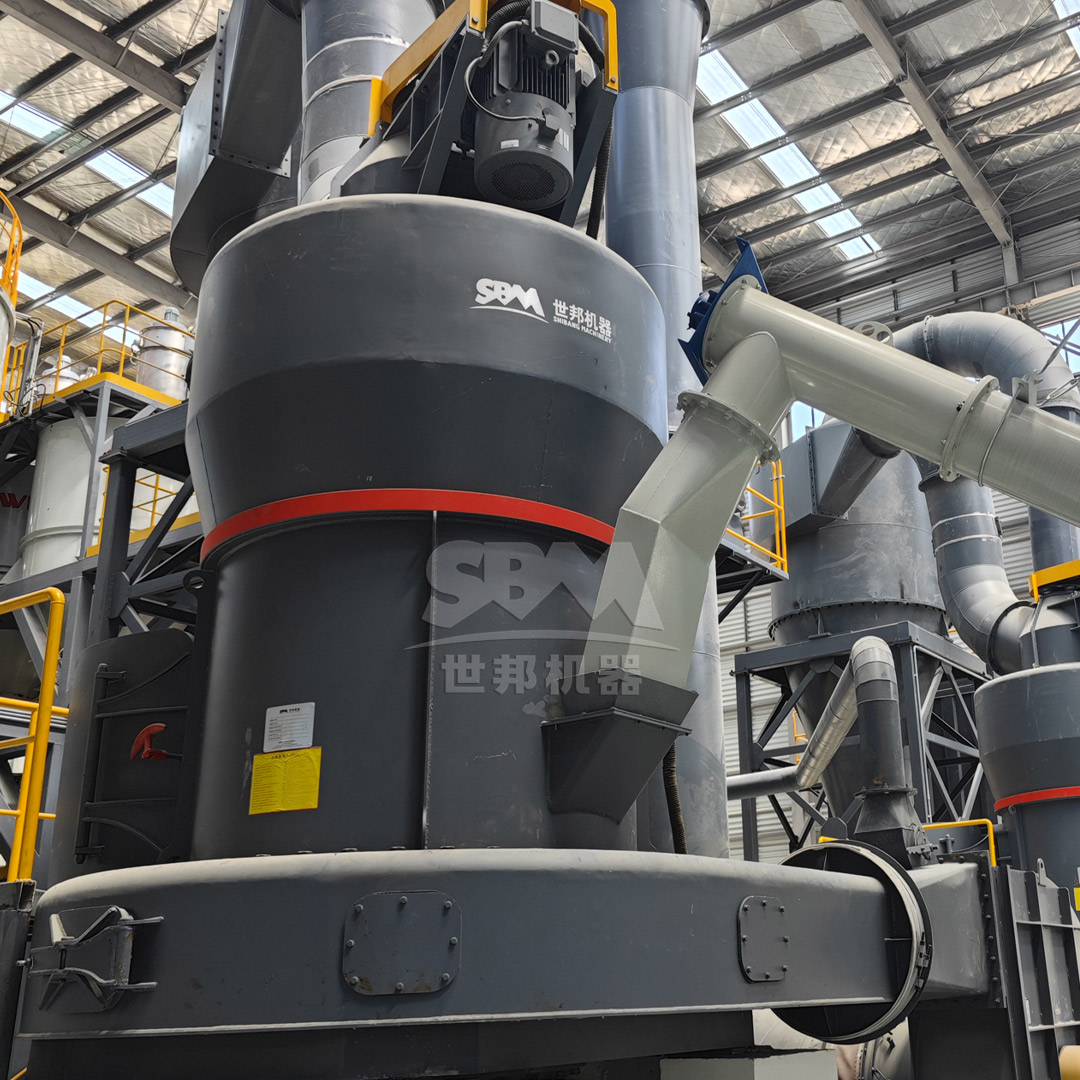
The term “installed power capacity” refers to the combined rated power of all electrically driven components in the complete grinding system. For a functional 20 TPH Raymond mill line, this includes:
- Main Drive Motor: Powers the grinding assembly (280-400 kW).
- Classifier Motor: Drives the impeller of the integral classifier to separate fine and coarse powder (30-75 kW).
- Induced Draft (ID) Fan Motor: Creates the necessary airflow to transport finished powder through the system. This is often the second-largest power consumer, ranging from 250 kW to 355 kW.
- Auxiliary Equipment: This includes the feeder motor, elevator/conveyor motors, and potentially crusher motors for pre-processing.
Therefore, the total installed power for a complete 20 TPH Raymond mill system can easily reach 600 kW to 900 kW or more. This high power draw directly translates to operational costs, making energy efficiency a paramount concern for modern operations.
Key Factors Influencing Motor Power Specifications
Several variables determine the exact power rating needed for a 20 TPH mill:
- Material Hardness & Abrasiveness: Grinding quartz (Mohs 7) requires exponentially more power than grinding calcite (Mohs 3). Abrasive materials also increase wear, indirectly affecting power consistency over time.
- Required Product Fineness: Producing 325-mesh powder demands more grinding cycles and higher classifier precision than producing 80-mesh powder from the same feed, leading to increased power consumption for the grinding and classifying stages.
- Moisture Content: Higher moisture can cause material packing and require more energy for grinding and drying via hot air systems.
- Mill Design & Technology: Traditional spring-loaded roller systems have different power profiles compared to modern mills with hydraulic systems and more efficient aerodynamic designs.
Modern Alternatives: Higher Efficiency for Demanding Applications
While the term “Raymond mill” is often used generically, technological evolution has led to more efficient designs that can achieve the same or higher capacity with significantly better energy metrics. For projects targeting 20 TPH, modern vertical roller mills and advanced pendulum mills present compelling advantages.
For clients seeking a robust and highly efficient solution for medium-fine grinding (30-325 mesh) at capacities around 20 TPH, our MTW Series European Trapezium Mill is an exemplary choice. Specifically, the MTW175G model is engineered for this performance bracket. It features a host of proprietary advancements that directly address the power consumption challenges of older designs:
- Conical Gear Overall Drive: This integrated transmission system boasts a remarkable 98% transmission efficiency, minimizing power loss compared to traditional gearbox and belt drive systems found in older Raymond mills.
- Curved Air Duct: The optimized ductwork minimizes air resistance and turbulence, allowing the induced draft fan to operate more efficiently, thereby reducing the power required for the fan motor—a major component of total system power.
- Wear-Resistant Design: Its anti-abrasion shovel blade and durable grinding roller/ring assembly maintain optimal grinding geometry for longer, ensuring stable power draw and preventing gradual efficiency drops due to wear.
The MTW175G is configured with a 160 kW main motor and is capable of handling 9.5 to 25 tons per hour, comfortably meeting the 20 TPH target. When combined with its matched high-efficiency fan and classifier, the total system power consumption is markedly lower per ton of output than conventional designs, offering substantial operational savings.
For Ultra-Fine Grinding Needs: The SCM Ultrafine Mill
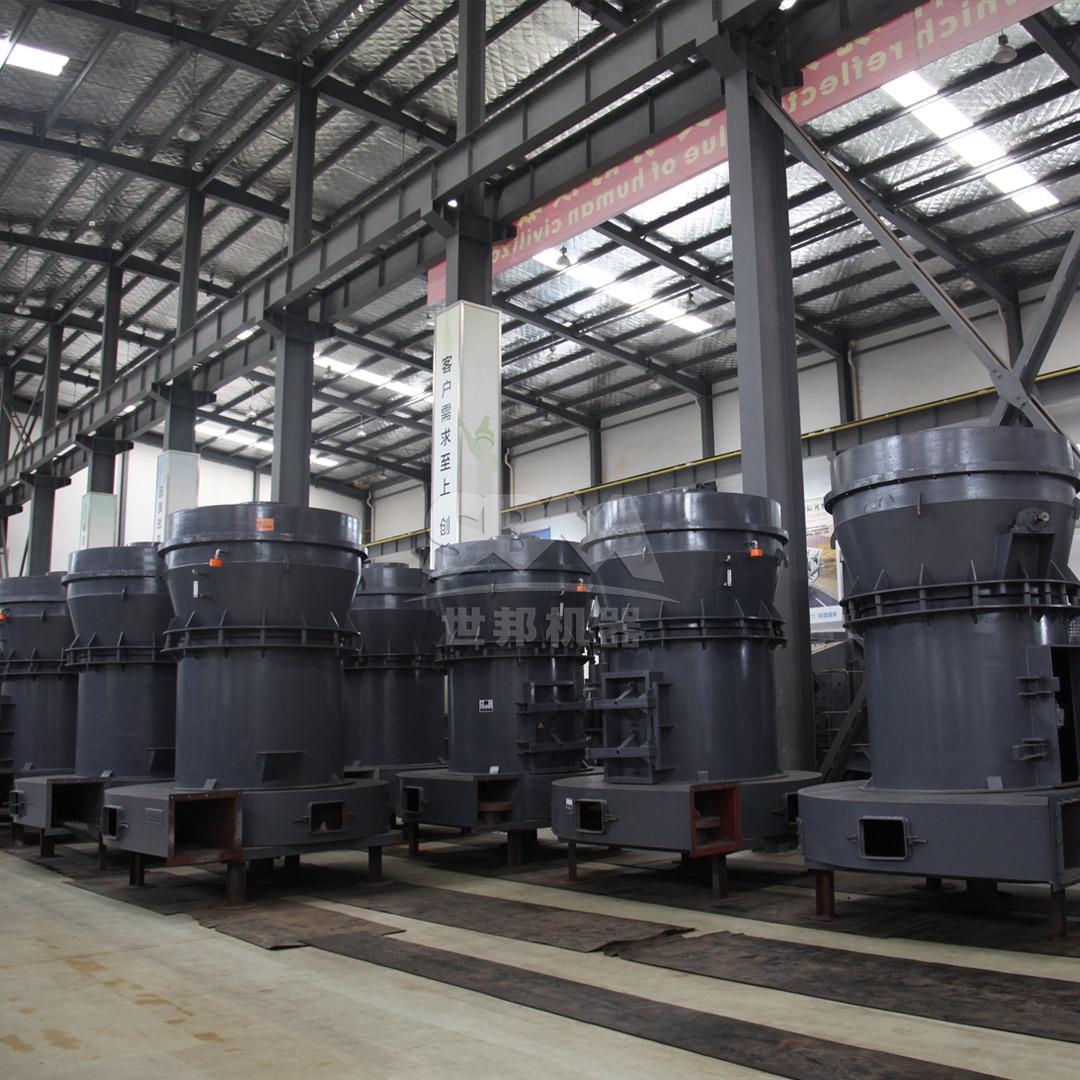
If the application demands production into the ultra-fine spectrum (325-2500 mesh) at a slightly lower but still industrial-scale throughput, a different technological approach is required. Our SCM Series Ultrafine Mill is the industry benchmark for such applications. While its capacity range is broad, the SCM1250 and SCM1680 models are particularly relevant for high-output ultra-fine processing.
The SCM1680 model, for instance, is engineered for large-scale ultra-fine production with a capacity range of 5.0 to 25 TPH (depending on material and fineness). Its power configuration is optimized for precision grinding:
- It utilizes a 315 kW main motor to drive its multi-layer grinding ring and roller system.
- The key to its efficiency in the ultra-fine range is the high-precision vertical turbine classifier. This allows for sharp particle size cuts without the need for repeated recirculation of material, which wastes energy.
- The system’s intelligent control automatically adjusts operational parameters to maintain target fineness, preventing energy waste from over-grinding.
As noted in our technical data, the SCM series achieves twice the capacity of jet mills while reducing energy consumption by 30% for comparable products. For a 20 TPH target in the ultra-fine domain, the SCM1680 represents a powerful and energy-conscious solution.
Conclusion: Making an Informed Power Decision
Specifying a 20-ton-per-hour grinding mill requires a holistic view of power. The installed power capacity of a traditional large Raymond mill system is significant, often nearing or exceeding 800 kW in total. This makes the evaluation of grinding efficiency (kWh/ton) as critical as the headline capacity figure.
Modern milling technology, as embodied in our MTW and SCM series, has made profound strides in reducing specific energy consumption through integrated efficient drives, optimized aerodynamics, and intelligent classification. When planning a new installation or upgrade, we strongly recommend evaluating these advanced platforms. Not only do they meet the 20 TPH capacity target, but they do so with a lower total cost of ownership, transforming installed power from a simple cost center into a metric of superior engineering and operational excellence.