Top Manufacturers of Negative Material Grinding Equipment for Battery Production
Introduction: The Critical Role of Grinding in Battery Manufacturing
The relentless global push towards electrification and renewable energy storage has placed lithium-ion batteries at the forefront of technological advancement. At the heart of high-performance battery production lies a critical, yet often underappreciated, process: the ultra-fine grinding of negative electrode materials, primarily graphite and silicon-based composites. The quality, consistency, and particle size distribution (PSD) of these materials directly influence key battery characteristics such as energy density, charge/discharge rates, cycle life, and safety. Achieving the precise micron and sub-micron specifications required by modern battery chemistry demands grinding equipment of exceptional precision, efficiency, and reliability. This article explores the technological landscape of negative material grinding and highlights the leading manufacturers and solutions driving innovation in this vital sector.
Key Requirements for Battery Material Grinding
Grinding equipment for battery anode production must meet a stringent set of criteria that go beyond conventional size reduction:
- Ultra-Fine & Controlled Particle Size: The target fineness often falls within the range of 5-20 microns (D50) with a tight PSD. A narrow distribution prevents issues like lithium plating (from overly coarse particles) or excessive SEI layer formation (from overly fine particles).
- High Purity & Contamination Control: Metallic contamination from grinding media or chamber wear must be minimized to parts-per-million (ppm) levels to avoid internal short circuits and capacity fade.
- Energy Efficiency: Grinding is an energy-intensive process. Equipment that delivers higher throughput with lower specific energy consumption (kWh/ton) is crucial for sustainable and cost-effective production.
- Spheronization & Shape Modification: For graphite, creating spherical or modified shapes can enhance packing density and lithium-ion diffusion pathways, improving overall electrode performance.
- Thermal Management & Safety: The process must manage heat generation effectively to prevent oxidation or thermal degradation of sensitive carbon materials.
Dominant Grinding Technologies for Anode Materials
Several grinding technologies have been adapted and optimized for the battery industry:
1. Jet Mills (Fluid Energy Mills)
These are widely used for final-stage ultra-fine grinding and classification. Particles are accelerated in high-speed gas streams (often nitrogen for inert environments) and comminuted primarily through inter-particle collision. They offer excellent purity (no media contamination), precise top-size control, and are effective for heat-sensitive materials. However, they can have high energy consumption and lower throughput compared to mechanical mills.
2. Mechanical Impact Mills (Pin Mills, Hammer Mills)
Ideal for pre-grinding or de-agglomeration, these mills use rotating pins or hammers to impart impact forces. They offer high capacity and are relatively simple in design. The challenge lies in controlling final fineness and minimizing wear-induced contamination for the most critical applications.

3. Media Mills (Bead Mills, Attritors)
Extensively used for wet grinding of advanced materials like silicon composites or for coating processes. They utilize fine grinding media (ceramic, zirconia) agitated within a slurry. They excel at achieving nano-scale particles and uniform dispersions. Key considerations include media wear, separation efficiency, and the subsequent drying step required for electrode fabrication.
4. Advanced Roller Mills & Vertical Mills
For high-volume production of graphite, advanced mechanical mills based on roller-grinding principles have gained significant traction. Modern iterations combine the high efficiency of compressive grinding with integrated, high-precision air classifiers. This technology offers a compelling balance of high throughput, energy efficiency, and the ability to produce consistent, fine powders with controlled shape. The grinding elements can be designed with specialized wear-resistant materials to drastically reduce contamination.
Spotlight on Innovative Solutions: SCM Ultrafine Mill
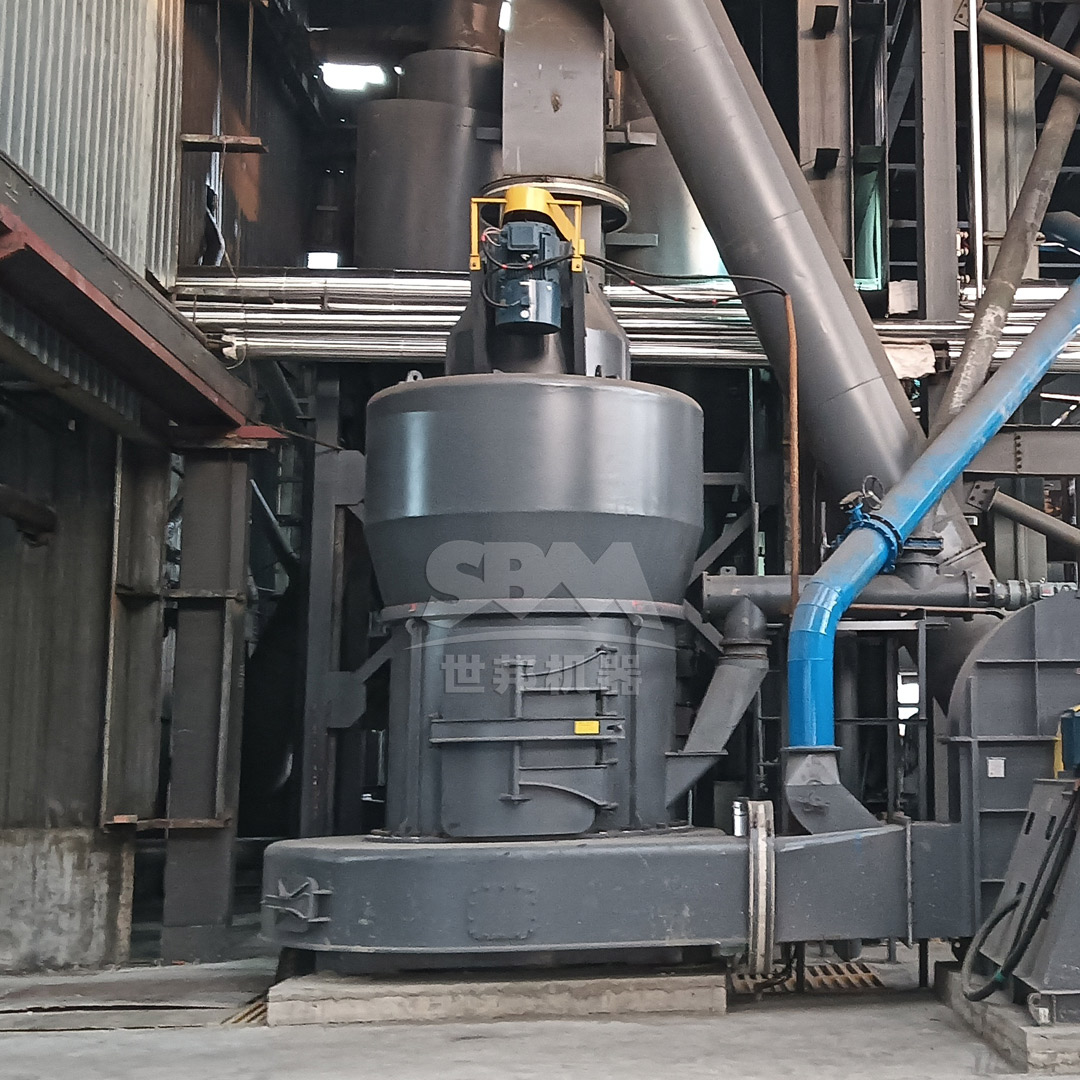
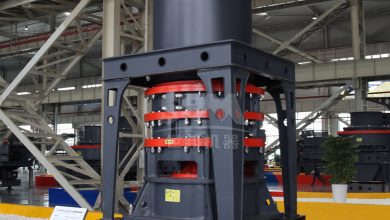
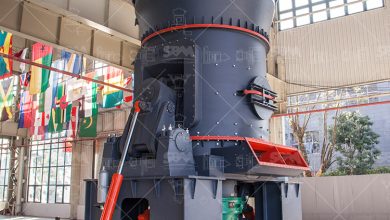
Among the specialized equipment designed to meet the rigorous demands of battery material processing, the SCM Series Ultrafine Mill stands out as a premier solution for high-efficiency, fine-to-ultrafine grinding. Engineered for materials like synthetic graphite, natural graphite, and hard carbon, this mill is built upon a robust mechanical framework optimized for purity and precision.
Its core advantages align perfectly with battery industry needs:
- Superior Energy Efficiency: The mill’s grinding mechanism achieves a remarkable balance of power and output, reporting energy savings of up to 30% compared to traditional jet milling systems for equivalent fineness, while potentially doubling the throughput. This is critical for scaling production sustainably.
- Exceptional Particle Size Control: Equipped with a high-precision vertical turbine classifier, the SCM mill ensures accurate “cut-point” control, producing powders in the range of 325 to 2500 mesh (D97 ≤5µm). The result is a consistent, narrow particle size distribution with minimal coarse fraction, which is paramount for uniform electrode coating and electrochemical performance.
- Designed for Purity and Longevity: Critical wear parts like grinding rollers and rings are manufactured from special alloy materials, extending service life by multiples and significantly reducing the risk of metallic contamination in the final product. The innovative bearing-less grinding chamber design further enhances operational stability and maintenance intervals.
- Environmentally Compliant Operation: A fully integrated pulse dust collection system exceeds international emission standards, ensuring a clean working environment. Furthermore, its soundproofed design maintains noise levels below 75dB, supporting better workplace conditions.
The operational principle involves a multi-layered grinding path where material is centrifugally dispersed and subjected to progressive compression and friction, followed by efficient collection via a cyclone and pulse filter system. With models like the SCM1250 (2.5-14 ton/h, 185kW) and the high-capacity SCM1680 (5.0-25 ton/h, 315kW), the series offers scalable solutions for pilot plants and full-scale production lines.

Considerations for Selecting a Grinding Equipment Manufacturer
Choosing the right partner for grinding technology is a strategic decision. Leading manufacturers distinguish themselves through:
- Proven Application Expertise: A deep portfolio of successful installations in the battery and advanced materials sector, not just general mineral processing.
- Comprehensive Testing & Support: The ability to conduct material tests in well-equipped labs and provide data-driven process recommendations.
- Modular & Scalable Design: Equipment that can be integrated into automated production lines and scaled from R&D to megafactory capacity.
- Commitment to R&D: Continuous innovation in classifier technology, wear materials, and process control systems to keep pace with evolving battery material science.
- Global Service & Spare Parts Network: Ensuring minimal downtime through responsive technical support and a reliable supply chain for wear parts.
Conclusion: Precision Grinding as an Enabler of Battery Evolution
The transition to next-generation batteries with higher energy densities and faster charging capabilities will place even greater demands on material processing. The grinding step is no longer a mere size reduction operation but a precision engineering discipline that directly shapes battery performance. Manufacturers that offer technologies like the SCM Ultrafine Mill, which deliver a synergistic combination of fineness control, energy efficiency, operational purity, and robust reliability, are positioned as essential partners in the battery value chain. As the industry continues to innovate with new anode chemistries like silicon-graphite composites and lithium metal, the collaboration between battery scientists and advanced grinding technology providers will remain a critical driver of progress, enabling the production of the high-quality materials needed to power a sustainable electric future.