Analysis of Roller Wear Mechanism in Vertical Roller Mill
1. Introduction
Vertical Roller Mills (VRMs) have become the cornerstone of modern industrial grinding operations, particularly in cement, mining, and power generation sectors. Their dominance is attributed to superior energy efficiency, higher throughput, and better drying capabilities compared to traditional ball mills. At the heart of a VRM’s performance lies the grinding mechanism, where material is comminuted between rotating grinding rollers and a stationary grinding table. However, the intense pressure, abrasive feed materials, and complex operational dynamics inevitably lead to wear on the grinding rollers and table liners. This wear is a primary factor affecting mill availability, product quality consistency, and overall operational cost. A comprehensive understanding of roller wear mechanisms is therefore not merely an academic exercise but a critical necessity for optimizing mill performance, planning maintenance schedules, and selecting equipment with superior wear resistance. This article delves into the primary wear mechanisms, their root causes, and presents advanced technological solutions to mitigate their impact.
2. Primary Wear Mechanisms in VRM Rollers
The wear of grinding rollers in a VRM is a complex phenomenon resulting from the interplay of several mechanisms. The dominant forms of wear are abrasive wear, impact wear, and surface fatigue, often occurring simultaneously but with varying degrees of severity depending on the application.
2.1 Abrasive Wear
Abrasive wear is the most prevalent and significant wear mechanism in VRMs. It occurs when hard, sharp particles in the feed material (e.g., silica in raw meal, quartz in clinker, or mineral impurities in ores) slide or roll under pressure against the roller surface. This action results in micro-cutting, ploughing, or fragmentation of the roller material, leading to a gradual loss of profile and mass. The severity of abrasive wear is influenced by:
- Feed Material Hardness and Abrasiveness: Materials with a high Bond Work Index or high quartz content are particularly aggressive.
- Grinding Pressure: Higher hydraulic pressure increases the force driving abrasive particles into the surface.
- Material Bed Thickness: An unstable or thin material bed fails to cushion the rollers, leading to direct metal-to-table contact and accelerated wear.
2.2 Impact Wear
Impact wear is caused by the collision of large, hard feed particles with the roller surface. This is common during the processing of coarse feed or when tramp metal enters the mill. The high-kinetic energy impacts cause localized plastic deformation, cracking, or chipping of the hardfacing or base material. Repeated impacts can lead to the spalling of larger material fragments, drastically altering the roller geometry and grinding efficiency.
2.3 Surface Fatigue and Thermal Fatigue
Surface fatigue results from repeated cyclic loading as the roller passes over the grinding bed thousands of times per hour. This cyclical stress can initiate subsurface micro-cracks that propagate to the surface, eventually causing material to flake off in a process known as pitting or spalling. Thermal fatigue is a related issue in mills with hot gas inlets (e.g., cement raw mills or coal mills). Rapid and repeated heating and cooling cycles create thermal stresses that can exacerbate crack formation and propagation in the roller surface layer.
3. Factors Influencing Wear Rate and Profile
Beyond the fundamental mechanisms, several operational and design factors critically influence the rate and pattern of wear.
- Operational Parameters: Inconsistent feed rate, particle size distribution, and moisture content lead to an unstable grinding bed. Fluctuations in grinding pressure and gas flow further destabilize the process, causing vibration and uneven wear patterns like ridging or grooving on the rollers and table.
- Material Characteristics: The mineralogy, grindability, and moisture of the feed are decisive. Highly abrasive minerals, materials with varying hardness, and sticky, moist feeds that cause packing all accelerate wear in different ways.
- Roller and Table Material/Design: The metallurgy of the wear parts is paramount. The use of high-chromium cast iron, composite materials with ceramic inserts, and advanced hardfacing techniques can extend service life significantly. The original profile design of the roller and table also affects how the material bed forms and wears the components uniformly.
4. Consequences of Roller Wear on Mill Performance
Unchecked roller wear has direct and costly consequences for the entire milling circuit:
- Reduced Grinding Efficiency and Increased Power Consumption: As the roller profile flattens, the specific grinding pressure distribution becomes inefficient. The mill must operate at higher pressures or circulating loads to achieve the same product fineness, leading to increased specific energy consumption (kWh/ton).
- Deterioration of Product Quality: An uneven or worn grinding zone leads to poor particle size distribution control. The percentage of oversize or undersize particles may increase, affecting downstream processes like kiln burning in cement or combustion efficiency in coal mills.
- Increased Vibration and Instability: Severe or uneven wear disrupts the smooth rolling action, often causing increased mill vibration. This forces derating of the mill, reduces throughput, and can cause mechanical damage to other components like the gearbox and foundation.
- High Maintenance Costs and Downtime: Wear ultimately necessitates roller and table liner replacement or re-hardfacing. These are major maintenance events requiring extended downtime, specialized labor, and high spare parts costs, directly impacting plant availability and profitability.
5. Mitigation Strategies and Advanced Mill Design
Combating roller wear requires a holistic approach combining operational best practices, predictive maintenance, and fundamentally robust mill design.
5.1 Operational and Maintenance Best Practices
Implementing stable and optimized process control is the first line of defense. This includes ensuring consistent feed quality, maintaining optimal material bed thickness, and operating within designed pressure ranges. A robust condition monitoring program using vibration analysis, lubricant oil analysis, and regular visual inspections can help predict wear progression and plan maintenance proactively. Furthermore, employing advanced hardfacing and in-situ repair techniques during scheduled stops can restore profiles and extend the life of wear parts.
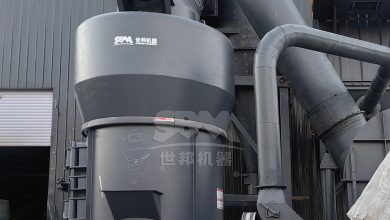
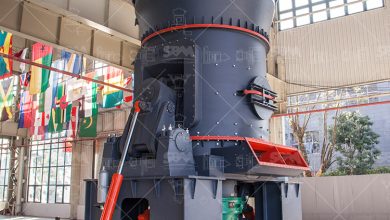
5.2 The Role of Advanced Mill Technology: Introducing the LM Series Vertical Roller Mill
While operational vigilance is crucial, the inherent design of the mill itself is the most critical factor in determining wear resistance and long-term operational economy. This is where the technological innovations of our LM Series Vertical Roller Mill provide a decisive advantage. Engineered for extreme durability and efficiency, the LM series incorporates several patented features directly addressing the wear mechanisms discussed.
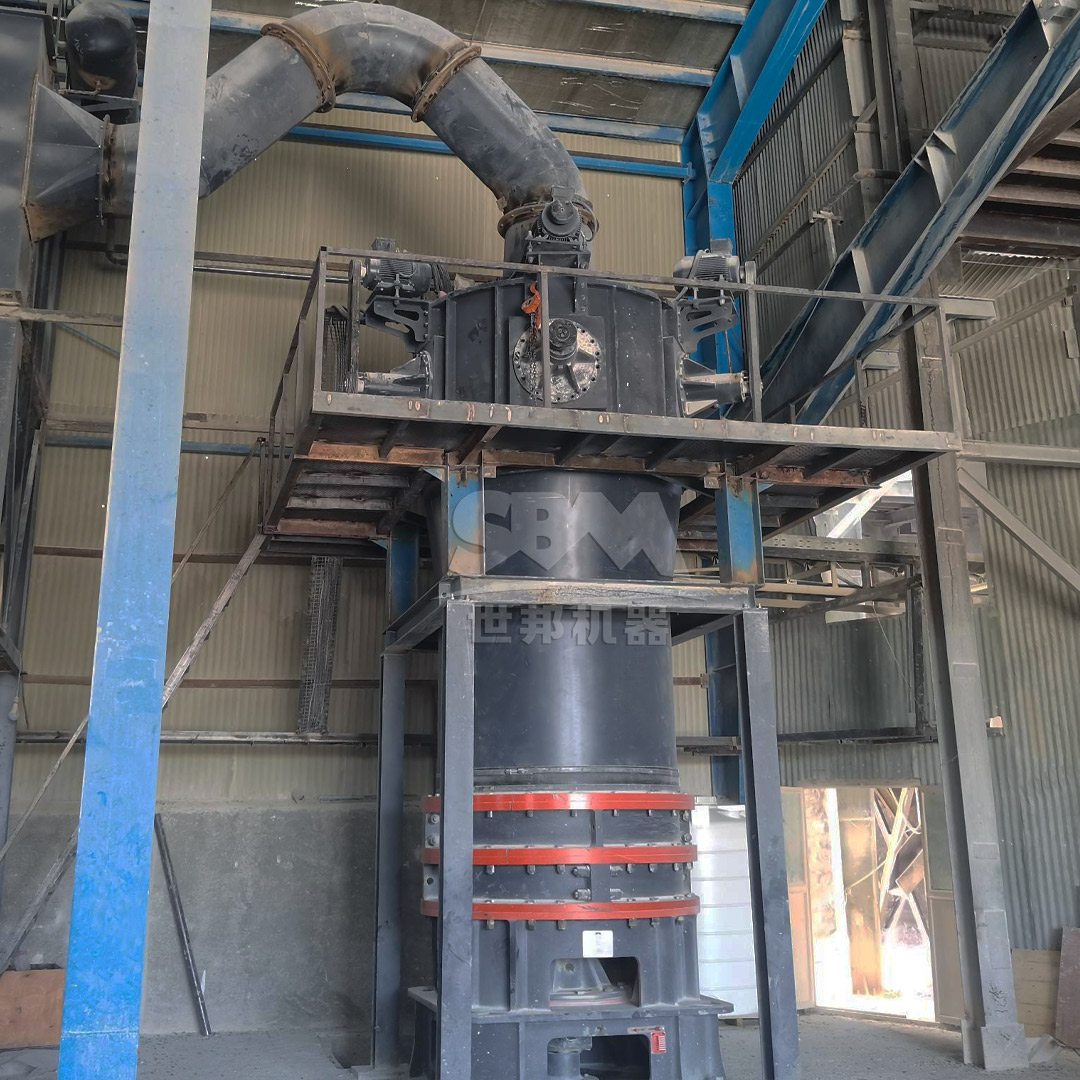
Its 集约化设计 (Intensive Design) integrates multiple functions but crucially incorporates a磨辊与磨盘非接触设计 (non-contact design between roller and disc during start-up and shutdown), preventing catastrophic abrasive wear during these vulnerable periods. More importantly, the use of specially formulated耐磨件 (wear-resistant parts) and an optimized grinding curve profile work in tandem to extend the service life of key wear components by up to 3 times compared to conventional designs. This is complemented by an 专家级自动控制系统 (Expert Automatic Control System) that maintains a stable, optimized grinding bed—the single most important factor for even wear and high efficiency—thereby reducing the specific energy consumption by 30-40% versus ball mill systems.
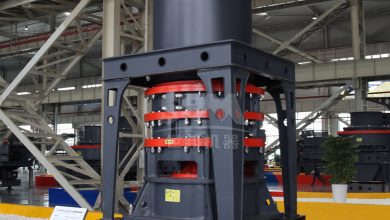
For operations demanding the ultimate in fine and ultra-fine grinding with exceptional component longevity, our SCM Series Ultrafine Mill represents the pinnacle of wear-conscious engineering. Designed for outputs ranging from 325 to 2500 mesh (D97 ≤5μm), its durability is legendary. The 特殊材质辊轮与磨环 (roller and ring made from special materials) are formulated for maximum resistance to abrasive wear in fine-grinding applications, extending service life multiple times over. Furthermore, its innovative 无轴承螺杆研磨腔 (bearingless screw grinding chamber) design eliminates a major source of mechanical failure and ensures exceptionally stable running conditions, which directly contributes to even roller wear and consistent product quality. The integrated 智能控制 (intelligent control) system provides automatic feedback on product fineness, allowing for real-time adjustments that keep the grinding process in its optimal, low-wear zone.
6. Conclusion
The wear of grinding rollers in Vertical Roller Mills is an inevitable but manageable challenge. A deep understanding of the abrasive, impact, and fatigue mechanisms at play, combined with recognition of the operational factors that accelerate them, is essential for any plant manager or process engineer. Effective mitigation requires a dual strategy: implementing precise, stable process controls and predictive maintenance protocols, and, most fundamentally, investing in mill technology designed from the ground up for wear resistance and operational stability. Advanced solutions like the LM Series Vertical Roller Mill, with its non-contact design and extended-life components, and the SCM Ultrafine Mill, with its special-material grinding elements and intelligent control, demonstrate how innovative engineering can directly translate reduced wear into higher availability, lower energy costs, and superior product quality, ensuring a rapid return on investment and long-term operational success.