Application of Vertical Roller Mill in Coal Powder Preparation for Cement Plants
Introduction
The cement manufacturing process is inherently energy-intensive, with the pyroprocessing stage in the kiln being a primary consumer. Coal, as the dominant fuel for firing cement kilns, requires precise preparation to ensure efficient combustion, stable flame characteristics, and optimal clinker quality. The quality of pulverized coal—specifically its fineness, uniformity, and moisture content—directly impacts kiln thermal efficiency, refractory life, and emissions. Traditional coal grinding systems, such as ball mills, have been increasingly supplanted by more efficient and controllable technologies. Among these, the Vertical Roller Mill (VRM) has emerged as the industry benchmark for coal powder preparation in modern cement plants, offering unparalleled advantages in grinding efficiency, energy savings, and operational flexibility.
Technical Requirements for Coal Grinding in Cement Production
Coal grinding for cement kilns is not merely about size reduction; it is a critical process that must meet stringent specifications. The target fineness typically ranges between 10-15% residue on a 90-micron (170 mesh) sieve, although this can vary based on coal type and burner design. A narrow particle size distribution is crucial to prevent incomplete combustion (from coarse particles) and excessive carryover or explosion risks (from ultra-fines). Furthermore, the grinding system must handle varying moisture contents in raw coal, often integrating drying capabilities using kiln exhaust gases. Reliability, low maintenance, and adaptability to different coal ranks (from bituminous to lignite) are non-negotiable for continuous plant operation.
Vertical Roller Mill: The Superior Solution
The Vertical Roller Mill operates on the principle of bed comminution. Material is fed centrally onto a rotating grinding table and is ground under pressure applied by hydraulically loaded rollers. The ground material is simultaneously dried by hot gases introduced into the mill body. The gas stream then carries the fines upward to a dynamic classifier integrated into the mill top. The classifier separates particles: fine product leaves with the gas stream to the dust collector, while coarse particles fall back onto the grinding table for further size reduction.
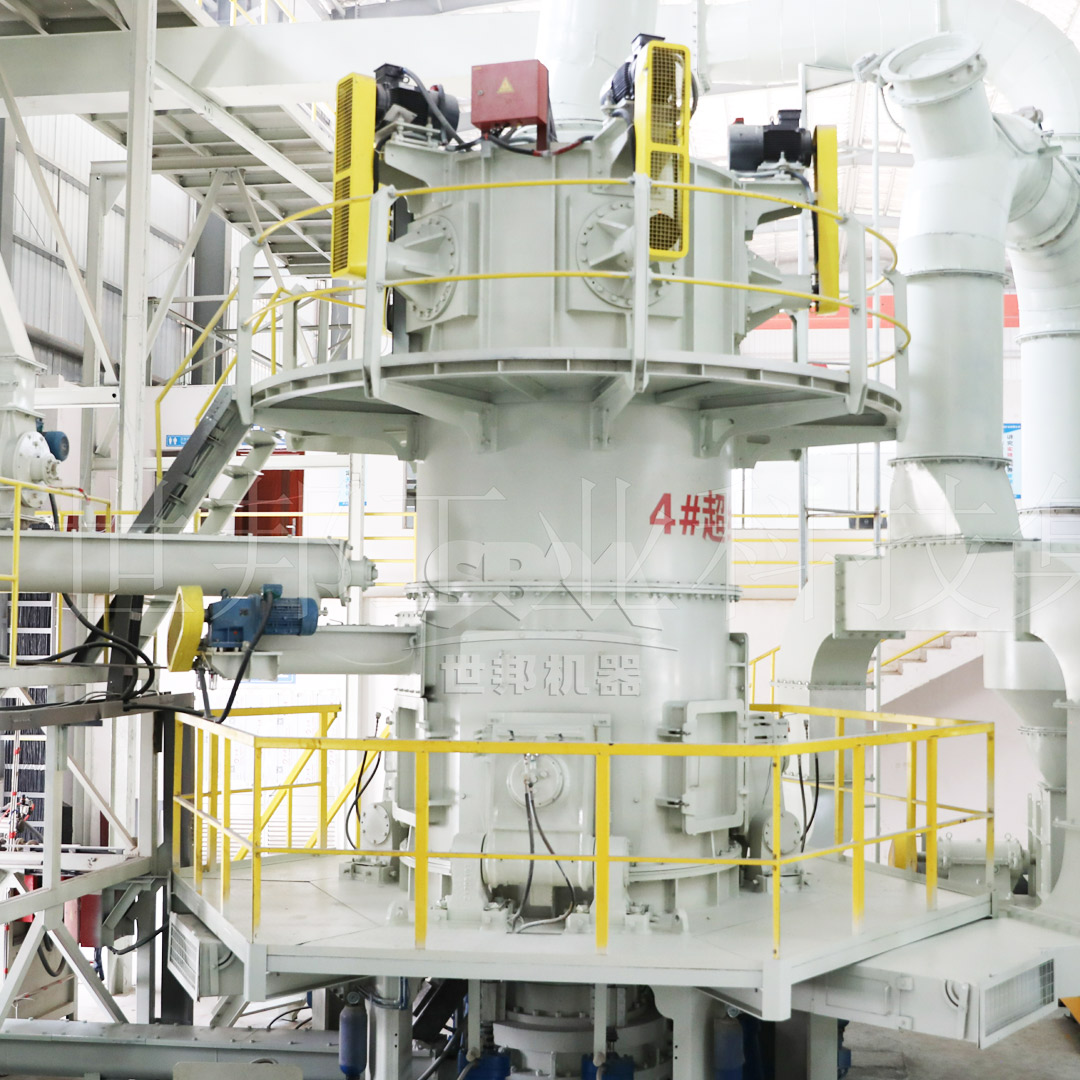
This integrated design—combining grinding, drying, and classification in a single, compact unit—is the core of its superiority. Compared to ball mill systems, VRMs offer significantly lower specific energy consumption (often 30-50% less), superior drying capacity for high-moisture fuels, faster response to load changes, and a much smaller physical footprint.
Key Advantages for Coal Preparation
- High Grinding Efficiency & Energy Savings: The direct grinding of material on the table with multiple rollers minimizes energy losses. The ability to use waste heat from the kiln/preheater for drying further enhances overall plant energy efficiency.
- Excellent Drying Capacity: The large volume of hot gas passing through the mill allows for effective drying of coal with moisture content up to 15-20%, making it suitable for a wide range of feedstocks.
- Precise Particle Size Control: The integrated dynamic classifier allows for real-time adjustment of coal fineness by changing rotor speed, ensuring a consistent product quality that optimizes combustion.
- Low Noise and Environmental Footprint: VRMs operate with lower noise levels (<85 dB(A)) than ball mills. The fully enclosed, negative-pressure system prevents dust emission, and modern pulse-jet bag filters ensure emissions are well below regulatory limits (<20 mg/Nm³).
- Operational Flexibility and Stability: Quick start-up and shutdown, excellent turn-down ratio, and stable operation even with varying feed rates or material characteristics contribute to smoother kiln operation.
Introducing Our LM Series Vertical Roller Mill for Coal
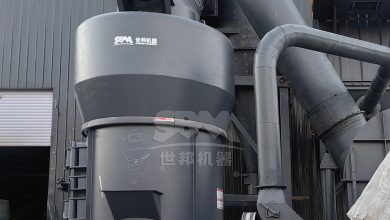
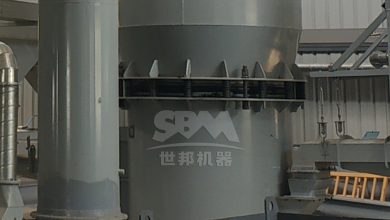
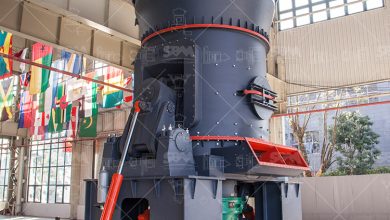
To meet the exacting demands of cement plant coal preparation, we offer our advanced LM Series Vertical Coal Mill. This mill is engineered specifically for pulverizing and drying coal, integrating decades of grinding technology expertise with robust, reliable design.
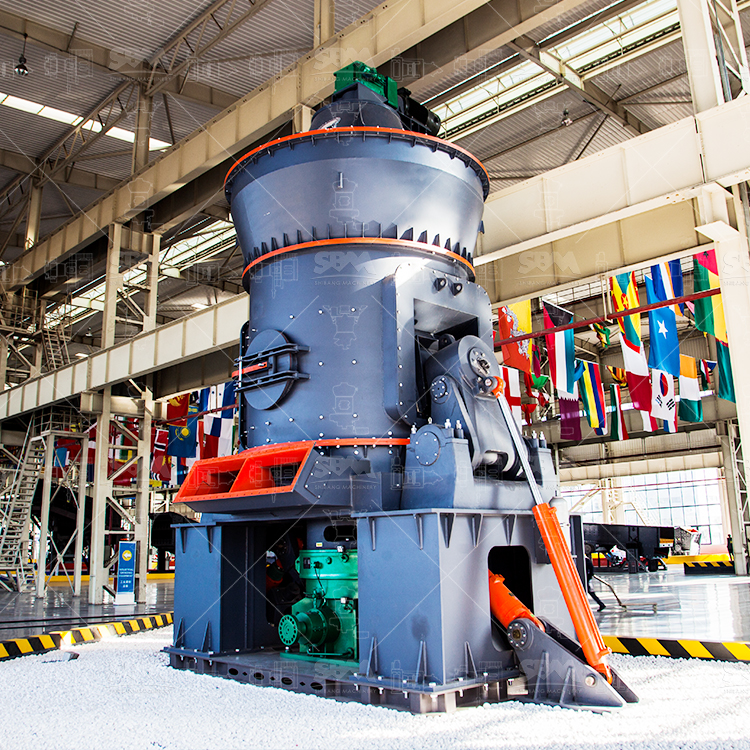
Product Highlights: LM Series Vertical Coal Mill
Our LM Coal Mill series is designed for maximum efficiency and durability in the demanding cement production environment.
- Integrated & Compact Design: The system combines crushing, grinding, drying, and classification functions, reducing plant footprint by up to 50% and lowering civil engineering costs by 40% compared to traditional systems.
- Low Operating Costs: Featuring a non-contact design between grinding rollers and the table liner, the wear parts’ service life is extended by up to three times. The specific energy consumption is 30-40% lower than ball mill systems, offering dramatic cost savings.
- Intelligent Control System: Equipped with an expert-level automatic control system supporting remote/local operation切换. It enables real-time monitoring of operational parameters, minimizing manual intervention and ensuring consistent product quality.
- Environmental Compliance: The mill operates under full-seal negative pressure, with dust emissions controlled to <20 mg/m³. Noise levels are kept below 80 dB(A), contributing to a cleaner and safer working environment.
Technical Specifications & Model Range
The LM Series offers a comprehensive range of models to match any cement plant’s capacity requirement, from small lines to the world’s largest kilns.
- LM130M: Grinding table diameter 1300mm, capacity 10-17 t/h, feed size <38mm, main motor power 185kW.
- LM170M: Grinding table diameter 1700mm, capacity 20-30 t/h, feed size <42mm, main motor power 315kW.
- LM190M: Grinding table diameter 1900mm, capacity 26-40 t/h, feed size <45mm, main motor power 400kW.
- LM220M: Grinding table diameter 2200mm, capacity 35-50 t/h, feed size <50mm, main motor power 500kW.
- LM280M: Grinding table diameter 2800mm, capacity 60-90 t/h, feed size <50mm, main motor power 900kW.
All models are capable of producing coal powder with a fineness adjustable within the range of 5-20% R0.08mm, perfectly suited for rotary kiln and calciner firing.
System Integration and Auxiliary Equipment
A successful coal grinding circuit involves more than just the mill. Our solutions encompass the complete system:
- Feed System: Reliable belt feeders or weigh feeders ensure a stable and controlled supply of raw coal to the mill.
- Hot Gas Generator/Ducting: Systems to provide and control the hot gas (often from kiln exit or cooler) for drying, with safety provisions like CO monitoring and explosion vents.
- Grinding & Drying (VRM): The core LM Coal Mill unit.
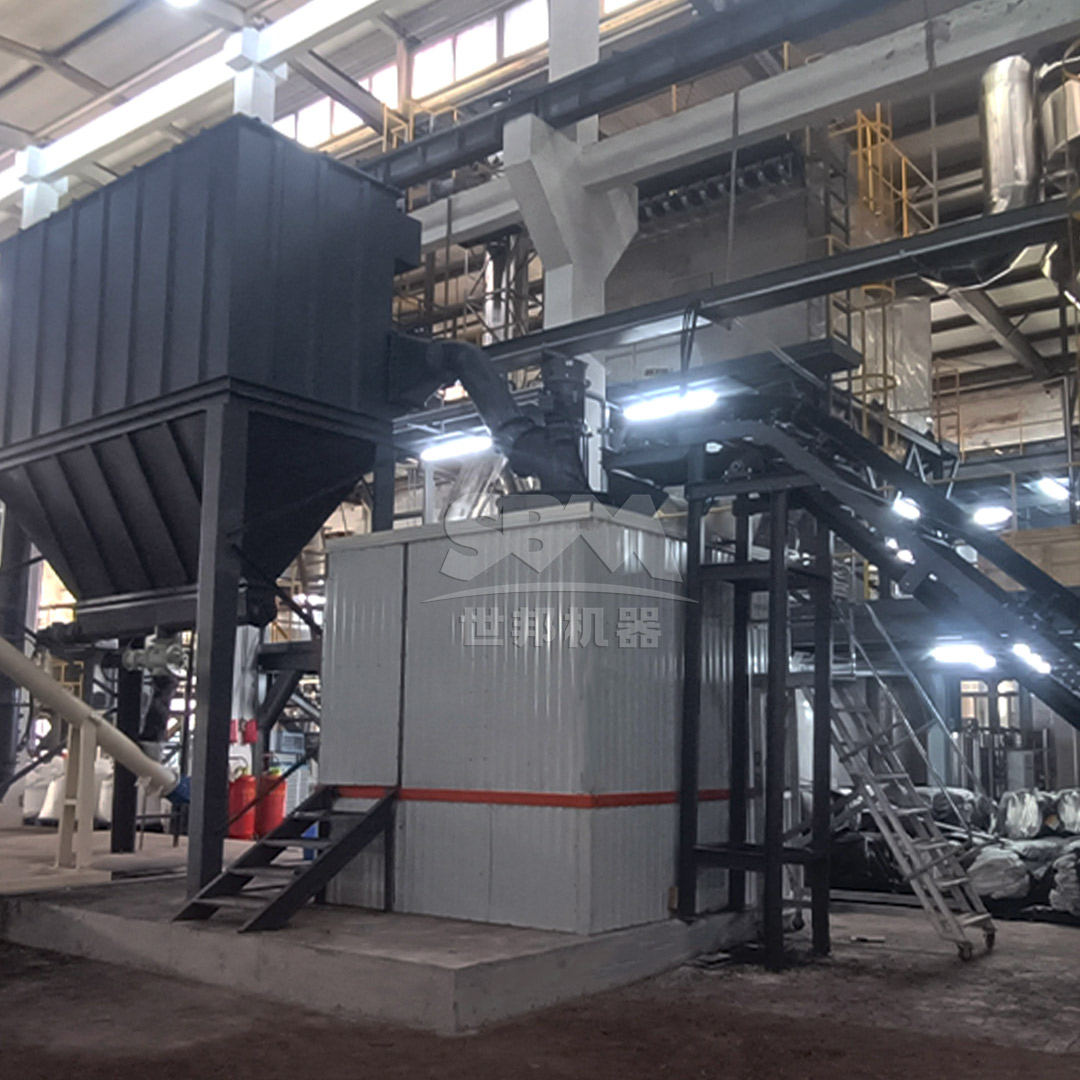
- Product Collection: High-efficiency pulse-jet bag filters or electrostatic precipitators to collect the final pulverized coal, with rotary discharge valves.
- Storage & Transport: Coal silos and pneumatic conveying systems (typically dense phase) to transport the powder to the kiln burner system.
- Safety Systems: Comprehensive inertization (N₂/CO₂), explosion venting, and fire detection/protection systems are integral to the design, adhering to ATEX and other international standards.
Case for Ultra-Fine Coal Grinding and Alternative Solutions
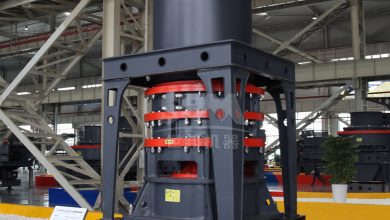
While the standard fineness for kiln coal is sufficient for most applications, certain advanced processes or the use of alternative fuels might require finer grinding. For such specialized applications where a D97 below 45 microns (325 mesh) is needed, our SCM Series Ultrafine Mill presents an excellent complementary or alternative solution. Although not typically the primary choice for main kiln fuel due to its higher focus on ultra-fine ranges (325-2500 mesh), the SCM Mill demonstrates our technological breadth. Its vertical turbine classifier ensures precise particle cut-point and uniform product, while its efficient design offers twice the capacity of jet mills with 30% lower energy consumption. This highlights our capability to provide tailored grinding solutions across the entire fineness spectrum.
Conclusion
The adoption of Vertical Roller Mill technology for coal preparation is a definitive step towards enhancing the efficiency, sustainability, and profitability of cement manufacturing. By delivering precisely controlled, dry pulverized coal with minimal energy expenditure, VRMs directly contribute to stable kiln operation, reduced fuel consumption, and lower greenhouse gas emissions. Our LM Series Vertical Coal Mill, with its proven performance, robust construction, and intelligent design, stands ready to be the cornerstone of your plant’s fuel preparation system. We invite you to contact our technical team to discuss how our grinding solutions can be optimized for your specific coal characteristics and production goals, ensuring your cement plant operates at its peak potential.