What Equipment is Used for Primary Processing of Spodumene? Production Process of Spodumene Powder
Introduction to Spodumene Processing
Spodumene, a lithium-aluminum inosilicate mineral, is the primary industrial source of lithium. Its processing from raw ore to a marketable lithium concentrate or high-purity lithium compounds involves several critical stages. The primary processing phase, which transforms mined spodumene ore into a fine powder suitable for further chemical treatment, is technologically demanding. This stage directly impacts the efficiency of downstream lithium extraction (via acid roasting or other methods) and the overall economics of the operation. The selection of appropriate crushing and grinding equipment is paramount, as it must handle the abrasive nature of spodumene while achieving precise particle size distributions for optimal metallurgical recovery.
The Primary Processing Flow for Spodumene
The journey from run-of-mine (ROM) spodumene ore to spodumene concentrate powder typically follows a sequence of size reduction and separation steps.
1. Primary Crushing
ROM spodumene, which can be as large as several hundred millimeters, is first reduced to a manageable size (typically below 150-200mm) using primary crushers like jaw crushers or gyratory crushers. This coarse crushing stage prepares the material for further processing.
2. Beneficiation (Dense Media Separation – DMS)
Crushed ore is often beneficiated to increase the Li2O grade. The most common method is Dense Media Separation (DMS), which exploits the density difference between spodumene (≈3.2 g/cm³) and gangue minerals like quartz and feldspar (≈2.65 g/cm³). The output is a spodumene concentrate with significantly higher lithium content.
3. Secondary & Tertiary Crushing
The DMS concentrate, now with a higher proportion of hard spodumene, requires further size reduction. Cone crushers are commonly employed in secondary and tertiary stages to produce a feed size suitable for the final grinding circuit, often aiming for a product below 20-30mm.
4. Drying
Before fine grinding, moisture must be removed to prevent clogging and ensure efficient milling. Rotary dryers are typically used for this purpose.
5. Fine Grinding – The Core of Primary Processing
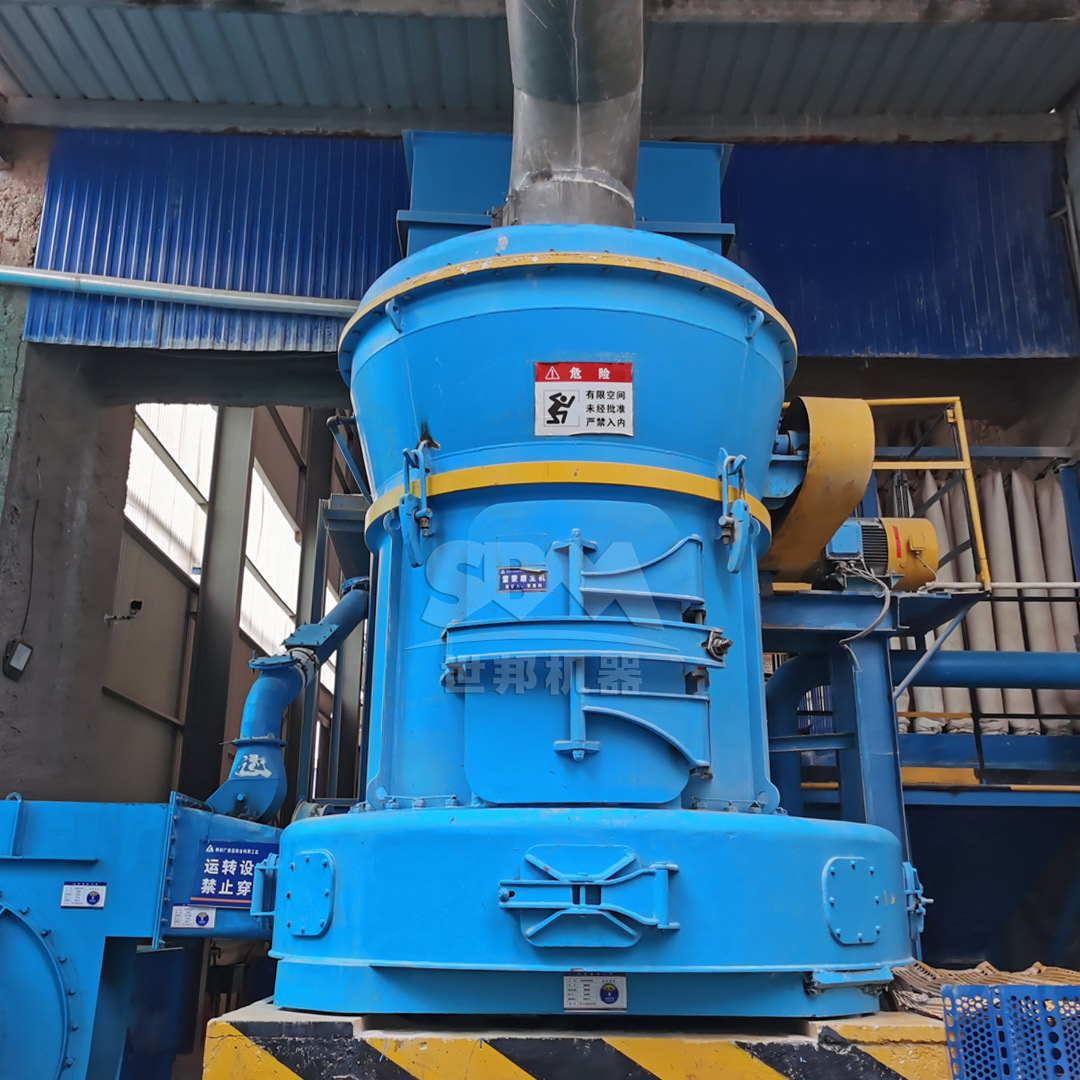
This is the most critical mechanical step. The dried spodumene concentrate must be ground to a specific fineness (commonly between 100-325 mesh or 150-45μm) to achieve optimal lithium recovery in the subsequent conversion process. The choice of grinding mill is crucial for energy efficiency, product uniformity, and operational cost.
Key Equipment for Fine Grinding Spodumene
Several types of grinding mills are evaluated for spodumene processing, each with distinct advantages and operational profiles.
Ball Mills
The traditional workhorse for mineral grinding. Ball mills operate by tumbling steel balls inside a rotating cylinder, impacting and abrading the material. They are robust and can handle abrasive materials like spodumene. However, they are generally less energy-efficient compared to more modern grinding technologies, especially for achieving finer particle sizes. Their noise levels and physical footprint can also be significant.
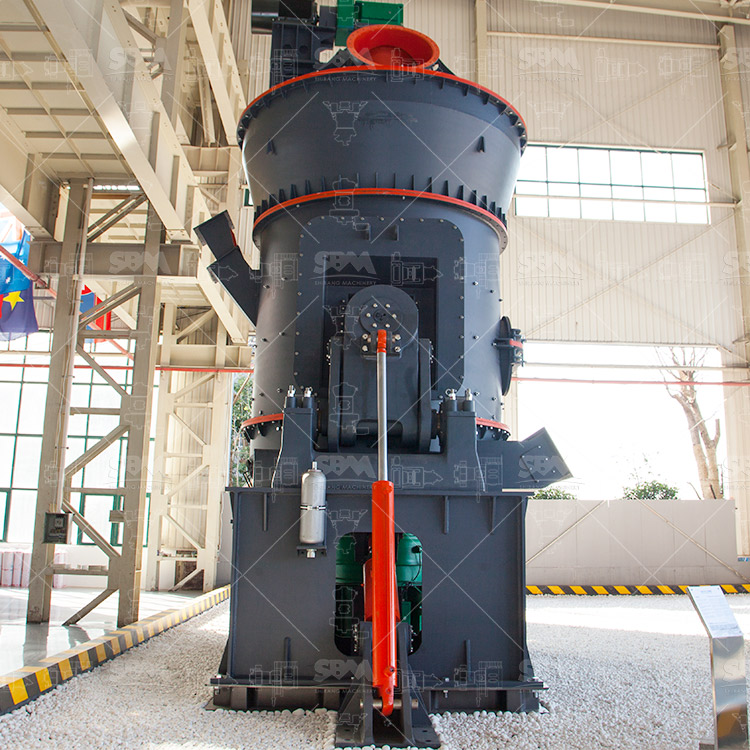
Vertical Roller Mills (VRM)
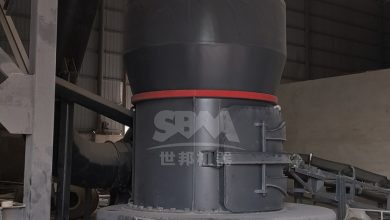
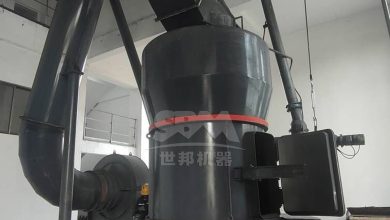
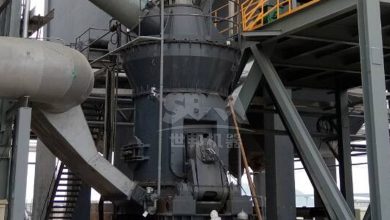
VRMs have gained prominence in the minerals industry due to their superior energy efficiency. They operate on the principle of bed comminution, where material is ground between a rotating table and rollers under hydraulic pressure. For spodumene processing, our LM Series Vertical Roller Mill presents a compelling solution. Its集约化设计 integrates multiple functions, reducing plant footprint by up to 50%. More importantly, its料床粉磨原理 (bed grinding principle) and智能控制 (intelligent control) system lead to能耗较球磨系统降低30-40% (30-40% lower energy consumption compared to ball mill systems). The磨辊与磨盘非接触设计 (non-contact roller and disc design) significantly extends the life of wear parts when processing abrasive spodumene. With an output fineness range of 30-325 mesh (and特殊型号至600目 for special models), it is perfectly suited to produce the required spodumene powder for lithium extraction.
Raymond Mills / Pendulum Roller Mills
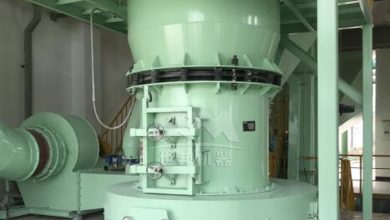
These mills use spring-loaded rollers that swing outward due to centrifugal force, pressing against a stationary ring to grind material fed by a blade. They are well-established for medium-fine grinding. Models like the MTW Series欧版梯形磨粉机 offer advantages such as锥齿轮整体传动 (integral bevel gear transmission) with 98% efficiency and耐磨蜗壳结构 (wear-resistant volute structure). They are a reliable choice for producing powders in the 30-325 mesh range from feed sizes up to 50mm.
Ultrafine Grinding Mills
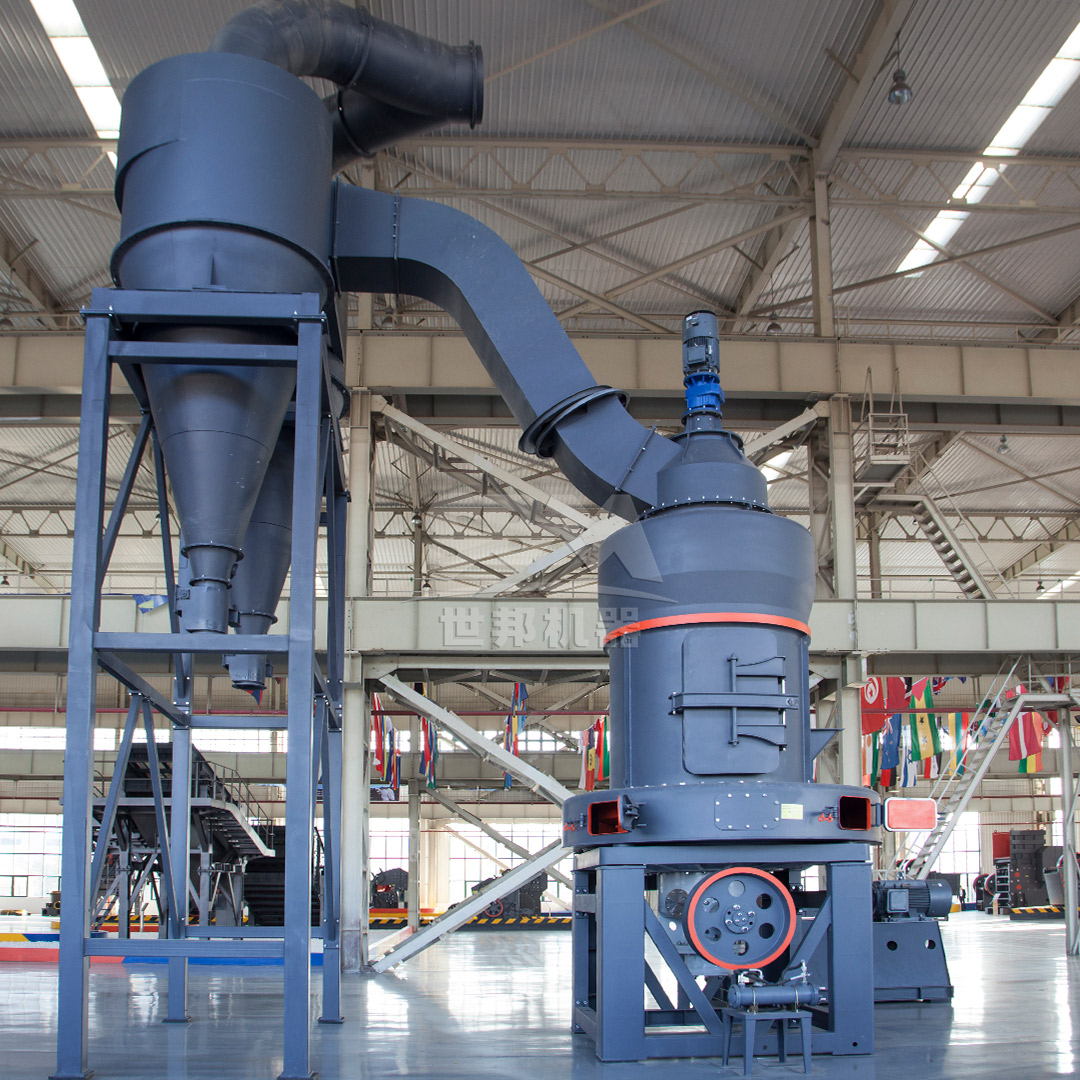
For applications requiring extremely fine spodumene powder (e.g., for direct lithium extraction or advanced ceramics), specialized ultrafine mills are necessary. Our SCM Series Ultrafine Mill is engineered for this demanding task. Capable of achieving an output细度 of 325-2500目 (D97 ≤ 5μm), it is a technological leap for superfine spodumene processing. Its核心优势 lies in its高精度分级 (high-precision classification) via a vertical turbine classifier, ensuring成品均匀 (uniform product) with无粗粉混入 (no coarse powder mixing). Despite its fine grinding capability, it is高效节能 (highly efficient and energy-saving), boasting产能为气流磨2倍,能耗降低30% (double the capacity of jet mills with 30% lower energy consumption). For projects aiming to produce high-value, ultra-fine spodumene powders, the SCM series represents a top-tier equipment choice.
Factors Influencing Equipment Selection
Choosing the right grinding system for a spodumene project involves a careful technical and economic analysis:
- Target Particle Size (P80): The required fineness for downstream conversion is the primary driver. VRMs and pendulum mills excel in the 45-200μm range, while ultrafine mills are essential for <20μm.
- Ore Abrasiveness and Hardness: Spodumene is hard and abrasive. Equipment with robust wear protection, easy maintenance features, and long-life wear parts (like the special材质辊轮与磨环 in the SCM mill or the耐磨衬板 in VRMs) is critical to control operating costs.
- Plant Capacity (TPH): Throughput requirements dictate the scale of the equipment. Both LM and MTW series offer models scaling from pilot-scale (a few TPH) to large industrial lines (over 100 TPH for pre-grinding).
- Energy Efficiency: Grinding is energy-intensive. Mills operating on bed comminution principles (VRMs) typically offer the lowest specific energy consumption (kWh/t), a major factor in operational expenditure.
- System Integration and Footprint: Modern mills like the LM series offer integrated drying, grinding, and classification in a single unit, simplifying plant layout and reducing capital costs associated with buildings and auxiliary equipment.
- Environmental Compliance: Dust control and noise levels are important. Equipment featuring全密封负压运行 (fully sealed negative pressure operation) and脉冲除尘效率超国际标准 (pulse dust collection exceeding international standards), as highlighted in both the SCM and LM series specifications, ensure environmentally responsible operation.
Conclusion
The primary processing of spodumene into a fine powder is a sophisticated engineering challenge that hinges on selecting optimal grinding technology. While traditional ball mills remain an option, the industry is decisively moving towards more efficient, integrated, and controllable solutions. Vertical Roller Mills, such as our LM Series, offer an outstanding balance of high energy efficiency, large capacity, and precise control for the standard fineness range required for spodumene conversion. For projects targeting the production of ultra-fine or high-value-added spodumene powders, advanced systems like the SCM Ultrafine Mill provide unparalleled fineness control and product uniformity. A thorough evaluation of ore characteristics, product specifications, and total cost of ownership will guide producers toward the ideal equipment solution, ensuring a competitive and sustainable lithium production operation.