Lithium Spodumene Powder Processing Machinery: What Equipment is Used?
Introduction to Lithium Spodumene Processing
The global surge in demand for lithium-ion batteries has placed lithium spodumene, a primary hard-rock lithium source, at the forefront of the mining and minerals processing industry. Transforming raw spodumene ore into the fine, high-purity lithium concentrates required for downstream chemical conversion is a complex, multi-stage process. The selection of appropriate processing machinery is critical to achieving optimal recovery rates, product quality, energy efficiency, and operational cost. This article provides a detailed overview of the key equipment used in lithium spodumene powder processing, from primary crushing to final fine grinding and classification.
The Processing Chain: From Ore to Concentrate
A typical lithium spodumene processing plant involves several sequential stages:
- Crushing: Reducing large run-of-mine ore to a manageable size.
- Grinding & Liberation: Further reducing particle size to liberate spodumene crystals from the gangue minerals.
- Beneficiation (DMS & Flotation): Concentrating the spodumene using physical separation methods like Dense Media Separation (DMS) and froth flotation.
- Fine Grinding of Concentrate: Pulverizing the spodumene concentrate to a very fine powder (often below 200 mesh/74μm) to increase reactivity for the subsequent roasting or acid leaching process.
- Classification & Dust Collection: Ensuring precise particle size distribution and maintaining a clean, dust-free operation.
The heart of the powder preparation lies in the grinding stages. The choice of grinding equipment depends heavily on the required feed size, target product fineness, capacity, and the specific hardness and abrasiveness of the spodumene ore.
Core Equipment in the Grinding Circuit
1. Primary and Secondary Crushing
Before grinding, ore must be crushed. Jaw crushers and gyratory crushers are standard for primary crushing, reducing ore from several feet down to about 6-8 inches. Secondary crushing, often using cone crushers, further reduces the size to below 1-2 inches, preparing feed for the grinding mills.
2. Coarse and Fine Grinding Mills
This is where the bulk of particle size reduction occurs. Different mill types are employed based on the process stage.
- Ball Mills & Rod Mills: Traditional workhorses for wet or dry grinding. They are robust and capable of handling large feed sizes and high capacities. Ball mills are often used for the initial grinding stage post-crushing to achieve a coarse grind (e.g., for flotation feed). Their advantages include high capacity and reliability, but they can be less energy-efficient for fine grinding applications.
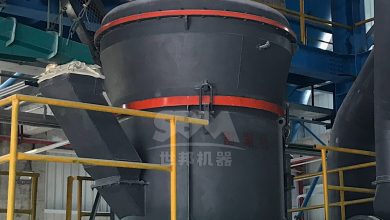
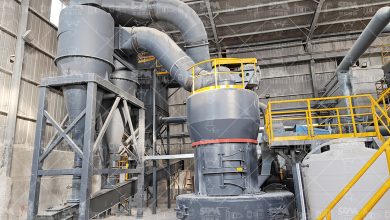
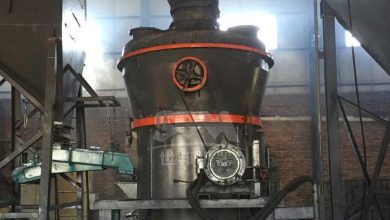
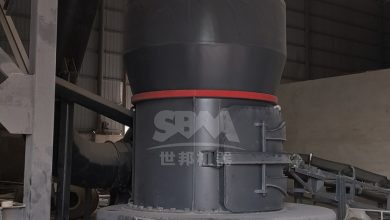
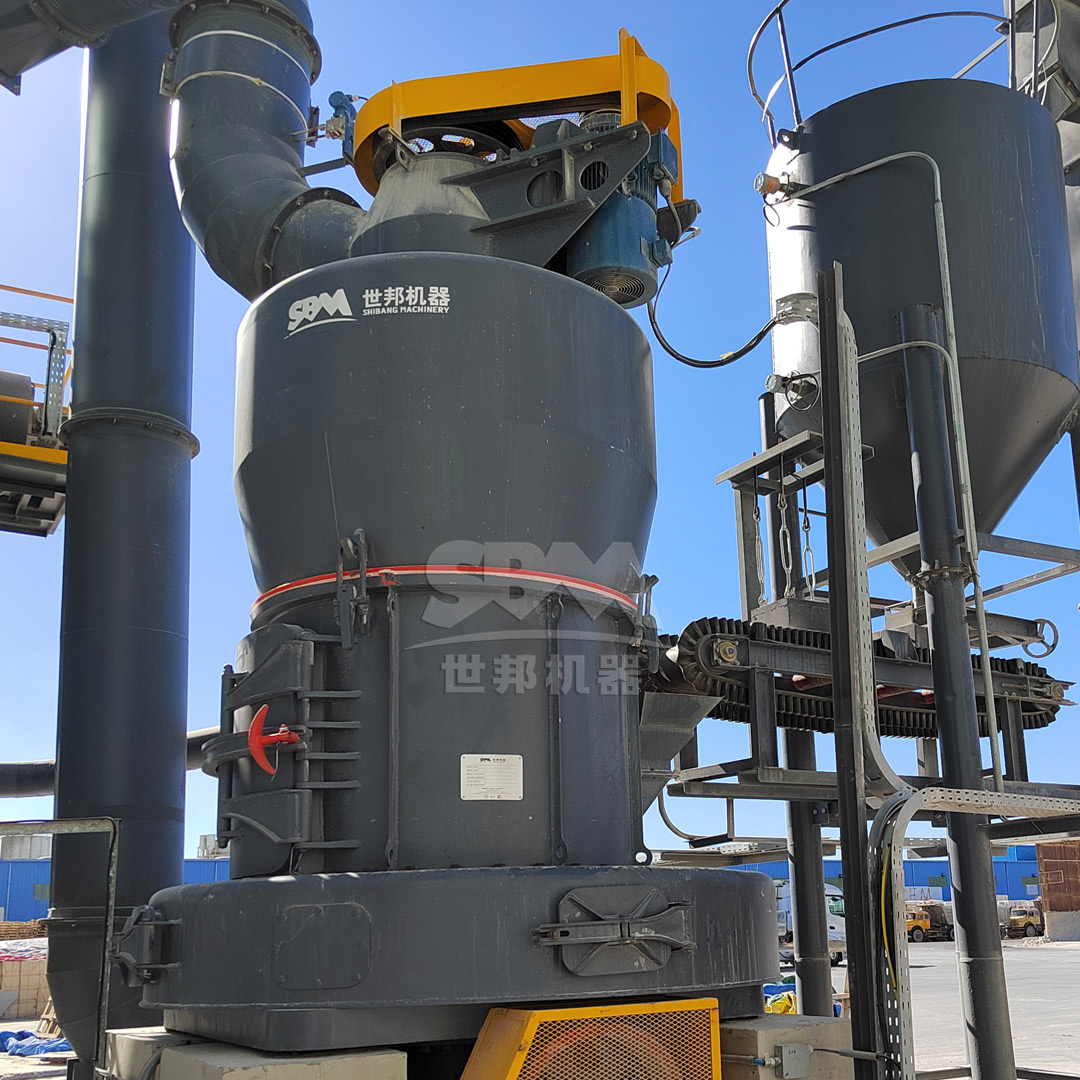
- Vertical Roller Mills (VRM): Increasingly popular in modern plants due to their significant energy savings (30-50% compared to ball mills). VRMs like our LM Series Vertical Roller Mill integrate crushing, grinding, drying, and classification in a single compact unit. The material is ground between rotating rollers and a stationary grinding table. For spodumene processing, the LM series is excellent for the pre-grinding or final grinding of concentrates, offering low wear rates, high drying capacity (if a dryer is needed), and excellent operational stability.
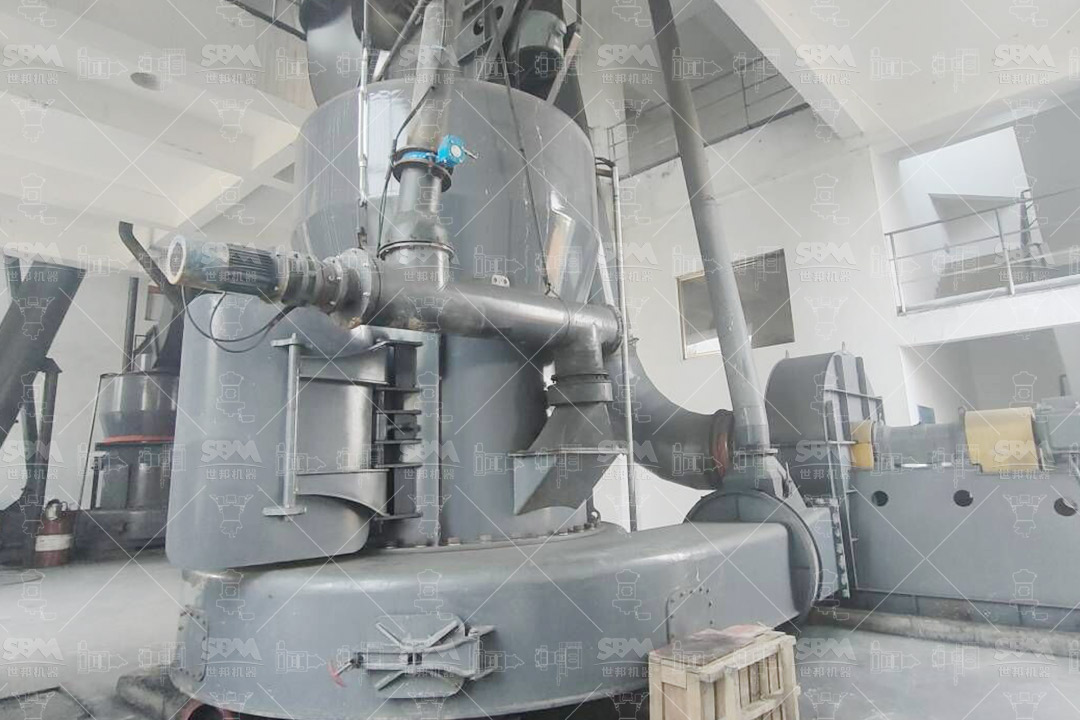
For operations requiring high-capacity, efficient grinding of spodumene concentrate to a medium fineness, our MTW Series European Trapezium Mill presents an outstanding solution. With its advanced curved air duct, integral transmission with bevel gears, and efficient wear-resistant design, the MTW series achieves high throughput (3-45 TPH) with lower energy consumption and maintenance costs. It is perfectly suited for producing powders in the 30-325 mesh range from feed sizes up to 50mm.
3. Ultra-Fine Grinding Mills
The final step often requires pulverizing the spodumene concentrate to a very fine, uniform powder (e.g., D97 ≤ 45μm or even finer). This maximizes surface area for the chemical conversion process.
- Stirred Media Mills: Often used for ultra-fine grinding but can have high media wear costs.
- Advanced Ring-Roller Mills: The preferred choice for efficient, controlled ultra-fine grinding. This is where technology like our SCM Ultrafine Mill excels. Specifically engineered for producing fine and ultra-fine powders from 325 to 2500 mesh (5-45μm), the SCM mill is ideal for the final processing stage of lithium spodumene concentrate.
Its vertical turbine classifier ensures precise particle size cuts with no coarse powder contamination. The grinding system, featuring special material rollers and rings, offers exceptional wear life. Most importantly, its energy efficiency is remarkable, providing twice the capacity of a jet mill while reducing energy consumption by 30%. For a lithium processing plant aiming for a high-value, consistently fine end-product, the SCM Ultrafine Mill is a critical piece of technology that enhances both product quality and process economics.
4. Classification and Separation Equipment
Grinding must be paired with accurate classification. Air classifiers (dynamic or static) are used in conjunction with grinding mills to separate fine product from coarse material that needs recirculation. Modern mills like the SCM and LM series have integrated high-efficiency classifiers. For flotation, hydrocyclones and screens are used for size separation in slurry.
5. Auxiliary Equipment
- Feeders: Ensure a consistent and controlled feed rate to crushers and mills.
- Conveyors: Transport material between process stages.
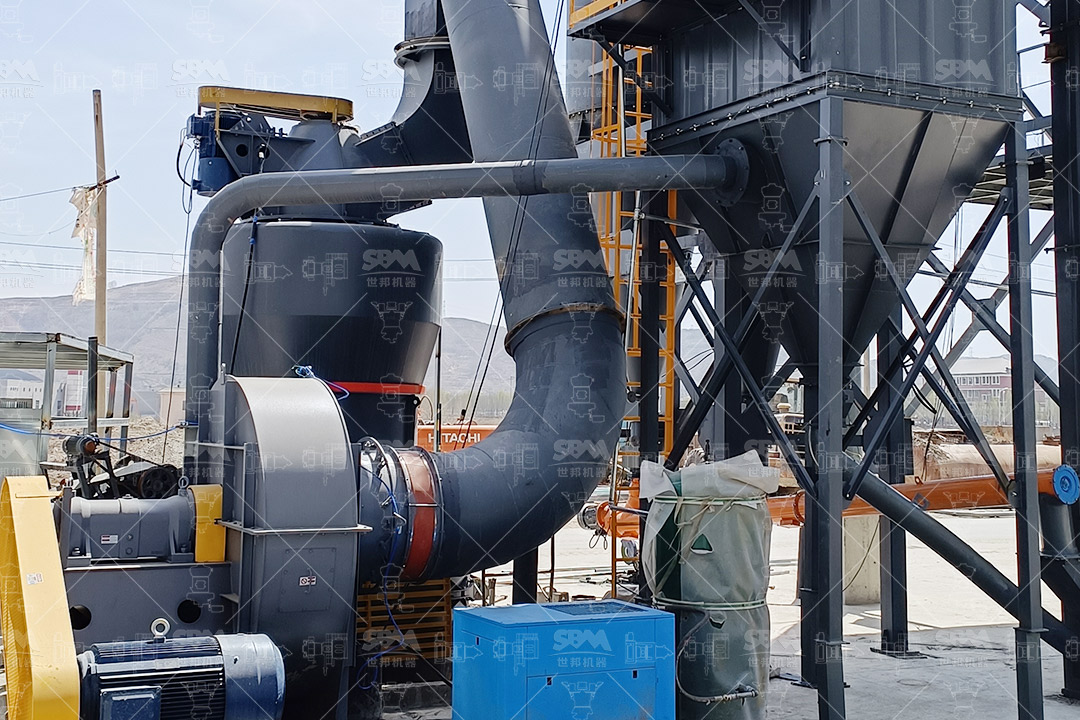
- Dust Collection Systems: Baghouse filters or cartridge collectors are essential for maintaining environmental standards and product recovery. Modern mills feature integrated pulse-jet dust collectors with efficiency rates over 99.9%.
- Process Control & Automation: PLC systems monitor and optimize the entire circuit, adjusting feed rates, mill loads, and classifier speeds for peak performance.
Conclusion: Selecting the Right Machinery Suite
The successful processing of lithium spodumene into battery-grade precursor material relies on a carefully designed and integrated equipment circuit. While robust crushers and reliable ball mills form the foundation, the shift towards higher efficiency and finer product specifications is driving the adoption of advanced grinding technologies like Vertical Roller Mills and Ultra-Fine Ring-Roller Mills.
Investing in energy-efficient, low-maintenance, and precisely controllable equipment such as the MTW Series Trapezium Mill for high-capacity medium-fine grinding and the SCM Ultrafine Mill for final product refinement is a strategic decision. This approach not only reduces operational costs and environmental footprint but also ensures the consistent production of high-quality spodumene powder that meets the stringent demands of the lithium battery supply chain. A holistic view of the entire process, from mine to mill to classifier, is essential for building a competitive and sustainable lithium spodumene processing operation.