How to Produce Construction Re-grinding Powder: A Complete Manufacturing Process Guide
Introduction
The production of high-quality construction re-grinding powder is a critical process in modern building material manufacturing. This fine powder, often derived from industrial by-products like slag, fly ash, or recycled concrete, serves as a supplementary cementitious material (SCM) or a key component in dry-mix mortars, plasters, and other value-added products. The quality, consistency, and fineness of the powder directly impact the performance, strength, and durability of the final construction material. This guide provides a comprehensive overview of the complete manufacturing process, from raw material selection to final packaging, with a focus on the pivotal role of advanced grinding technology.
1. Raw Material Selection and Pre-Treatment
The journey begins with the careful selection of raw materials. Common sources include:
- Granulated Blast Furnace Slag (GBFS): A glassy granular material formed by rapid quenching of molten slag from iron production. Its latent hydraulic properties make it an excellent SCM.
- Fly Ash: A fine particulate by-product from coal-fired power plants, classified as Class F or Class C based on its chemical composition.
- Recycled Construction & Demolition (C&D) Waste: Processed concrete, bricks, and ceramics can be ground into powder for use as fillers or partial cement replacements.
Pre-treatment is essential to ensure grindability and final product quality. This stage typically involves:
- Drying: Moisture content must be reduced, typically below 1-2%, to prevent clogging in the grinding mill and ensure efficient milling. Rotary dryers or flash dryers are commonly used.
- Pre-Crushing: Large chunks of material are reduced to a consistent feed size suitable for the grinding mill, usually below 50mm. Jaw crushers or impact crushers perform this task.
- Iron Removal: Metallic impurities, especially in slag and C&D waste, must be extracted using magnetic separators to protect the grinding equipment and ensure product purity.
2. The Core Process: Fine and Ultrafine Grinding
This is the heart of re-grinding powder production. The choice of grinding technology determines the powder’s fineness (specific surface area or particle size distribution), energy efficiency, and overall production cost. The goal is to achieve a high Blaine fineness (e.g., >420 m²/kg for slag) or a controlled particle size distribution (e.g., D97 ≤ 45μm or even ≤ 5μm for high-value applications).
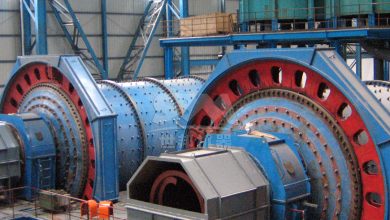
Traditional ball mills are being increasingly replaced by more efficient vertical roller mills and specialized ultrafine grinding systems. The selection depends on the target fineness and required capacity.
2.1 For Standard Fineness (325-45 mesh / 45-500μm)
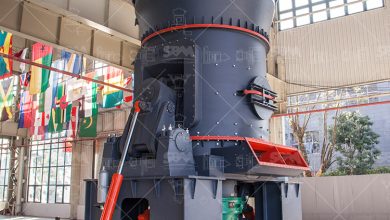
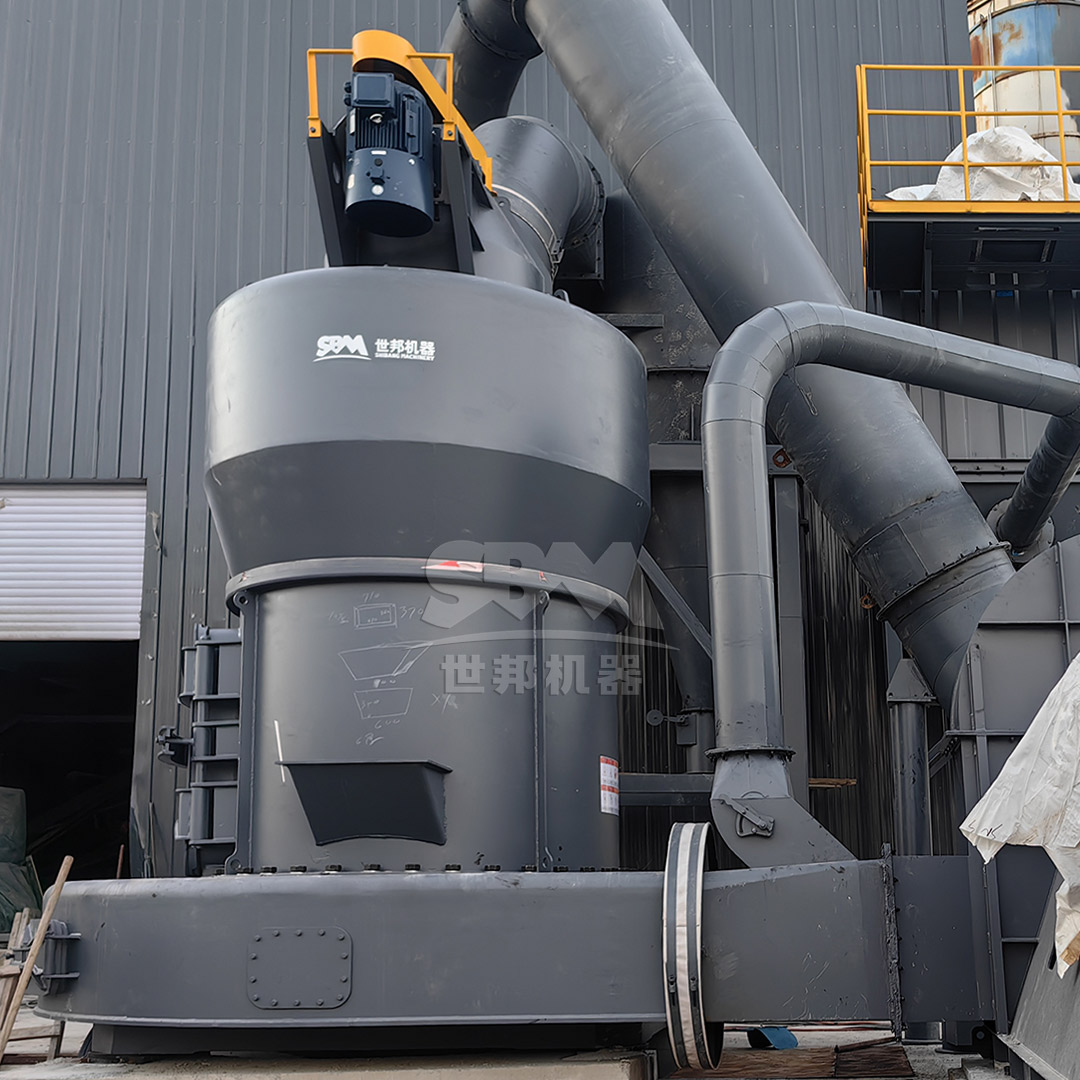
For producing powder in the range of 30-325 mesh (0.6mm to 45μm), robust and high-capacity mills are ideal. We highly recommend our MTW Series European Trapezium Mill for this application segment.
The MTW Mill excels in grinding slag, fly ash, and similar materials to a consistent medium fineness. Its advantages include:
- High Capacity & Efficiency: With models offering capacities from 3 to 45 tons per hour, it meets large-scale production demands. The curved air duct and efficient impeller design minimize airflow resistance and energy loss.
- Durability & Low Maintenance: The wear-resistant shovel blade design and easily replaceable combined blade tips significantly reduce maintenance downtime and costs. The integral transmission with bevel gear ensures stable, high-efficiency (up to 98%) power delivery.
- Precise Classification: An internal powder classifier ensures accurate particle size cut-off, preventing coarse particles from contaminating the final product.
For a project requiring a reliable output of 15-45 t/h of slag powder at 325 mesh, the MTW215G model would be a perfect fit, featuring a 280kW main motor and a comprehensive system designed for continuous, stable operation.
2.2 For Ultrafine and High-Value Fineness (2500-325 mesh / 5-45μm)
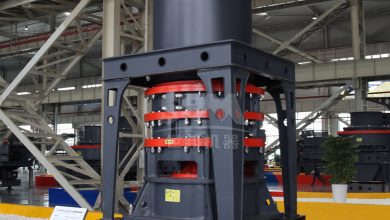
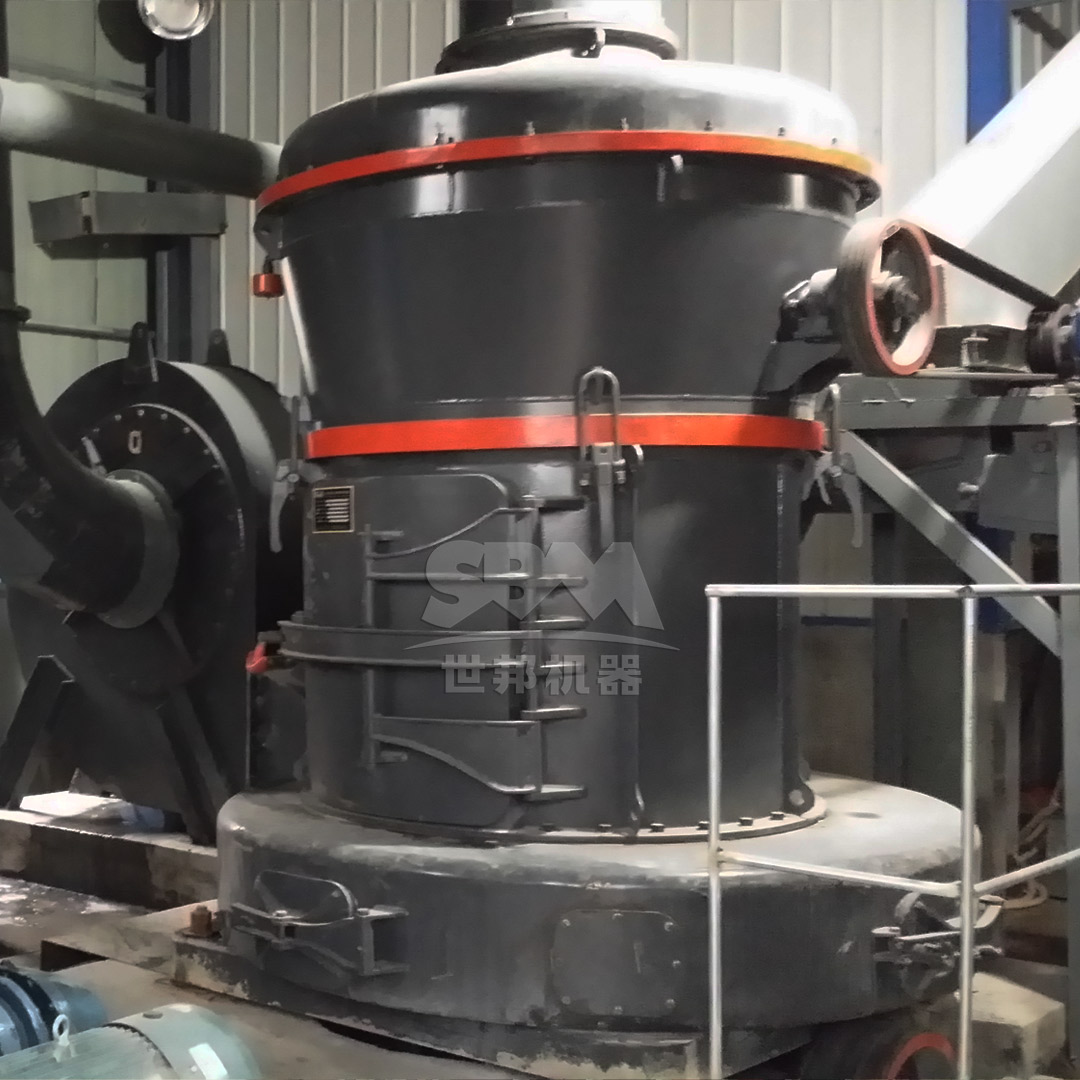
When the application demands ultrafine powder for high-performance concrete, advanced composites, or specialty coatings, grinding technology must deliver exceptional fineness and narrow particle distribution. This is where our flagship SCM Ultrafine Mill becomes the technology of choice.
The SCM Ultrafine Mill is engineered to produce powders ranging from 325 to 2500 mesh (45μm down to 5μm D97). Its core benefits for premium re-grinding powder are:
- Unmatched Fineness & Uniformity: Equipped with a high-precision vertical turbine classifier, it achieves sharp particle size cuts, ensuring no coarse grit is mixed into the final product. This uniformity is critical for enhancing the pozzolanic activity and packing density of SCMs.
- Superior Energy Efficiency: Compared to traditional jet mills, the SCM Mill can double the production capacity while reducing energy consumption by approximately 30%, thanks to its layered grinding principle and intelligent control system that auto-adjusts for target fineness.
- Exceptional Reliability: The grinding rollers and ring are made from special wear-resistant materials, extending service life multiple times. The innovative bearingless screw design in the grinding chamber enhances operational stability.
- Eco-Friendly Operation: The mill system integrates a high-efficiency pulse dust collector exceeding international standards and features soundproofing measures to keep noise levels below 75dB.
For producing highly reactive ultrafine slag powder (over 600 m²/kg), the SCM1000 or SCM1250 models, with capacities of 1.0-8.5 t/h and 2.5-14 t/h respectively, offer an optimal balance of performance and investment.
3. Post-Grinding Processing: Collection, Classification, and Storage
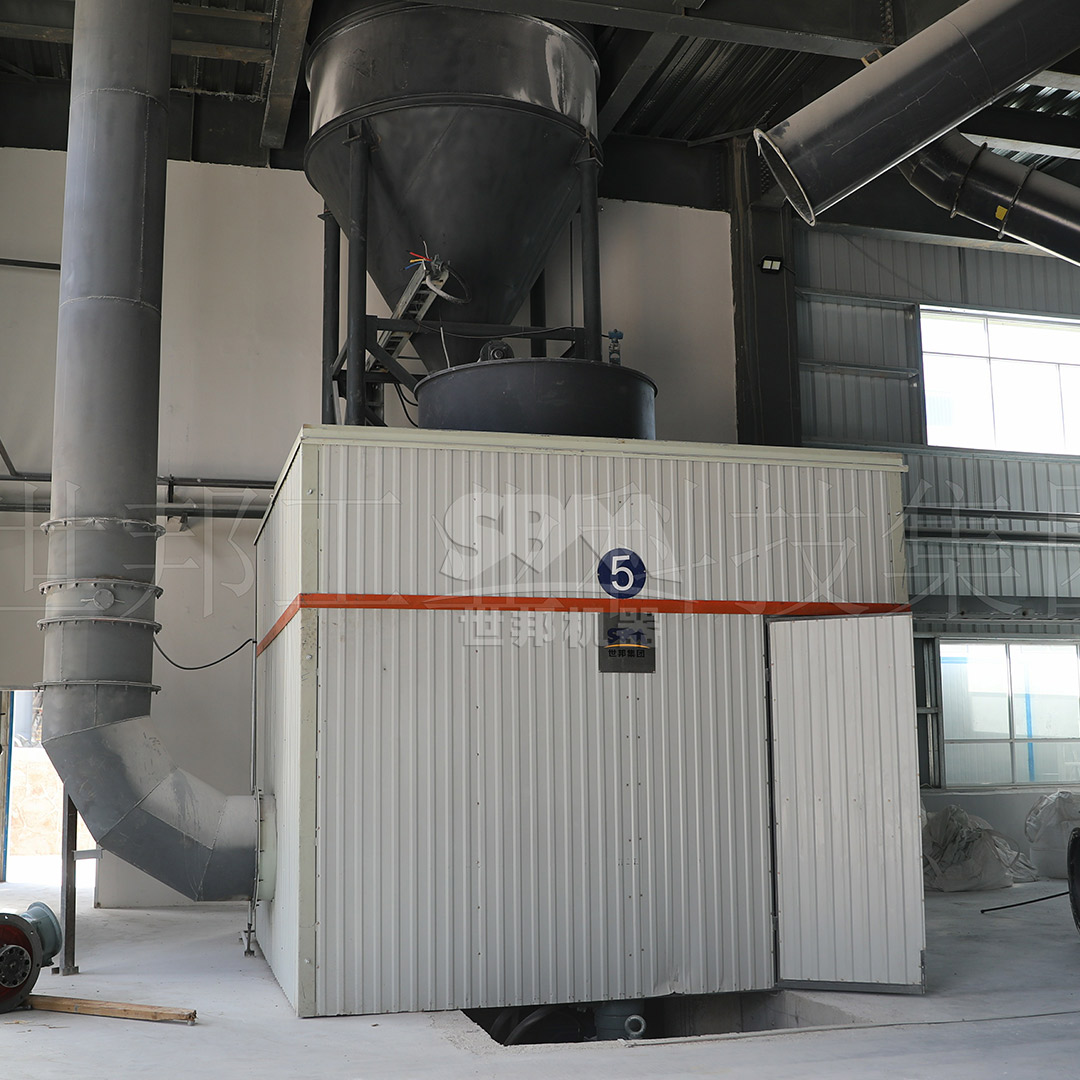
Once ground, the fine powder is transported by airflow to the collection system.
- Cyclone Collector: The primary collector separates the bulk of the product powder from the air stream.
- Baghouse/Pulse Dust Collector: This final-stage environmental control device captures the remaining ultrafine particles, ensuring emission levels are well below regulatory limits (e.g., <20 mg/m³) and maximizing product yield. The collected powder is conveyed to the next stage.
- Optional Secondary Classification: For applications requiring extremely tight particle size distributions, an external air classifier (e.g., a turbo classifier) can be installed after the mill to further refine the product.
- Storage: The finished powder is pneumatically conveyed to large silos for storage. Silos must be designed with proper aeration pads or fluidization systems to prevent compaction and ensure smooth discharge. Moisture ingress must be strictly prevented.
4. Quality Control, Packaging, and Dispatch
Rigorous quality control is integrated throughout the process.
- Online Monitoring: Modern mills are equipped with PLC systems that monitor key parameters like motor load, bearing temperature, and fan pressure.
- Laboratory Testing: Regular samples are taken to test for fineness (Blaine or laser particle size analysis), chemical composition, moisture content, and activity index (e.g., strength contribution compared to cement).
- Packaging: Based on customer requirements, the powder can be dispatched in bulk tankers or packaged in valve sacks (typically 25kg or 1-ton big bags) using automated packing machines.
Conclusion
Producing high-quality construction re-grinding powder is a sophisticated process that hinges on selecting the right raw materials and, most importantly, the appropriate grinding technology. Moving beyond inefficient traditional methods to advanced, energy-efficient mills like the SCM Ultrafine Mill for premium products or the high-capacity MTW Trapezium Mill for standard grades is key to achieving profitability, product excellence, and environmental sustainability. By understanding and optimizing each step—from pre-treatment and precision grinding to efficient collection and quality assurance—manufacturers can transform industrial by-products into valuable, high-performance construction materials that meet the demanding standards of the modern building industry.