How to Choose the Right Industrial Bentonite Grinding Mill?
Introduction
Bentonite, a versatile clay mineral prized for its swelling, adsorption, and binding properties, is a cornerstone material in numerous industries including foundry, drilling, construction, and environmental remediation. The performance of bentonite in its final application is intrinsically linked to its particle size distribution and purity, which are directly determined by the grinding process. Selecting the optimal industrial bentonite grinding mill is therefore not merely an equipment purchase; it is a critical strategic decision impacting product quality, production efficiency, operational costs, and long-term profitability. This comprehensive guide will navigate you through the key factors to consider and introduce high-performance solutions tailored for bentonite processing.
Key Factors in Selecting a Bentonite Grinding Mill
1. Desired Final Product Fineness
The required particle size is the primary driver in mill selection. Bentonite applications demand a wide range of fineness:
- Coarse Grinding (30-100 mesh / 600-150μm): Often sufficient for cat litter, agricultural carriers, and some construction sealants.
- Medium-Fine Grinding (100-325 mesh / 150-45μm): The standard range for drilling mud, iron ore pelletizing, and basic binding applications.
- Superfine & Ultrafine Grinding (325-2500 mesh / 45-5μm and below): Essential for high-performance nanoclay, pharmaceutical, cosmetic, and advanced composite materials where surface area and reactivity are paramount.
Your target fineness will immediately narrow down suitable mill types, as not all technologies can efficiently reach the ultrafine spectrum.
2. Required Production Capacity (Ton/Hour)
Capacity needs must align with both current and projected future demand. It’s crucial to evaluate the mill’s throughput not just at a single fineness but across the range you may require. Over-sizing leads to unnecessary capital expenditure and energy waste, while under-sizing creates production bottlenecks. Consider the mill’s efficiency curve—how its output changes with different product fineness settings.
3. Physical and Chemical Properties of Feed Material
Understanding your raw bentonite is vital:
- Moisture Content: High moisture (>8-10%) can cause clogging in some dry mills, necessitating pre-drying or pointing towards certain mill designs better equipped for slightly damp material.
- Hardness & Abrasiveness: While bentonite is generally soft (Mohs hardness ~1.5), associated impurities can be abrasive. This affects wear part (roller, ring, liner) material selection and maintenance intervals.
- Feed Size: The maximum size of the raw bentonite lumps from the mine or after primary crushing determines the mill’s required inlet size and internal design robustness.
4. Energy Efficiency and Operating Costs
Grinding is an energy-intensive process. The specific energy consumption (kWh/ton) is a critical metric. Modern, purpose-designed mills like advanced vertical roller mills or ultrafine mills often offer significantly lower energy consumption per ton of product compared to older technologies like traditional Raymond mills or ball mills, leading to substantial operational savings.
5. System Integration and Footprint
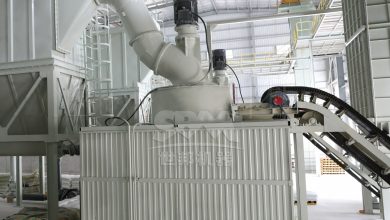
Consider the complete grinding system: feeding device, mill host, classifier, dust collector, piping, and electrical controls. A compact, integrated design reduces plant footprint, simplifies installation, and minimizes inter-equipment transfer losses. Some modern mills offer highly centralized systems.
6. Environmental Compliance and Noise
Industrial operations must meet strict environmental standards. Key considerations include:
- Dust Emission: A fully sealed negative-pressure grinding system with an efficient pulse-jet bag filter is essential to keep dust emissions well below regulatory limits (<20 mg/m³).
- Noise Pollution: Mills equipped with soundproofing enclosures or designed with low-noise principles (e.g., ≤75 dB) are necessary for worker safety and community relations.
Overview of Common Grinding Mill Technologies for Bentonite
Raymond Mill (or Pendulum Roller Mill)
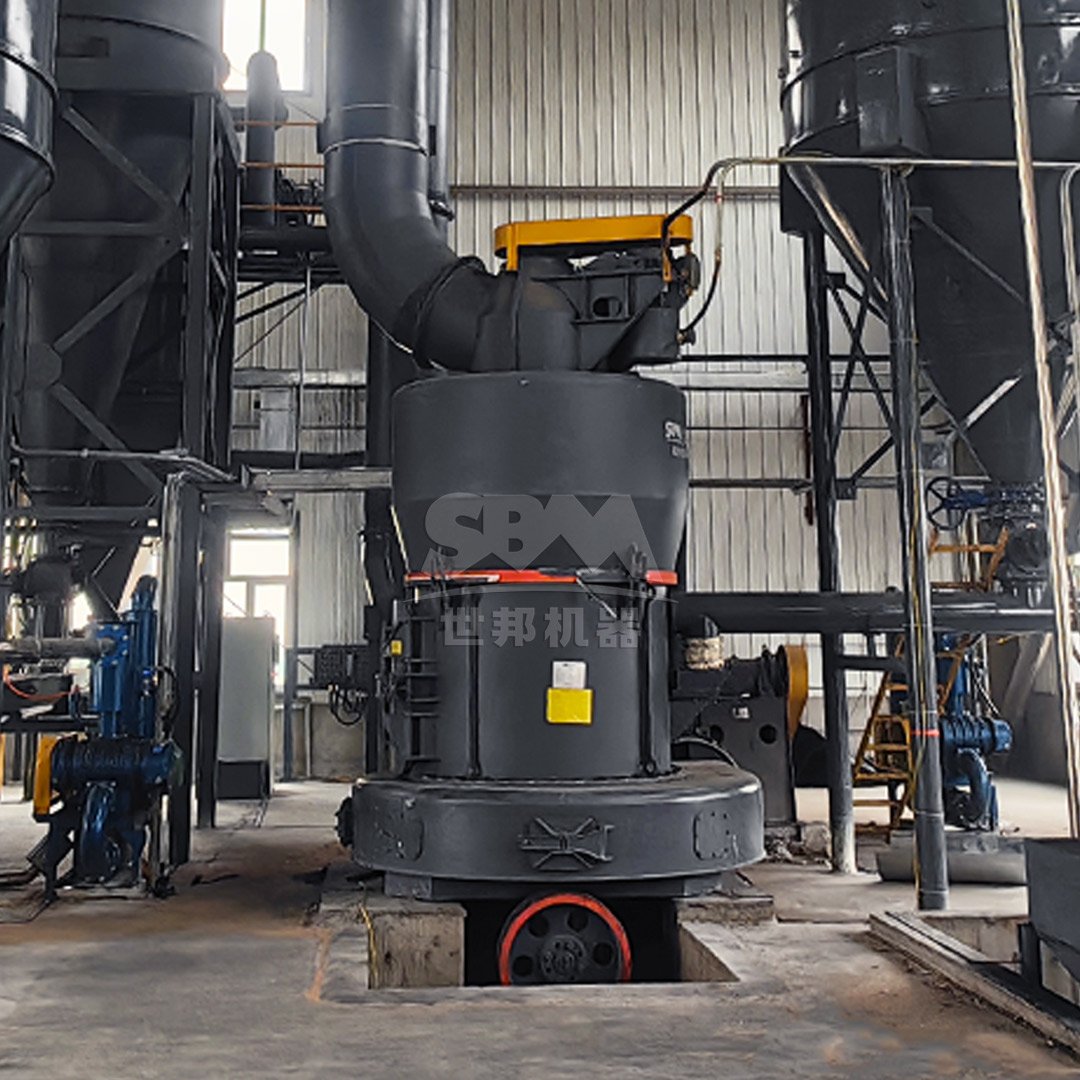
A traditional workhorse for medium-fine grinding (30-325 mesh). It operates on the principle of centrifugal grinding where rollers swing outward to press against a stationary ring. Suitable for moderate capacity requirements but may have higher energy consumption and lower precision for ultrafine products compared to newer designs.
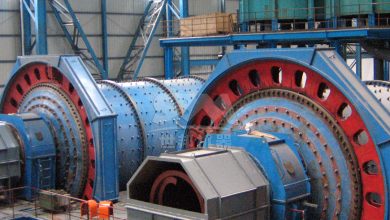
Ball Mill
A versatile but often less efficient option for bentonite. It uses steel balls in a rotating cylinder to crush material via impact and attrition. While capable of a wide fineness range, it is generally less energy-efficient, has a larger footprint, and produces a broader particle size distribution compared to vertical mills, especially for fine grinding.
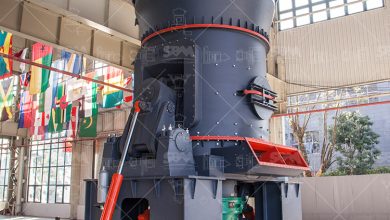
Vertical Roller Mill (VRM)
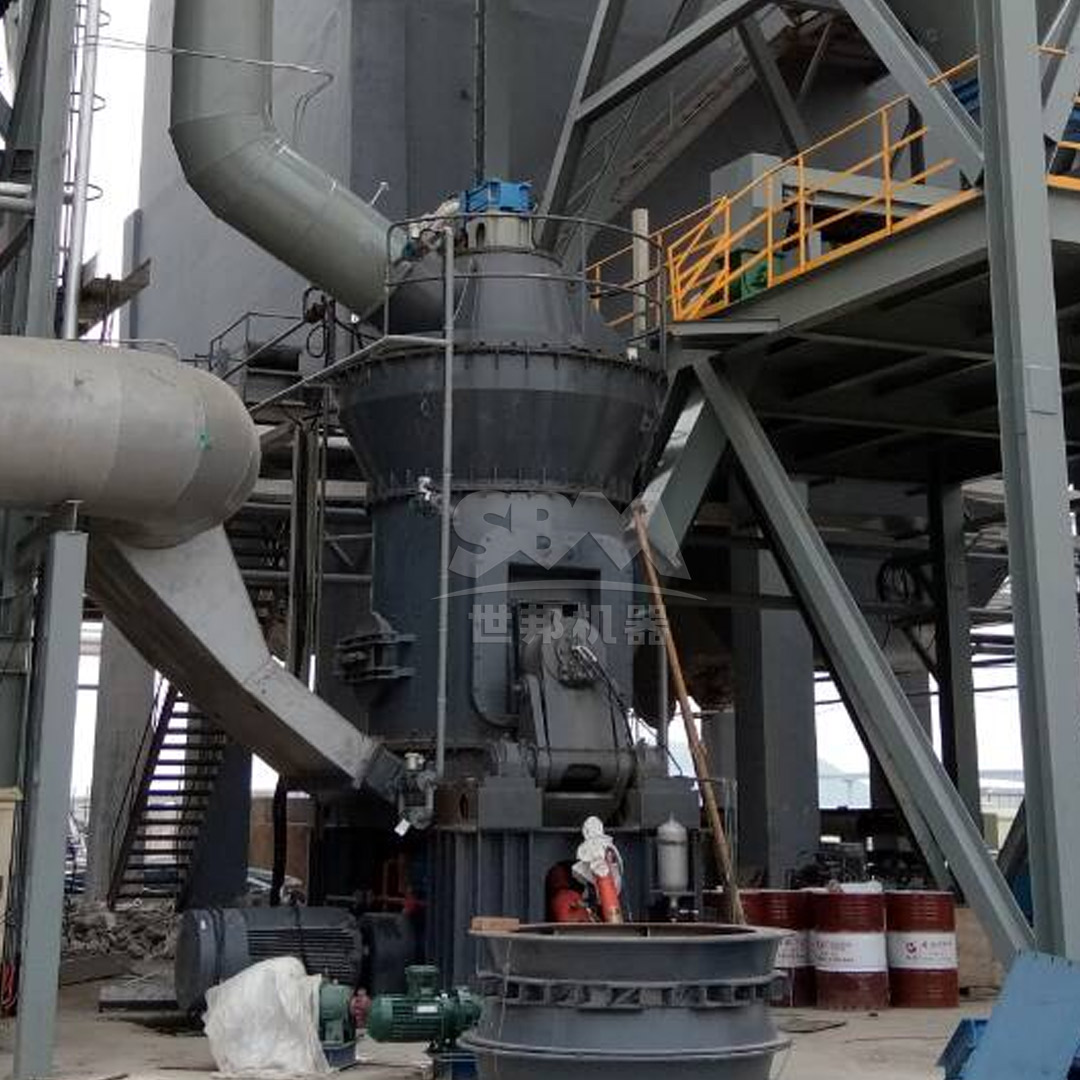
This has become a preferred technology for medium to large-scale bentonite grinding (30-600 mesh). Material is ground between rotating rollers and a grinding table. VRMs offer excellent energy efficiency (30-50% less than ball mills), lower noise, integrated drying (if equipped with a hot air generator), and a compact design. They are ideal for producing consistent products in the 100-400 mesh range at high throughput.
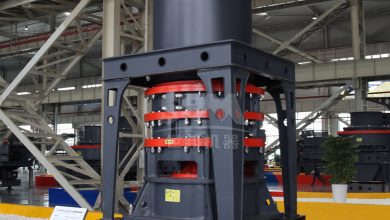
Ultrafine Grinding Mill
For producing high-value superfine and ultrafine bentonite (325-2500 mesh), specialized mills are required. These often integrate multiple grinding stages with high-precision, forced vortex air classifiers. They are engineered for precise particle size control, narrow distribution, and high surface area activation, which is critical for premium bentonite applications.
Recommended Solutions for Bentonite Grinding
Based on the diverse needs of bentonite processing, we recommend focusing on two advanced mill series that cover the vast majority of industrial requirements with superior efficiency and reliability.
1. For High-Capacity, Efficient Fine to Medium-Fine Grinding: MTW Series Trapezium Mill
When your operation demands robust, high-volume production in the 30-325 mesh range, the MTW Series Trapezium Mill stands out as an optimal choice. This next-generation European-style mill incorporates significant advancements over traditional designs.
Why it excels for bentonite:
- High Efficiency & Capacity: With capacities from 3 to 45 tons per hour, it handles large-scale production easily. Its curved air duct and efficient impeller design minimize airflow resistance and recirculation, directly boosting throughput and reducing energy loss.
- Superior Wear Resistance: The modular wear plate design for the shovel and the curved surface of the grinding roller extend service life significantly, reducing maintenance frequency and cost—a key factor for continuous operation.
- Precise Classification: The integrated high-density classifier ensures sharp cuts and consistent product fineness, which is crucial for meeting specifications in applications like drilling mud.
- Environmental Performance: The system is designed for compatibility with high-efficiency pulse dust collectors, ensuring clean operation that meets international emission standards.
For a mid-to-large scale bentonite plant aiming for reliable, cost-effective production of standard-grade products, the MTW series, particularly models like the MTW215G (handling up to 45 TPH), offers an outstanding balance of performance and operational economy.
2. For Premium Superfine and Ultrafine Bentonite Production: SCM Series Ultrafine Mill
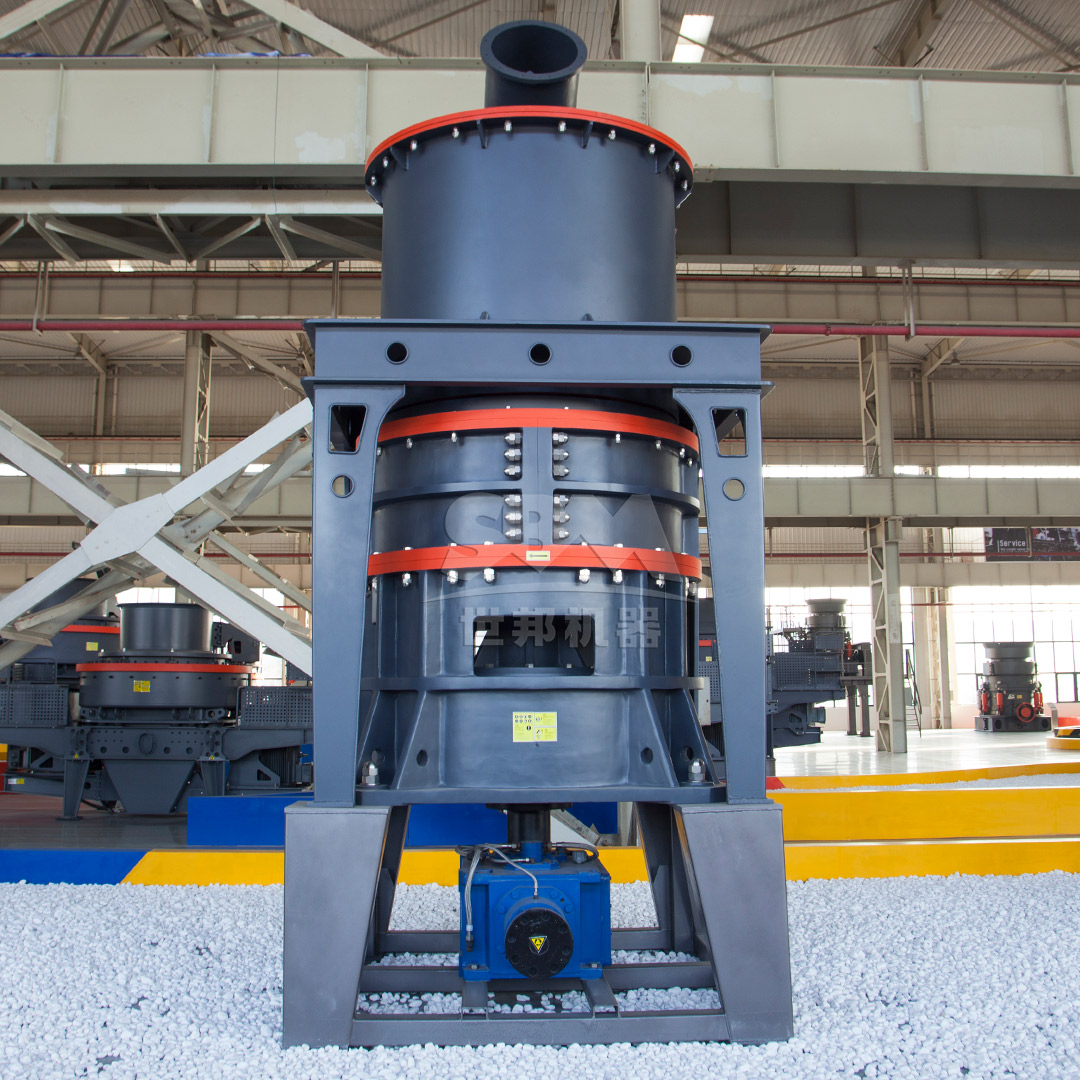
To unlock the highest value from bentonite by producing ultrafine powders (325-2500 mesh / D97 ≤ 5μm) for advanced applications, the SCM Ultrafine Mill is the definitive technology.
Why it is the benchmark for ultrafine bentonite:
- Unmatched Fineness & Precision: Equipped with a high-precision vertical turbine classifier, the SCM mill achieves stable production down to 5μm (2500 mesh) with a narrow particle size distribution. This ensures no coarse particles contaminate the final product, which is vital for nanoclay and specialty chemical uses.
- Exceptional Energy Efficiency: Its grinding mechanism is remarkably efficient, achieving outputs that can be twice that of some jet mills while reducing energy consumption by up to 30%. This makes ultrafine production commercially viable.
- Intelligent & Stable Operation: The use of a no-bolt, spline-linked grinding roller structure enhances stability and reduces vibration. Coupled with intelligent control systems that auto-adjust for consistent fineness, it ensures hassle-free, continuous operation.
- Eco-Friendly Design: The mill operates under full negative pressure, achieving a dust leakage rate of nearly zero. Combined with effective sound insulation, it creates a clean and quiet working environment.
For producers targeting the pharmaceutical, high-performance polymer, or advanced cosmetics markets, the SCM series, such as the SCM1250 model (2.5-14 TPH capacity), provides the technological edge needed to produce consistently superior ultrafine bentonite powder.
Conclusion
Selecting the right bentonite grinding mill is a multifaceted decision that hinges on a clear understanding of your product goals, scale, and operational constraints. While traditional mills have their place, modern technologies like the MTW Series Trapezium Mill for high-volume fine grinding and the SCM Series Ultrafine Mill for premium superfine products represent the future of efficient, reliable, and profitable bentonite processing. By investing in the correct technology from the outset, you ensure optimal product quality, minimized operating costs, and a strong competitive position in the evolving bentonite market. We recommend consulting with our technical experts to analyze your specific bentonite sample and production objectives, ensuring the selected mill configuration delivers maximum return on investment.