Application of Iron Ore Vertical Mill in Dry Processing of Iron Ore
Introduction
The global iron ore industry is undergoing a significant transformation, driven by the dual imperatives of operational efficiency and environmental sustainability. Traditional wet processing methods, while effective, are increasingly scrutinized for their high water consumption, tailings management challenges, and energy intensity, particularly in arid regions or where water resources are scarce. In this context, dry processing of iron ore has emerged as a compelling alternative, offering a pathway to reduce water usage, minimize environmental footprint, and lower overall operational costs. At the heart of an efficient dry processing circuit lies the comminution stage, where vertical roller mills (VRMs) have proven to be a game-changing technology. This article explores the pivotal role of vertical mills in dry iron ore processing, highlighting their operational advantages, technological synergies, and the specific solutions offered by our company’s advanced grinding equipment.
The Shift Towards Dry Processing of Iron Ore
Dry processing involves the liberation and beneficiation of iron ore without the addition of water. This method is particularly suitable for ores that are naturally dry, have low clay content, or where the final product specification (e.g., for direct reduction processes) demands low moisture. The key benefits include:
- Water Conservation: Eliminates the need for process water and associated tailings dams, a critical advantage in water-stressed mining regions.
- Reduced Tailings Risk: Mitigates the risks associated with tailings dam failures and long-term environmental liabilities.
- Lower Energy Consumption: Eliminates the energy required for slurry pumping, thickening, and filtration.
- Simplified Logistics: Dry, fine ore powder is often easier and cheaper to transport, handle, and store compared to wet filter cakes or pellets in some logistical chains.
The success of dry processing hinges on achieving efficient size reduction to liberate iron minerals from the gangue, followed by effective dry separation (e.g., using magnetic or electrostatic separators). The grinding stage, therefore, must deliver a consistent, controlled product size with high energy efficiency.
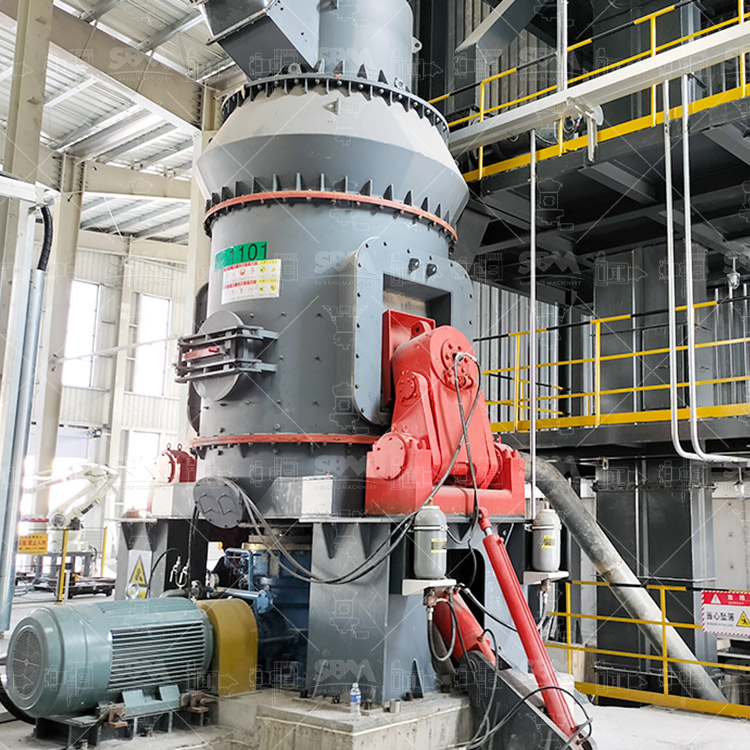
Vertical Roller Mills: The Optimal Choice for Dry Grinding
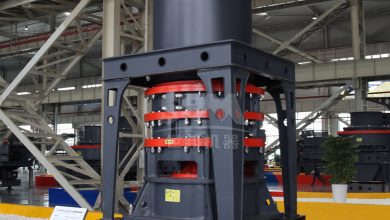
Vertical Roller Mills have superseded traditional ball mills and rod mills in many dry grinding applications due to their superior design and operating principles. A VRM for iron ore typically consists of a rotating grinding table, rollers that apply pressure to the material bed on the table, an integrated dynamic classifier, and a hot gas generator for material transport and drying if required.
Key Advantages of VRMs in Iron Ore Application:
- High Grinding Efficiency & Energy Savings: VRMs operate on the principle of inter-particle comminution in a material bed, which is far more efficient than the impact and attrition mechanisms in ball mills. This can lead to specific energy savings of 30-50% compared to conventional systems. The ability to combine grinding, drying (if residual moisture exists), and classification in a single unit further enhances overall system efficiency.
- Precise Particle Size Control: The integrated dynamic classifier allows for real-time adjustment of the product fineness. This is crucial for downstream dry separation processes, as the liberation degree and particle size distribution directly impact the efficiency of magnetic or electrostatic separators.
- Excellent Drying Capability: Hot gases (often from a dedicated hot gas generator) can be introduced into the mill housing, simultaneously drying the feed material while it is being ground. This is ideal for ores with minor surface moisture.
- Compact Footprint & Lower Noise: VRMs have a significantly smaller footprint than equivalent-capacity ball mill circuits. Their enclosed design also results in lower noise levels and contained dust emissions, contributing to a better working environment.
- Robustness & Availability: Modern VRMs are designed with durable wear materials for grinding elements (rollers and table liners) and feature advanced hydraulic systems for roller positioning and control, ensuring high operational availability and lower maintenance costs per ton of ore processed.
Integrating Our Advanced Vertical Mill Solutions
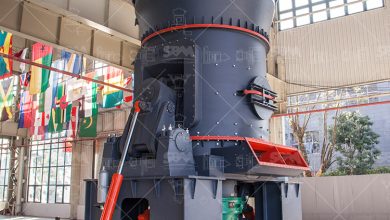
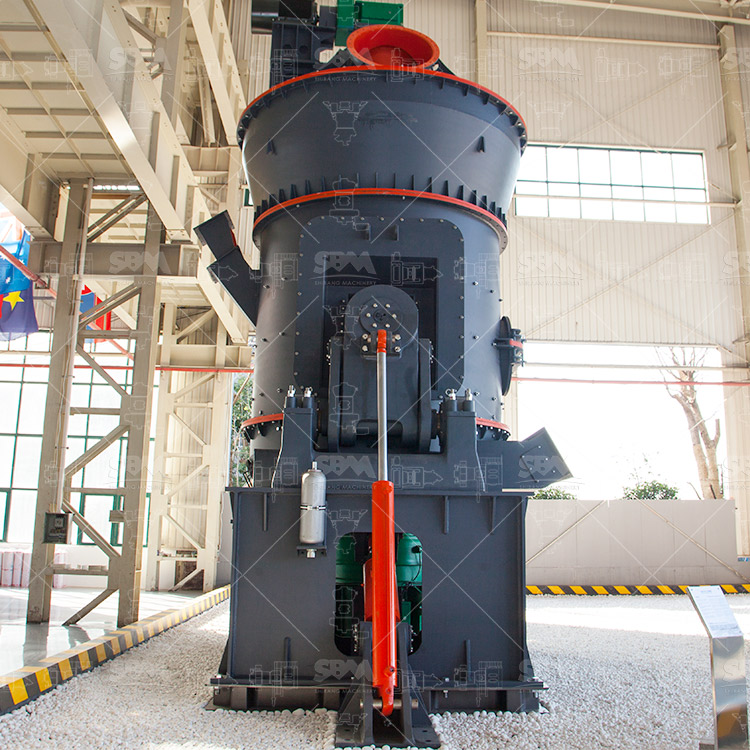
Selecting the right grinding technology is paramount for the economic viability of a dry iron ore processing plant. Our company offers a range of vertical milling solutions engineered to meet the rigorous demands of mineral processing. For dry iron ore applications requiring high capacity and robust performance, our LM Series Vertical Roller Mill stands out as an industry-leading solution.
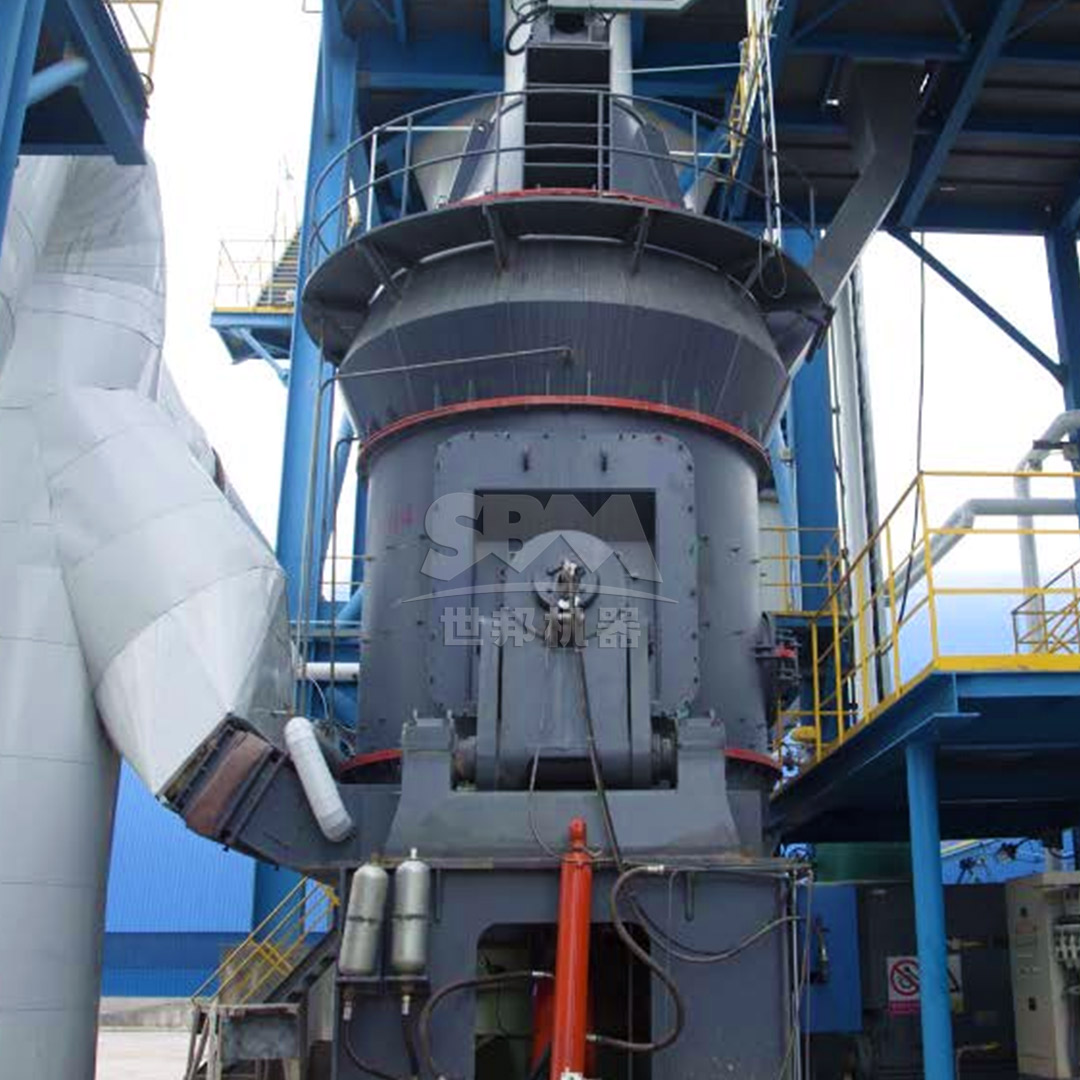
The LM Series Vertical Roller Mill is specifically designed for large-scale, efficient grinding of non-metallic minerals, coal, and slag. Its application in dry iron ore processing is characterized by several critical features:
- High Capacity & Flexibility: With models offering capacities from 3 to over 250 tons per hour (e.g., LM220K at 36-105 t/h, LM280K at 50-170 t/h), the LM series can be scaled to match any project requirement. It handles feed sizes up to 50mm and produces a fineness in the range of 30-325 mesh (600-45μm), which is ideal for subsequent liberation and separation.
- Exceptional Energy Efficiency: The mill’s grinding mechanism reduces energy consumption by 30-40% compared to traditional ball mill systems, a major contributor to lowering the overall cost per ton of processed ore.
- Intelligent Control System: It comes equipped with an expert-level automatic control system that allows for remote monitoring and operation. The system stabilizes the grinding process, optimizes power consumption, and ensures consistent product quality by automatically adjusting parameters like grinding pressure and classifier speed.
- Proven Durability & Low Wear: Featuring a non-contact design between the grinding rollers and the table during idle operation and the use of special alloy wear parts, the operational life of key components is dramatically extended. The modular design of the roller assembly allows for quick replacement, minimizing downtime.
- Environmental Compliance: The fully sealed, negative-pressure operation ensures dust emissions are kept below 20 mg/m³, while operational noise is controlled to ≤80 dB(A), meeting stringent international environmental standards.
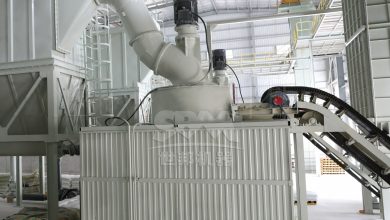
For projects requiring the production of ultra-fine iron oxide powders or where a very narrow particle size distribution is critical for advanced applications, our SCM Series Ultrafine Mill provides unparalleled precision. Capable of achieving fineness levels between 325 and 2500 mesh (D97 ≤5μm), the SCM mill is the tool of choice for high-value, specialized iron ore products. Its vertical turbine classifier guarantees precise cut-points and uniform product quality, while its efficient design offers twice the capacity of jet mills with 30% lower energy consumption.
System Design and Operational Considerations
Implementing a VRM in a dry iron ore circuit requires careful system design. The feed material must be pre-crushed to the mill’s specified inlet size (e.g., ≤50mm for the LM series). A reliable feeding system, often with metal detection and removal, is essential. The ground product is transported by the process air to the integrated dynamic classifier, where oversized particles are rejected and returned to the grinding table. The fine product is then collected in a downstream baghouse filter or cyclone system.
Key operational parameters to monitor and control include:
- Grinding pressure (hydraulic system pressure).
- Mill vibration.
- Differential pressure across the mill.
- Product fineness (via classifier speed).
- Gas flow and temperature.
Proper maintenance planning, focusing on wear part inspection and replacement cycles for grinding rollers, table segments, and classifier blades, is crucial for long-term, cost-effective operation.
Conclusion
The adoption of dry processing routes for iron ore represents a forward-looking approach to sustainable and cost-effective mining. Within this paradigm, the Vertical Roller Mill has established itself as the core technology for the comminution stage, offering unmatched efficiency, control, and environmental performance. Our company’s LM Series Vertical Roller Mill, with its robust design, high capacity, and intelligent operation, provides a proven and reliable solution for large-scale dry iron ore grinding. For ultra-fine processing needs, the SCM Ultrafine Mill delivers exceptional precision and quality. By integrating these advanced vertical milling technologies, iron ore producers can build more resilient, efficient, and environmentally responsible operations for the future.