What are the requirements for tile quartz powder and how is the production line set up?
Introduction
The ceramic tile industry relies heavily on high-quality quartz powder as a key raw material. Quartz powder, with its inherent properties of hardness, chemical inertness, and thermal stability, significantly enhances the mechanical strength, wear resistance, and aesthetic appeal of the final tile product. Producing quartz powder that meets the stringent specifications of modern tile manufacturing requires a deep understanding of material requirements and a precisely engineered production line. This article delves into the critical quality parameters for tile-grade quartz powder and outlines a comprehensive setup for an efficient and reliable production line.
Key Requirements for Tile Quartz Powder
The performance of quartz powder in tile bodies and glazes is governed by several interconnected physical and chemical properties. Failure to meet these standards can lead to defects, reduced strength, or production issues.
1. Chemical Purity and Composition
The primary requirement is a high SiO2 content, typically exceeding 98.5% for premium applications. Impurities such as Fe2O3, Al2O3, and TiO2 must be strictly controlled. High iron content (>0.1%) can cause undesirable yellowing or speckling in white-bodied tiles, while excessive alumina can affect sintering behavior. Consistent chemical composition is vital for batch-to-batch uniformity in tile production.
2. Particle Size Distribution (PSD) and Fineness
This is arguably the most critical parameter. The PSD directly influences tile density, sintering kinetics, and final surface quality.
- Fineness Range: For body applications, a common target is a top cut of 45-63 microns (230-325 mesh), with a significant portion in the finer fractions. For high-end engobes or special effects, ultra-fine powders in the range of 5-20 microns (625-2500 mesh) are required.
- Distribution Curve: A controlled, narrow, and consistent PSD is preferred. A wide distribution can lead to poor packing density, while an excessively narrow one might hinder green strength. The D50 (median diameter) and D97 (97% of particles are below this size) are key control points.
3. Whiteness and Brightness
For white and light-colored tiles, the powder must have high whiteness (L* value > 92) and brightness. This is primarily a function of chemical purity (low iron/titanium) but is also influenced by the grinding process, which should not introduce contamination or cause excessive heat that might alter mineral color.
4. Moisture Content
Powder must be dry, typically with moisture content below 0.5%. High moisture can cause clogging in pneumatic conveying systems, agglomeration in silos, and inconsistencies in the tile pressing stage.
5. Morphology and Surface Activity
While less critical than for polymers, particle shape can affect flowability and packing. Angular particles may compact differently than more rounded ones. The grinding process should not over-activate the particle surfaces, which could lead to unwanted agglomeration or reactivity.
Setting Up a Quartz Powder Production Line for Tiles
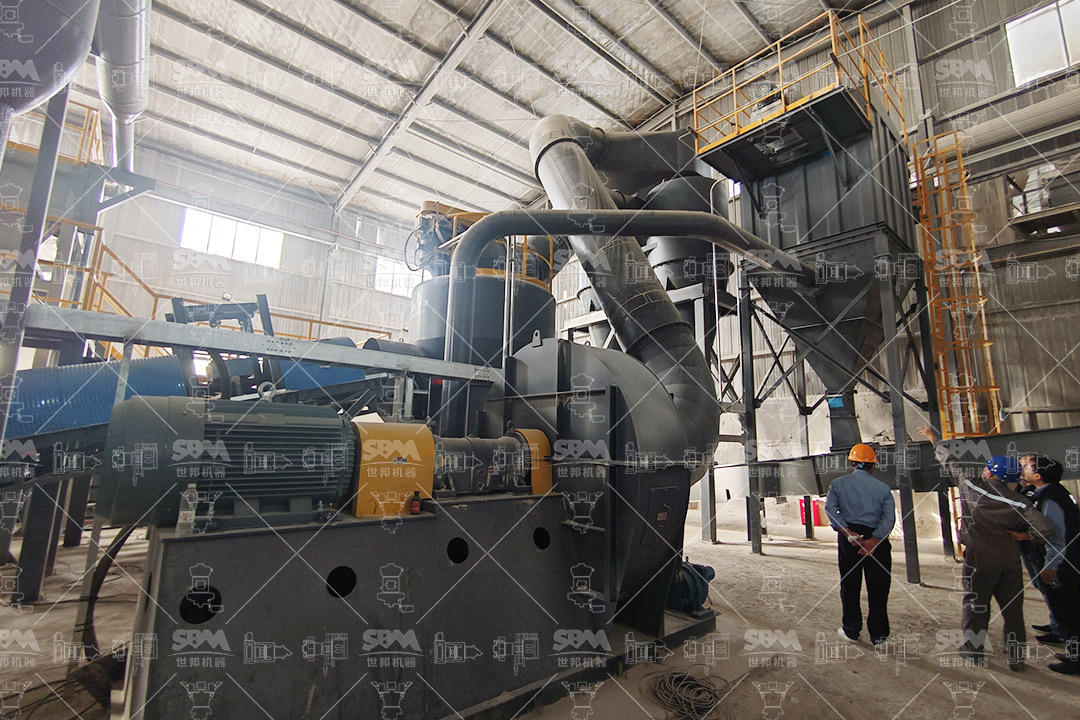
A modern production line is a coordinated system of size reduction, classification, and material handling stages. The core philosophy is to achieve the target PSD efficiently, with minimal contamination and energy consumption.
1. Raw Material Reception and Pre-Processing
The line begins with the reception of quartz sand or crushed quartz rock (≤50mm). A primary crusher (e.g., Jaw Crusher) reduces the material to a manageable size (≤20-30mm). Pre-screening removes oversized material for re-crushing. A magnetic separator is essential at this stage to remove ferrous impurities that could damage downstream mills and affect product whiteness.
2. Primary and Secondary Grinding: The Heart of the Process
This stage defines the final product’s characteristics. The choice of equipment depends on the required output fineness and capacity.
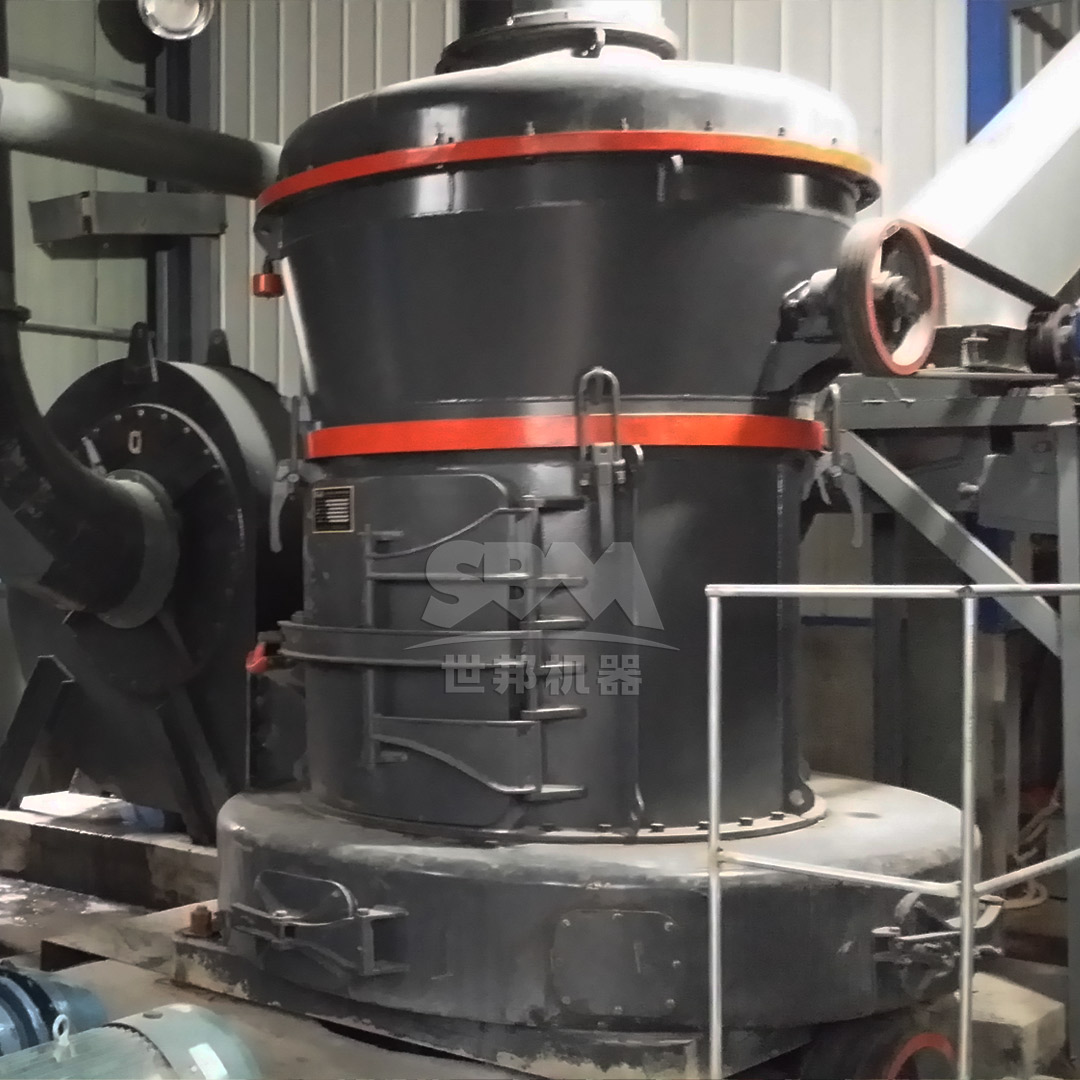
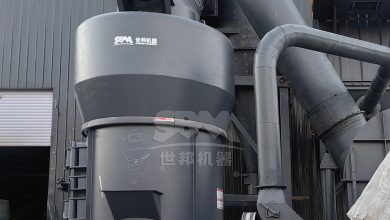
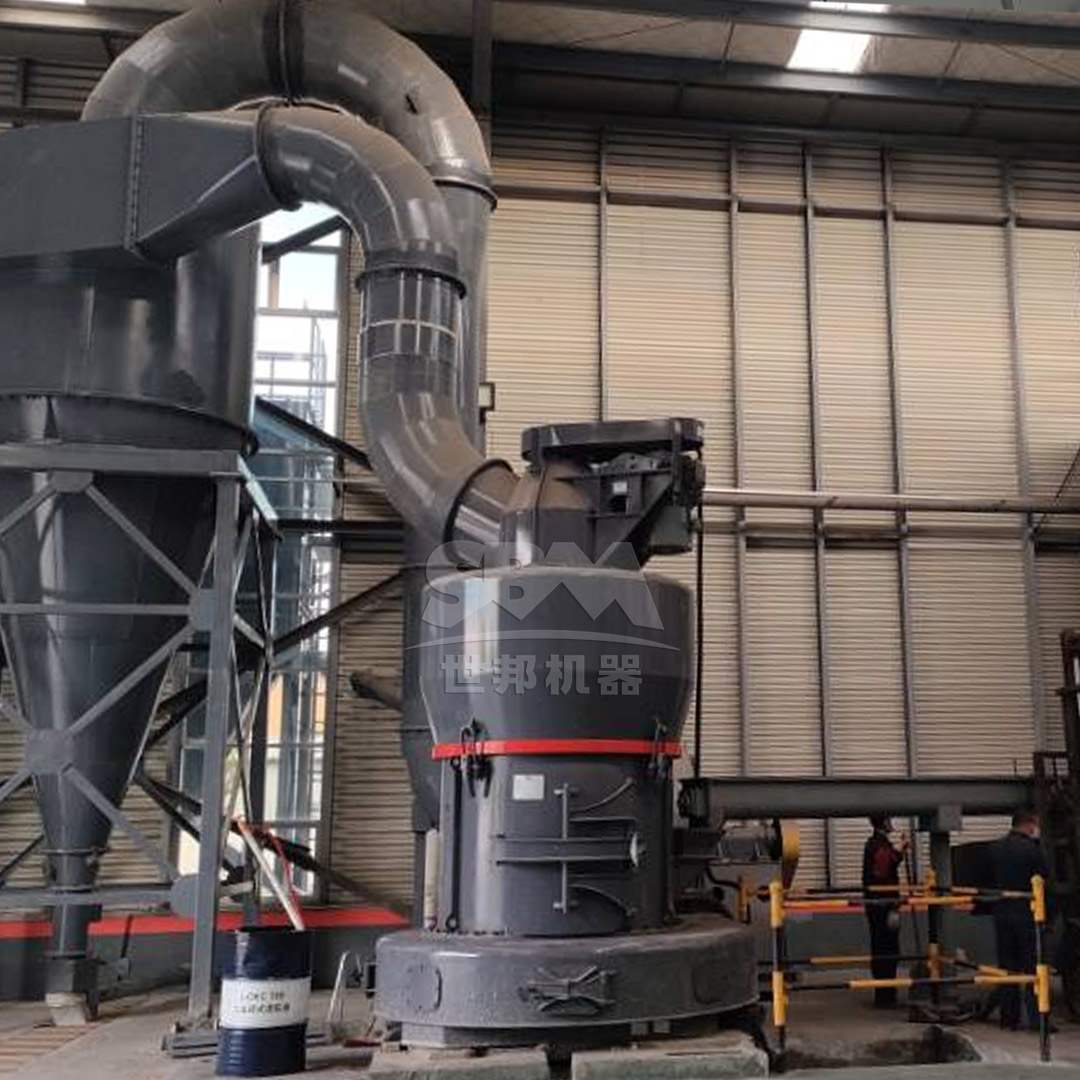
- For Coarse to Medium Fineness (30-325 mesh / 600-45μm): A robust and efficient solution is the MTW Series Trapezium Mill. Its curved air duct and conical gear transmission ensure high grinding efficiency and stable output. For a tile plant requiring consistent mid-range powder at high capacity (e.g., 15-45 TPH), the MTW215G model is an excellent choice. It handles feed sizes up to 50mm and delivers precise fineness control down to 325 mesh, making it ideal for the primary grinding stage of body-grade quartz powder.
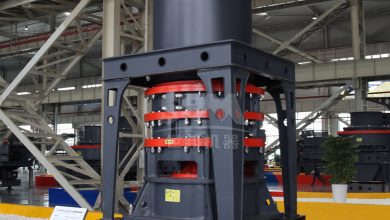
- For Ultra-Fine Powder (325-2500 mesh / 45-5μm): Achieving the stringent fineness for engobes or high-performance tiles requires specialized technology. The SCM Ultrafine Mill is engineered for this purpose. Its vertical turbine classifier provides precise particle size切割, ensuring a uniform product with no coarse grit. For example, the SCM1250 model, with a capacity of 2.5-14 TPH and the ability to produce powder as fine as 2500 mesh (D97 ≤ 5μm), is perfectly suited for producing premium-grade quartz filler. Its high efficiency and energy-saving design (30% less energy than jet mills) make it a cost-effective solution for high-value powder production.
3. Classification and Collection
Integrated or standalone classifiers (e.g., turbo classifiers) work in a closed loop with the mill, continuously separating fine product from coarse material that is returned for further grinding. The fine powder is then transported by airflow to a collection system. A high-efficiency cyclone collector captures the bulk of the product, followed by a pulse-jet baghouse filter to achieve >99.9% collection efficiency and ensure emissions compliance. This system must be designed for the specific fineness and abrasiveness of quartz dust.
4. Drying Integration
If the raw material has high moisture, a dryer (e.g., rotary or flash dryer) must be integrated before the grinding stage. In many modern mill systems like the LM Vertical Mill, hot air can be introduced concurrently with grinding, performing drying and grinding in a single step, which is highly efficient.
5. Conveying, Storage, and Packaging
The finished powder is conveyed pneumatically to large storage silos. Silo design must consider powder flow properties to prevent rat-holing or bridging. Automated packaging systems (big bag or 25kg bag fillers) complete the line. Dust containment is critical at all transfer points.
6. Process Control and Automation
A central PLC-based control system monitors and regulates feed rate, mill load, classifier speed, temperature, and pressure. This ensures stable operation, consistent product quality, and allows for quick adjustments between different product specifications.
Conclusion
Establishing a successful quartz powder production line for the tile industry is a balance of material science and mechanical engineering. It requires meticulous attention to the purity, fineness, and consistency of the powder. The selection of the core grinding equipment is paramount. For producers aiming to cover a broad market from tile body filler to ultra-fine specialty powders, investing in a versatile and efficient grinding solution is key. Our SCM Ultrafine Mill and MTW Series Trapezium Mill offer complementary capabilities, enabling the production of everything from standard 325-mesh powder to premium 2500-mesh superfine products, all with the reliability, energy efficiency, and precision that modern tile manufacturers demand.