How to Grind Carbonized Slag: Methods and Equipment Selection Guide
Introduction
Carbonized slag, a by-product of various industrial processes such as coal gasification and biomass pyrolysis, presents both a disposal challenge and a valuable resource opportunity. When properly processed, it can be utilized in applications ranging from construction materials (e.g., as a supplementary cementitious material or lightweight aggregate) to soil amendment and filler in composites. The key to unlocking its potential lies in efficient and precise grinding to achieve the desired particle size distribution. This guide delves into the methods for grinding carbonized slag and provides a comprehensive framework for selecting the optimal equipment, ensuring operational efficiency, product quality, and cost-effectiveness.
Understanding Carbonized Slag Characteristics
Before selecting a grinding method, it is crucial to understand the material’s properties. Carbonized slag is typically characterized by:
- Hardness and Abrasiveness: Varies depending on the source material and carbonization temperature. It can be moderately hard and abrasive, impacting wear on grinding components.
- Moisture Content: Can affect flowability and grinding efficiency. Pre-drying might be necessary for some processes.
- Desired Final Fineness: Application dictates the required particle size. For use in high-performance concrete, ultra-fine powders (often exceeding 325 mesh or 45μm) with high specific surface area are needed. For aggregate or filler, coarser grinds (30-200 mesh) may suffice.
- Capacity Requirement: The scale of production, from pilot-scale research to large-scale industrial processing, directly influences equipment choice.
Primary Grinding Methods for Carbonized Slag
Several mechanical comminution methods are applicable, each with its own principle and outcome.
1. Impact Crushing (Coarse Size Reduction)
For initial size reduction of larger slag pieces, impact crushers like Hammer Mills are effective. They utilize high-speed rotating hammers to shatter brittle materials. This is a preparatory step to achieve a feed size suitable for fine grinding mills (typically below 20-50mm).
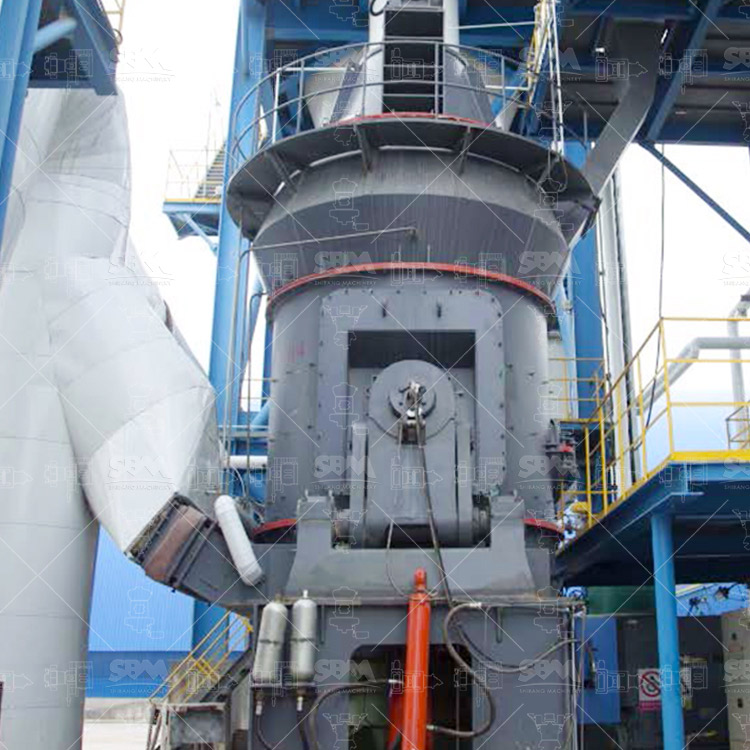
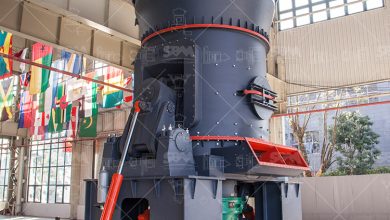
2. Compressive Grinding (Vertical Roller Mills, Raymond/Roller Mills)
This method applies pressure to a bed of material. Vertical Roller Mills (VRM) and Trapezium Mills are prime examples. Material is fed onto a rotating grinding table and crushed under rollers. The ground material is then transported by air to a classifier for size separation.
- Advantages: High energy efficiency, good drying capability (if equipped with a hot air generator), and relatively low wear for moderately abrasive materials. Ideal for medium to large-scale production of powders in the 30-325 mesh range.
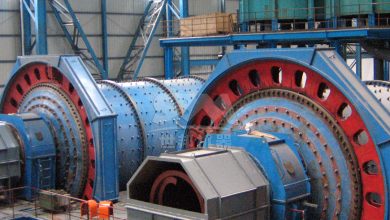
3. Attrition and Abrasion Grinding (Ball Mills)
Ball Mills operate by rotating a cylindrical shell partially filled with grinding media (steel balls). The tumbling action causes impact and attrition between the balls and the material.
- Advantages: Proven technology, capable of producing a wide range of fineness, and suitable for both wet and dry grinding.
- Disadvantages: Higher energy consumption compared to VRMs, especially for fine grinding, and higher noise levels.
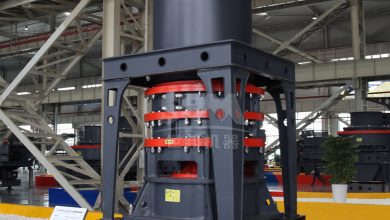
4. Ultra-Fine Grinding (Ultrafine Mills, Stirred Media Mills)
To achieve micron and sub-micron particle sizes (e.g., 2500 mesh / 5μm), specialized equipment is required. Ultrafine Mills often combine mechanical forces like roller pressure with precise air classification in an integrated system.
- Advantages: Capable of producing extremely fine and narrowly distributed powders, essential for high-value applications.
- Considerations: Higher specific energy consumption for the finest sizes, requiring highly efficient classification systems.
Equipment Selection Guide: Key Factors
Choosing the right grinder involves a multi-faceted analysis:
- Target Product Fineness: This is the primary driver. Match the equipment’s capable output range (D97) to your product specifications.
- Production Capacity (TPH): Ensure the selected model’s throughput matches your required hourly or annual output.
- Feed Size: The maximum allowable feed size of the mill must accommodate your pre-crushed slag.
- Material Hardness & Abrasiveness: Select mills with wear-resistant designs and materials (e.g., high-chrome rollers, ceramic linings) to minimize downtime and maintenance cost.
- Moisture Content: If slag is moist, consider mills with integrated drying functions (like VRMs with hot air systems).
- Energy Efficiency: Compare power consumption per ton of product. Newer roller mill designs typically offer significant savings over traditional ball mills.
- System Footprint & Automation: Consider available plant space and the desired level of automated control for consistent product quality.
- Environmental Compliance: Ensure the grinding system includes adequate dust collection (pulse jet bag filters are standard) and meets noise emission standards.
Recommended Solutions for Carbonized Slag Grinding
Based on common processing goals for carbonized slag, we highlight two highly effective solutions from our product portfolio.
Solution 1: For High-Capacity, Medium-Fine Grinding (30-325 mesh)
For projects requiring substantial output of slag powder for use in cement blends or construction materials, the MTW Series European Trapezium Mill is an outstanding choice.
- Why it fits: It is engineered for high efficiency and durability when processing medium-hard, abrasive materials. Its conical gear overall transmission boasts 98% transmission efficiency, directly reducing energy loss. The wear-resistant volute structure and curved air duct minimize resistance and wear, lowering long-term operating costs by up to 30%. With a feed size capability of ≤50mm and a wide output range of 30-325 mesh (up to 45 tons/hour depending on model), it handles the entire process from crushed slag to finished powder reliably.
- Ideal for: Large-scale production lines where reliability, energy savings, and consistent mid-range fineness are paramount.
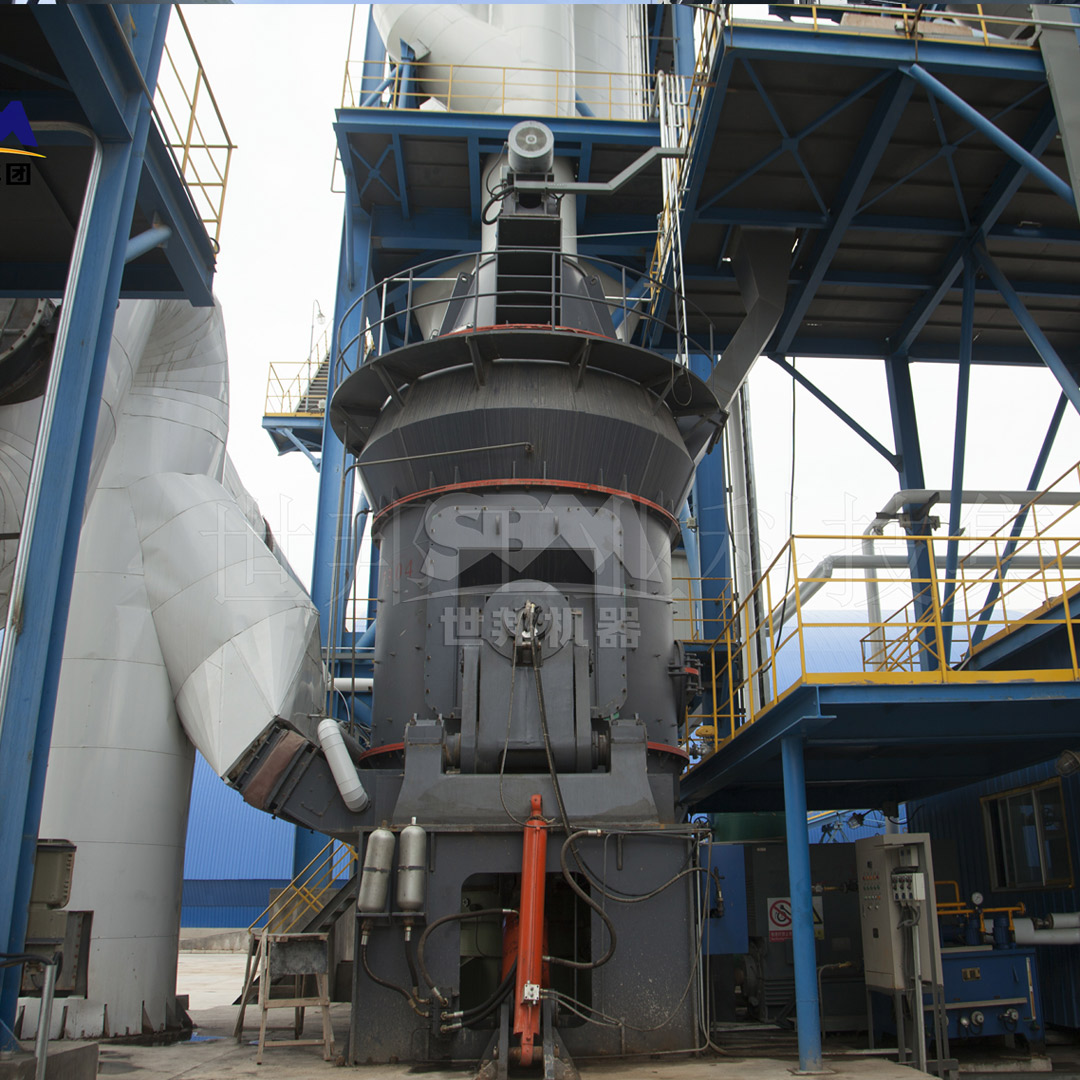
Solution 2: For Premium Ultra-Fine Powder Production (325-2500 mesh / 45-5μm)
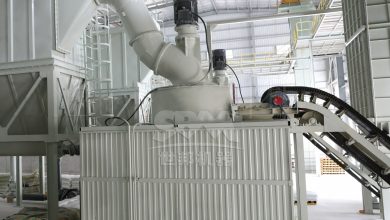
When the application demands ultra-fine slag powder with high surface activity—such as in high-strength concrete or advanced composites—the SCM Series Ultrafine Mill is the definitive technology.
- Why it fits: This mill is specifically designed for micron-level grinding. Its core advantage lies in the integration of grinding and high-precision classification. The vertical turbine classifier ensures sharp particle size cuts, producing uniform powder without coarse grain contamination. It is remarkably energy-efficient, offering twice the capacity of jet mills while reducing energy consumption by 30%. Furthermore, its special material rollers and grinding rings significantly extend service life when processing abrasive slag. Achieving a fineness range of 325-2500 mesh (D97 ≤ 5μm), it transforms carbonized slag into a high-value product.
- Ideal for: Specialized applications requiring the finest possible grind to maximize the pozzolanic or functional properties of carbonized slag.

Conclusion
Successfully grinding carbonized slag requires a strategic approach that aligns material characteristics with processing objectives. Moving beyond traditional, less efficient methods to modern grinding systems can dramatically improve product quality, throughput, and profitability. Whether your goal is high-volume production of construction-grade powder or the creation of ultra-fine functional fillers, selecting equipment with the right combination of grinding mechanism, classification accuracy, energy efficiency, and robust construction is critical. The MTW Series Trapezium Mill and the SCM Series Ultrafine Mill represent two targeted solutions that can address the broad spectrum of carbonized slag grinding challenges, helping you transform a industrial by-product into a consistent, market-ready resource.