
Can Hydroxide Aluminum Be Dry Ground? Dry Grinding Process and Equipment Guide
Introduction
Aluminum hydroxide (Al(OH)₃), a key raw material for ceramics, flame retardants, and pharmaceuticals, often requires processing into fine powders to enhance its reactivity and application performance. Dry grinding, as opposed to wet milling, offers significant advantages in terms of energy efficiency, reduced drying steps, and lower environmental impact. However, the process presents unique challenges, including heat generation, particle agglomeration, and maintaining chemical purity. This guide explores the feasibility of dry grinding aluminum hydroxide, outlines the optimal process, and provides a detailed equipment selection guide to achieve consistent, high-quality results.
Challenges in Dry Grinding Aluminum Hydroxide
Aluminum hydroxide is a relatively soft mineral (Mohs hardness ~2.5-3.5) but is thermally sensitive. During dry grinding, mechanical energy is converted into heat, which can cause the material to undergo partial dehydration, transforming into aluminum oxides (e.g., AlO(OH) or Al₂O₃). This phase change alters the material’s chemical properties and is often undesirable. Furthermore, the fine particles tend to adhere to grinding media and chamber walls due to electrostatic forces, leading to reduced efficiency, product loss, and potential contamination. Therefore, selecting equipment with efficient cooling, precise temperature control, and minimal residence time is paramount.
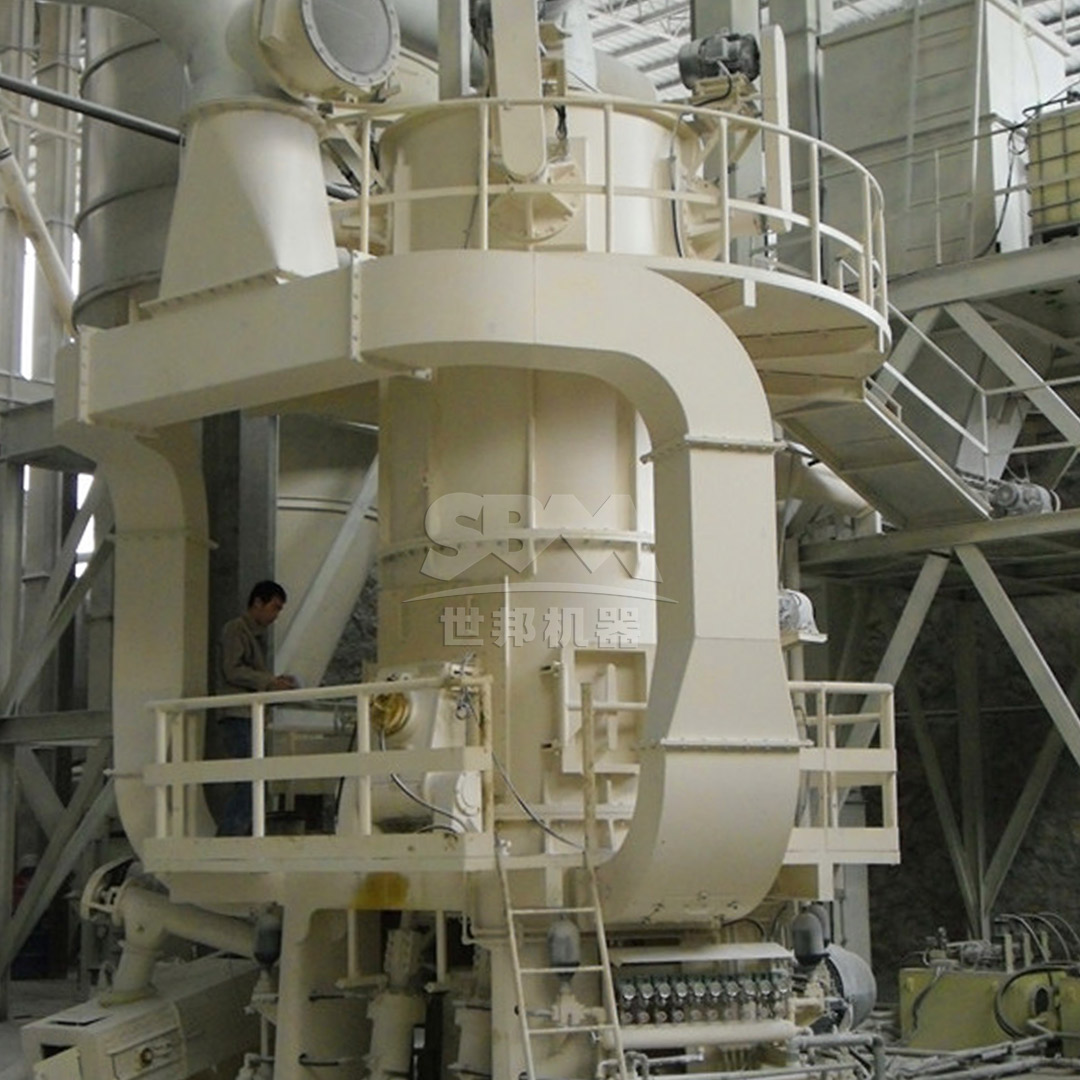
The Dry Grinding Process: Key Considerations
A successful dry grinding operation for Al(OH)₃ hinges on several interconnected factors:
- Feed Preparation: The raw material should be pre-dried to a consistent moisture content (typically below 1-2%) to prevent clogging and ensure efficient grinding. Initial crushing to a uniform size (e.g., <20mm) is also crucial for stable feed into the grinding mill.
- Grinding and Classification: This is the core of the process. The mill must apply shear and compressive forces effectively while minimizing heat input. An integrated, high-efficiency classifier is essential to immediately separate fine particles from the grinding zone, preventing over-grinding and heat buildup. The target fineness for many applications ranges from 325 mesh (45 μm) to 2500 mesh (5 μm).
- Heat Management: Systems must be in place to dissipate heat. This can involve:
- Introducing cooled, dry air or inert gas (like nitrogen) into the grinding chamber.
- Using mills with large surface areas for heat exchange.
- Employing external cooling systems for the mill housing.
- Collection and Dedusting: The ground powder is transported by an air stream to a collection system. A high-efficiency cyclone separator followed by a pulse-jet bag filter or cartridge collector is standard. This ensures product recovery rates exceed 99.9% and meets stringent environmental emission standards.
Equipment Selection Guide for Aluminum Hydroxide
Choosing the right mill is critical. The ideal equipment must balance fine grinding capability, low heat generation, high classification accuracy, and operational reliability.
1. For Ultra-Fine Grinding (2500 to 325 mesh / 5 to 45 μm)
When the target product is in the superfine or ultrafine range, specialized mills with integrated high-precision classifiers are required.
Recommended Solution: SCM Series Ultrafine Mill
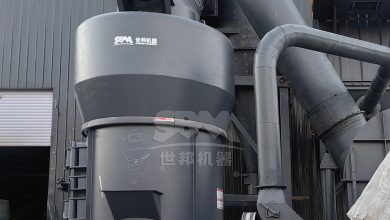
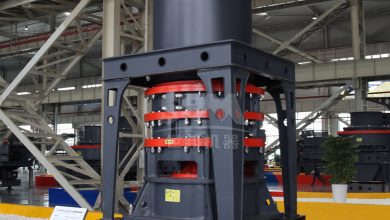
For producing consistently fine aluminum hydroxide powder from 325 to 2500 mesh, the SCM Ultrafine Mill is an industry-leading choice. Its design directly addresses the challenges of grinding thermally sensitive materials.
- Efficient & Low-Temperature Grinding: The multi-layer grinding roller and ring design applies grinding pressure gradually, reducing instantaneous heat generation. Compared to jet mills, its energy consumption is 30% lower, and the intelligent control system automatically adjusts parameters to maintain stable product temperature and fineness.
- High-Precision Classification: The vertical turbine classifier is the heart of the system. It provides sharp particle size cuts, ensuring the final product has a narrow size distribution (D97 ≤ 5μm) with no coarse grit contamination. This precise control prevents particles from circulating unnecessarily in the grinding chamber, minimizing heat exposure.
- Durable & Stable Operation: The grinding rollers and rings are made from special wear-resistant materials, significantly extending service life. The unique bearing-less screw design in the grinding chamber enhances operational stability and reduces maintenance frequency.
- Clean and Quiet: The mill operates under negative pressure, ensuring no dust leakage. The integrated pulse dust collector exceeds international emission standards. With a noise level below 75dB, it provides a superior working environment.
Model Recommendation: For pilot plants or medium-scale production of high-value aluminum hydroxide powders, the SCM800 model (0.5-4.5 ton/h, 75kW) offers excellent flexibility and control. For large-scale industrial production, the SCM1680 model (5.0-25 ton/h, 315kW) delivers unmatched capacity and efficiency.
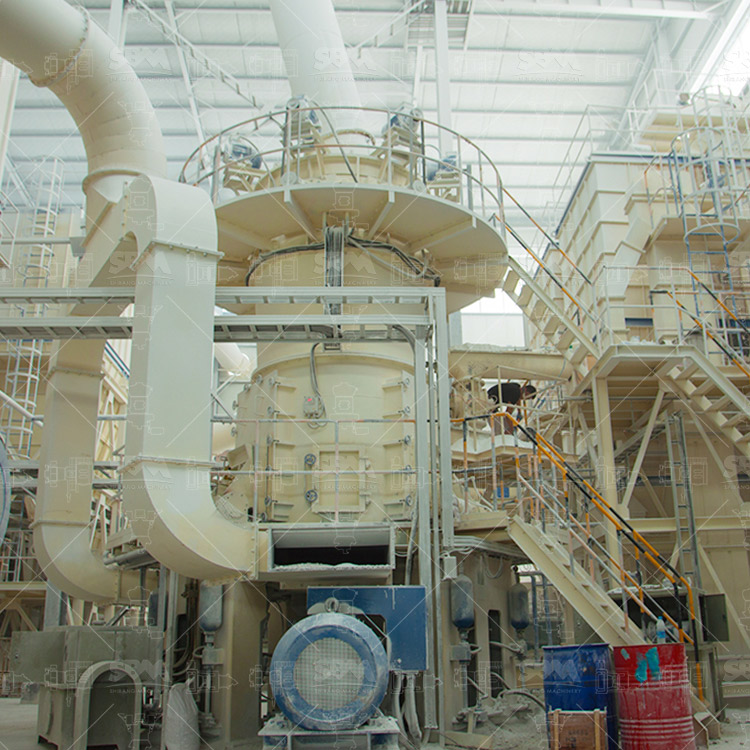
2. For Fine to Medium-Fine Grinding (325 to 30 mesh / 45 to 600 μm)
If the application requires a coarser product or if the process involves a pre-grinding stage, robust and high-capacity roller mills are more suitable.
Recommended Solution: MTW Series Trapezium Mill
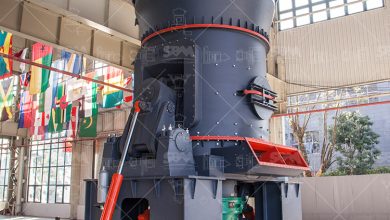
The MTW Series Trapezium Mill excels in high-volume production of fine powders. It is an excellent choice for grinding aluminum hydroxide where the primary target is between 30 and 325 mesh, or as a primary size reduction step before ultrafine milling.
- Advanced Grinding Mechanism: Its curved air duct and wear-resistant volute structure minimize air flow resistance and energy loss, promoting efficient material transport and cooling within the system.
- High Transmission Efficiency: The integral bevel gear transmission achieves up to 98% efficiency, saving energy and reducing installation footprint and costs.
- Durable Components: The innovative wear-resistant shovel blade design and曲面磨辊延长了维护周期,降低了综合运营成本。
Model Recommendation: The MTW138Z model (6-17 ton/h, 90kW主电机) offers a perfect balance of capacity and fineness control for dedicated aluminum hydroxide grinding lines.
Process Flow Diagram
A typical dry grinding plant for aluminum hydroxide includes the following stages:
- Raw Material Silo: Storage of dried Al(OH)₃ feedstock.
- Feeding System: Precise metering of material into the mill via a screw or vibrating feeder.
- Grinding Mill (Core): e.g., SCM Ultrafine Mill or MTW Trapezium Mill.
- Classification System: Integrated classifier within the mill.
- Product Collection: Cyclone separator for primary collection.
- Dedusting: Pulse-jet bag filter for final polishing of exhaust air and collection of ultra-fines.
- Product Silo & Packaging: Storage and bagging of finished powder.
- Control System: Centralized PLC for monitoring and controlling temperature, feed rate, and fineness.
Conclusion
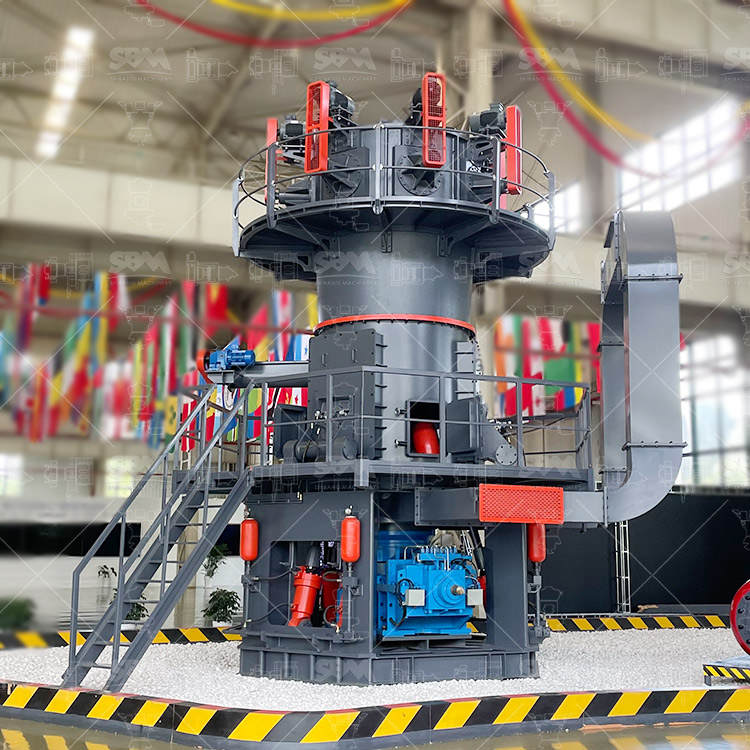
Dry grinding of aluminum hydroxide is not only feasible but highly advantageous when the correct process and equipment are employed. The key to success lies in managing thermal input and achieving precise particle size cuts. The SCM Ultrafine Mill, with its exceptional classification accuracy and low-temperature grinding design, is the definitive solution for producing superfine, high-purity aluminum hydroxide powders. For applications requiring high throughput at slightly coarser fineness, the MTW Series Trapezium Mill provides robust and efficient performance. By investing in the appropriate technology and adhering to a well-designed process flow, producers can achieve optimal product quality, operational efficiency, and cost-effectiveness in their aluminum hydroxide dry grinding operations.