Petroleum Coke Vertical Mill System Design: Key Factors and Process Optimization
Introduction
The efficient processing of petroleum coke (petcoke), a carbon-rich solid byproduct of oil refining, is critical for its utilization in various industries such as cement, power generation, and anode production for aluminum smelting. The core of any petcoke preparation plant is the grinding system, where vertical roller mills (VRMs) have become the technology of choice due to their superior energy efficiency, drying capability, and operational stability compared to traditional ball mill systems. Designing an optimal vertical mill system for petcoke requires a deep understanding of material characteristics, process integration, and equipment selection. This article explores the key factors in system design and outlines strategies for process optimization, highlighting advanced technological solutions.
Key Factors in Petroleum Coke Vertical Mill System Design
1. Material Characteristics and Feed Preparation
Petcoke properties vary significantly based on the source crude oil and coking process. Key characteristics impacting mill design include:
- Moisture Content: Raw petcoke can contain 8-15% moisture. The VRM system must integrate a robust drying circuit, typically using pre-heated gas from a hot gas generator or process waste heat.
- Hardness and Abrasiveness: Petcoke is generally less abrasive than clinker but can have high hardness (HGI typically 40-60). This demands wear-resistant materials for grinding components.
- Volatile Matter and Combustibility: Fine petcoke dust is explosive. The system design must prioritize safety through inert gas conditioning (e.g., using CO2 or N2), explosion vents, and rigorous control of oxygen levels within the mill.
- Feed Size: A consistent feed size (typically ≤50mm) is crucial for stable mill operation. This often necessitates a primary crushing stage upstream.
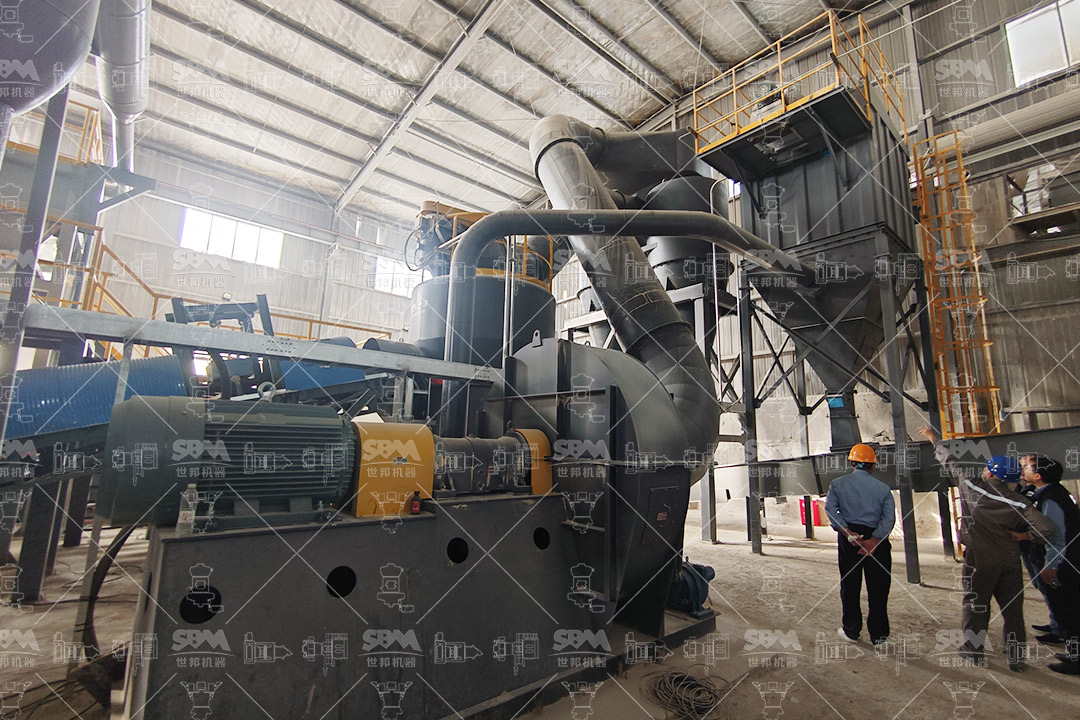
2. Core Mill Selection and Configuration
Selecting the right vertical mill model is paramount. The mill must handle the required throughput, achieve the target fineness (commonly 80-90% passing 200 mesh for fuel applications, or much finer for anode-grade coke), and integrate seamlessly with the drying and classification circuits.
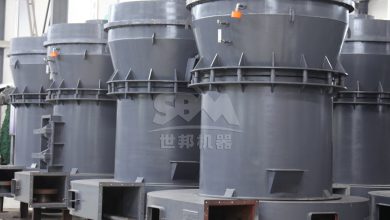
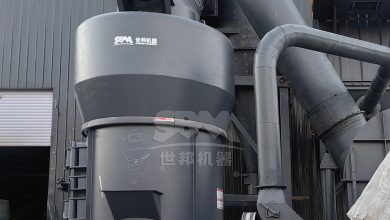
For high-capacity petcoke grinding applications requiring outputs from several tons to over one hundred tons per hour, our LM Series Vertical Roller Mill stands out as an ideal solution. Its集约化设计 integrates grinding, drying, and classification in a single unit, reducing footprint by 50%. The磨辊与磨盘非接触设计 significantly extends the life of wear parts, while its energy consumption is 30-40% lower than traditional ball mill systems. Models like the LM220K (output: 36-105 t/h, fineness: 80-325 mesh) or the larger LM280K (output: 50-170 t/h) are particularly well-suited for large-scale petcoke processing plants, offering智能控制 for stable operation and环保达标 with dust emissions <20mg/m³.
3. System Integration and Auxiliary Equipment
A vertical mill is the heart of a larger system. Key auxiliary components include:
- Hot Gas Generator: Provides the necessary heat for drying high-moisture feed.
- Feed System: Comprises belt conveyors, bucket elevators, and a precise weigh feeder to ensure consistent mass flow into the mill.
- Dynamic Classifier: Located atop the mill, it critically controls product fineness by separating fine particles from coarse ones, which are returned for regrinding.
- Dust Collection System: A high-efficiency baghouse or electrostatic precipitator is essential to capture product and meet environmental standards. Our mills feature advanced脉冲除尘技术 with efficiency exceeding international norms.
- Product Conveying and Storage: Screw conveyors, pneumatic conveying systems, and silos for ground petcoke storage.

Process Optimization Strategies
1. Grinding Parameter Optimization
Optimal operation hinges on balancing several parameters:
- Grinding Pressure: Adjusting the hydraulic pressure on the grinding rollers directly impacts throughput, fineness, and mill vibration. An optimal pressure ensures efficient comminution without excessive wear.
- Mill Airflow and Temperature: Airflow carries the dried fines to the classifier and affects internal circulation. Inlet gas temperature must be controlled to achieve target moisture in the product (typically <1%) without risking ignition.
- Classifier Speed: The rotational speed of the dynamic classifier is the primary control for product fineness. Higher speeds yield finer product.
2. Energy Efficiency and Cost Reduction
VRMs are inherently efficient, but further optimization is possible:
- Utilizing waste heat from other plant processes (e.g., kiln exhaust) for drying.
- Implementing variable frequency drives (VFDs) on the mill fan and classifier motor to match power consumption with load.
- Employing advanced control systems that use real-time data (pressure, temperature, power draw) to automatically adjust parameters for peak efficiency.
3. Wear Management and Maintenance Planning
Despite lower wear rates than ball mills, roller and table liner wear in VRMs affects performance. Optimization includes:
- Selecting appropriate wear material grades (e.g., high-chromium cast iron).
- Implementing a systematic wear monitoring program (e.g., measuring roller profile).
- Utilizing mills with designs that facilitate quick更换, such as the模块化磨辊总成快速更换系统 found in our LM series, which minimizes downtime during maintenance.
Advanced Solutions for Specialized Applications
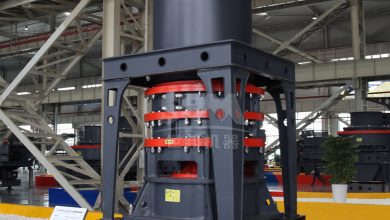
For applications demanding ultra-fine petcoke powders (e.g., advanced carbon materials), standard VRMs may be paired with or replaced by specialized fine-grinding equipment. In such cases, our SCM Ultrafine Mill offers unparalleled performance. Capable of achieving a remarkable output fineness of 325-2500 mesh (D97 ≤5μm), the SCM series is engineered for precision. Its高效节能 design provides twice the capacity of jet mills while reducing energy consumption by 30%. The核心优势 lies in its高精度分级 system, featuring a vertical turbine classifier that ensures precise particle size cuts with no coarse powder contamination, resulting in a highly uniform product. Models like the SCM1250 (2.5-14 t/h) are perfect for producing high-value, superfine petcoke powders.

Conclusion
The design and optimization of a petroleum coke vertical mill system is a multifaceted engineering challenge that balances material science, mechanical design, and process control. Success depends on a holistic approach: thoroughly analyzing feed characteristics, selecting a robust and efficient core mill like the LM Series Vertical Roller Mill for standard applications or the SCM Ultrafine Mill for specialized fine grinding, and meticulously integrating all auxiliary systems. By implementing the optimization strategies outlined—focusing on grinding parameters, energy management, and proactive maintenance—operators can achieve a system that delivers consistent, high-quality ground petcoke with maximum reliability, minimal operating cost, and full compliance with environmental and safety standards. Investing in advanced, intelligently controlled milling technology is the definitive path to securing a competitive edge in the modern petcoke processing industry.