How Does a Vertical Roller Mill Work for Grinding Lignite?
Introduction to Lignite and Its Grinding Challenges
Lignite, often referred to as brown coal, is a low-rank coal characterized by its relatively high moisture content, lower calorific value, and higher reactivity compared to bituminous coal or anthracite. Its primary applications include power generation in thermal power plants and as a feedstock in certain chemical processes. Efficient grinding of lignite is a critical step in these applications, as it directly impacts combustion efficiency, handling, and overall process economics. However, grinding lignite presents unique challenges due to its fibrous structure, high moisture (which can range from 30% to 60%), and lower grindability. Traditional grinding systems like ball mills can be inefficient and energy-intensive for such materials. This is where Vertical Roller Mills (VRMs) have emerged as the superior technology of choice.
The Working Principle of a Vertical Roller Mill for Lignite
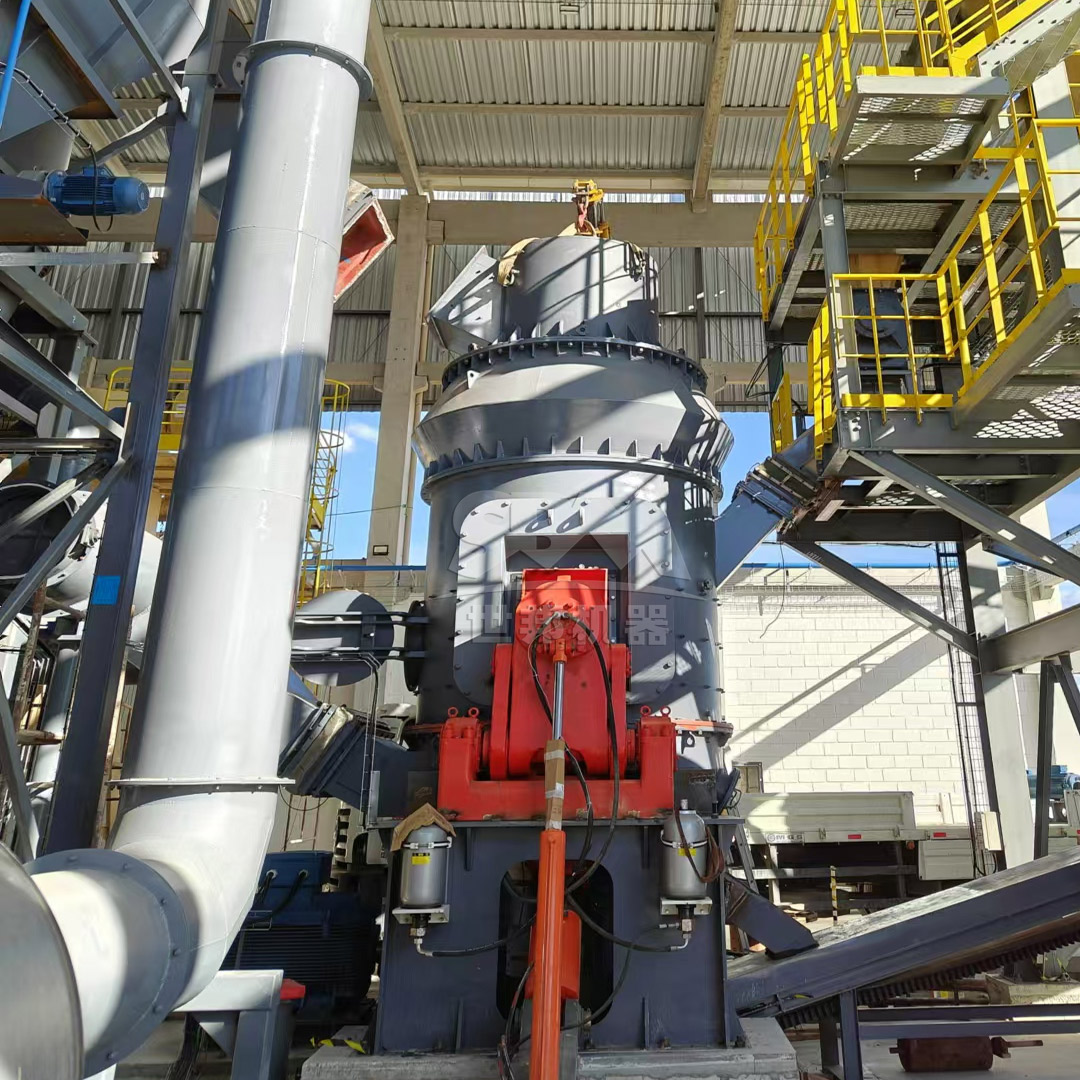
The operation of a Vertical Roller Mill for lignite grinding is an integrated process combining drying, grinding, classification, and material transport within a single, compact unit. The core principle is bed grinding or pressure comminution, which is far more efficient than the impact and attrition methods dominant in ball mills.
1. Feeding and Drying Stage
Raw lignite, typically pre-crushed to a size of ≤50mm, is fed onto the center of a rotating grinding table (or pan) via a sealed airlock feeder. Simultaneously, hot gases (usually sourced from a hot gas generator or process exhaust) are introduced into the mill housing through ports around the grinding table. As the moist lignite spreads across the table, it is immediately exposed to these hot gases. The high gas velocity and temperature (typically controlled to avoid spontaneous combustion) efficiently evaporate surface and inherent moisture from the lignite particles. This concurrent drying is a key advantage, as it prepares a dry, easy-to-grind material bed before the actual grinding action, preventing clogging and ensuring stable operation.
2. Grinding and Comminution Stage
The heart of the VRM is the grinding table and the rollers (or tires). The table is driven by a planetary gearbox connected to an electric motor. As the table rotates, centrifugal force moves the dried lignite bed outward towards the path of the rollers. Two to four hydraulically loaded grinding rollers, which can also rotate on their own axes, are pressed onto the material bed. The grinding force is generated by a combination of centrifugal force, the roller’s own weight, and an external hydraulic pressure system. The lignite is ground not by direct impact between metal parts but by the high inter-particle stresses within the compacted material bed itself, as the rollers roll over it. This mechanism results in significantly lower specific energy consumption, reduced metal wear, and less generation of ultra-fine dust compared to impact-based systems.
3. Classification and Separation Stage
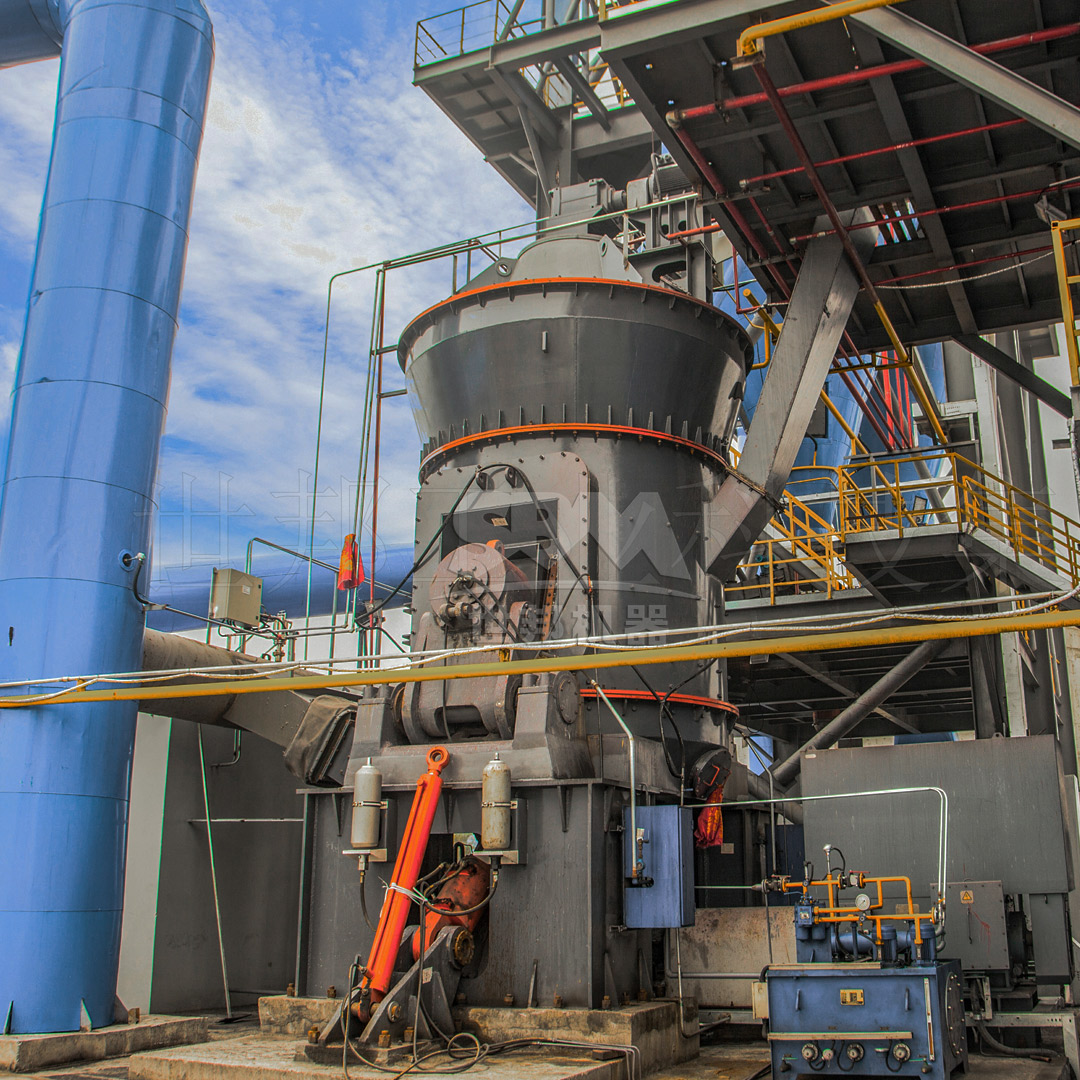
After being ground, the fine lignite particles are entrained by the upward flow of the drying/transport gas. This gas-particle stream enters a dynamic classifier (often a rotating cage or vane separator) located at the top of the mill. The classifier rotor speed is a critical control parameter. By adjusting its speed, the cut point (desired fineness) can be precisely controlled. Particles fine enough to pass the classifier’s aerodynamic selection are carried out of the mill with the gas flow towards the product collection system (cyclones and bag filters). Coarser particles, which are rejected by the classifier due to their higher mass, fall back onto the grinding table for further size reduction. This internal recirculation creates a highly efficient closed-circuit grinding system within the mill housing itself.
4. Product Collection and System Control
The fine lignite powder-laden gas exits the mill and passes through a series of cyclones where the bulk of the product is separated. The final cleaning of the gas is done by a high-efficiency pulse-jet baghouse filter, ensuring emissions are well below environmental standards (typically <20 mg/Nm³). The collected pulverized lignite is then conveyed to storage silos. The entire process is managed by an advanced PLC-based control system that monitors and adjusts key parameters like mill feed rate, grinding pressure, gas temperature and flow, and classifier speed to maintain optimal product fineness (commonly targeting 70-90% passing 75 microns or R0.08mm <15-20% for power plants) and maximum throughput.
Key Advantages of Using VRMs for Lignite Grinding
- High Grinding Efficiency & Energy Savings: The bed grinding principle consumes 30-50% less energy than a ball mill system for the same output and fineness.
- Integrated Drying: Ability to handle high-moisture feedstocks (up to 20% or more with inlet hot gas) in a single unit, eliminating the need for a separate dryer.
- Compact Design & Small Footprint: The vertical arrangement and integrated functions lead to a significantly smaller building and foundation requirement.
- Excellent Product Quality Control: The dynamic classifier allows quick and precise adjustment of product fineness to meet specific process requirements.
- Low Noise and Environmental Impact: Enclosed operation and efficient filtration result in low dust emissions and noise levels (<80 dB(A)).
- Operational Flexibility & Reliability: Stable operation with quick response to load changes and lower maintenance frequency due to reduced wear rates.
Recommended Product for Lignite Grinding: LM Series Vertical Roller Mill
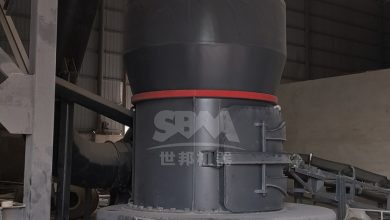
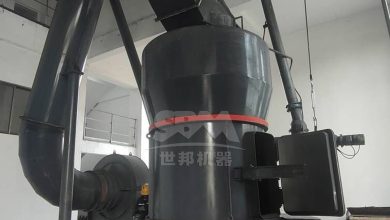
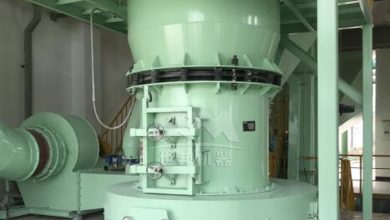
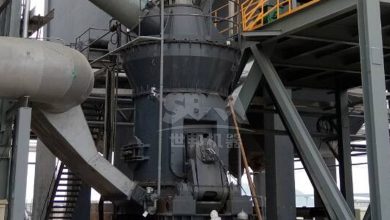
For robust and efficient lignite grinding applications, from industrial boiler plants to larger-scale power generation, our LM Series Vertical Coal Mill is the ideal engineered solution. Specifically designed for coal and lignite, this mill series embodies all the advanced principles discussed above.
Our LM Coal Mill features a high-efficiency separator for precise fineness control and a specially designed grinding table and roller profile to create an optimal material bed for lignite’s specific properties. The hydraulic roller swing-out system allows for quick and easy maintenance of grinding parts. With a fully integrated control system, it ensures stable operation even with fluctuating lignite quality. Models like the LM190M (capacity 26-40 t/h) or the larger LM240M (capacity 50-65 t/h) are perfectly suited for medium to large-scale lignite processing needs, offering exceptional reliability and the lowest possible operating cost per ton of pulverized fuel.

Considerations for Ultra-Fine Lignite Applications
While standard VRMs are perfect for producing pulverized coal for combustion, some advanced chemical or material science applications may require ultra-fine lignite powder. For these demanding scenarios where fineness requirements reach the level of 325-2500 mesh (D97 ≤ 5μm), our SCM Series Ultrafine Mill presents a compelling solution. Although not a VRM in the traditional sense, it is a vertical mill system engineered for superfine grinding. It utilizes a similar layered grinding principle with multiple grinding rings and rollers, coupled with a high-precision vertical turbine classifier. This enables it to achieve remarkably narrow particle size distributions. Its high-efficiency and energy-saving design, offering twice the capacity of jet mills with 30% less energy consumption, makes it a technologically advanced choice for producing high-value-added lignite-based products.
Conclusion
The Vertical Roller Mill operates on a fundamentally efficient principle of pressure comminution within a material bed, combined with integrated drying and internal classification. This makes it exceptionally well-suited to overcome the grinding challenges posed by lignite. By delivering significant energy savings, operational stability, and excellent product control, VRMs have become the benchmark technology in modern lignite preparation plants. Selecting the right mill, such as our purpose-built LM Series Vertical Coal Mill for standard applications or the SCM Ultrafine Mill for specialized ultra-fine needs, is crucial for optimizing productivity, cost-efficiency, and environmental performance in lignite processing operations.