Application of Vertical Roller Mill in Coal Grinding for Power Plants
Introduction
The modern power generation industry is under constant pressure to improve efficiency, reduce operational costs, and meet stringent environmental regulations. At the heart of coal-fired power plants lies the critical process of coal preparation, specifically pulverization. The efficiency of the boiler and the overall plant performance are directly linked to the quality of the pulverized coal. For decades, traditional ball mill systems were the standard. However, the advent and continuous refinement of Vertical Roller Mill (VRM) technology have revolutionized this process, offering a superior solution that aligns perfectly with the demands of contemporary power generation.
This article explores the application of Vertical Roller Mills in coal grinding for power plants, detailing their operational advantages, working principles, and how they address key industry challenges. Furthermore, we will highlight specific, high-performance VRM solutions that can significantly optimize your plant’s coal milling operations.
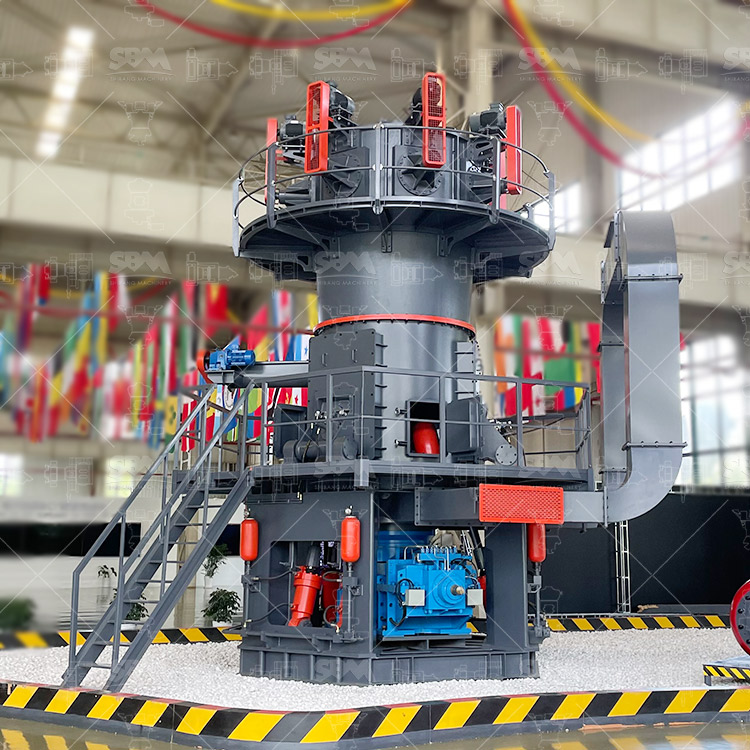
The Shift from Ball Mills to Vertical Roller Mills
Traditional ball mill systems, while robust, suffer from several inherent drawbacks in the context of large-scale power generation. They are characterized by high specific energy consumption (often 20-30 kWh/t), significant wear rates leading to high maintenance costs, large physical footprints, and relatively poor drying capabilities when processing coal with higher moisture content.
Vertical Roller Mills address these limitations head-on. By employing a bed-compaction grinding principle rather than impact/attrition, VRMs achieve comminution with markedly higher energy efficiency. The integrated drying capability using hot gases from the boiler exhaust further enhances system efficiency. This fundamental shift in technology has made VRMs the preferred choice for new plant installations and major retrofit projects worldwide.
Technical Advantages of VRMs in Coal Grinding
The superiority of VRMs stems from a combination of design and operational benefits:
1. Exceptional Energy Efficiency
VRMs typically consume 30-40% less energy compared to ball mill systems for the same output fineness. This is achieved through direct grinding on the table, lower rotational speeds, and efficient material transport via the integrated air stream. For a large power plant, this translates into millions of dollars in annual electricity savings.
2. Superior Drying Capacity
Coal fed to the mill often contains surface moisture. VRMs are designed as air-swept mills, where large volumes of hot gas (up to 400°C) are passed through the grinding chamber. This allows for simultaneous grinding and efficient drying of coal with moisture content up to 20%, eliminating the need for separate pre-drying systems.
3. Compact Design and Reduced Footprint
The vertical arrangement and integrated separator/classifier make VRMs significantly more compact than horizontal ball mill circuits. This saves valuable space within the plant and can reduce civil construction costs by up to 50%.
4. Improved Product Quality and Operational Stability
Modern VRMs feature advanced dynamic classifiers that provide precise control over product fineness (typically measured as residue on 90μm or 200μm sieve). This results in a steeper particle size distribution, which enhances combustion efficiency and flame stability in the boiler. Furthermore, the grinding process generates less ultra-fine material, reducing unburned carbon losses.
5. Lower Noise and Enhanced Environmental Performance
VRMs operate at lower noise levels (typically below 85 dB(A)) than ball mills. The entire grinding system operates under negative pressure, ensuring no dust emission. When coupled with high-efficiency bag filters or electrostatic precipitators, particulate emissions are kept well below international standards of 20 mg/Nm³.
Working Principle of a Coal VRM
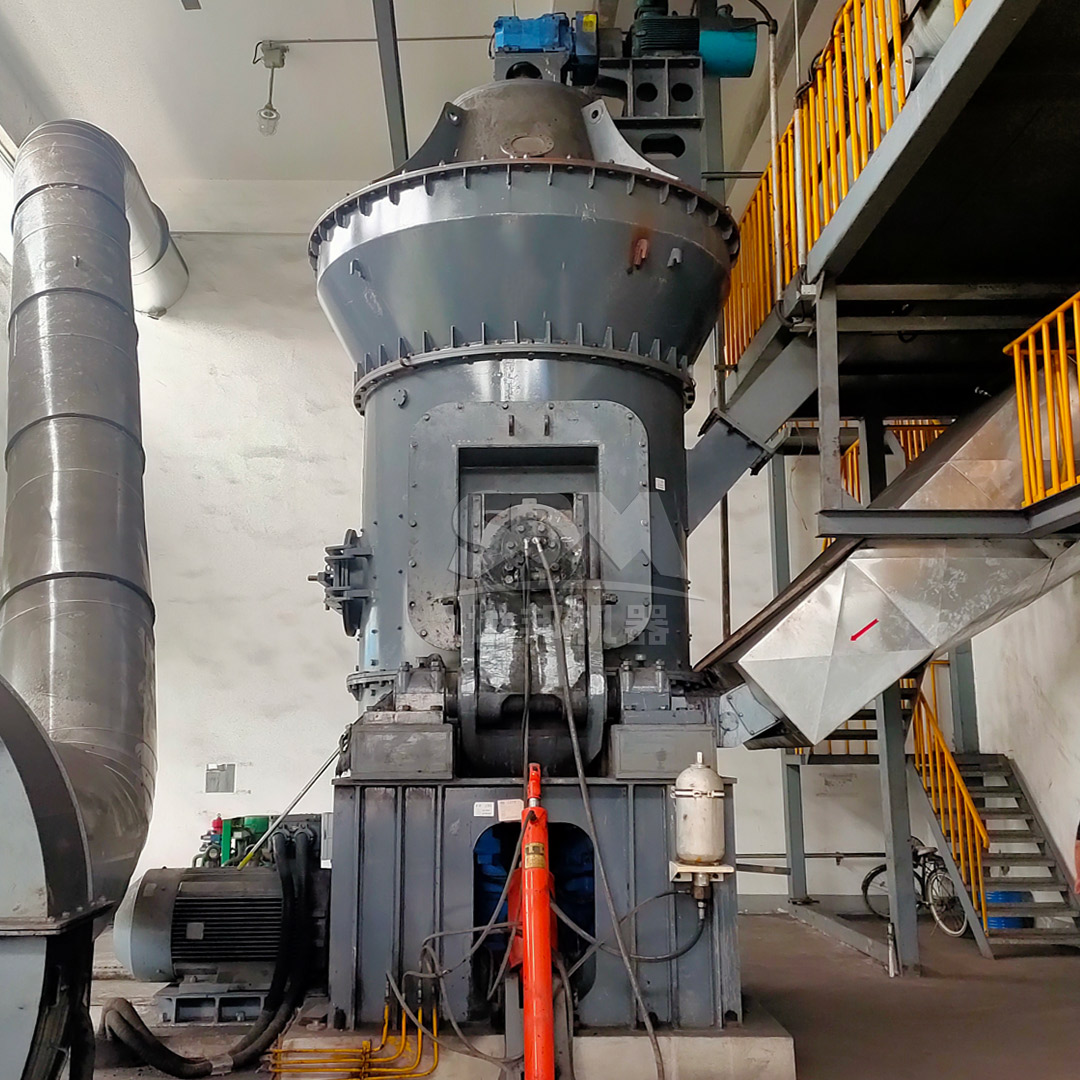
The operation of a Vertical Roller Mill for coal can be summarized in a continuous cycle:
- Feed Introduction: Raw coal, often pre-crushed to below 50mm, is fed centrally onto the rotating grinding table via a screw feeder.
- Grinding and Drying: Centrifugal force drives the material towards the periphery of the table, where it passes under two or three hydraulically loaded grinding rollers. The coal is ground by compression into a fine bed. Simultaneously, hot gas from the boiler exhaust or a dedicated heater is introduced through the nozzle ring around the table, fluidizing the ground material and drying it.
- Classification: The gas stream carries the pulverized coal upwards into a dynamic classifier integrated into the mill top. High-speed rotating vanes create a centrifugal force field. Coarse particles are rejected and fall back onto the grinding table for further size reduction.
- Product Transport and Collection: Coal particles that meet the fineness requirement exit the classifier with the gas stream and are transported to a cyclone or a bag filter collection system. The final pulverized coal is then conveyed to the boiler burners via a pneumatic transport system.
Introducing Our Advanced Vertical Roller Mill Solutions
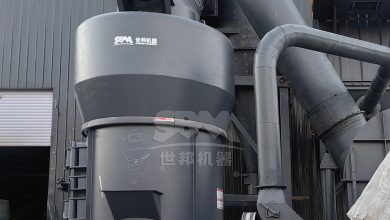
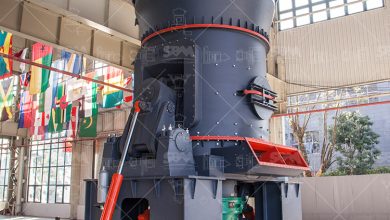
Selecting the right VRM is critical for achieving optimal plant performance. Our company offers a comprehensive range of Vertical Roller Mills engineered specifically for the rigorous demands of power generation. Among our flagship products, the LM Series Vertical Roller Mill stands out as an ideal solution for coal grinding applications.
LM Series Vertical Coal Mill: Engineered for Excellence
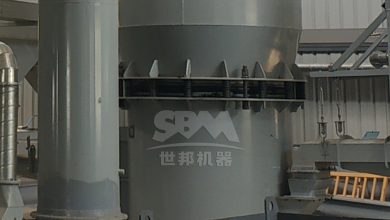
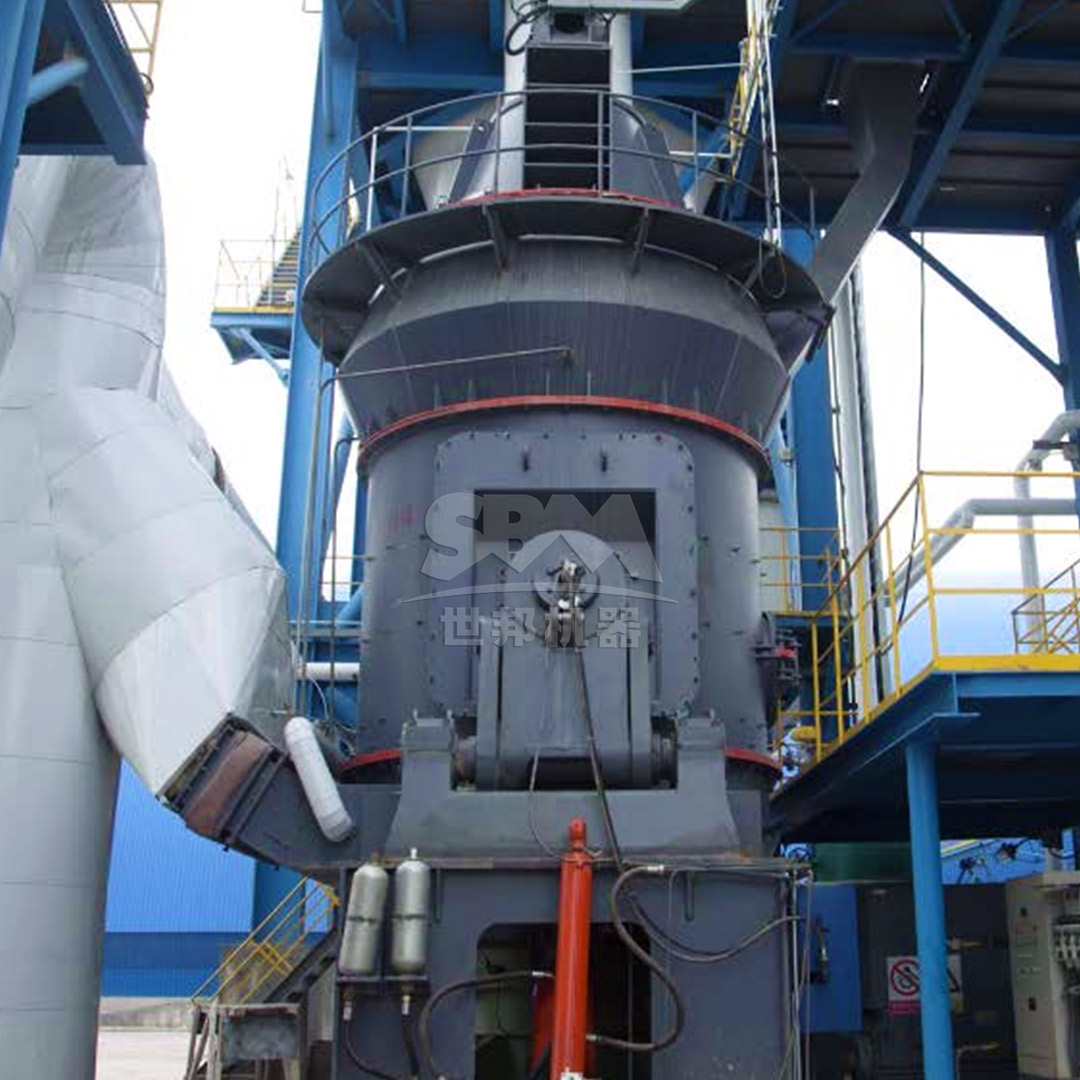
Our LM Vertical Coal Mill series is designed based on decades of research and field experience. It encapsulates all the advantages of modern VRM technology while incorporating proprietary innovations for reliability and ease of maintenance.
Core Technical Advantages:
- Integrated & Compact Design: The system combines crushing, grinding, drying, and classification in a single unit, reducing footprint by 50% and allowing for outdoor installation, which cuts civil engineering costs by 40%.
- Low Operational Cost: Featuring a non-contact design between grinding rollers and the table liner, the wear life of consumable parts is extended by up to 3 times. The system’s energy consumption is 30-40% lower than traditional ball mill systems.
- Intelligent Control System: Equipped with an expert-level automatic control system supporting remote/local operation切换. It enables real-time monitoring of key parameters like grinding pressure, differential pressure, and product fineness, minimizing manual intervention and ensuring consistent performance.
- Environmental Compliance: The mill operates under full-sealed negative pressure, guaranteeing dust emissions <20mg/m³. Its optimized design ensures operational noise levels are ≤80dB(A).
Key Model for Power Plants: For medium to large-scale power plant applications, the LM220M model is a highly recommended choice. With a grinding disc diameter of 2200mm and a main motor power of 500kW, it offers a reliable processing capacity of 35-50 tons per hour. It handles feed coal up to 50mm in size and delivers the precise fineness (R0.08 = 5-20%) required for efficient combustion in pulverized coal boilers.
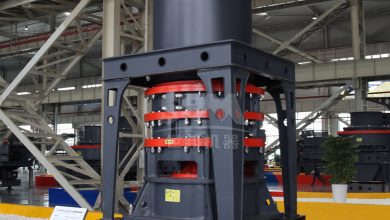
For plants requiring ultra-fine pulverization of other materials or seeking the ultimate in fineness control for specialized applications, our SCM Series Ultrafine Mill represents the pinnacle of grinding technology. Capable of achieving an output fineness between 325 and 2500 mesh (D97 ≤ 5μm), the SCM mill is renowned for its high-efficiency classification system and energy-saving design, consuming 30% less energy than comparable jet mills. While typically used for non-metallic minerals, its precision engineering principles inform the robust design of our larger coal mills.
Conclusion
The adoption of Vertical Roller Mill technology for coal grinding is no longer an alternative but a strategic necessity for power plants aiming for peak efficiency, cost-effectiveness, and environmental stewardship. The transition from traditional systems to VRMs delivers tangible benefits in reduced energy consumption, lower maintenance costs, superior product quality, and a smaller environmental footprint.
Investing in a reliable and technologically advanced VRM, such as our proven LM Series Vertical Coal Mill, provides a future-proof foundation for your coal preparation process. By ensuring a consistent supply of optimally pulverized coal to the boiler, you directly contribute to stable combustion, higher plant availability, and ultimately, a more competitive and sustainable power generation operation.