Glass Fiber Waste Recycling: Processing Methods and Industrial Applications
Introduction
The global composite materials industry, heavily reliant on glass fiber-reinforced plastics (GFRP), faces a growing environmental challenge: the disposal of end-of-life products and manufacturing scrap. With millions of tons of GFRP waste generated annually, landfilling is increasingly untenable due to environmental regulations and resource scarcity. Effective recycling of glass fiber waste is not merely an environmental imperative but a significant economic opportunity, transforming waste into valuable secondary raw materials for diverse industrial applications. This article explores the established and emerging processing methods for glass fiber waste and examines its potential applications, with a focus on the critical role of advanced grinding technology in creating high-value recycled products.
Challenges in Glass Fiber Waste Recycling
Recycling glass fiber composites is inherently complex. The intimate bonding between the glass fibers and the polymer matrix (typically polyester, epoxy, or vinyl ester) makes separation difficult. Mechanical recycling, the most common method, involves size reduction to liberate the fibers from the matrix. However, this process often damages the fibers, reducing their length and aspect ratio, which are key determinants of their reinforcing capability. The primary goals of processing are to achieve efficient liberation of the fibers, minimize fiber degradation, and produce a clean, consistent powder or fibrous product suitable for reuse.
Processing Methods for Glass Fiber Waste
1. Primary Size Reduction (Coarse Crushing)
The first step in mechanical recycling is coarse crushing. Large GFRP components, such as wind turbine blades, automotive parts, or boat hulls, are shredded or crushed into smaller chips or flakes, typically ranging from 20mm to 50mm. This step facilitates handling and prepares the material for subsequent fine grinding. Robust equipment like hammer mills or jaw crushers are employed here, designed to handle the abrasive nature of glass fibers.
2. Fine Grinding and Liberation
This is the most critical stage, where the composite chips are pulverized to separate the glass fibers from the polymer resin. The objective is to achieve a fine, homogeneous powder where the glass is sufficiently liberated. The choice of grinding technology profoundly impacts the quality of the output—its particle size distribution, fiber length retention, and cleanliness.
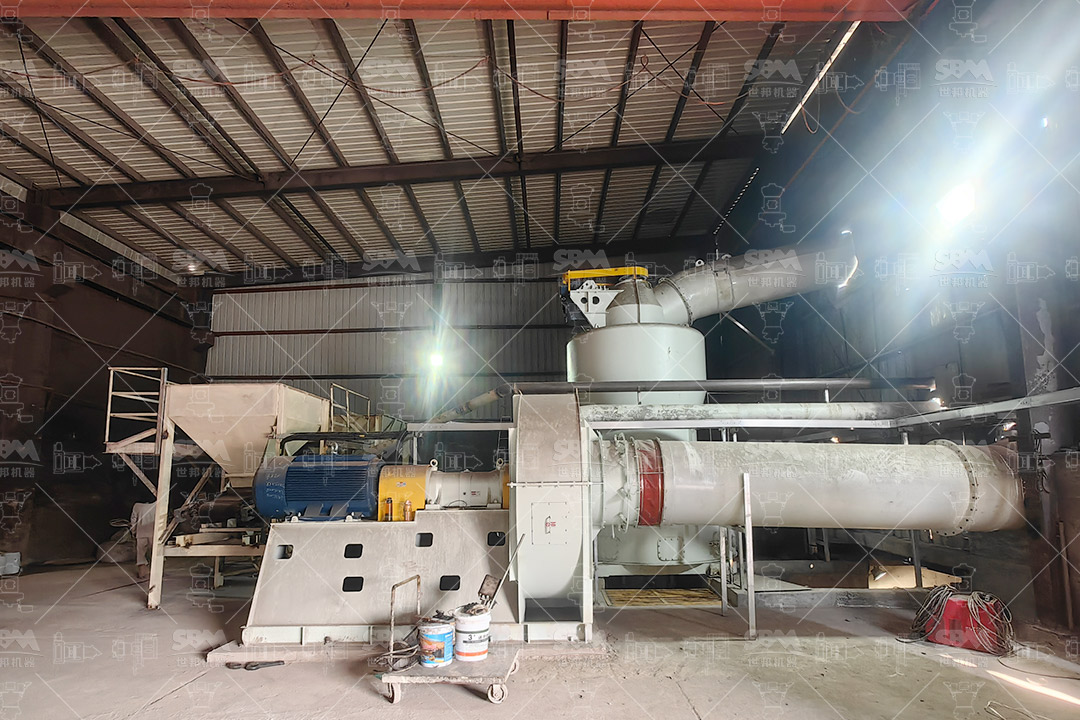
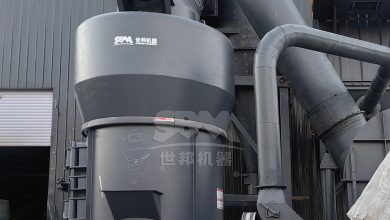
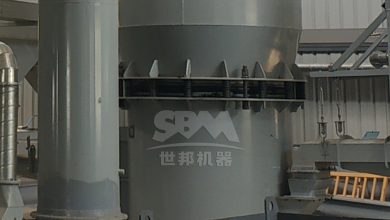
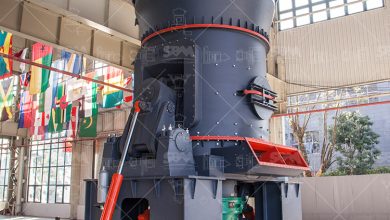
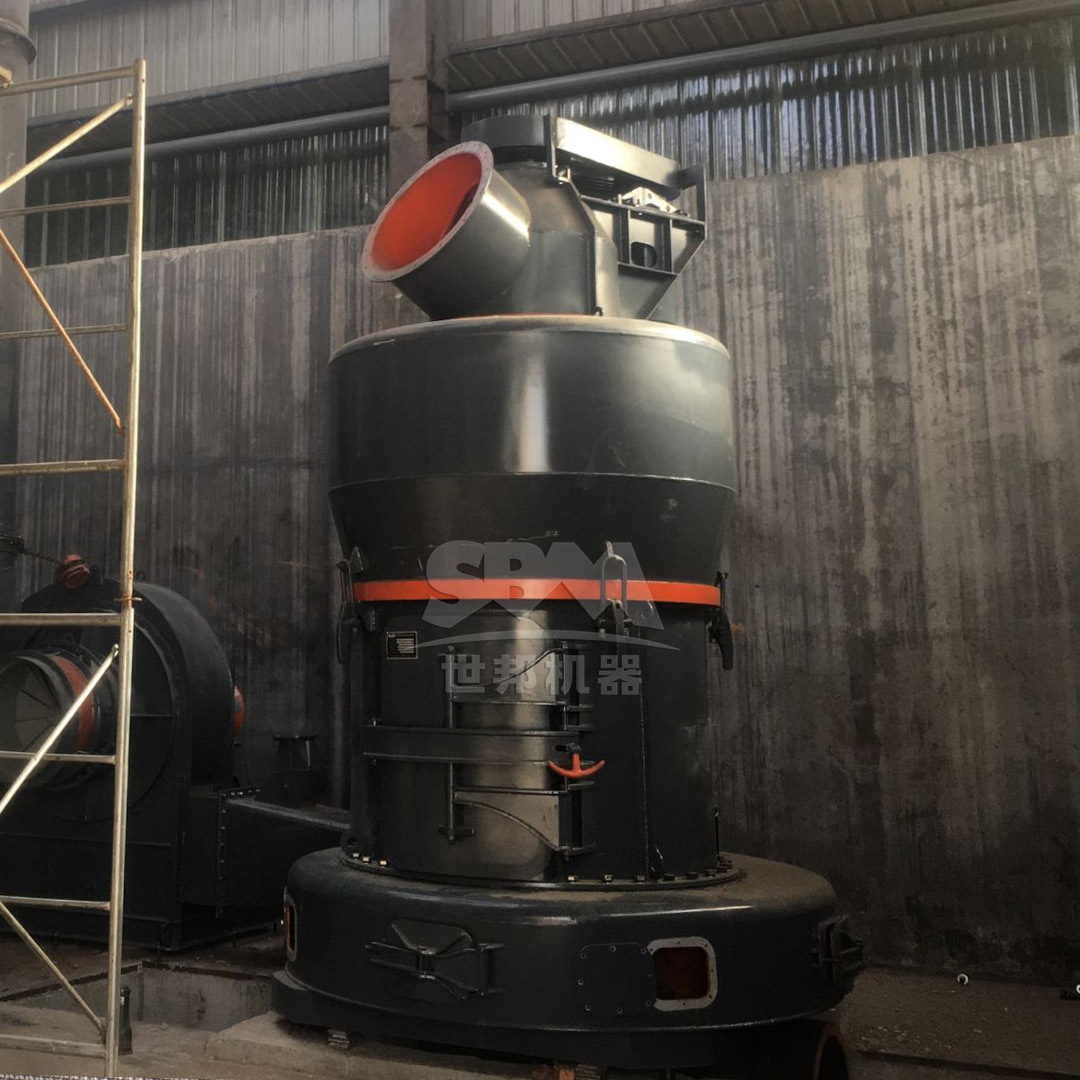
Traditional ball mills can be used but may offer limited control over final particle size and can be energy-intensive. For high-volume processing requiring consistent mid-range fineness (e.g., 30-325 mesh or 600-45μm), trapezium mills offer an excellent balance of efficiency, capacity, and control. For instance, the MTW Series Trapezium Mill is engineered for such demanding applications. Its combination of a wear-resistant shovel blade design, optimized curved air duct for minimal energy loss, and an integrated conical gear transmission (98% efficiency) makes it highly suitable for processing abrasive materials like GFRP waste. With a feed size of up to 50mm and capacities ranging from 3 to 45 tons per hour, it can efficiently handle the output from primary crushers, producing a finely ground powder where glass and resin are effectively separated for further processing or direct application as filler.
3. Ultra-Fine Grinding for High-Value Applications
To unlock the highest value from recycled glass fiber, particularly for use as a high-performance filler or in chemical recycling feedstocks, ultra-fine grinding is essential. This process reduces the material to a fine powder with a particle size often below 10μm (over 1250 mesh). At this scale, the powder exhibits high surface area and can act as a functional filler, improving mechanical properties in new composites or construction materials.
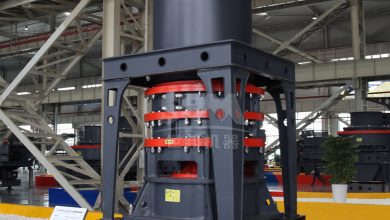
This demands specialized technology. The SCM Series Ultrafine Mill is specifically designed for this purpose. Capable of achieving a fineness range from 325 to 2500 mesh (D97 ≤ 5μm), it utilizes a vertical turbine classifier for precise particle size cuts, ensuring a uniform product without coarse grain contamination. Its high-efficiency grinding mechanism, coupled with energy-saving designs that can reduce power consumption by 30% compared to jet mills, makes it ideal for producing premium-grade recycled glass fiber powder. The enclosed system with pulse dust collection also ensures an environmentally clean operation, crucial for handling fine particulate matter.
4. Separation and Classification
Following grinding, separation techniques such as air classification or screening are used to segregate materials based on size, density, or fiber length. This step can produce different product streams: a fine powder rich in resin and fine glass fragments, and a coarser fraction containing longer, potentially more valuable liberated fibers. Advanced classifiers integrated into mills like the SCM and MTW series enable precise in-line separation, enhancing product quality and value.
5. Alternative and Complementary Methods
- Pyrolysis: Thermal decomposition in an oxygen-free environment to recover fibers and energy from the resin. The recovered fibers often require subsequent cleaning and may be shorter.
- Solvolysis: Chemical processes using solvents to dissolve the polymer matrix, potentially recovering higher-quality fibers and reusable resin components. This method often benefits from feed material that has been pre-ground to increase surface area for reaction.
Industrial Applications of Recycled Glass Fiber
The processed glass fiber waste finds use in several sectors, creating a circular economy loop.
1. Construction and Building Materials
This is the largest application area. Recycled glass fiber powder serves as a filler or reinforcement in:
- Cement and Concrete: Improves toughness, reduces weight, and can mitigate shrinkage cracks.
- Asphalt: Used as a modifier in asphalt mixtures for roads, enhancing stability and durability.
- Gypsum Products: Added to plasterboard and related products for improved fire resistance and strength.
2. New Composite Materials
Recycled fibers, especially longer ones recovered through careful processing, can be used as a partial replacement for virgin glass fibers in lower-grade composites, such as:
- Sheet Molding Compound (SMC) and Bulk Molding Compound (BMC) for automotive non-structural parts.
- Industrial panels and sanitary ware.
3. Fillers and Additives
The ultra-fine powder acts as a functional filler in:
- Paints and coatings, providing texture and reinforcement.
- Thermoplastics and rubber products, reducing material costs and altering physical properties.
4. Other Applications
- Absorbent material for oil spills (treated fibers).
- Raw material for fiberglass insulation production.
The Role of Advanced Grinding Technology
The economic and technical viability of glass fiber recycling hinges on efficient and adaptable size reduction technology. The processing equipment must be robust enough to handle abrasive materials, energy-efficient to ensure cost-effectiveness, and precise enough to deliver the specific particle sizes required by downstream markets.
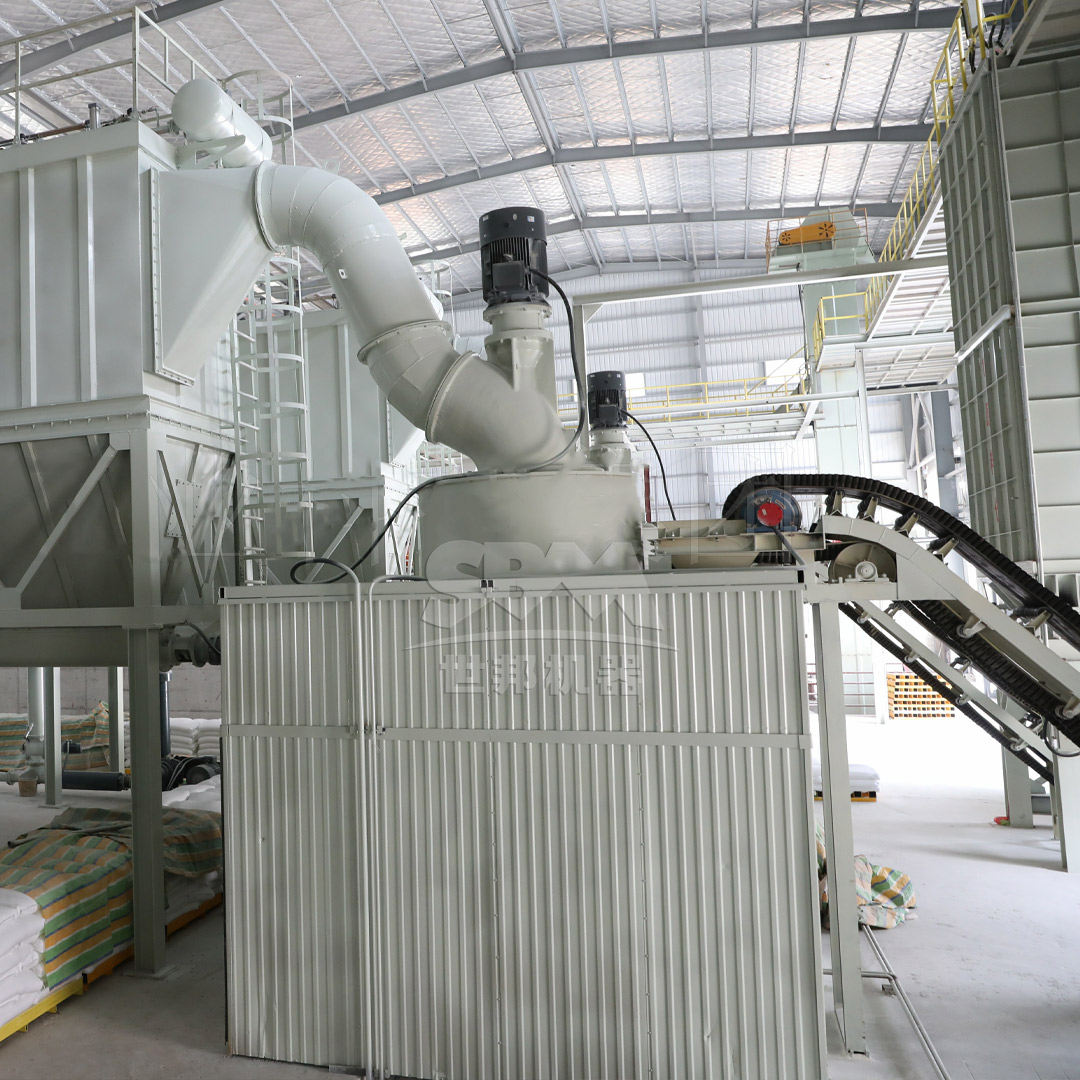
Mills like the MTW Series for mid-range grinding and the SCM Series for ultra-fine grinding represent the technological backbone of a modern recycling plant. Their advantages—high capacity, precise classification, energy efficiency, and low-noise, low-dust operation—directly translate into higher quality recycled products, lower operational costs, and improved environmental performance. By selecting the appropriate grinding solution, recyclers can tailor their output to meet the exact specifications of high-value applications, maximizing the return on investment from waste glass fiber.
Conclusion
Glass fiber waste recycling is a rapidly evolving field essential for the sustainability of composites industries. While challenges remain in preserving fiber quality, mechanical processing through advanced grinding technologies offers a practical and scalable solution. The resulting powders and fibers have proven applications in construction, manufacturing, and beyond, closing the material loop and reducing environmental impact. As technology advances and markets for recycled materials grow, investing in efficient processing systems—such as high-performance trapezium and ultrafine mills—will be key to unlocking the full economic and environmental potential of glass fiber waste recycling.