Carbon Silicon Carbide Production Equipment: A Comprehensive Guide to Grinding and Processing Machinery
Introduction
The production of high-performance materials like Carbon Silicon Carbide (SiC) demands precision, efficiency, and reliability at every stage of processing. From initial crushing to final micronization, the choice of grinding and milling equipment is paramount in determining product quality, production cost, and overall operational success. This guide provides a detailed overview of the key machinery involved in the SiC processing chain, focusing on the technological principles and selection criteria essential for modern production facilities.
The SiC Processing Chain: From Raw Material to Finished Powder
The transformation of silicon carbide raw materials into usable powders follows a multi-stage process. Initially, large chunks or aggregates require primary and secondary crushing to reduce them to a manageable feed size for fine grinding. Subsequently, the material undergoes milling to achieve the target particle size distribution, which is critical for applications in abrasives, refractories, ceramics, and advanced composites. Each stage presents unique challenges, including material hardness (Mohs scale ~9.5), abrasiveness, and the need for precise particle size control, especially for sub-micron grades.
Core Machinery for Crushing and Grinding
1. Primary and Secondary Crushing
Before fine grinding, raw SiC must be reduced to a uniform feed size. Jaw crushers and hammer mills are typically employed for this purpose.
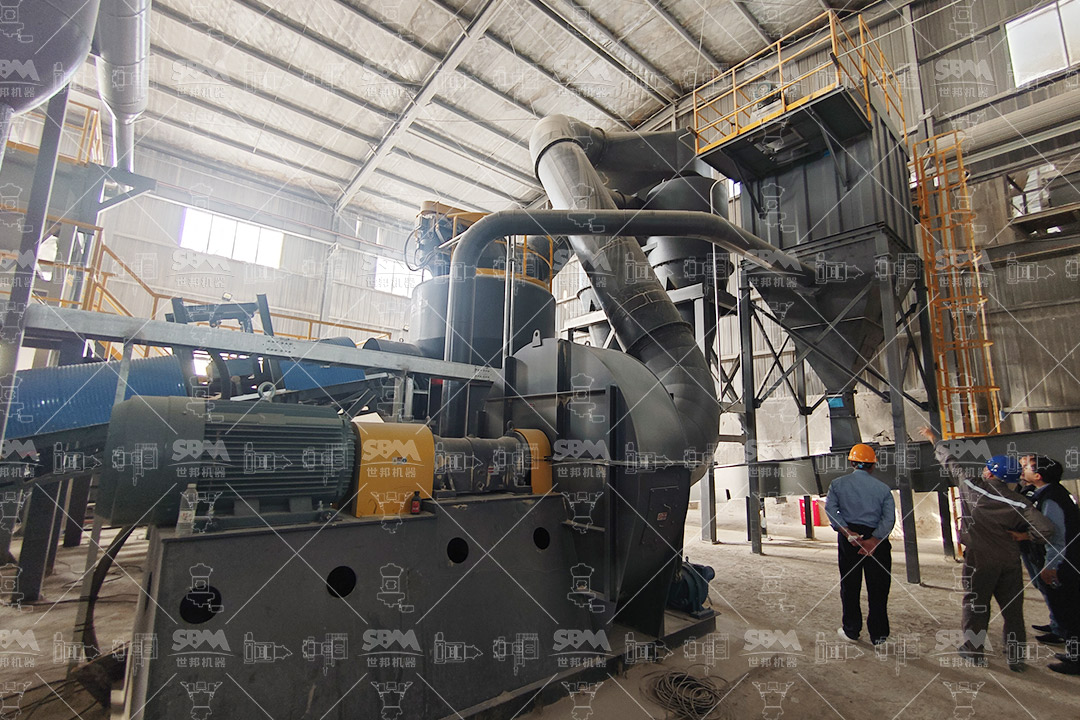
- Hammer Mills: Ideal for intermediate crushing, hammer mills like our PC4012-90 model efficiently reduce 0-40mm feed to 0-3mm particles. Their high-speed rotor with wear-resistant manganese steel hammers delivers a high reduction ratio and stable output, preparing material perfectly for subsequent milling stages. The compact design also minimizes plant footprint.
2. Fine and Ultrafine Grinding
This is the heart of SiC powder production. The equipment selection here depends heavily on the required final fineness and production capacity.
- Ball Mills: A traditional and robust solution for grinding to medium fineness (0.074-0.8mm). They operate on the principle of impact and attrition using steel balls within a rotating cylinder. Models like the GMQG series offer large capacity and reliability for continuous production lines.
- Trapezium Mills (MTW/MTM Series): These mid-speed grinding mills offer excellent efficiency for producing powders in the 45-325 mesh (600-45μm) range. The MTW Series, with its curved air duct, integral transmission, and wear-resistant design, provides higher capacity and lower energy consumption compared to traditional Raymond mills. It is an excellent choice for high-volume production of standard SiC powders.
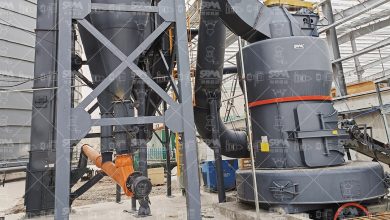
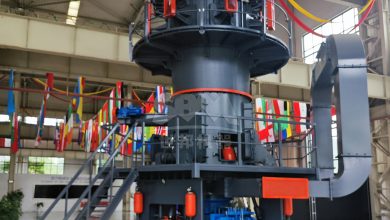
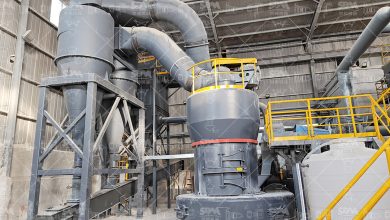
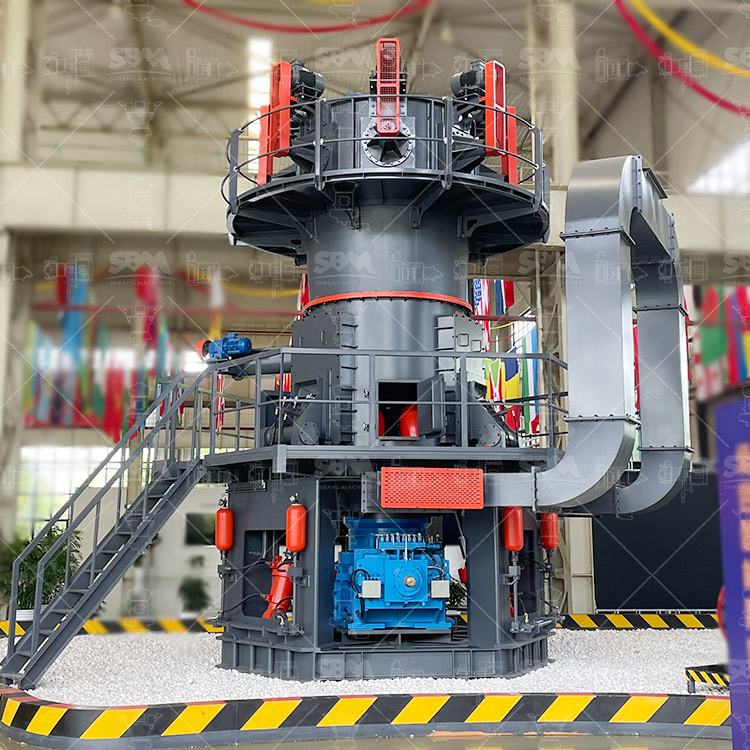
- Vertical Roller Mills (LM Series): For large-scale production of fine powders (30-325 mesh), Vertical Roller Mills are the industry benchmark. The LM series operates on the principle of bed crushing between rollers and a rotating table, offering remarkable energy savings of 30-40% over ball mills. Their integrated drying, grinding, and classifying system makes them highly efficient and space-saving. The modular roller assembly allows for quick maintenance, crucial for processing abrasive materials like SiC.
The Pinnacle of Precision: Ultrafine Grinding for High-Grade SiC
Producing superfine and ultrafine silicon carbide powders (finer than 325 mesh, down to 5μm) requires advanced technology that balances grinding energy, classification accuracy, and system stability. For this demanding application, specialized ultrafine mills are essential.
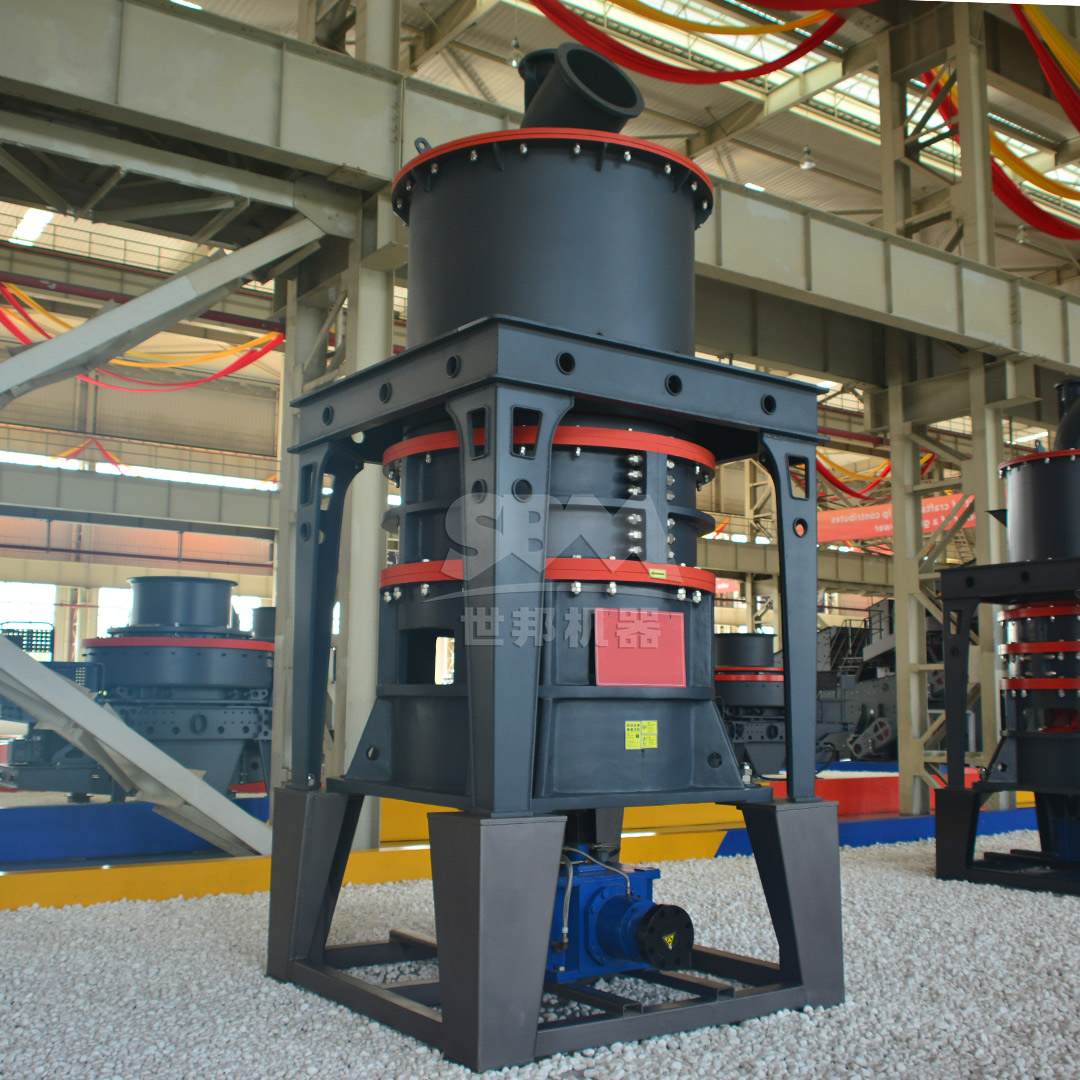
We highly recommend our flagship SCM Ultrafine Mill for this critical stage. Engineered specifically for producing fine and ultrafine powders, the SCM series is perfectly suited for high-value SiC applications.
Why the SCM Ultrafine Mill is Ideal for SiC Processing:
- Unmatched Fineness and Yield: It reliably achieves fineness between 325 and 2500 mesh (D97 ≤ 5μm), meeting the strict specifications for advanced ceramics and composites. With a capacity up to 25 tons per hour (depending on the model), it delivers high output for its category.
- Superior Classification: The integrated vertical turbine classifier ensures precise particle size cuts, eliminating coarse particles from the final product and guaranteeing a uniform, narrow size distribution.
- Exceptional Durability:Recognizing the abrasive nature of SiC, the SCM mill features specially hardened grinding rollers and rings, significantly extending service life and reducing maintenance frequency. Its innovative bearing-less screw design in the grinding chamber enhances operational stability.
- Eco-Friendly and Efficient: The mill system incorporates a high-efficiency pulse dust collector that exceeds international emission standards. Furthermore, its soundproof design maintains noise levels below 75dB, ensuring a better working environment.
For operations requiring a robust solution for high-volume fine powder production rather than ultrafine, our MTW Series Trapezium Mill presents an outstanding alternative. Its combination of high capacity (up to 45 TPH), reliable performance, and lower operational cost makes it a workhorse for standard SiC powder manufacturing.
Ancillary and Support Systems
No grinding line is complete without efficient support equipment. This includes:
- Feeding Systems: Vibrating feeders ensure a consistent and controlled supply of material to the mill, optimizing its performance.
- Classification Systems: Dynamic classifiers, often integrated into mills like the SCM and LM series, are vital for real-time particle size control.
- Dust Collection: Comprehensive pulse-jet baghouse dust collectors are mandatory to capture fine SiC dust, protect equipment, ensure worker safety, and meet environmental regulations.
- Automation & Control: Modern PLC-based control systems allow for remote monitoring and adjustment of mill parameters, ensuring consistent product quality and operational efficiency.
Conclusion: Selecting the Right Equipment for Your Needs
Building an efficient SiC processing line requires a strategic selection of machinery tailored to your specific raw material, target product specifications, and production goals. The journey from coarse aggregate to premium powder involves a cascade of equipment where each machine’s performance impacts the next.
For coarse and intermediate crushing, robust hammer mills provide the necessary reduction. For high-tonnage fine grinding, Vertical Roller Mills (LM Series) or large Trapezium Mills (MTW Series) offer unbeatable efficiency. When the target shifts to ultrafine, high-purity powders essential for advanced technologies, the SCM Ultrafine Mill stands out as a specialized, reliable, and high-performance solution designed to master the challenges posed by abrasive materials like silicon carbide.
Investing in the right technology not only secures product quality but also optimizes energy consumption, minimizes downtime, and ensures long-term profitability in the competitive field of advanced material manufacturing.