Analysis of Wollastonite Application Trends in Modern Industries
Introduction: The Rise of a Versatile Mineral
Wollastonite, a naturally occurring calcium inosilicate (CaSiO3), has evolved from a niche mineral into a critical industrial material. Characterized by its acicular (needle-like) crystal structure, high brightness, low moisture absorption, and chemical stability, it offers a unique combination of properties that modern industries increasingly demand. The global push towards sustainable, high-performance, and cost-effective materials has positioned wollastonite at the forefront of innovation across sectors such as polymers, ceramics, paints, and construction. This article analyzes the key application trends driving wollastonite consumption and explores the technological advancements in processing that are essential to meet the stringent quality requirements of these modern applications.
Key Application Trends and Market Drivers
1. Polymer Composites and Automotive Lightweighting
The polymer industry is the largest consumer of wollastonite. Its acicular morphology acts as a reinforcing agent, improving the tensile and flexural strength of thermoplastics (like polypropylene and nylon) and thermosets. In the automotive sector, the drive for lightweighting to improve fuel efficiency and reduce emissions has accelerated the use of wollastonite-filled composites in under-the-hood components, interior trim, and body panels. The mineral’s low thermal expansion coefficient enhances dimensional stability, while its whiteness allows for greater flexibility in coloring. The trend demands wollastonite with very high aspect ratios and ultra-fine, consistent particle sizes to maximize reinforcement without compromising processability.
2. Advanced Ceramics and Friction Materials
In ceramic bodies, wollastonite serves as a source of calcium oxide, reducing firing shrinkage and promoting fast firing cycles, which leads to significant energy savings. Its use in sanitaryware, tiles, and technical ceramics is well-established. A growing trend is its application in low-metallic and non-asbestos organic (NAO) friction materials for brakes and clutches. Wollastonite’s stable thermal properties and fibrous nature help maintain friction coefficient stability, reduce wear, and dampen noise—a critical requirement in electric vehicles where traditional brake noise is more noticeable. This application requires carefully controlled particle size distributions and high chemical purity.
3. Paints, Coatings, and Construction
Wollastonite is a high-performance functional extender in paints and coatings. Its needle-like structure improves suspension, reduces settling, and enhances film durability and scrub resistance. In construction, it is used in specialty plasters, mortars, and autoclaved aerated concrete (AAC) for its binding properties and contribution to strength. The overarching trend across these sectors is towards higher durability, lower VOC (volatile organic compound) content, and improved sustainability. Wollastonite, being a natural, low-carbon-footprint material, aligns perfectly with these goals, but requires processing equipment capable of delivering precise fineness and maintaining particle morphology.
The Critical Role of Precision Processing Technology
The value of wollastonite in advanced applications is directly tied to its particle size, shape (aspect ratio preservation), and purity after processing. Traditional crushing and grinding methods can damage the acicular structure, reducing performance benefits. Therefore, modern wollastonite processing relies on advanced milling and classification technologies that can achieve ultra-fine sizes while minimizing particle destruction.
The process typically begins with primary crushing, followed by fine grinding to liberate the needles. The most critical step is the final precision milling and classification to achieve the target fineness—often in the range of 325 mesh (45μm) to 2500 mesh (5μm) for high-end applications. This demands grinding systems with high classification efficiency, precise temperature control to prevent thermal degradation, and robust designs to handle abrasive materials.
Enabling Advanced Applications with SBM Machinery
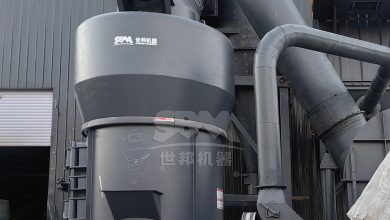
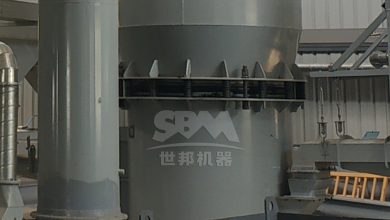
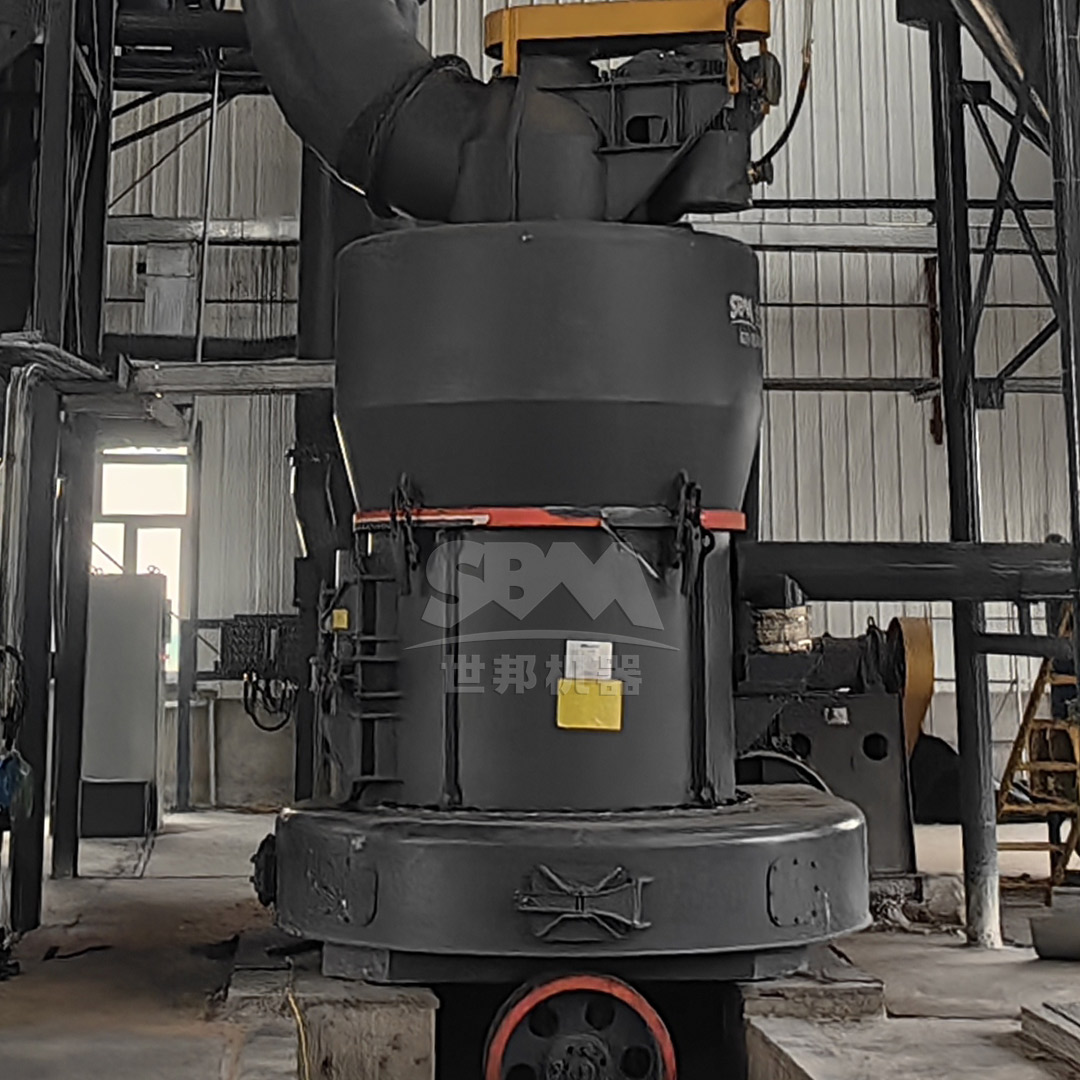
To consistently produce wollastonite powder that meets the exacting standards of modern industries, manufacturers require reliable, efficient, and precise grinding solutions. SBM Machinery’s extensive portfolio of grinding mills offers tailored solutions for every stage of wollastonite processing.
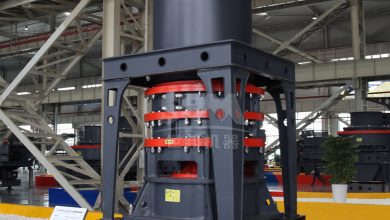
Recommended Solution 1: SCM Series Ultrafine Mill (45-5μm)
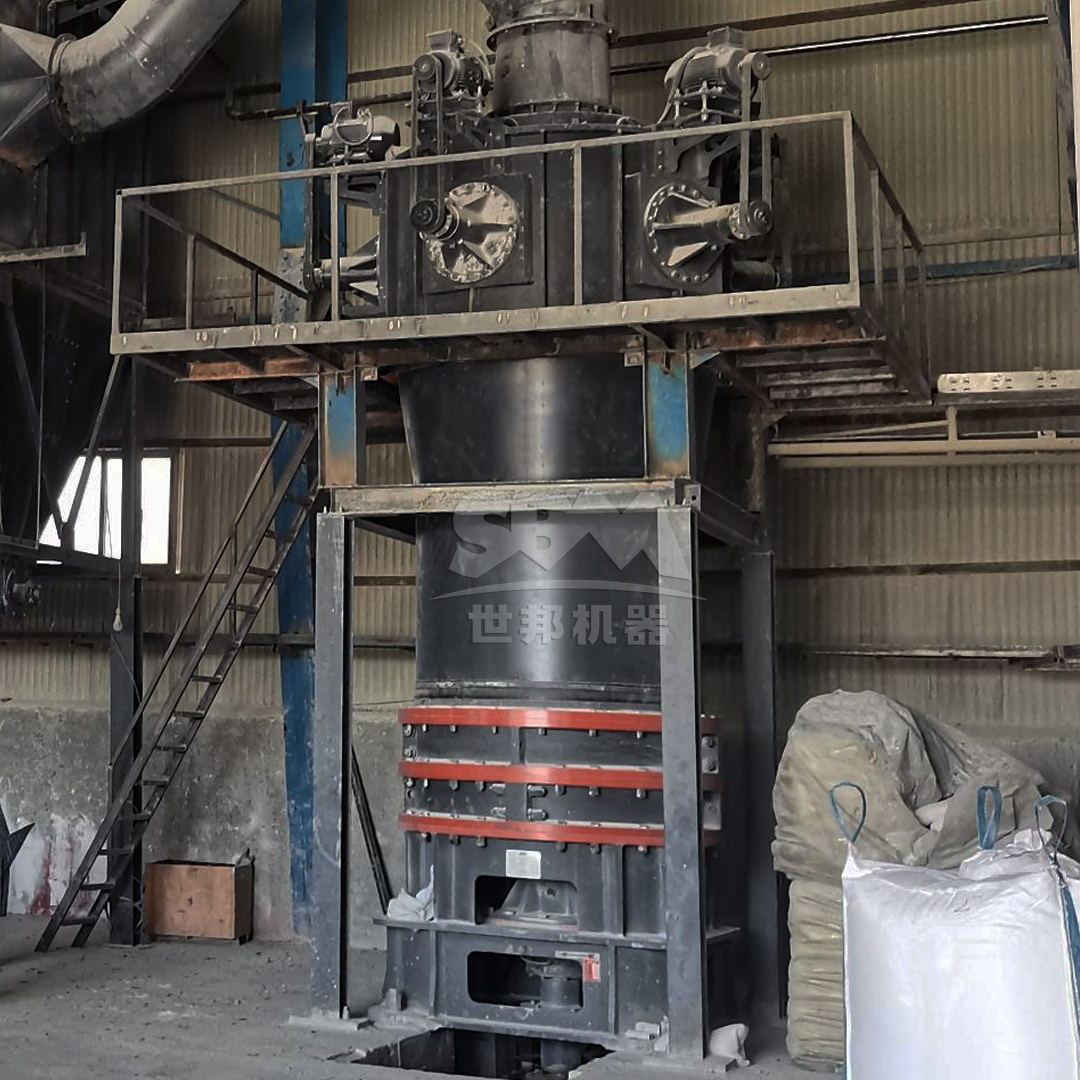
For producing the ultra-fine, high-aspect-ratio wollastonite powders demanded by premium polymer composites and advanced coatings, the SCM Series Ultrafine Mill is the ideal choice. Its core strength lies in achieving a fineness range of 325 to 2500 mesh (D97 ≤ 5μm) while maintaining excellent particle morphology.
- High-Efficiency & Energy Saving: Compared to traditional jet mills, it offers double the capacity with 30% lower energy consumption. Its intelligent control system provides automatic feedback on product fineness, ensuring consistent quality.
- High-Precision Classification: The integrated vertical turbine classifier enables precise particle size cuts, guaranteeing a uniform product without coarse particle contamination.
- Durability for Abrasive Materials: Specially hardened grinding rollers and rings offer a service life several times longer than standard components. The innovative bearing-less screw design in the grinding chamber ensures stable, low-vibration operation perfect for hard materials like wollastonite.
- Eco-Friendly Operation: With a pulse dust collector exceeding international standards and soundproofing for noise levels below 75dB, it supports sustainable production goals.
For medium to large-scale production lines, the SCM1250 model (2.5-14 ton/h, 185kW) or the SCM1680 model (5.0-25 ton/h, 315kW) provide the perfect balance of high throughput and exceptional fineness control for wollastonite processing.
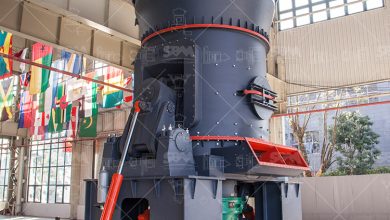
Recommended Solution 2: MTW Series European Trapezium Mill (600-45μm)
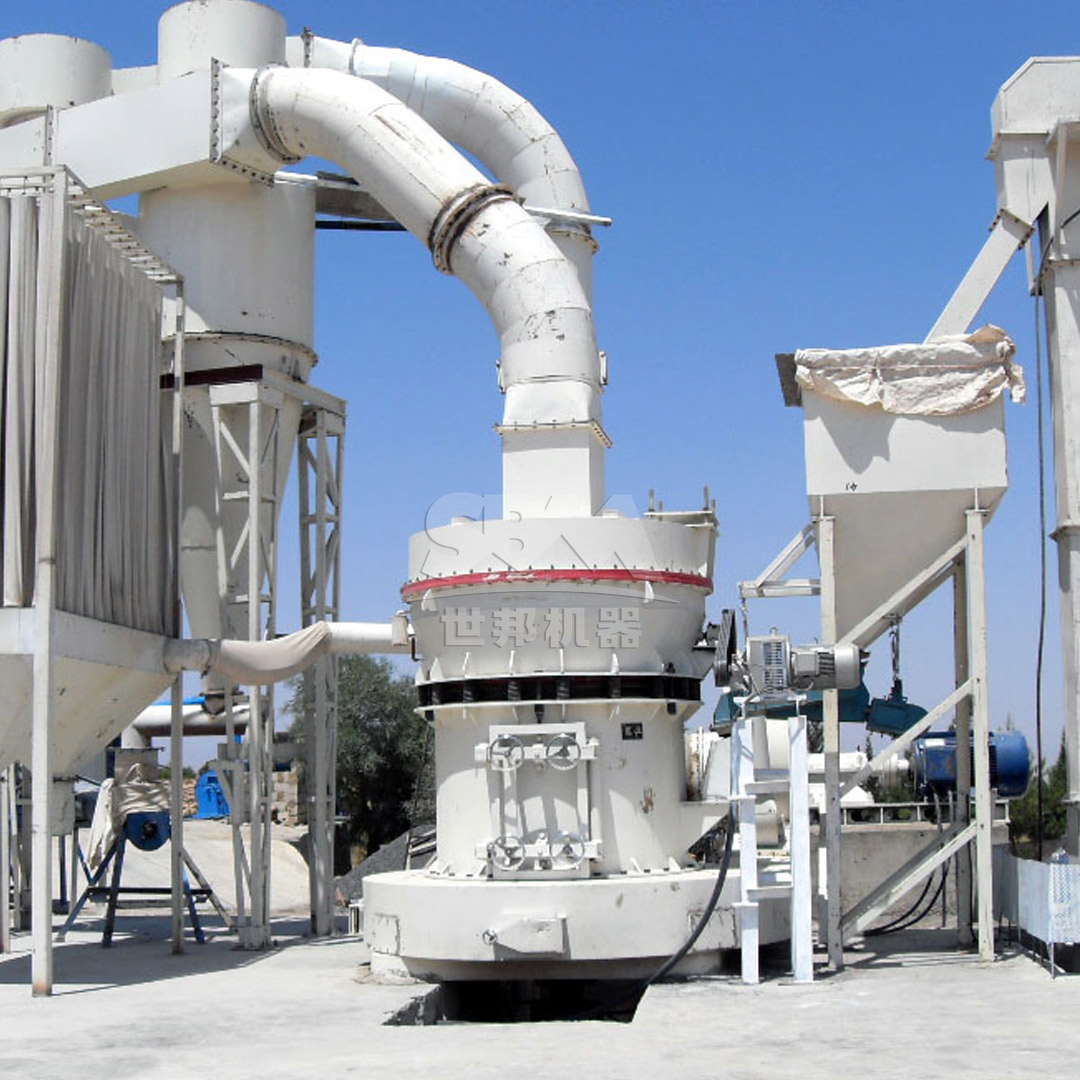
For applications requiring wollastonite in the coarse to medium-fine range, such as in ceramics, friction materials, and construction products, the MTW Series European Trapezium Mill offers unmatched efficiency and reliability. It handles feed sizes up to 50mm and delivers a fineness range of 30-325 mesh.
- Optimized Wear Resistance: The modular wear-resistant shovel design and curved air channel reduce maintenance costs and energy loss, directly lowering the operating cost per ton of wollastonite processed.
- High Transmission Efficiency: The integral bevel gear transmission achieves 98% efficiency, saving space and installation costs while ensuring powerful, smooth operation.
- Intelligent & Adaptable: The mill’s design allows for easy integration with various dust collection and feeding systems, making it a versatile centerpiece for a complete wollastonite grinding plant.
Models like the MTW175G (9.5-25 ton/h) or the MTW215G (15-45 ton/h) are particularly suited for high-volume production of wollastonite fillers and extenders, where consistent quality and low operational cost are paramount.
Future Outlook and Conclusion
The future of wollastonite is intrinsically linked to material science innovation and sustainability. Emerging applications in biomaterials, flame-retardant composites, and as a substitute for more energy-intensive materials will continue to drive demand. The key to unlocking these opportunities lies in advanced processing. The ability to reliably produce wollastonite with tailored particle size distributions, preserved crystal structure, and high purity will separate industry leaders from followers.
Investing in advanced grinding technology, such as the SCM Ultrafine Mill for high-end markets or the robust MTW Series Trapezium Mill for core industrial applications, is not merely an equipment purchase but a strategic decision to secure a position in the high-value wollastonite supply chain. As industries continue to seek performance and sustainability, wollastonite, processed with precision and efficiency, is poised to remain a material of critical importance.