How Is Silicon Carbide Powder Produced? | Manufacturing Process Explained
Introduction to Silicon Carbide Powder
Silicon Carbide (SiC), also known as carborundum, is a synthetic compound of silicon and carbon renowned for its exceptional hardness, thermal conductivity, and chemical inertness. Its applications span across abrasives, refractories, ceramics, and, increasingly, as a critical material in semiconductors and power electronics. The performance of SiC in these advanced applications is heavily dependent on the purity, particle size distribution, and morphology of the powder. Therefore, understanding and controlling the manufacturing process is paramount. This article delves into the primary production methods for silicon carbide powder, from raw material synthesis to the precise grinding and classification stages that define the final product’s characteristics.
Stage 1: The Acheson Process – Synthesis of Silicon Carbide
The journey of SiC powder begins with its synthesis. The dominant industrial method is the Acheson process, developed in the late 19th century. This high-temperature, resistance-furnace technique involves mixing high-purity quartz sand (SiO2) and petroleum coke (C) as the primary raw materials. Sawdust is often added to create porosity, allowing gases to escape, and salt (NaCl) may be included to remove impurities like iron and aluminum.
The mixture is packed around a central graphite core (the “hearth”) in a large, brick-lined furnace. An electric current passed through the graphite core heats the surrounding mixture to temperatures between 1,700°C and 2,500°C. Over a period of 24 to 36 hours, a complex carbothermal reduction reaction occurs: SiO2 + 3C → SiC + 2CO. The resulting product is a massive cylindrical ingot of crystalline SiC surrounding the core. This ingot consists of several zones: a high-purity, dense core of alpha-SiC (the most desirable form), surrounded by lower-grade material and unreacted mix. The ingot is then broken apart, sorted, and the high-quality alpha-SiC is selected for further processing.
Stage 2: Primary Crushing and Coarse Grinding
The selected SiC crystals are extremely hard (9.5 on the Mohs scale,仅次于金刚石), making size reduction a challenging and equipment-intensive process. The initial crushing breaks the large ingot pieces down to a manageable size, typically below 50mm.
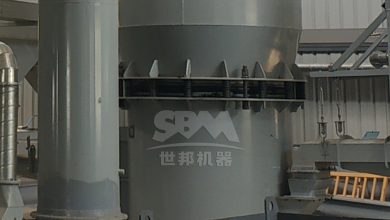
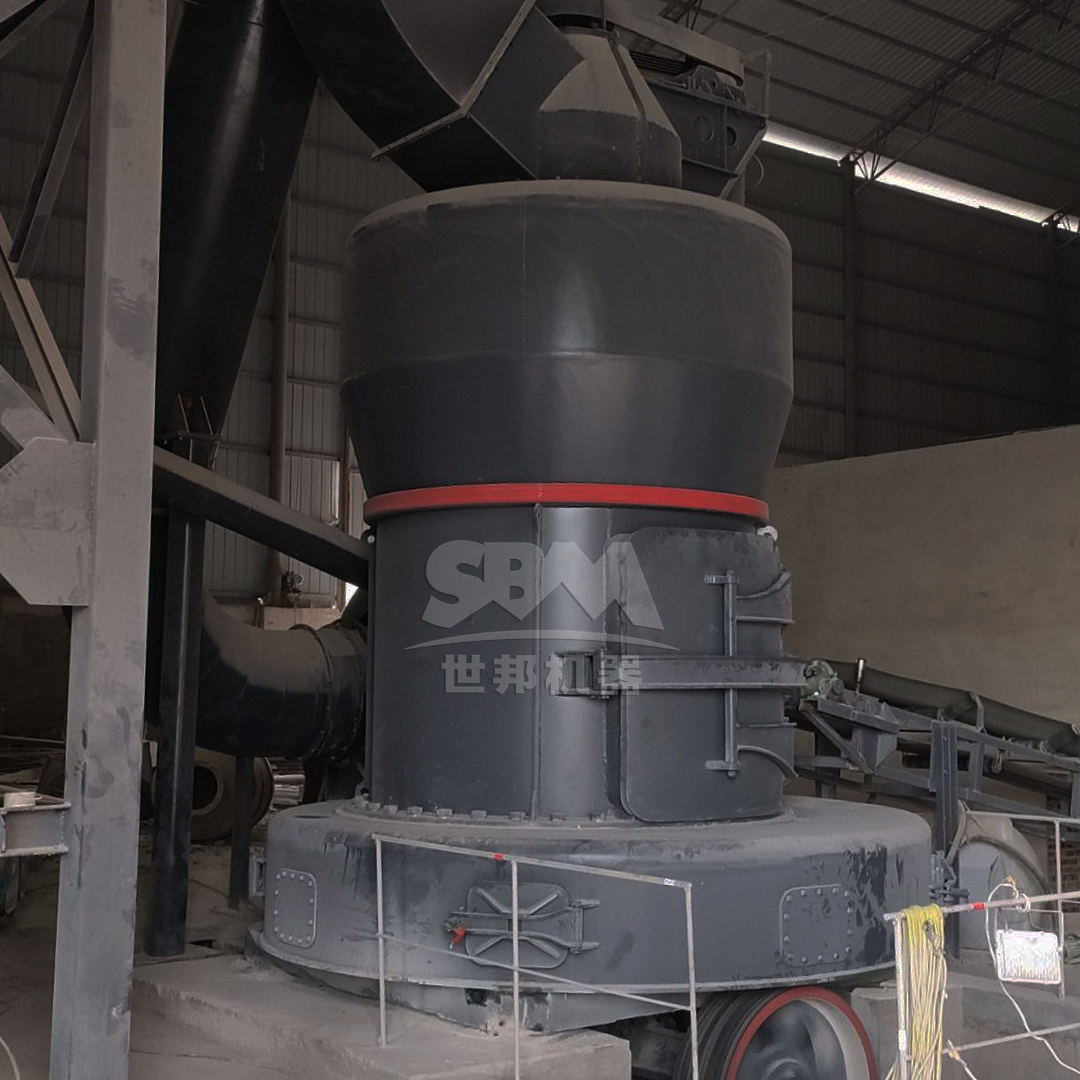
Jaw crushers and cone crushers are commonly employed for this primary stage. Following this, coarse grinding equipment like Hammer Mills or MTW Series Trapezium Mills come into play to reduce the material to a millimeter or sub-millimeter scale. For instance, our MTW Series Trapezium Mill is exceptionally suited for this intermediate grinding stage. Its robust construction, featuring wear-resistant shovel blades and an optimized curved air duct, efficiently handles the abrasive SiC feed (up to ≤50mm) and reduces it to a coarse powder in the 30-100 mesh range. The high transmission efficiency of its integral conical gear drive ensures reliable and cost-effective operation during this demanding phase.
Stage 3: Fine and Ultrafine Grinding – The Heart of Powder Production
This stage is critical for producing the fine and ultrafine SiC powders required for advanced ceramics, polishing, and functional fillers. The goal is to achieve a specific particle size distribution (e.g., D50, D97) with minimal contamination and controlled particle shape. Ball mills have been traditionally used, but modern processes favor more efficient and controllable technologies.
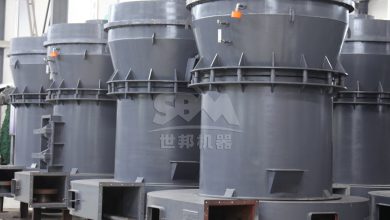
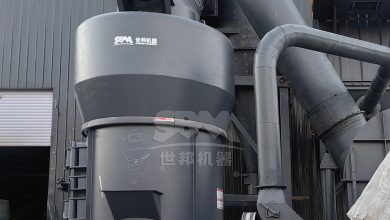
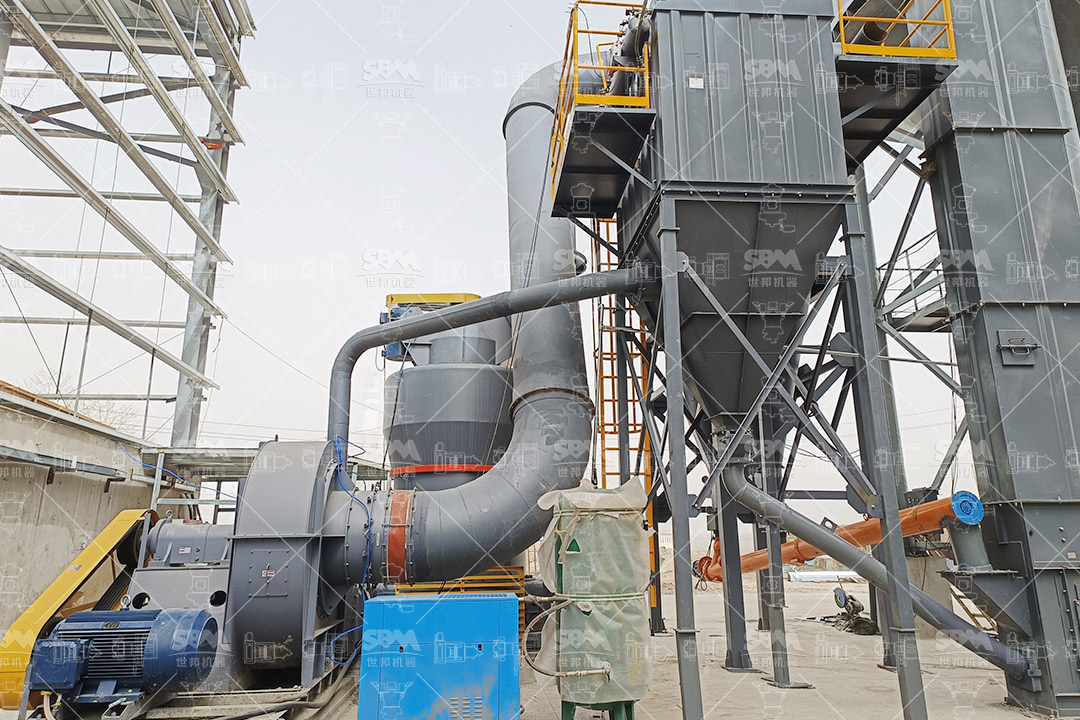
Vertical Roller Mills (VRMs), such as our LM Series, offer significant advantages for high-capacity fine grinding. Using the principle of bed comminution between grinding rollers and a rotating table, they provide high grinding efficiency with 30-40% lower energy consumption compared to traditional ball mill systems. Their integrated drying, grinding, and classifying functions make them ideal for producing SiC powders in the 325-600 mesh range.
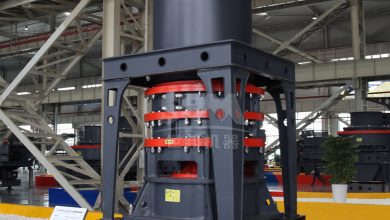
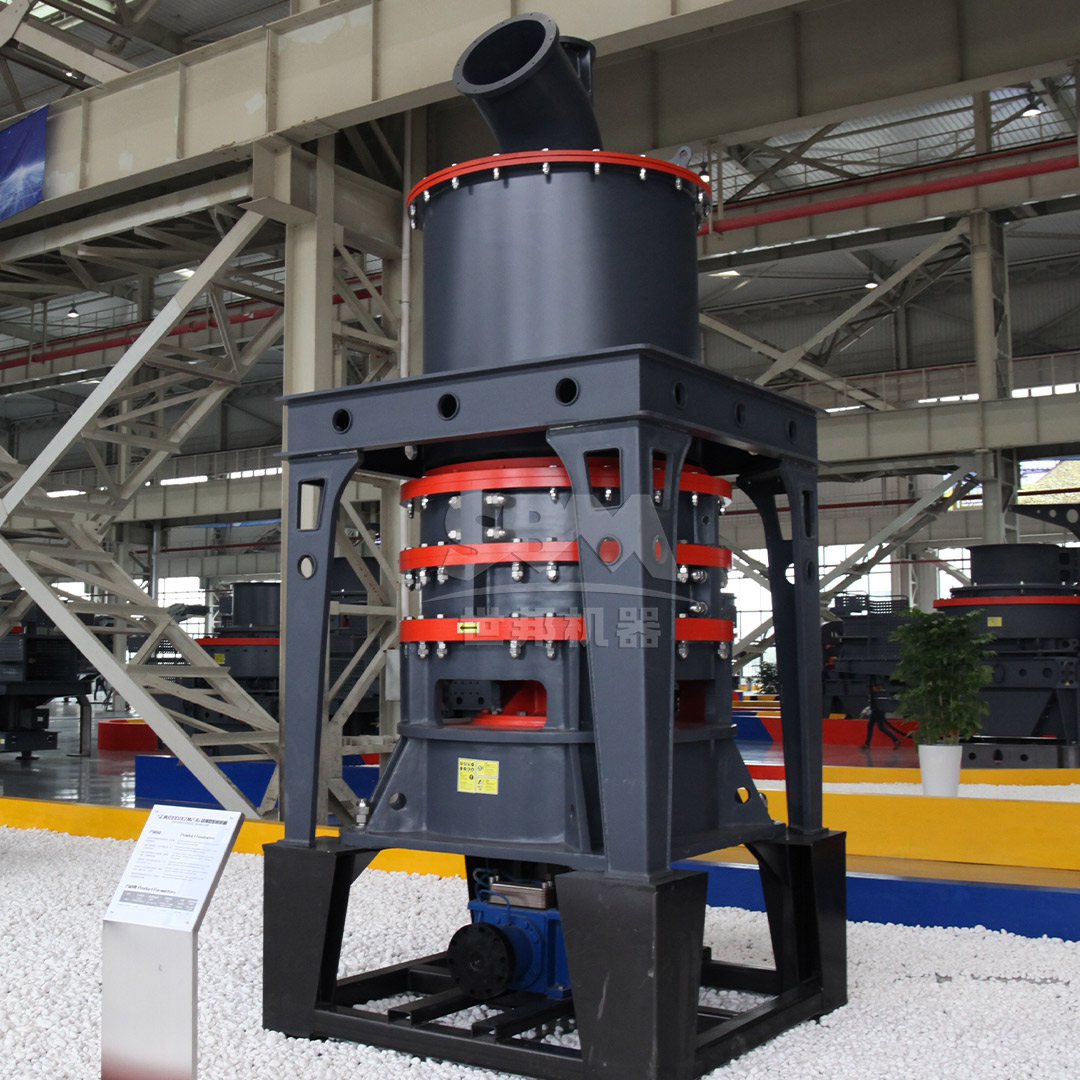
For the production of high-value ultrafine and superfine silicon carbide powders (e.g., 800 mesh to 2500 mesh or D97 ≤ 5μm), specialized equipment is mandatory. This is where our flagship SCM Ultrafine Mill excels. Designed specifically for producing micron and sub-micron powders, the SCM mill utilizes a unique three-ring medium-speed micro-grinding principle. A vertical turbine classifier provides precise particle size切割, ensuring a narrow distribution and the absence of coarse particles. Its intelligent control system automatically adjusts operational parameters based on real-time feedback of成品粒度, guaranteeing consistency. Furthermore, with a capacity twice that of jet mills and energy consumption reduced by 30%, the SCM series (from SCM800 with 0.5-4.5 t/h capacity to SCM1680 with 5.0-25 t/h capacity) represents a leap forward in efficient, high-precision ultrafine powder production for materials as demanding as SiC.
Stage 4: Classification and Purification
After grinding, the powder often contains a range of particle sizes. Precision air classifiers (often integrated into mills like the SCM and LM series) use centrifugal force and airflow to separate particles according to their size and weight. Oversized particles are returned for further grinding, while the in-spec powder proceeds. For ultra-high-purity applications, chemical purification processes like acid washing (using HF, HNO3, etc.) may follow to remove metallic impurities, followed by rinsing and drying.
Stage 5: Quality Control and Packaging
The final SiC powder undergoes rigorous quality control. Key parameters analyzed include:
- Particle Size Distribution (PSD): Using laser diffraction or sedimentation methods.
- Chemical Purity: Determined via X-ray fluorescence (XRF) or inductively coupled plasma (ICP) analysis.
- Phase Composition: X-ray diffraction (XRD) to confirm the alpha-SiC polytype.
- Morphology: Scanning electron microscopy (SEM) to examine particle shape.
Once certified, the powder is packaged in moisture-resistant containers to prevent contamination or agglomeration before shipment.
Conclusion
The production of silicon carbide powder is a multi-stage, technology-intensive process that transforms raw quartz and carbon into a high-performance industrial material. Each stage, from synthesis to ultrafine grinding, plays a vital role in determining the final powder’s properties. The choice of grinding equipment, particularly for the fine and ultrafine stages, is crucial for achieving the desired fineness, yield, and economic efficiency. Advanced milling solutions like the SCM Ultrafine Mill and the MTW Series Trapezium Mill provide the necessary precision, durability, and energy efficiency to meet the evolving demands of the SiC market, enabling the production of superior powders that drive innovation across multiple high-tech industries.