Building Waste Recycling Methods: How to Reuse Construction Debris Efficiently
Introduction: The Imperative for Construction Waste Recycling
The global construction industry generates billions of tons of waste annually, comprising concrete, bricks, wood, metals, glass, and plastics. Traditionally, this debris has been destined for landfills, contributing to environmental degradation, resource depletion, and increased project costs. Efficient recycling and reuse of construction and demolition (C&D) waste is no longer an option but a necessity for sustainable development. This article explores advanced methods for processing construction debris, transforming it into valuable secondary raw materials, and highlights the critical role of specialized grinding equipment in achieving high-value material recovery.
1. Classification and Pre-Treatment of Construction Debris
Effective recycling begins at the source with meticulous sorting. On-site segregation into distinct streams—such as clean concrete, mixed rubble, wood, metals, and plastics—significantly enhances the quality and value of the recycled output. Following collection, the debris undergoes pre-treatment, which typically involves primary crushing to reduce large chunks into manageable sizes (typically below 50-100mm). This step is crucial for preparing the material for further, more refined processing. Equipment like robust jaw crushers and impact crushers are commonly employed here.
2. Core Processing: Crushing and Grinding for Material Liberation
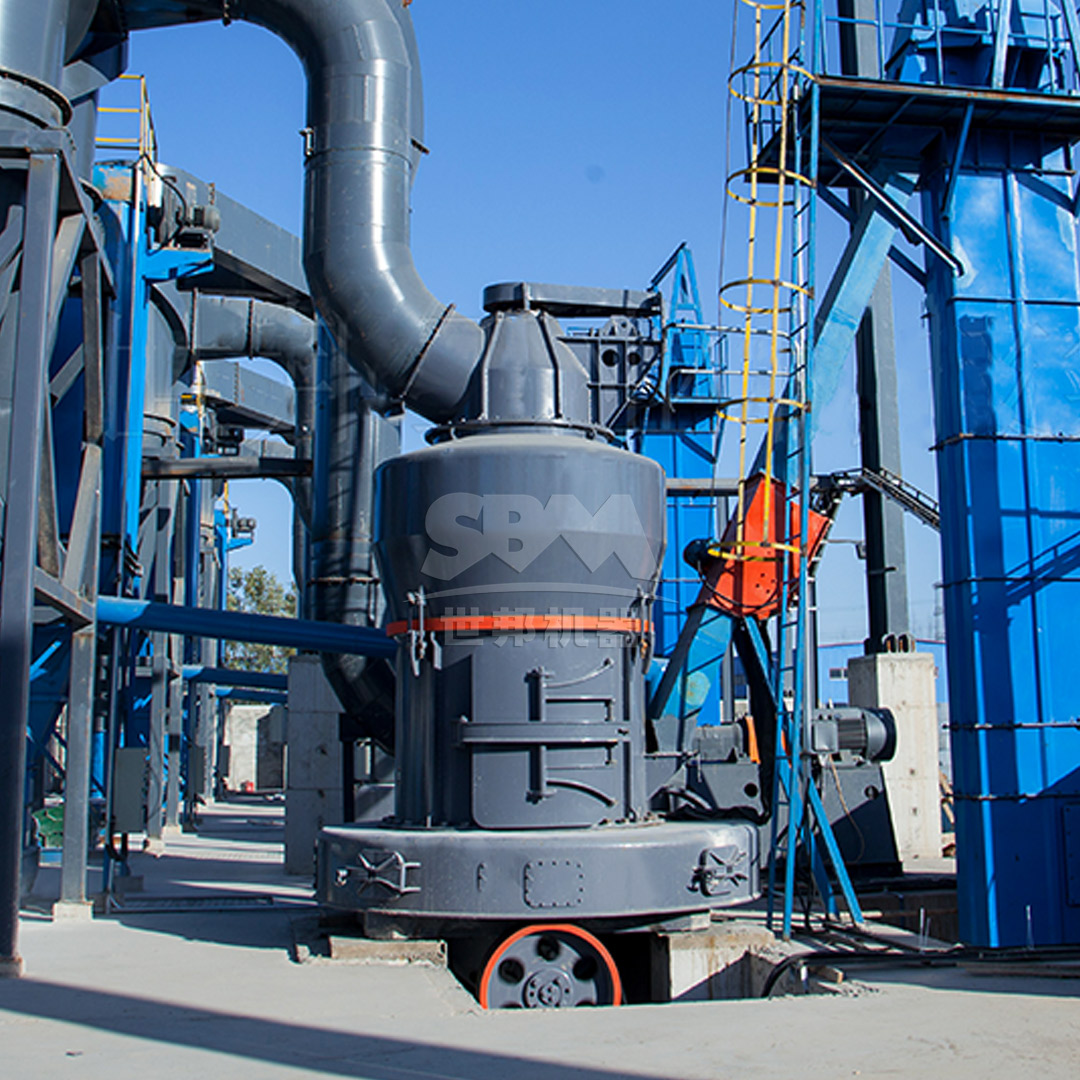
The heart of any construction waste recycling plant is the crushing and grinding circuit. The goal is to liberate aggregates from cement paste in concrete or to reduce ceramic and brick materials to a consistent granular size. Secondary and tertiary crushing stages progressively reduce the material. However, to produce fine powders for high-end applications—such as supplementary cementitious materials (SCMs) like recycled concrete powder (RCP) or finely ground brick powder—advanced milling technology is indispensable.
This is where precision grinding mills separate basic recycling from high-efficiency material valorization. The choice of mill depends on the feed size, desired final fineness, required capacity, and the hardness/abrasiveness of the debris. For instance, turning concrete rubble into a powder fine enough to replace part of the cement in new concrete (often requiring a fineness of over 325 mesh or 45μm) demands a mill capable of efficient, energy-conscious fine and ultra-fine grinding.
3. Advanced Grinding Solutions for High-Value Applications
To transform coarse construction debris into uniform, marketable fine powders, specialized milling equipment is required. Two exemplary solutions, each suited for different stages and fineness requirements, are highlighted below.
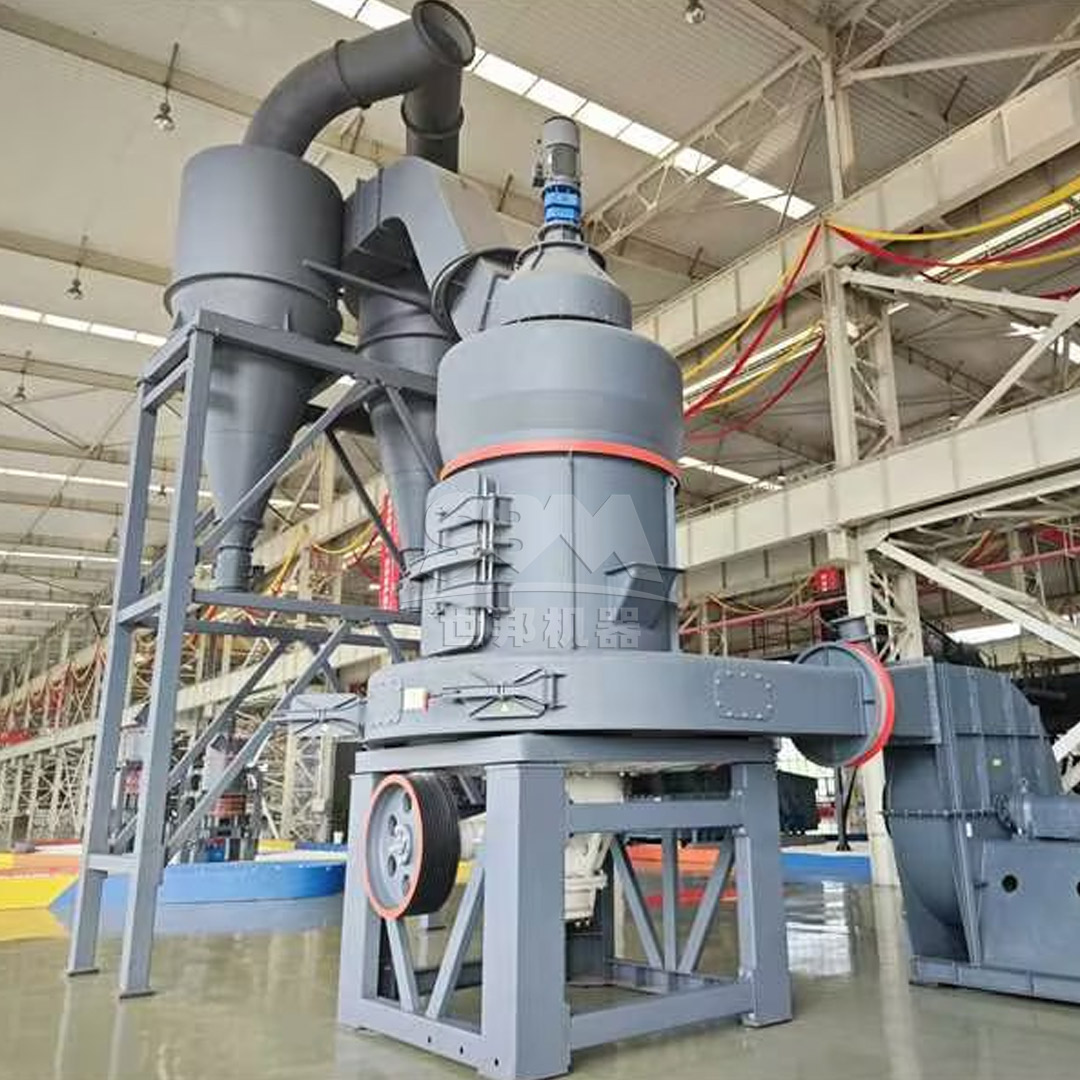
3.1 For High-Capacity, Coarse to Medium-Fine Grinding: The MTW Series Trapezium Mill
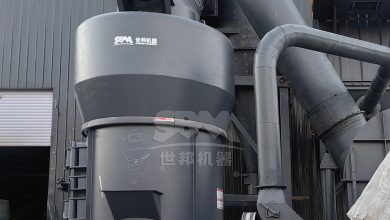
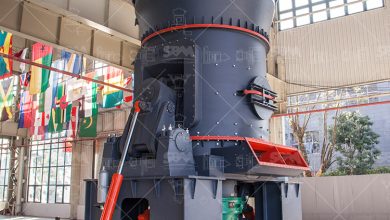
When processing large volumes of pre-crushed concrete, bricks, or mortar to a medium fineness (typically between 30-325 mesh, or 600-45μm), the MTW Series Trapezium Mill stands out as an optimal workhorse. Its design is tailored for efficiency and durability in demanding recycling operations.
Key advantages for C&D waste processing include:
- High Throughput & Robust Design: With a maximum feed size of ≤50mm and capacities ranging from 3 to 45 tons per hour (depending on the model), it can handle the output from primary crushers efficiently. Its wear-resistant shovel design and curved air duct minimize maintenance costs and energy loss.
- Efficient Classification: The integrated powder classifier ensures precise control over the final product size, allowing operators to produce consistently graded sand or powder for use in mortars, road bases, or as a raw feed for further ultra-fine grinding.
- Operational Efficiency: The conical gear integral transmission boasts 98% efficiency, saving space and power. Its durable construction ensures stable operation with abrasive materials like concrete.
For a recycling plant aiming to produce graded aggregates and coarse powders at scale, the MTW138Z or MTW175G models offer an excellent balance of capacity and fineness control.
3.2 For Ultra-Fine Powder Production: The SCM Ultrafine Mill
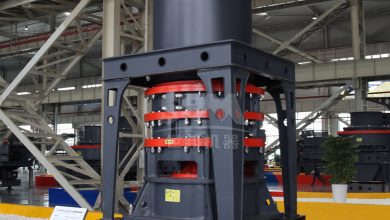
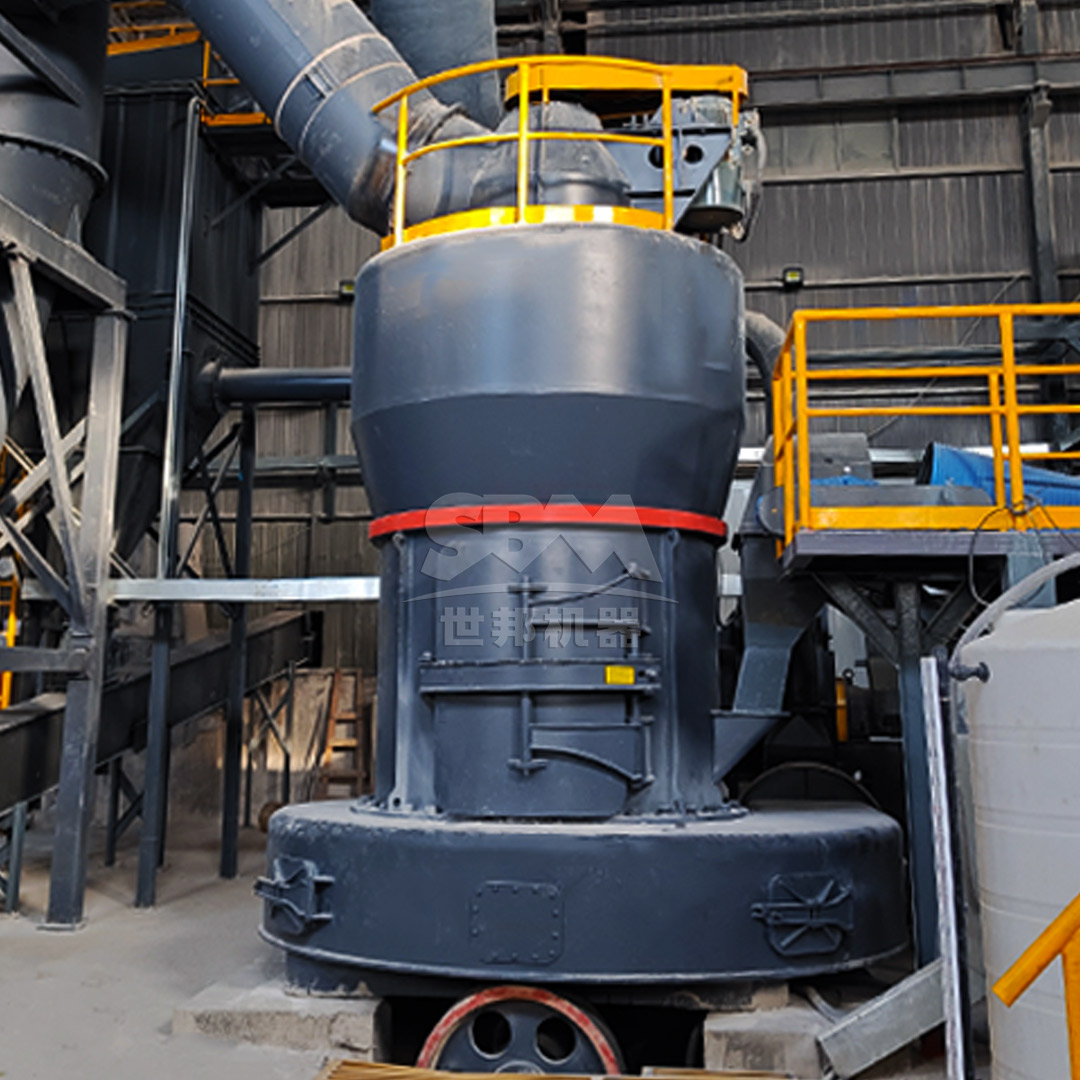
The highest value in construction waste recycling is achieved by producing ultra-fine powders that can act as direct replacements for virgin materials in manufacturing. For example, finely ground concrete powder can be used in cement blends, while ultra-fine glass powder finds use in paints and polymers. The SCM Ultrafine Mill is engineered specifically for this demanding task, capable of producing powders as fine as 2500 mesh (D97 ≤ 5μm).
Its technological strengths are critical for advanced recycling:
- Unmatched Fineness and Energy Efficiency: It achieves a fineness range of 325-2500 mesh, which is essential for creating highly reactive pozzolanic materials from waste. Remarkably, it does so while offering twice the capacity of jet mills and reducing energy consumption by 30%, making ultra-fine recycling economically viable.
- Precision Grading System: The vertical turbine classifier provides sharp particle size cuts, ensuring a uniform product without coarse grain contamination. This consistency is vital for downstream industrial applications.
- Built for Abrasive Materials: Featuring special material rollers and grinding rings with a lifespan several times longer than standard components, and a bearing-less screw grinding cavity, it maintains stability when processing hard, abrasive demolition waste.
- Environmental Compliance: With a pulse dust collector exceeding international standards and a noise level below 75dB, it supports clean, community-friendly recycling operations.
For a facility specializing in producing SCMs from construction debris, the SCM1000 or SCM1250 models provide the perfect combination of feed size acceptance (≤20mm), high capacity (up to 14 tons/hour), and exceptional fineness.
4. Material Separation and Refinement
After grinding, additional separation steps are often employed to purify the output. Magnetic separators remove ferrous metals from the crushed stream. Air classifiers or screens separate materials by size and density, ensuring product specification adherence. For ultra-fine powders from mills like the SCM series, efficient baghouse filters or cyclone systems are integral to the milling circuit itself, ensuring minimal dust emission and high powder recovery rates.
5. End-Use Applications of Recycled Construction Materials
The processed materials find new life in various sectors:
- Recycled Concrete Aggregate (RCA): Coarse material from primary crushing is used in road sub-bases, drainage layers, and as aggregate in new, low-grade concrete.
- Recycled Sand & Medium Fines: Output from mills like the MTW series can be used in mortars, plaster, paving blocks, and as a fine aggregate.
- Ultra-Fine Pozzolanic Powders: The output from an SCM Ultrafine Mill, rich in silica and alumina from crushed concrete, bricks, or glass, can be used as a partial replacement for Portland cement (up to 20-30%), reducing the carbon footprint of new construction significantly.
- Other Streams: Recycled wood becomes biomass fuel or particleboard; metals are melted down; plastics are pelletized.
Conclusion: Integrating Technology for a Circular Construction Economy
Efficient construction waste recycling is a multi-stage process that hinges on the right technology at each step. Moving beyond simple crushing to high-value material creation requires advanced grinding solutions. Equipment like the MTW Series Trapezium Mill for high-volume, medium-fine processing and the SCM Ultrafine Mill for producing premium, reactive powders are pivotal in closing the material loop. By adopting such efficient grinding methods, the construction industry can drastically reduce its environmental impact, conserve natural resources, unlock new economic value from waste streams, and build a truly sustainable future.