Ceramic Waste Recycling Technology: Methods and Applications for Sustainable Manufacturing
Introduction: The Imperative for Ceramic Waste Recycling
The global construction and manufacturing sectors generate vast quantities of ceramic waste annually, including tiles, sanitaryware, bricks, and refractory materials. Traditionally relegated to landfills, this waste stream represents a significant environmental burden and a loss of valuable raw materials. Sustainable manufacturing principles are driving a paradigm shift, transforming this waste into a resource through advanced recycling technologies. This article explores the primary methods for processing ceramic waste and its diverse applications in sustainable manufacturing, highlighting how modern grinding and milling equipment is pivotal to this circular economy model.
Methods of Ceramic Waste Processing
The recycling of ceramic waste involves a series of mechanical processing steps designed to transform bulky, irregular fragments into consistent, fine powders suitable for reuse. The choice of technology depends on the desired final particle size and the application.
1. Primary Crushing and Pre-Sizing
Initial processing involves reducing large ceramic pieces to a manageable size (typically below 50mm). Jaw crushers and hammer mills are commonly employed for this stage. For instance, a Hammer Mill is highly effective, utilizing high-speed rotating hammers to shatter ceramic fragments against a hardened liner. Its compact design and high reduction ratio make it ideal for the initial breakdown of ceramic waste, preparing it for finer grinding stages.
2. Fine and Ultrafine Grinding: The Core of Value Addition
This is the most critical phase, where the pre-crushed ceramic is milled into fine or ultrafine powders. The fineness directly influences the reactivity and performance of the recycled material in new products.
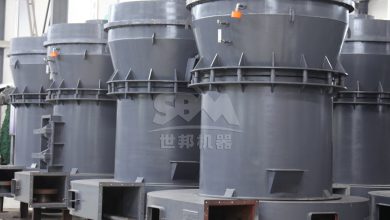
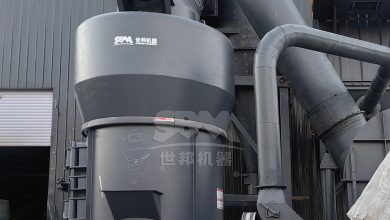
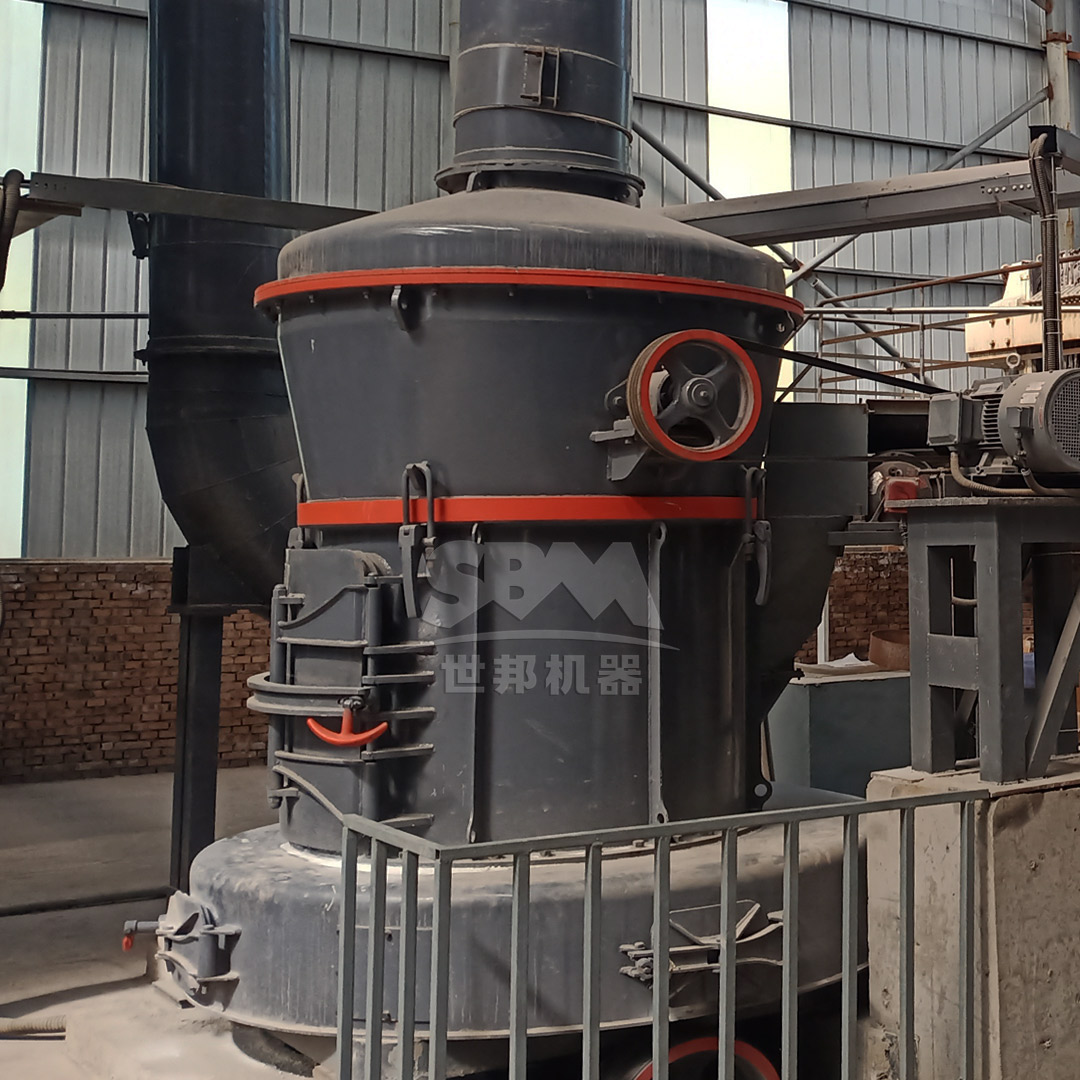
- For Coarse to Medium Fines (45-325 mesh / 600-45μm): Technologies like trapezium mills and vertical roller mills are highly efficient. The MTW Series Trapezium Mill excels in this range. Its curved air duct design minimizes energy loss, and the conical gear transmission ensures high efficiency (up to 98%). The wear-resistant components, like combined shovel blades, are particularly suited for the abrasive nature of ceramics, reducing maintenance costs. With a capacity ranging from 3 to 45 tons per hour, it is a robust solution for large-scale ceramic powder production.
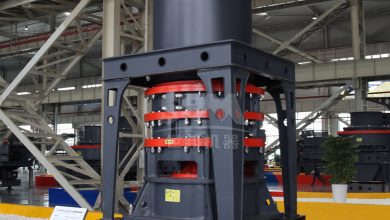
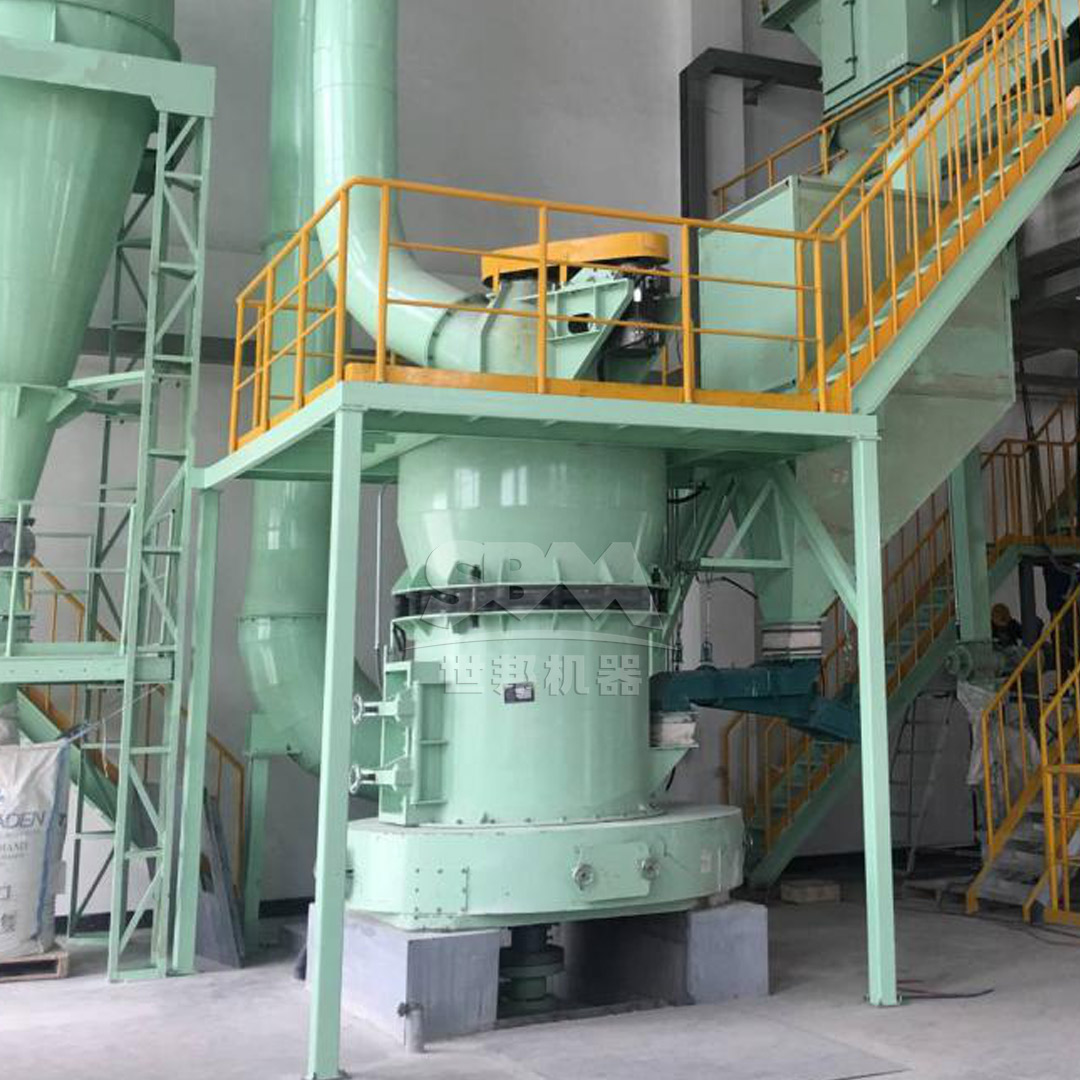
- For Ultrafine Powders (325-2500 mesh / D97≤5μm): Achieving this level of fineness requires specialized equipment. The SCM Series Ultrafine Mill is engineered precisely for this demanding application. Its vertical turbine classifier enables precise particle size cuts, ensuring a uniform product without coarse grain contamination. Compared to traditional jet mills, it offers double the capacity while reducing energy consumption by 30%. This makes it an ideal, sustainable choice for producing high-value ceramic micro-powders used in advanced composites and coatings. The integrated pulse dust collector exceeds international standards, ensuring a clean production environment.
3. Classification and Collection
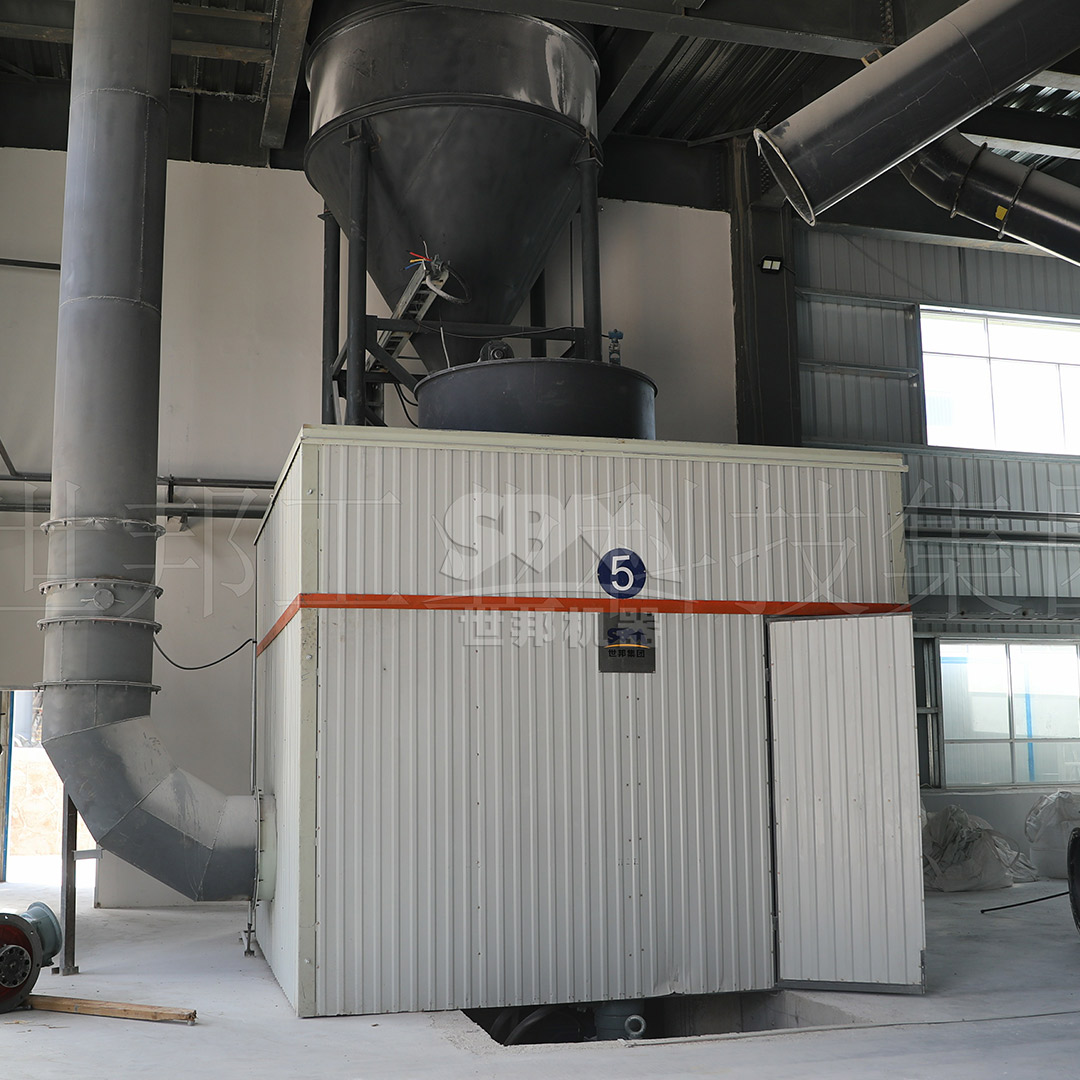
After grinding, an efficient air classification system separates particles according to size. Modern mills integrate high-efficiency classifiers and pulse-jet baghouse dust collectors. This ensures precise control over the final product’s particle size distribution and achieves near-zero dust emissions, which is crucial for both product quality and workplace safety.
Applications of Recycled Ceramic Powder in Sustainable Manufacturing
The finely ground ceramic powder finds versatile applications, closing the loop in material lifecycles.
1. Construction Materials
- Concrete and Mortar: Ceramic powder acts as a supplementary cementitious material (SCM) or fine aggregate, improving durability and reducing the carbon footprint of concrete.
- Ceramic Tiles and Bricks: Recycled powder can be reintroduced into the body mix for new tiles and bricks, reducing the need for virgin clay and lowering firing temperatures.
2. Composite Materials and Coatings
Ultrafine ceramic powder, produced by equipment like the SCM Ultrafine Mill, enhances the mechanical properties, wear resistance, and thermal stability of polymer composites, paints, and functional coatings.
3. Refractory and Abrasive Products
Recycled high-alumina ceramics are valuable raw materials for manufacturing new refractory linings and abrasive tools, leveraging their inherent hardness and thermal properties.
4. Road Base and Fill Material
Coarser fractions serve as excellent, stable aggregates for road sub-bases and engineering fill, diverting waste from landfills.
Conclusion: Integrating Technology for a Circular Future
The recycling of ceramic waste is no longer a niche concept but a cornerstone of sustainable industrial practice. The success of this process hinges on advanced, reliable, and efficient size reduction technology. From initial crushing with robust hammer mills to high-volume fine grinding with trapezium mills like the MTW series, and finally to high-value ultrafine processing with mills like the SCM series, a complete technological ecosystem exists to transform waste into a premium resource. By adopting these methods and technologies, manufacturers can significantly reduce environmental impact, conserve natural resources, and unlock new economic opportunities, paving the way for a truly circular and sustainable manufacturing sector.