Red Mud from Laterite Nickel Ore: Recycling Methods and Reuse Technologies
Introduction
The global surge in demand for nickel, driven primarily by the stainless steel and electric vehicle battery industries, has intensified the exploitation of laterite nickel ores. However, the hydrometallurgical and pyrometallurgical processing of these ores generates a massive, challenging by-product: red mud. This alkaline, fine-grained residue, rich in iron, aluminum, silicon, and residual heavy metals, poses significant environmental risks due to its high pH and potential for leaching. Effective management of red mud is no longer an option but a critical imperative for the sustainable future of the nickel industry. This article explores advanced recycling methodologies and reuse technologies for laterite nickel ore red mud, highlighting the pivotal role of specialized grinding and processing equipment in transforming this waste into valuable resources.
Characterization and Challenges of Laterite Nickel Ore Red Mud
Red mud from laterite processing differs slightly from its bauxite-derived counterpart. Its composition is highly variable but typically includes iron oxides (Fe2O3, 20-50%), aluminum oxides (Al2O3, 10-25%), silicon dioxide (SiO2, 10-30%), and minor elements like titanium, sodium, and trace nickel and chromium. The primary challenges are its fine particle size, high moisture content, alkalinity (pH 10-13), and complex mineralogy, which complicate handling, storage, and processing. The first step in any valorization strategy is efficient physical processing, often requiring drying, crushing, and most critically, fine or ultrafine grinding to liberate minerals and increase surface area for subsequent chemical or thermal treatments.
Key Recycling and Reuse Pathways
1. Metal Recovery (Fe, Al, Ti, Sc)
Recovering valuable metals is a high-priority route. Processes often involve:
- Magnetic Separation for Iron: After reducing roasting to convert hematite (Fe2O3) to magnetite (Fe3O4), magnetic separation can extract an iron concentrate. The efficiency of this process heavily depends on achieving a very fine and uniform grind to ensure complete reduction and optimal liberation of iron particles.
- Hydrometallurgical Leaching: Acid leaching (using HCl, H2SO4) or smelting followed by leaching is employed to extract aluminum, titanium, and rare earth elements like scandium. The kinetics and yield of these leaching processes are dramatically improved when the red mud feed material is ground to a very fine, consistent powder, maximizing the contact surface area with the leaching agent.
2. Construction Material Production
This is the most volume-intensive application, aiming to consume large quantities of red mud.
- Cement Clinker Production: Red mud can be used as a raw material substitute in cement kilns, providing iron and aluminum. It requires pre-processing to adjust composition and moisture. For consistent blending and reactivity in the kiln, the red mud must be ground to a fineness comparable to other raw meals.
- Geopolymer and Supplementary Cementitious Materials (SCMs): The aluminosilicate content in red mud makes it a potential precursor for geopolymer binders or a pozzolanic SCM. Activating this potential often involves thermal treatment and then fine grinding to a high-specific-surface-area powder. The reactivity is directly correlated to the fineness achieved.
- Bricks, Tiles, and Ceramics: Red mud can be incorporated into fired clay products. Precise control over the particle size distribution of the red mud and other raw materials is crucial for shaping, drying behavior, and final product strength.
3. Environmental Applications
Red mud’s high surface area and alkalinity can be harnessed for environmental remediation.
- Adsorbents for Wastewater Treatment: Processed (often activated) red mud can adsorb heavy metals, phosphates, and dyes from industrial wastewater. Grinding to an ultrafine powder exponentially increases the available adsorption sites, significantly enhancing its purification capacity.
- Soil Amendment: In controlled applications, it can neutralize acidic soils and provide micronutrients. For even distribution and reaction in soil, a fine, dust-like consistency is necessary.
The Critical Role of Grinding Technology in Red Mud Valorization
Across all reuse pathways, the comminution of red mud—from coarse, cake-like material to a precisely controlled powder—is a fundamental and often rate-limiting step. The choice of grinding equipment directly impacts process efficiency, product quality, and economic viability. The equipment must handle abrasive materials, offer flexible fineness control, and be energy-efficient to keep operational costs low.
For coarse crushing and initial size reduction of dried red mud lumps, robust equipment like Hammer Crushers are suitable. However, for the essential fine and ultrafine grinding stages that unlock value, more advanced mills are required.
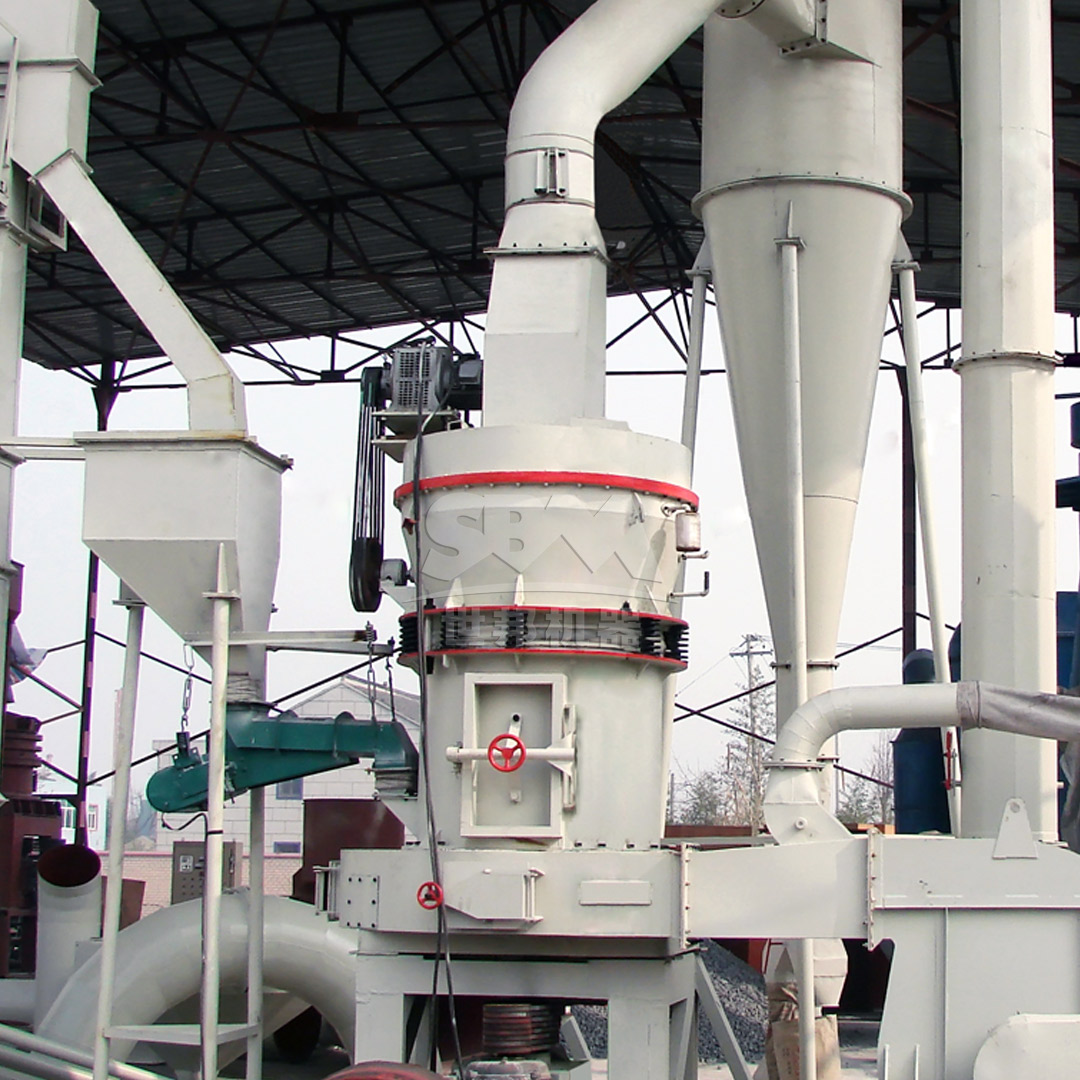
Recommended Solution for High-Capacity Fine Grinding: MTW Series Trapezium Mill
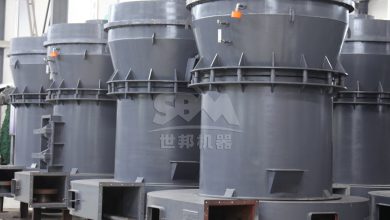
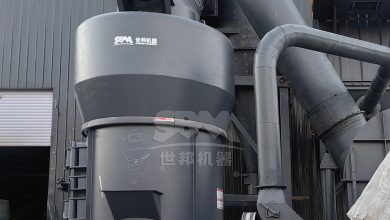
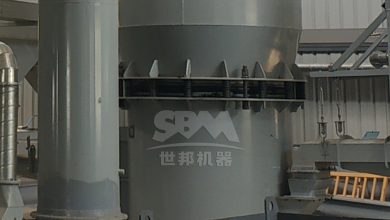
For applications requiring fine powders in the range of 30-325 mesh (600-45μm) for uses like cement raw meal, adsorbent precursor, or ceramic body preparation, the MTW Series Trapezium Mill is an outstanding choice. Its advantages align perfectly with red mud processing needs:
- High Capacity & Efficiency: With a capacity range of 3-45 tons/hour, it can handle the large volumes associated with red mud recycling. The innovative curved air duct and efficient drive system reduce energy loss, lowering operational costs.
- Wear Resistance: The combined wear shovel design and high-strength wear plates are engineered to withstand the abrasive nature of red mud, reducing maintenance frequency and cost.
- Precise Classification: The integrated powder classifier ensures a consistent and narrow particle size distribution, which is critical for downstream processes like magnetic separation, leaching, or uniform blending in construction materials.
- Environmental Compliance: The system can be equipped with high-efficiency pulse dust collectors, ensuring a clean production environment and meeting strict emission standards.
For instance, the MTW215G model, with a capacity of 15-45 TPH and handling feed sizes up to 50mm, is ideal for a central processing facility aiming to produce fine red mud powder for bulk applications.
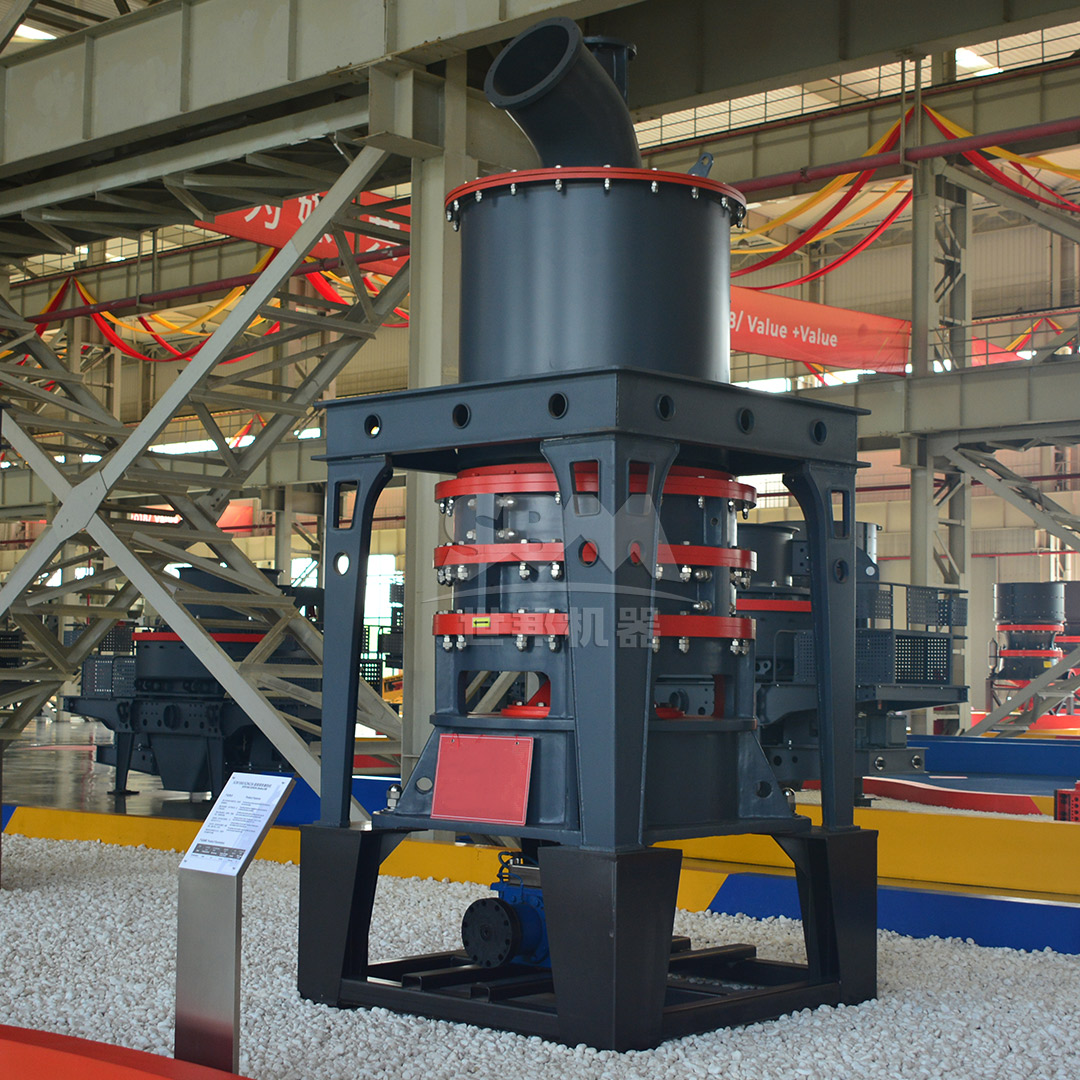
Recommended Solution for Ultrafine Grinding and High-Value Products: SCM Ultrafine Mill
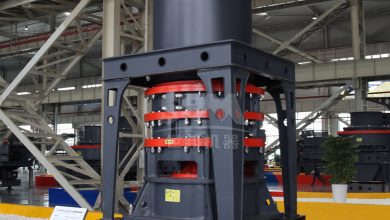
When the target is producing ultrafine powders (325-2500 mesh, D97 ≤ 5μm) for high-value applications such as high-performance adsorbents, advanced ceramic fillers, or to maximize leaching efficiency, the SCM Ultrafine Mill is the industry benchmark.
- Ultrafine Precision: It reliably produces powders down to 5μm (D97), which is essential for creating highly reactive materials. The vertical turbine classifier provides extremely sharp particle size cuts, eliminating coarse particles.
- Energy Efficiency: Compared to traditional jet mills, the SCM mill offers twice the capacity with 30% lower energy consumption, making ultrafine processing of a waste material economically feasible.
- Durability & Stability: Specially hardened grinding rollers and rings, along with a bearingless screw grinding cavity design, ensure stable, long-term operation with minimal wear when processing abrasive red mud.
- Intelligent Control: The automatic control system with feedback on product fineness allows for consistent quality with minimal operator intervention.
A model like the SCM1250, with a capacity of 2.5-14 TPH, is perfectly suited for a dedicated production line transforming red mud into a premium-grade ultrafine powder for specialized markets.
Conclusion and Future Outlook
The recycling and reuse of laterite nickel ore red mud is a complex but solvable challenge that turns an environmental liability into an economic opportunity. Success hinges on selecting the right technological pathway—be it metal recovery, construction material production, or environmental applications—and pairing it with the appropriate, robust processing equipment. Advanced grinding technology, exemplified by mills like the MTW Series Trapezium Mill for fine grinding and the SCM Ultrafine Mill for high-value ultrafine products, forms the mechanical backbone of any successful red mud valorization project. By investing in these technologies, the nickel industry can move towards a circular economy model, reducing its environmental footprint while creating new revenue streams from what was once considered mere waste. Future research will continue to optimize these processes, with efficient comminution remaining a constant and critical first step.