Top Manufacturers of Aluminum Dross Grinding Mill Machines
Introduction: The Critical Role of Grinding in Aluminum Dross Processing
The global aluminum industry generates millions of tons of dross annually, a by-product containing valuable metallic aluminum and various oxides. Efficient recovery of this metal is paramount for economic viability and environmental sustainability. The cornerstone of this recovery process is the grinding or milling stage, where dross is reduced to a fine, uniform powder to liberate aluminum particles for separation. The performance of the grinding mill directly dictates recovery rates, energy consumption, and overall operational cost. This article explores the technological landscape of grinding solutions for aluminum dross, highlighting the key players and the advanced machinery that sets industry benchmarks.
Understanding Aluminum Dross and Its Grinding Challenges
Aluminum dross is a heterogeneous mixture formed on the surface of molten aluminum. It typically contains 20-80% recoverable metallic aluminum, encapsulated in a matrix of aluminum oxide, nitrides, salts, and other impurities. Grinding this material presents unique challenges:
- Abrasive Nature: High alumina content is extremely abrasive, causing rapid wear on grinding components.
- Heat Generation: The grinding process can generate significant heat, potentially causing oxidation of metallic aluminum and reducing recovery yield.
- Variable Feed: Dross composition and particle size can vary widely, requiring mills with robust and adaptable grinding mechanisms.
- Safety & Environmental Concerns: The process must manage dust and potential fumes effectively.
Therefore, an ideal aluminum dross grinding mill must offer exceptional wear resistance, efficient heat management, flexible operation, and integrated environmental controls.
Key Technologies in Modern Dross Grinding Mills
Leading manufacturers differentiate themselves through core engineering innovations. The primary grinding technologies applied include:
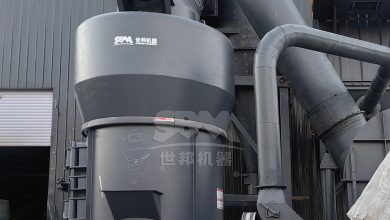
- Vertical Roller Mills (VRM): Utilize large-diameter grinding tables and hydraulically loaded rollers. They are highly efficient for medium to fine grinding, offering excellent energy efficiency and low wear rates due to the bed-compression principle.
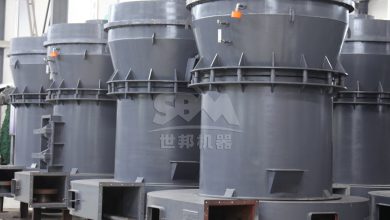
- Ring-Roller Mills (Pendulum Mills): Employ multiple rollers that swing outward due to centrifugal force, pressing against a stationary ring. Known for reliability, wide fineness adjustment range, and lower capital cost.
- Ball Mills: A traditional method using rotating cylinders filled with grinding media (balls). Effective for coarse grinding but generally less energy-efficient for fine grinding compared to VRMs.
- Ultrafine Grinding Mills: Specialized mills, often with integrated high-precision classifiers, designed to produce superfine powders (below 10μm). Crucial for applications requiring maximum metal liberation from very fine oxides.
The choice among these technologies depends on the target fineness, required capacity, initial dross characteristics, and total cost of ownership.
Spotlight on Advanced Solutions: SCM Ultrafine Mill
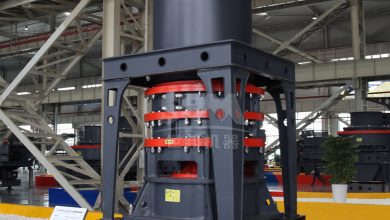
For operations targeting the highest metal recovery rates, achieving a very fine and consistent powder is essential. This is where ultrafine grinding technology becomes critical. Among the top-tier solutions available, our SCM Series Ultrafine Mill stands out as a premier choice for processing aluminum dross into high-value powder.
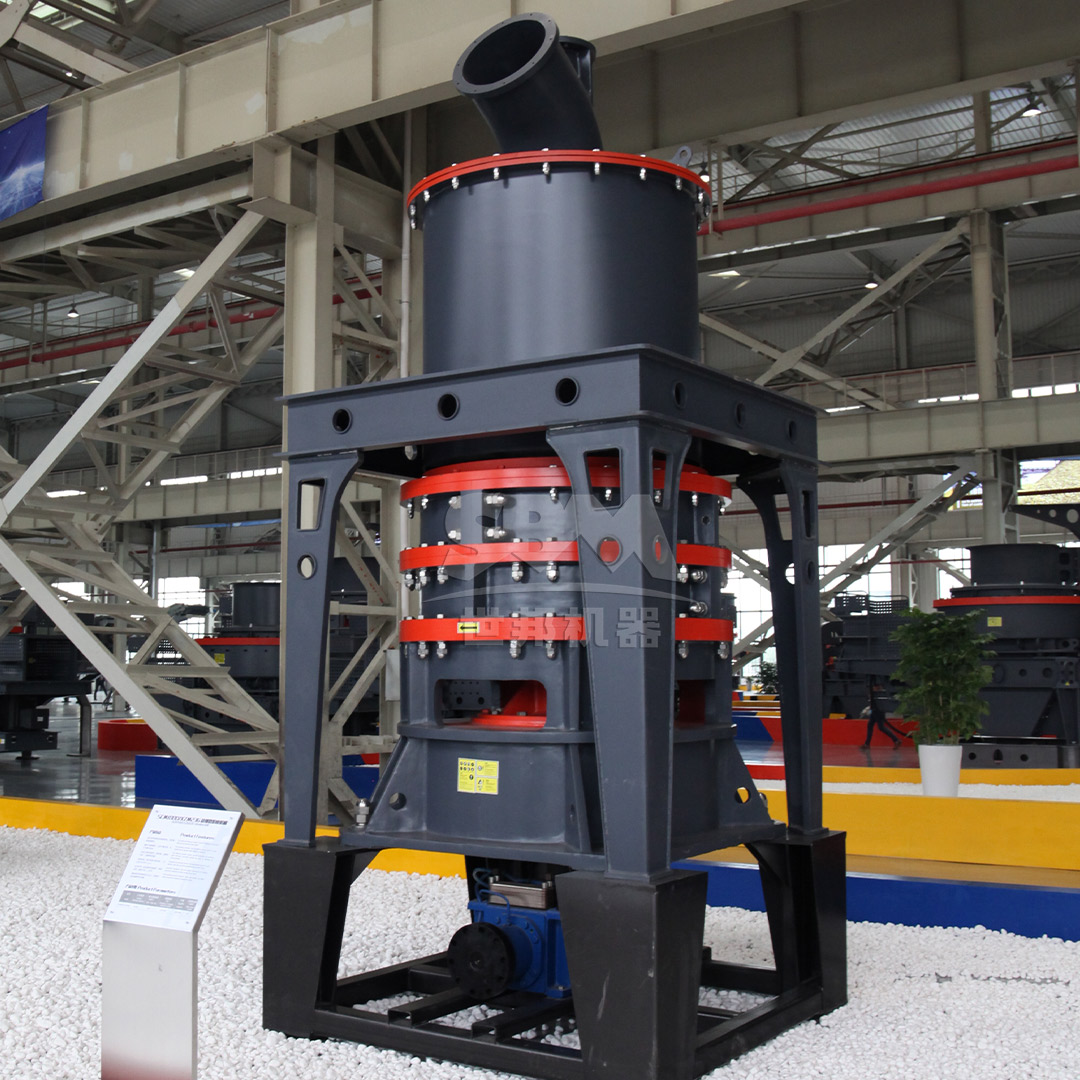
Engineered for precision and durability, the SCM Mill is designed to handle abrasive materials like dross with input sizes up to 20mm and produce powders ranging from 325 to 2500 mesh (D97 ≤5μm). Its capacity scales from 0.5 to 25 tons per hour across different models (SCM800 to SCM1680). The mill’s core advantages directly address dross processing pains:
- Superior Efficiency: It delivers twice the output of jet mills while reducing energy consumption by 30%, thanks to its optimized grinding chamber and drive system.
- Exceptional Wear Resistance: Specially hardened roller and ring materials extend service life multiple times compared to standard components, directly countering dross abrasiveness.
- Precision Classification: A vertical turbine classifier ensures sharp particle size cuts, producing a uniform product without coarse grain contamination, which is vital for efficient downstream separation.
- Eco-Friendly Operation: With a pulse dust collector exceeding international standards and soundproofing for noise levels below 75dB, it ensures a clean and compliant workspace.
The working principle involves a multi-layer grinding ring driven by the main motor. Material is fed into the grinding chamber and dispersed by centrifugal force into the grinding path, where it is crushed and ground layer by layer between the rollers and rings. The final fine powder is collected efficiently by a cyclone and pulse dust removal system.
High-Capacity Processing with MTW Series Trapezium Mill
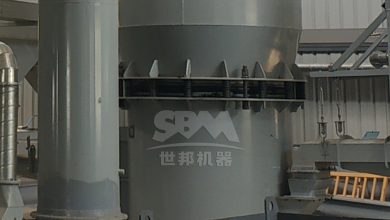
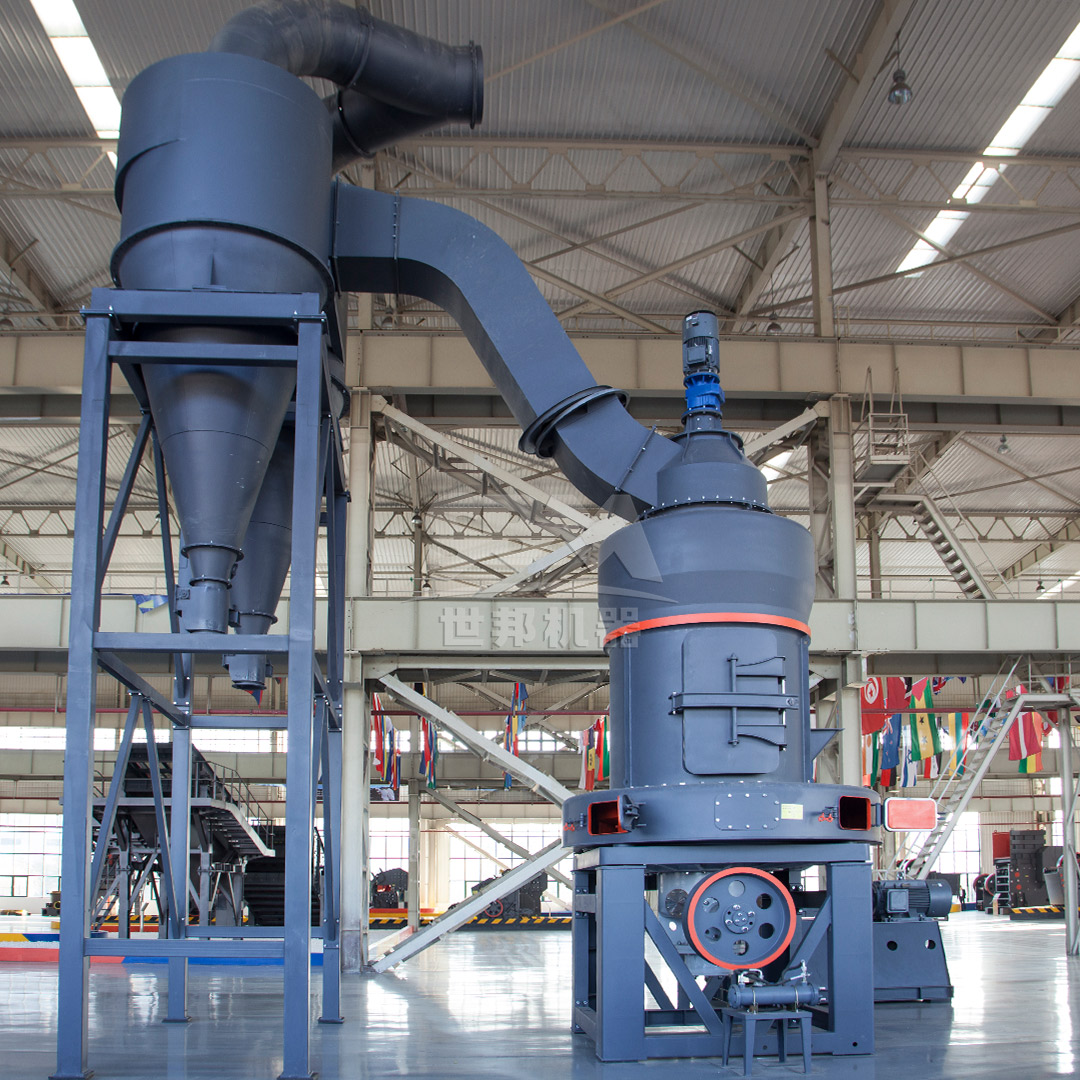
For large-scale dross processing plants requiring high throughput of 3 to 45 tons per hour, a robust and reliable workhorse mill is needed. Our MTW Series European Trapezium Mill is engineered precisely for such demanding applications.

This mill accepts feed material up to 50mm in size and grinds it to a fineness between 30 and 325 mesh. Its design incorporates several patented innovations that enhance performance in continuous dross milling:
- Advanced Wear Protection: The modular shovel blade design and curved wear-resistant components drastically reduce maintenance costs and part replacement downtime.
- Optimized Airflow: A curved air duct minimizes resistance and energy loss, improving powder conveying efficiency.
- Highly Efficient Drive: An integral bevel gear transmission achieves up to 98% transmission efficiency, saving energy and reducing installation footprint.
- Intelligent Operation: The mill’s design supports stable, long-running operation, which is crucial for 24/7 processing facilities.
The grinding action is achieved by rollers that rotate around the central axis while also rotating on their own. Shovels feed the material between the rollers and the grinding ring, where it is crushed by rolling pressure. An internal classifier ensures precise control over the final product fineness.
Selecting the Right Manufacturer and Machine
Choosing a top manufacturer goes beyond comparing specifications. Key evaluation criteria should include:
- Proven Experience: Look for a track record in the non-ferrous metal or mineral processing industry, with specific references in aluminum dross or similar materials.
- Material Science Expertise: The manufacturer should offer custom material solutions for wear parts (rollers, rings, liners) to match the abrasiveness of your dross.
- Technical Support & Service: Global spare parts availability, expert installation supervision, and responsive after-sales service are non-negotiable for minimizing operational risk.
- Holistic System Design: The best suppliers offer complete system integration, including feeding, grinding, classification, dust collection, and automation controls as a cohesive package.
- Commitment to R&D: Leading manufacturers continuously improve their designs for better efficiency, lower wear, and smarter control systems.
The Future of Dross Grinding: Trends and Innovations
The industry is moving towards greater automation, energy efficiency, and data-driven optimization. Future mills will feature:
- AI-Powered Process Control: Systems that automatically adjust mill parameters in real-time based on feed analysis and product quality feedback.
- Advanced Predictive Maintenance: Integration of IoT sensors to monitor wear, vibration, and temperature, predicting failures before they cause unplanned downtime.
- Hyper-Durable Materials: Continued development of ceramic composites and new alloys for grinding components to push service life even further.
- Circular Economy Integration: Mills designed as part of a zero-waste recovery loop, with even finer grinding to extract maximum value from all dross components.
Conclusion
The landscape of aluminum dross grinding is defined by manufacturers who combine robust mechanical engineering with deep process understanding. Success hinges on selecting a machine that not only meets capacity and fineness targets but also excels in wear resistance, energy efficiency, and operational stability. From the superfine precision of mills like the SCM Ultrafine Mill to the high-volume reliability of the MTW Series Trapezium Mill, the right technological partnership can transform aluminum dross from a costly by-product into a significant source of recovered metal and profit. Investing in advanced grinding technology from a top manufacturer is a strategic decision that pays dividends in recovery rates, operational cost savings, and environmental compliance for years to come.