How to Grind Fiberglass: Methods and Equipment for Milling Glass Fibers into Powder
Introduction
Fiberglass, a composite material made from fine glass fibers, is widely used in construction, automotive, aerospace, and marine industries for its strength, lightweight, and insulating properties. Processing fiberglass into a fine powder is a critical step for recycling composite materials, producing filler compounds, or creating specialized coatings. The grinding process must carefully manage the material’s abrasive nature and the health risks associated with airborne glass dust. This article provides a comprehensive guide to the methods and equipment essential for efficiently and safely milling fiberglass into powder.
Understanding Fiberglass Material Properties
Before selecting a grinding method, it is crucial to understand the material’s characteristics. Fiberglass is inherently abrasive, which can lead to rapid wear on grinding components. Furthermore, the fibrous nature of the material requires equipment capable of shearing and crushing the strands effectively rather than just flattening them. The target powder fineness, ranging from coarse fillers (30-100 mesh) to ultra-fine powders for advanced composites (over 1000 mesh), directly dictates the choice of milling technology. Safety is paramount; effective dust collection and containment systems are non-negotiable to protect operators from inhaling fine glass particles.
Pre-Processing: Size Reduction and Preparation
Fiberglass scrap or production waste often comes in large, irregular pieces. A primary crushing stage is necessary to reduce the feed size to a range suitable for fine grinding mills.
Primary Crushing Equipment
- Hammer Mills: Ideal for initial size reduction of fiberglass scraps. These mills use high-speed rotating hammers to shatter and tear the material. Models like the PC4012-90 Hammer Mill are excellent for this task, handling input sizes up to 40mm and producing a coarse output of 0-3mm. Their robust construction with high-manganese steel liners withstands the abrasive nature of glass fibers.
- Jaw Crushers: Suitable for breaking down larger, rigid fiberglass blocks or bundles into smaller chunks before further processing.
Fine and Ultra-Fine Grinding Methods & Equipment
The core of fiberglass powder production lies in the fine grinding stage. The choice of mill depends on the desired final fineness, production capacity, and energy efficiency goals.
1. For Medium to Fine Powder (30-325 mesh / 600-45μm)
This range is common for filler applications in plastics, paints, and construction materials.
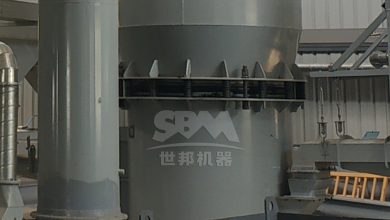
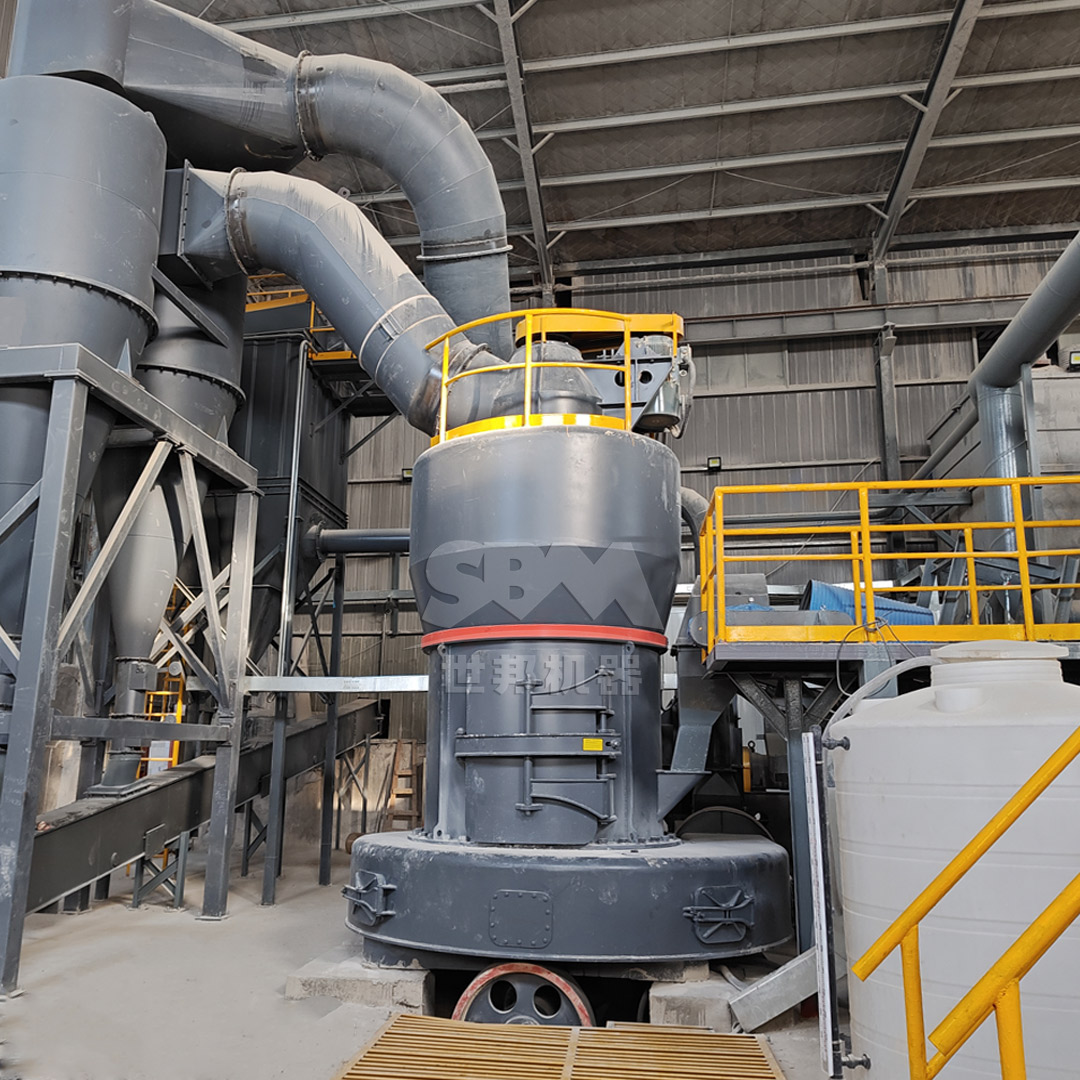
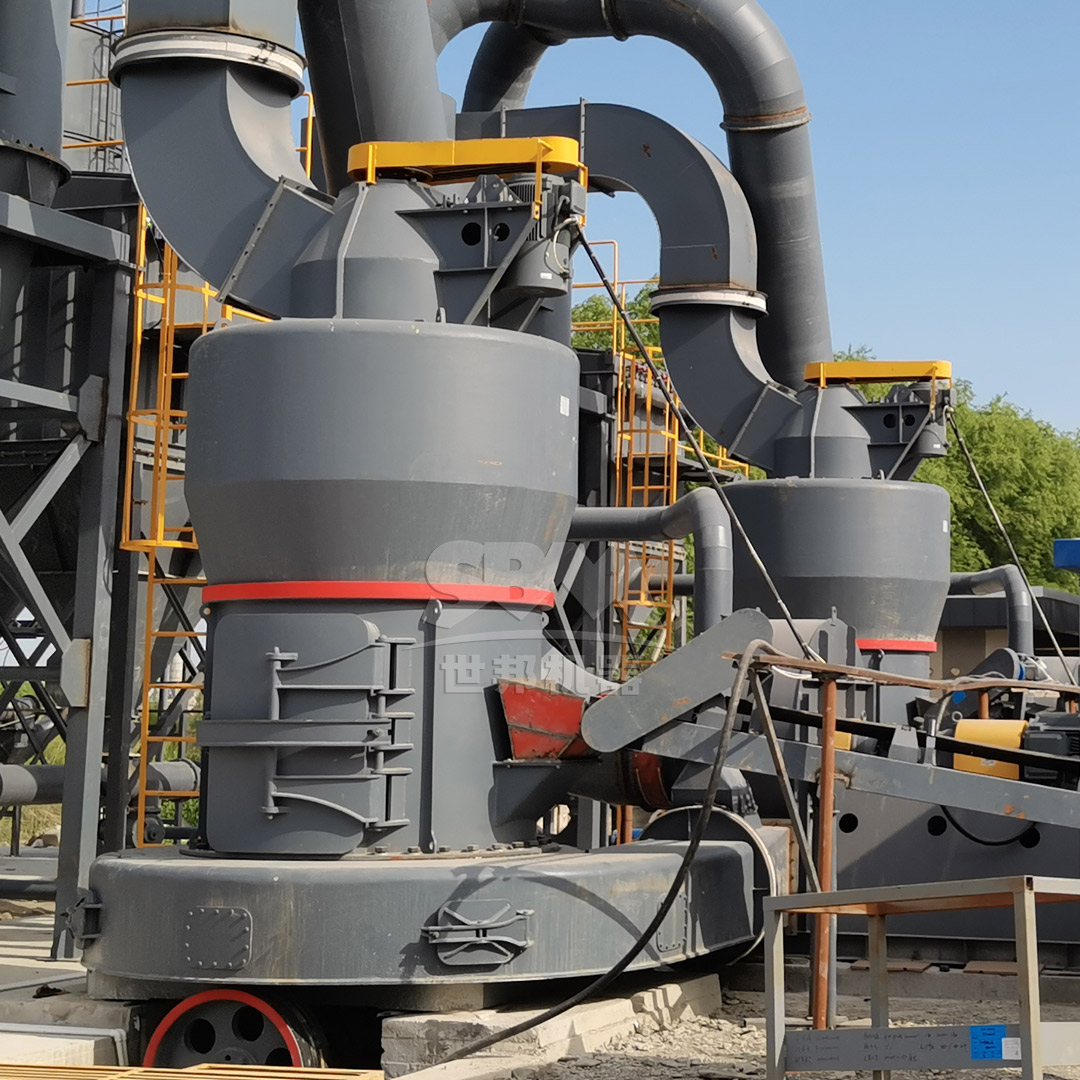
- MTW Series Trapezium Mill: This European-style grinding mill is a powerhouse for high-capacity production of fine powders. Its curved air duct and efficient transmission system minimize energy loss. The wear-resistant design, featuring combined shovel blades and high-strength guard plates, is well-suited for the abrasive fiberglass. With an output fineness range of 30-325 mesh (up to 0.038mm) and capacities from 3 to 45 tons per hour, the MTW series, such as the MTW215G model, offers a reliable solution for large-scale fiberglass powder production.
- Ball Mills: A traditional and versatile option for dry or wet grinding. They are effective but generally less energy-efficient than roller mills for achieving the same fineness.
2. For Ultra-Fine Powder (325-2500 mesh / 45-5μm and finer)
Producing superfine glass fiber powder for high-performance composites or specialized coatings requires advanced milling technology.
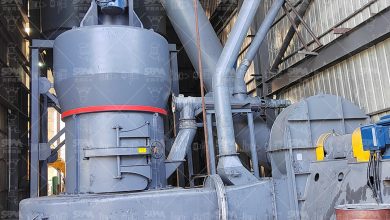
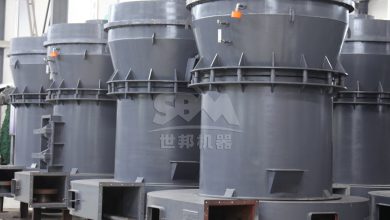
- SCM Series Ultrafine Mill: This mill is specifically engineered for the most demanding ultra-fine grinding applications. It excels in processing fiberglass down to a remarkable D97 ≤ 5μm (2500 mesh). Its core advantages make it the ideal choice:
- High-Efficiency & Energy Saving: It delivers twice the output of jet mills while reducing energy consumption by 30%, thanks to its intelligent control system that automatically adjusts for target particle size.
- High-Precision Classification: A vertical turbine classifier ensures precise particle size cuts, producing a uniform powder free of coarse grains.
- Durable Design: Specially hardened grinding rollers and rings offer a lifespan several times longer than standard components, which is critical for abrasive glass fibers. The bearing-free screw grinding chamber ensures stable operation.
- Environmental & Low Noise: Integrated pulse dust collection exceeds international standards, ensuring a clean workspace, while soundproofing keeps noise levels below 75dB.
The SCM Ultrafine Mill operates by dispersing material via centrifugal force into multiple grinding tracks for layered comminution. For fiberglass powder production, models like the SCM1000 (1.0-8.5 ton/h capacity) or the SCM1680 (5.0-25 ton/h capacity) provide scalable solutions to meet various production needs while achieving unparalleled fineness.
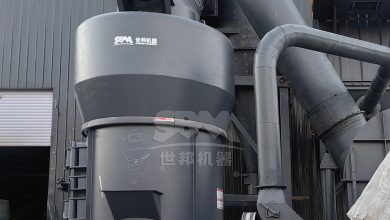
- LUM Ultrafine Vertical Mill: Another excellent option for ultra-fine grinding, featuring multi-rotor classification technology for sharp particle size distributions.
Critical Auxiliary Systems
No grinding line is complete without robust supporting systems.
- Feeding Systems: Vibratory or screw feeders ensure a consistent and controlled feed rate into the mill, which is vital for stable operation and product uniformity.
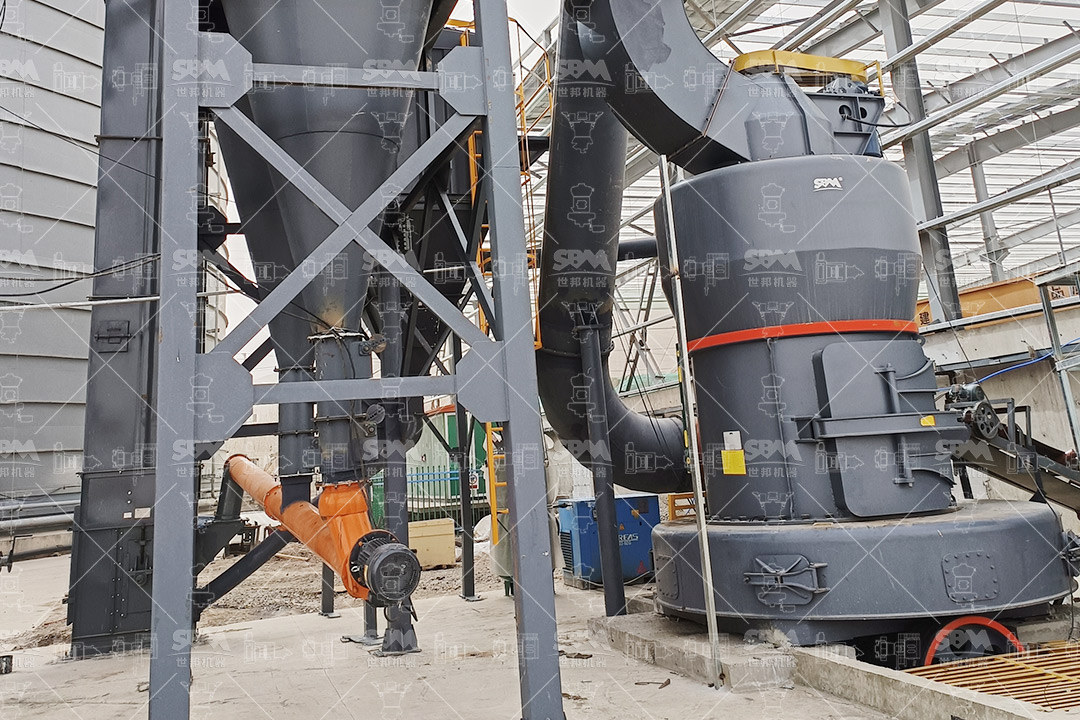
- Dust Collection & Filtration: This is the most critical safety system. High-efficiency pulse-jet baghouse filters or cartridge collectors are mandatory to capture airborne glass dust. The integrated systems in mills like the SCM and MTW series are designed for this purpose.
- Powder Conveying & Packaging: Screw conveyors, pneumatic conveying systems, and automated bagging stations handle the final product without creating dust clouds.
Safety and Operational Best Practices
- Always operate grinding equipment within its specified parameters for feed size and moisture content.
- Implement a strict lockout/tagout procedure during maintenance.
- Ensure all operators wear appropriate Personal Protective Equipment (PPE), including respirators, safety goggles, and protective clothing.
- Regularly inspect and maintain dust collection filters and seals to prevent leaks.
- Monitor grinding component wear (rolls, rings, hammers) and establish a preventive replacement schedule to maintain product quality and mill efficiency.
Conclusion
Successfully grinding fiberglass into powder requires a strategic approach combining robust pre-crushing, selecting the right fine-grinding technology for the target fineness, and integrating comprehensive safety and dust control systems. For high-volume production of fine powders (30-325 mesh), the MTW Series Trapezium Mill offers unmatched efficiency and durability. For the ultimate challenge of producing ultra-fine, high-value fiberglass powder (325-2500 mesh), the SCM Series Ultrafine Mill stands out with its precision classification, exceptional wear resistance, and energy-saving design. By investing in the correct methodology and equipment, manufacturers can transform abrasive fiberglass waste into a valuable, consistent powder product safely and profitably.