How to Select the Right Vertical Roller Mill? Comparative Analysis for Slag Grinding Mill Selection
Introduction
The selection of an appropriate vertical roller mill for slag grinding is a critical decision that significantly impacts operational efficiency, product quality, and overall profitability. Slag, a byproduct of steel production, requires specialized grinding equipment to transform it into valuable supplementary cementitious materials. This comprehensive guide provides a systematic approach to selecting the optimal vertical roller mill for slag grinding applications, with particular emphasis on technical specifications, operational requirements, and long-term performance considerations.
Understanding Slag Grinding Requirements
Before evaluating specific mill types, it’s essential to understand the unique characteristics of slag and the grinding challenges it presents. Granulated blast furnace slag typically has a Bond Work Index ranging from 14-23 kWh/t and requires grinding to specific surface areas of 400-550 m²/kg for optimal performance in cement applications. The abrasive nature of slag, combined with its moisture content (typically 10-15%), demands robust grinding equipment with superior wear resistance and efficient drying capabilities.
Key Selection Criteria for Vertical Roller Mills
1. Grinding Efficiency and Energy Consumption
Vertical roller mills offer significant advantages over traditional ball mills in terms of energy efficiency. When selecting a VRM for slag grinding, consider the specific power consumption, which should typically range between 35-45 kWh/t for producing slag cement with 420 m²/kg Blaine surface area. The grinding mechanism—whether employing pressure, shear, or impact forces—should match the material characteristics of your specific slag type.
2. Product Fineness and Particle Size Distribution
The required product fineness is a decisive factor in mill selection. For slag grinding, target fineness typically falls between 4000-5500 Blaine (approximately 325-450 mesh). Modern VRMs should offer precise control over particle size distribution, as this directly affects the reactivity and performance of the ground slag in concrete applications.
3. Throughput Capacity and Scalability
Match the mill capacity to your production requirements while allowing for future expansion. Consider not only the initial throughput but also the mill’s ability to maintain performance over time as wear parts deteriorate. The selected equipment should offer at least 15-20% capacity buffer above your current requirements.
4. Wear Resistance and Maintenance Requirements
Slag’s abrasive nature necessitates mills with exceptional wear protection. Evaluate the quality of wear parts, their expected service life, replacement costs, and the ease of maintenance. Look for designs that minimize downtime during wear part replacement and offer quick-change systems for critical components.

Comparative Analysis of Mill Technologies for Slag Grinding
Vertical Roller Mills vs. Ball Mills
While ball mills have been traditionally used for slag grinding, modern VRMs offer 30-50% lower energy consumption, better drying capability, and more compact footprints. VRMs specifically designed for slag grinding typically incorporate features such as:
- Enhanced wear protection in grinding elements
- Advanced classifier technology for precise particle size control
- Integrated drying systems for moist slag
- Reduced noise levels and environmental impact
Specialized Slag Grinding Mills
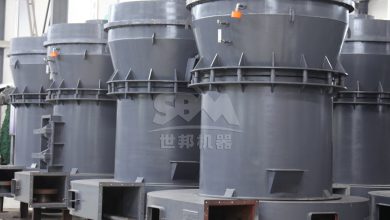
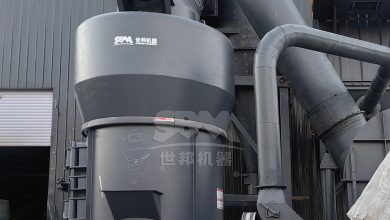
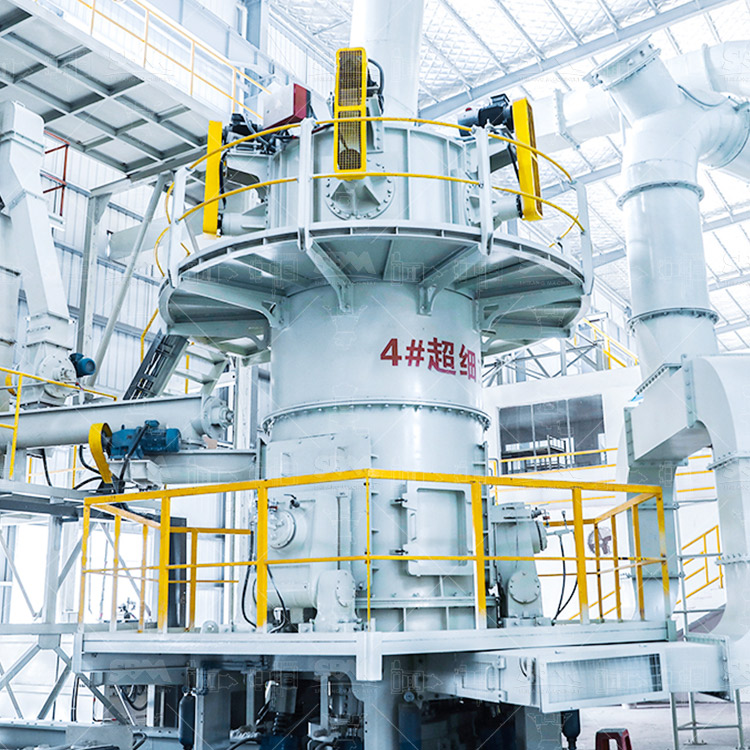
For dedicated slag grinding operations, specialized vertical mills offer optimized performance. Our LM Vertical Slag Mill series represents the pinnacle of slag grinding technology, specifically engineered to handle the challenges of grinding granulated blast furnace slag.
The LM series vertical slag mills feature several technological advancements that make them particularly suitable for slag grinding applications:
- Enhanced Grinding Efficiency: Specially designed grinding elements and table profiles optimized for slag characteristics
- Superior Wear Protection: High-chrome alloy grinding rollers and tables with service lives exceeding 8,000 hours
- Integrated Drying System: Capable of handling slag with moisture content up to 15% without pre-drying
- Advanced Classifier Technology: Dynamic classifiers ensuring precise control of product fineness up to 600 m²/kg Blaine
Specific models like the LM220N offer throughput capacities of 20-26 t/h with power consumption of only 38-42 kWh/t, making them exceptionally efficient for medium to large-scale slag grinding operations. The robust construction and specialized design of these mills ensure consistent performance even with the variable quality of slag typically encountered in industrial applications.
Technical Considerations for Optimal Mill Selection
Mill Drive System
The choice between gear-driven and roller-driven mills depends on your specific requirements. Gear-driven systems typically offer higher efficiency for larger capacities, while roller-driven systems provide more flexibility and easier maintenance. For slag grinding applications exceeding 25 t/h, gear-driven systems generally prove more economical.
Classifier Selection
The classifier system significantly impacts product quality and mill efficiency. Dynamic classifiers with variable rotor speeds offer the flexibility needed to produce different product qualities from the same mill. For slag grinding, select classifiers capable of achieving the required fineness with minimal recirculation of fine material.
Drying Capacity
Since slag often contains significant moisture, the mill’s drying capacity must match the feed moisture content. Ensure the selected mill can handle your specific slag moisture with the available gas flow and temperature. Most modern VRMs can handle moisture contents up to 15-20% with integrated drying systems.
Operational and Economic Considerations
Total Cost of Ownership
When evaluating vertical roller mills for slag grinding, consider the total cost of ownership rather than just the initial investment. Key factors include:
- Energy consumption per ton of product
- Wear part consumption and replacement costs
- Maintenance labor requirements and intervals
- Availability and reliability metrics
- Spare parts inventory requirements
Plant Integration and Footprint
Vertical roller mills typically require 50-70% less space than equivalent ball mill systems. Consider not only the mill footprint but also the space requirements for auxiliary equipment such as classifiers, baghouses, and material handling systems.
Case Study: Successful Slag Grinding with Specialized VRM Technology
A recent installation of our LM190N Vertical Slag Mill at a major steel plant demonstrates the advantages of specialized slag grinding technology. The mill consistently achieves:
- Throughput of 10-12 t/h of granulated blast furnace slag
- Product fineness of 450-500 m²/kg Blaine
- Specific power consumption of 39-41 kWh/t
- Wear part life exceeding 8,500 operating hours
- Availability exceeding 95% since commissioning
The success of this installation highlights how proper mill selection, combined with optimized operating parameters, can deliver exceptional performance in demanding slag grinding applications.

Future Trends in Slag Grinding Technology
The evolution of vertical roller mill technology continues to address the specific challenges of slag grinding. Emerging trends include:
- Digital twin technology for predictive maintenance and optimization
- Advanced control systems using artificial intelligence to maximize efficiency
- Development of even more wear-resistant materials for grinding components
- Integration with renewable energy sources to reduce carbon footprint
- Hybrid grinding systems combining multiple comminution principles
Conclusion
Selecting the right vertical roller mill for slag grinding requires careful consideration of multiple technical, operational, and economic factors. The specialized LM Vertical Slag Mill series offers a compelling solution that addresses the unique challenges of slag grinding through optimized design, superior wear protection, and advanced control systems. By matching mill capabilities to specific operational requirements and considering total cost of ownership rather than just initial investment, operators can ensure optimal performance and maximum return on investment throughout the equipment lifecycle.
As the demand for sustainable construction materials continues to grow, the importance of efficient slag grinding technology will only increase. Investing in the right vertical roller mill today positions operations for success in the evolving cement and construction materials markets of tomorrow.