What is an R-type Raymond Mill and How Does It Work?
Introduction to R-type Raymond Mill
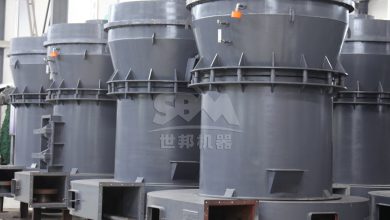
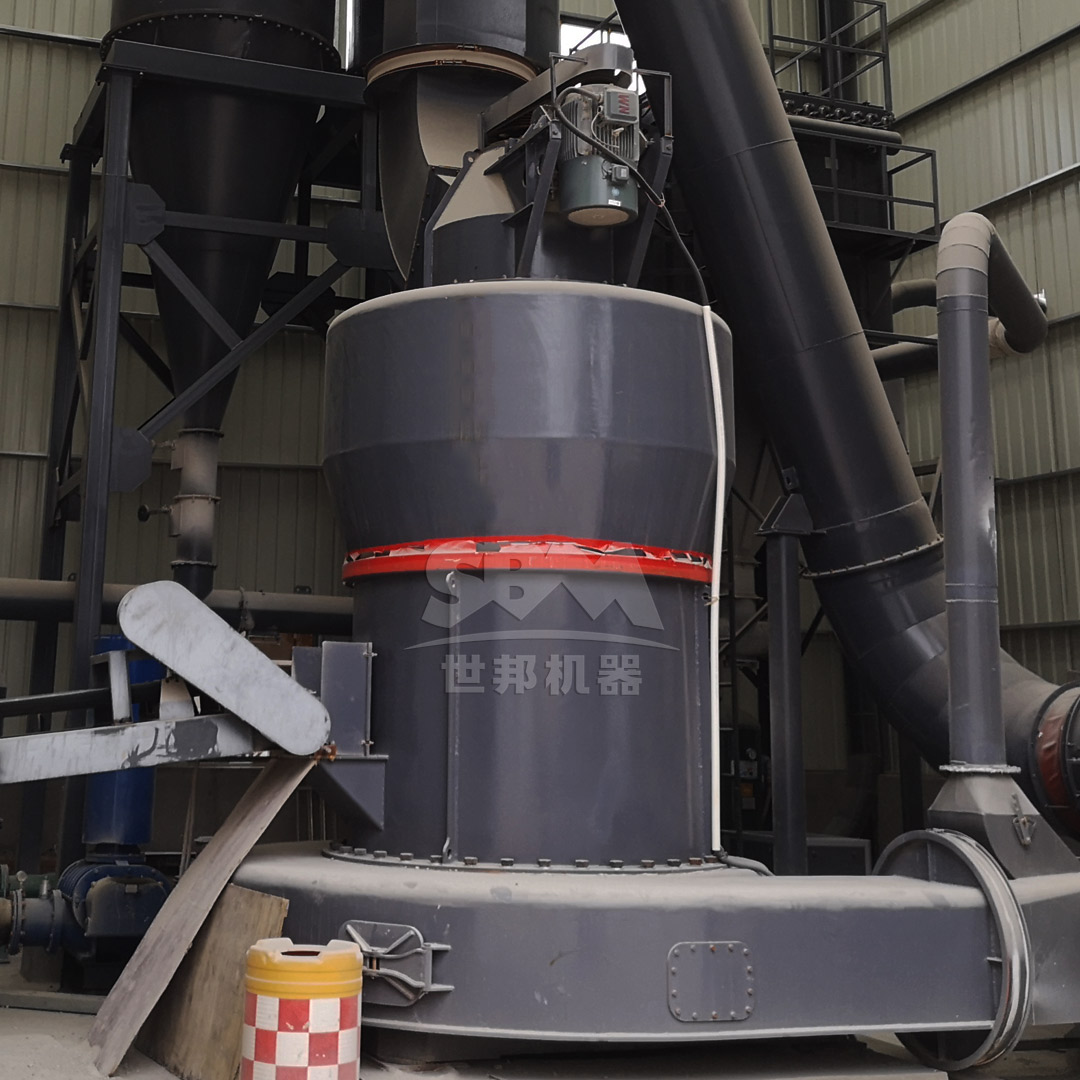
The R-type Raymond Mill, commonly known as the Raymond roller mill, is a widely used grinding equipment for processing non-metallic minerals with Mohs hardness below 7 and humidity under 6%. Originally developed based on the traditional pendulum grinding principle, this mill has evolved through multiple technological iterations to become a highly efficient and reliable solution for fine powder production.
R-type mills are particularly valued for their robust construction, operational stability, and ability to produce powders in the range of 30-325 mesh (approximately 45-500 microns). Their versatility makes them suitable for processing various materials including limestone, calcite, dolomite, barite, talc, gypsum, diabase, quartz, bentonite, and marble.
Historical Development and Evolution
The Raymond mill traces its origins back to the early 20th century when the first pendulum grinding mills were developed. Over decades of refinement, the R-type designation emerged to represent the refined versions that incorporated improved grinding elements, better classification systems, and enhanced durability features.
Modern R-type mills have evolved significantly from their predecessors, incorporating advanced materials for wear parts, improved aerodynamic designs for better particle separation, and automated control systems for consistent product quality. The fundamental operating principle remains based on the centrifugal grinding method, but with substantial improvements in efficiency, energy consumption, and operational reliability.
Working Principle of R-type Raymond Mill
The operation of an R-type Raymond Mill follows a systematic process that begins with material feeding and concludes with fine powder collection. The entire workflow can be broken down into several distinct stages:
Material Feeding and Preparation
Raw materials are crushed to the required size (typically below 35mm) and transported to the storage hopper. From the hopper, materials are fed quantitatively by vibrating feeders into the grinding chamber of the Raymond mill. The feeding system ensures a consistent and controlled supply of material to maintain optimal grinding conditions.
Grinding Process
Inside the grinding chamber, the material is shoveled by the blades and sent between the grinding rollers and grinding ring. The main motor drives the central shaft to rotate, and the grinding rollers, which are connected to the hanger, swing outward under centrifugal force and press tightly against the grinding ring.
As the material moves between the rotating rollers and stationary ring, it undergoes compression and shearing forces that progressively reduce particle size. The unique curved design of the grinding elements creates a self-amplifying grinding effect where material is continuously drawn into the narrowing gap between roller and ring.

Classification and Collection
After grinding, the powdered material is carried by the air stream to the classifier. The classifier, typically a turbine-type separator, rotates at adjustable speeds to control the cut point of particle size. Fine particles that meet the specification pass through the classifier and enter the collection system, while oversized particles are rejected back to the grinding chamber for further processing.
The qualified fine powder is then transported by air to the cyclone collector, where the majority of product is separated from the air stream. Remaining fine particles are captured by the bag filter or pulse dust collector before clean air is discharged to the atmosphere through the exhaust fan.
Key Components and Their Functions
Understanding the R-type Raymond Mill requires familiarity with its major components, each playing a critical role in the grinding process:
Main Frame and Foundation
The main frame provides structural support for all other components. Modern R-type mills feature welded steel construction with precisely machined mounting surfaces to ensure proper alignment of rotating elements. The foundation must be designed to absorb vibration and maintain stability during operation.
Grinding Assembly
This core component consists of the grinding rollers, grinding ring, and supporting structure. The rollers are typically made from high-chromium alloy or similar wear-resistant materials to withstand abrasive conditions. The number of rollers varies by model, with most R-type mills featuring 3-5 rollers arranged symmetrically around the central axis.
Classifier System
The classifier determines the final product fineness by separating particles according to size. Traditional R-type mills employed static classifiers, while modern versions often incorporate dynamic classifiers with adjustable rotor speeds for precise control over product size distribution.
Drive System
Power is transmitted from the main motor to the grinding assembly through a reduction gearbox. The drive system must provide consistent torque across the operating range while accommodating the high starting loads characteristic of grinding applications.
Collection System
This includes the cyclone separator, bag filter, and associated ductwork. Efficient collection is essential for both product recovery and environmental compliance, preventing the release of fine particles into the workplace or atmosphere.
Technical Specifications and Performance Characteristics
R-type Raymond Mills are available in various sizes and configurations to meet different production requirements. Key performance parameters include:
- Grinding Capacity: Ranges from 1-25 tons per hour depending on material characteristics and product fineness
- Product Fineness: Adjustable between 30-325 mesh (500-45 microns)
- Power Consumption: Typically 20-150 kW depending on mill size and application
- Overall Efficiency: Higher than traditional ball mills for fine grinding applications
The specific energy consumption of R-type mills varies with material hardness, feed size, and product fineness, but generally falls in the range of 15-40 kWh per ton of product for medium-hard materials ground to 200 mesh.
Applications Across Industries
The versatility of R-type Raymond Mills makes them suitable for numerous industrial sectors:
Mining and Minerals
In the mining industry, R-type mills process various non-metallic minerals including limestone for flue gas desulfurization, barite for oil drilling mud, and kaolin for paper coating. Their ability to produce consistent quality powder with controlled particle size distribution makes them ideal for these applications.
Construction Materials
The production of construction materials such as gypsum powder for wallboard, limestone filler for asphalt, and various mineral additives for concrete often relies on R-type mills for size reduction to the required specifications.
Chemical Industry
Many chemical processes require finely ground raw materials to enhance reaction rates or achieve specific product properties. R-type mills provide the necessary grinding capability for numerous chemical applications while maintaining product purity.
Modern Advancements in Raymond Mill Technology
While the fundamental design of R-type mills has remained consistent, several technological improvements have enhanced their performance and reliability:
Wear Resistance Materials
Modern R-type mills utilize advanced materials for grinding components, including high-chromium alloys, ceramic composites, and specialized surface treatments that significantly extend service life in abrasive applications.
Automation and Control Systems
Integration of PLC-based control systems allows for automated operation, remote monitoring, and optimization of grinding parameters. These systems can adjust feeder speed, classifier rotation, and other variables to maintain consistent product quality despite variations in feed material.
Energy Efficiency Improvements
Design refinements such as improved aerodynamic profiles, more efficient drive systems, and optimized grinding geometries have reduced the specific energy consumption of modern R-type mills compared to earlier generations.
Comparison with Alternative Grinding Technologies
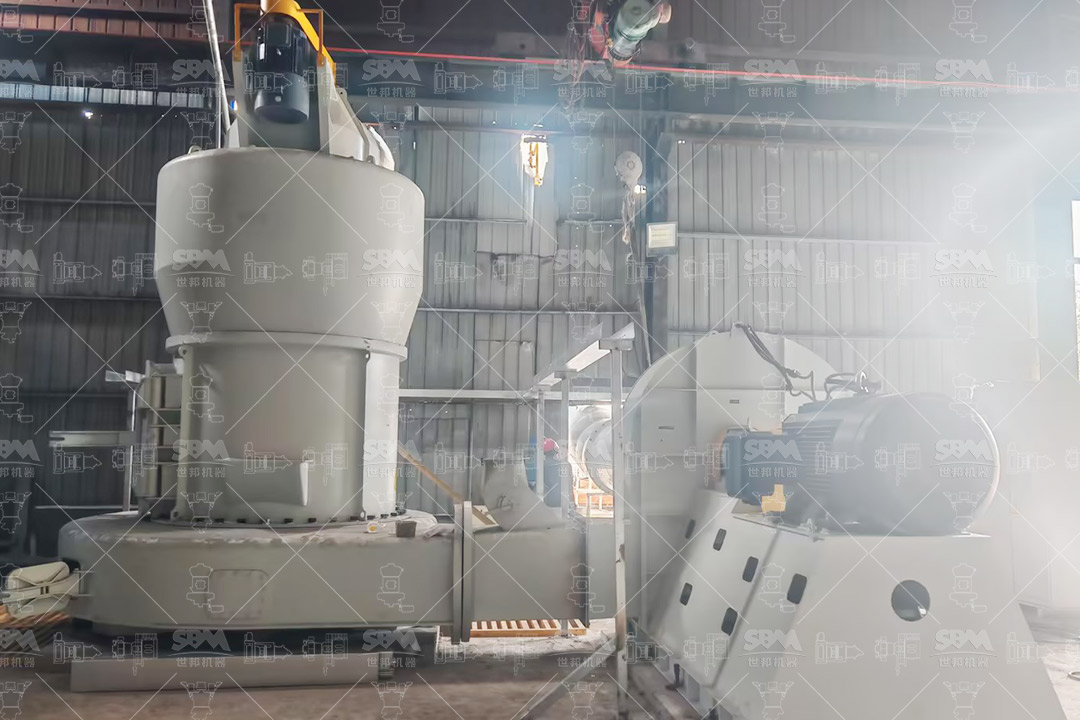
When selecting grinding equipment, it’s important to understand how R-type Raymond Mills compare to other available technologies:
Versus Ball Mills
R-type mills generally offer higher efficiency for fine grinding applications (below 325 mesh) due to their specific grinding mechanism. They also occupy less floor space and generate less noise than equivalent ball mills. However, ball mills may be more suitable for very hard materials or when simultaneous drying is required.
Versus Vertical Roller Mills
Vertical roller mills typically offer higher capacity and better energy efficiency for large-scale operations but involve higher capital investment. R-type mills remain competitive for medium-capacity requirements and offer advantages in terms of operational simplicity and maintenance accessibility.
Versus Ultra-fine Grinding Mills
For applications requiring extremely fine products (below 10 microns), specialized ultra-fine grinding systems such as our SCM Ultrafine Mill series may be more appropriate. These advanced mills can achieve fineness up to 2500 mesh (5μm) while offering energy consumption 30% lower than jet mills with twice the capacity.
Recommended Product: SCM Ultrafine Mill
For applications requiring finer powders than traditional R-type mills can produce, we recommend our SCM Series Ultrafine Mill. This advanced grinding system represents the next generation in fine powder processing technology, capable of producing powders with fineness ranging from 325 to 2500 mesh (45-5μm).
The SCM Ultrafine Mill incorporates several innovative features that set it apart from conventional grinding equipment:
- High-Efficiency Grinding System: Utilizing a unique grinding chamber design with multiple grinding elements to achieve ultra-fine particle size reduction
- Precision Classification: Equipped with a vertical turbine classifier that enables precise control over product fineness with no coarse particle contamination
- Energy-Saving Operation: Delivering twice the capacity of jet mills while reducing energy consumption by 30%
- Durable Construction: Featuring special material grinding rollers and rings that extend service life multiple times compared to conventional components
- Environmental Compliance: Incorporating pulse dust collection with efficiency exceeding international standards and noise levels below 75dB
With models ranging from the SCM800 (0.5-4.5 ton/h capacity) to the SCM1680 (5.0-25 ton/h capacity), this series offers solutions for various production requirements while maintaining consistent product quality and operational reliability.
Maintenance and Operational Best Practices
Proper maintenance is essential for maximizing the service life and performance of R-type Raymond Mills. Key maintenance considerations include:
Regular Inspection Schedule
Implementing a systematic inspection program for critical components such as grinding rollers, grinding rings, classifier blades, and bearing assemblies can prevent unexpected downtime and identify wear issues before they cause major problems.
Lubrication Management
Proper lubrication of bearings and gear systems is crucial for reliable operation. Modern R-type mills often feature centralized lubrication systems that simplify maintenance and ensure consistent lubricant delivery to all critical points.
Wear Component Management
Establishing a strategic inventory of wear parts and implementing a predictive replacement schedule based on operating hours and material characteristics can optimize maintenance costs while avoiding production interruptions.
Future Trends in Raymond Mill Technology
The evolution of R-type Raymond Mills continues with several emerging trends likely to shape future developments:
Digitalization and IoT Integration
The integration of sensors, data analytics, and cloud connectivity enables predictive maintenance, remote operation, and optimization of grinding parameters based on real-time performance data.
Advanced Material Science
Ongoing research into wear-resistant materials and surface treatments promises further improvements in component life and reduction of maintenance requirements.
Sustainability Focus
Increasing emphasis on energy efficiency, noise reduction, and emission control drives design improvements that minimize environmental impact while maintaining production performance.
Conclusion
The R-type Raymond Mill remains a cornerstone technology in the field of industrial powder processing, offering a proven solution for medium-fine grinding applications across multiple industries. Its enduring popularity stems from its operational reliability, maintenance accessibility, and adaptability to various materials and production requirements.
While traditional R-type mills continue to serve many applications effectively, technological advancements have led to the development of more specialized equipment such as our MTW Series Trapezium Mill, which offers enhanced efficiency, larger capacity (3-45 tons/hour), and improved wear resistance through features like curved air duct design, combined blade design, and cone gear integral transmission with 98% efficiency.
As industrial requirements continue to evolve, the fundamental principles embodied in the R-type Raymond Mill will undoubtedly continue to influence new generations of grinding equipment, ensuring its legacy in powder processing technology for years to come.