
What is Lime Underburning and Overburning? Best Grinding Mill for Quicklime Powder Production
Introduction to Lime Calcination and Grinding
Quicklime (calcium oxide, CaO) is a crucial industrial material produced by calcining limestone (calcium carbonate, CaCO₃) at high temperatures. The quality of quicklime significantly depends on the calcination process and subsequent grinding to achieve the desired fineness for various applications. Understanding the phenomena of underburning and overburning is essential for producing high-quality quicklime powder efficiently.

Understanding Lime Underburning
Underburning occurs when limestone is insufficiently calcined, leaving unreacted calcium carbonate cores within the quicklime particles. This condition arises when the calcination temperature is too low, residence time in the kiln is insufficient, or particle size is too large for complete reaction.
Causes of Underburning
- Insufficient Temperature: Calcination below 800°C prevents complete decomposition of CaCO₃
- Short Residence Time: Inadequate time for heat penetration to particle core
- Oversized Feed Material: Large limestone chunks prevent uniform heating
- Poor Heat Distribution: Uneven temperature profiles in the kiln
Consequences of Underburning
Underburned lime contains residual carbonate that reduces the available lime (AVL) content, decreasing chemical reactivity. This results in poor slaking characteristics, reduced efficiency in steelmaking, water treatment, and flue gas desulfurization applications. The presence of carbonate cores also creates challenges during grinding, as the mixed hardness levels can lead to inconsistent particle size distribution.
Understanding Lime Overburning
Overburning occurs when quicklime is exposed to excessively high temperatures (typically above 1,300°C) or prolonged heating after complete calcination. This condition causes sintering and crystal growth, resulting in dense, low-porosity lime with reduced reactivity.
Causes of Overburning
- Excessive Temperature: Prolonged exposure above 1,300°C
- Long Residence Time: Extended stay in high-temperature zones
- High Silica Content: Forms calcium silicates that fuse particles
- Poor Kiln Control: Inadequate temperature monitoring and regulation
Consequences of Overburning
Overburned lime exhibits decreased specific surface area, reduced porosity, and sluggish reaction rates. The hard, sintered material requires more energy during grinding and may never achieve the desired reactivity even when ground to fine powder. Overburned lime is particularly problematic in chemical processes where rapid reaction kinetics are essential.
Optimal Lime Calcination for Grinding
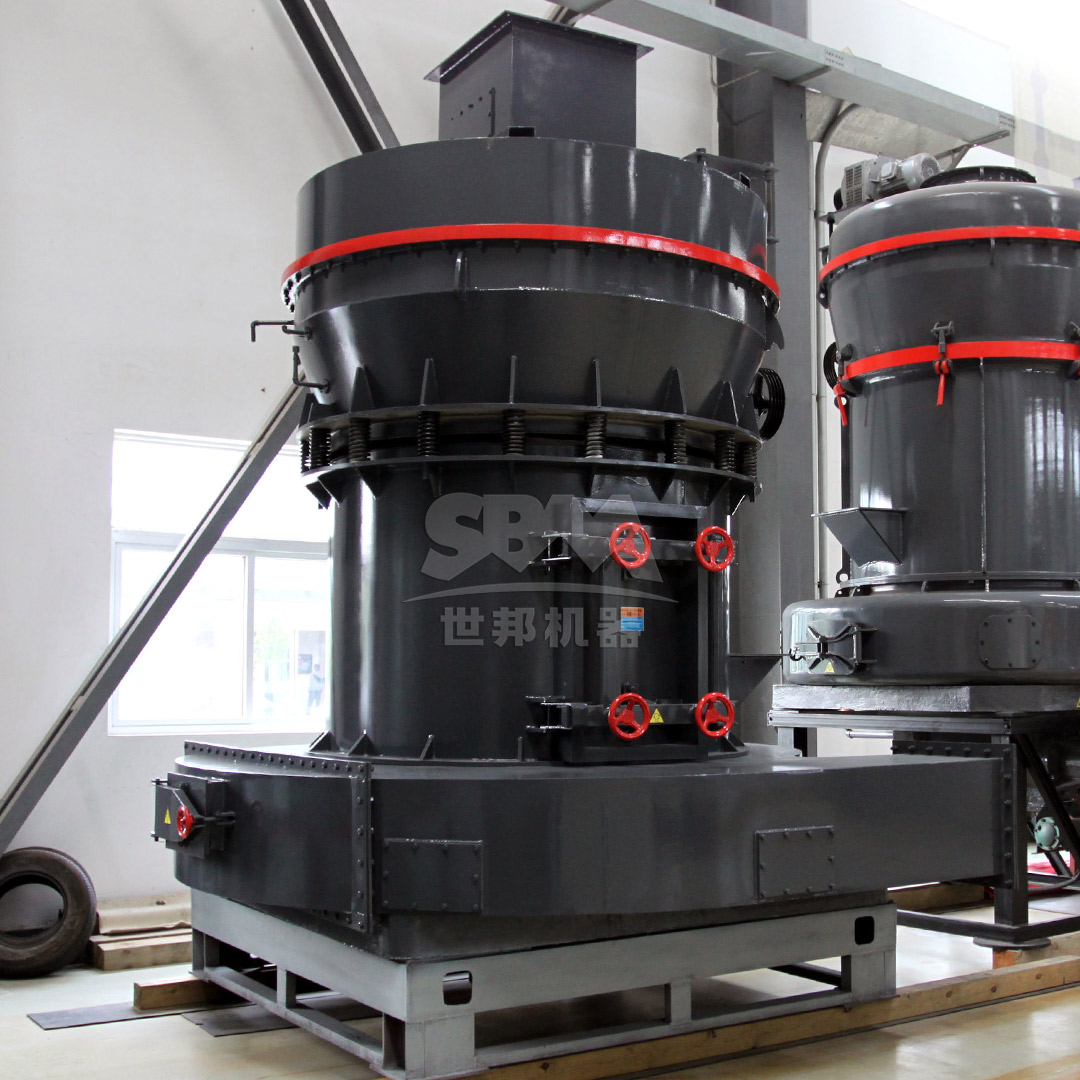
Properly burned quicklime should be completely calcined without evidence of sintering. The ideal product has high porosity, moderate crystal size, and AVL content exceeding 90%. This material grinds efficiently and exhibits excellent reactivity in downstream applications.
Grinding Technology for Quicklime Powder Production
The selection of appropriate grinding equipment is critical for transforming calcined quicklime into high-quality powder. Different applications require specific particle size distributions, ranging from coarse agricultural lime to ultra-fine chemical grades.
Key Considerations for Lime Grinding Mills
- Feed Size Compatibility: Ability to handle various quicklime lump sizes
- Product Fineness Range: Flexibility to produce different particle sizes
- Grinding Efficiency: Energy consumption per ton of product
- Wear Resistance: Durability against abrasive quicklime
- Temperature Management: Handling exothermic reactions during grinding
- Contamination Control: Preventing iron contamination from wear parts
Recommended Grinding Solutions for Quicklime
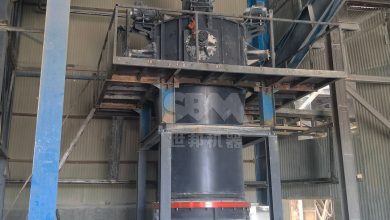
SCM Ultrafine Mill for High-Finesse Applications
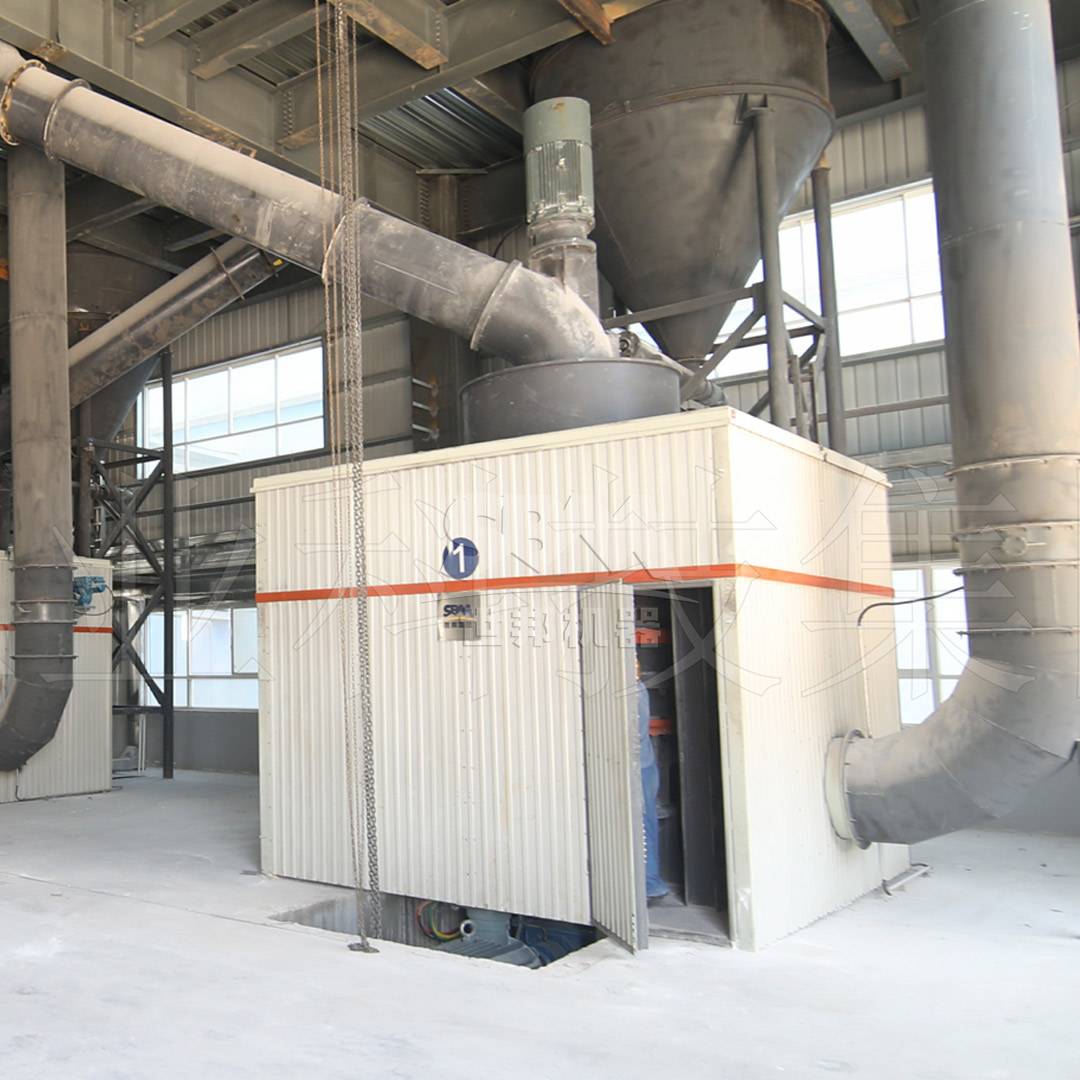
For applications requiring ultra-fine quicklime powder, such as advanced chemical processes, plastics filler, or specialized construction materials, the SCM Ultrafine Mill represents an optimal solution. This mill excels in producing powders in the range of 325-2500 mesh (45-5μm), which is essential for maximizing the surface area and reactivity of quicklime.
The SCM series features a unique grinding mechanism where material is centrifugally distributed to the grinding track and subjected to multi-layer grinding between rollers and rings. The integrated vertical turbo classifier ensures precise particle size control without coarse powder contamination. With capacity ranging from 0.5 to 25 tons per hour across different models, this mill can accommodate various production requirements while consuming 30% less energy compared to jet mills.
For quicklime grinding specifically, the SCM800 and SCM1000 models are particularly recommended. The SCM800 handles 0.5-4.5 ton/h with 75kW power, while the SCM1000 processes 1.0-8.5 ton/h with 132kW. Both models accept feed sizes up to 20mm and can achieve the fine particle sizes necessary for high-reactivity applications.
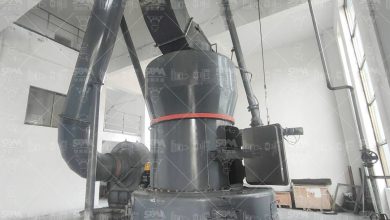
MTW Series Trapezium Mill for General Applications
For most industrial quicklime applications requiring medium to fine powders (30-325 mesh), the MTW Series Trapezium Mill offers an excellent balance of efficiency, reliability, and cost-effectiveness. This mill is particularly suitable for construction materials, water treatment chemicals, and agricultural lime production.
The MTW series incorporates several advanced features including anti-wear shovel design, curved air duct optimization, and integrated cone gear transmission with 98% efficiency. These features collectively reduce maintenance costs by 30% while improving grinding performance. The mill’s working principle involves centrifugal force-driven grinding where material is thrown between rollers and rings for efficient compression crushing.
Among the MTW models, the MTW138Z and MTW175G are highly recommended for quicklime processing. The MTW138Z handles 6-17 ton/h with 90kW power, while the MTW175G processes 9.5-25 ton/h with 160kW. Both models accept feed sizes up to 35-40mm, making them suitable for direct processing of crushed quicklime lumps.
Technical Comparison of Grinding Solutions
| Parameter | SCM Ultrafine Mill | MTW Trapezium Mill |
|---|---|---|
| Optimal Fineness Range | 325-2500 mesh (5-45μm) | 30-325 mesh (45-600μm) |
| Maximum Feed Size | ≤20mm | ≤50mm |
| Capacity Range | 0.5-25 t/h | 3-45 t/h |
| Energy Efficiency | 30% lower than jet mills | High transmission efficiency (98%) |
| Key Applications | High-value chemicals, specialty fillers | Construction, water treatment, agriculture |
Selection Guidelines Based on Lime Quality
Grinding Underburned Lime
Underburned lime with residual carbonate cores presents unique grinding challenges. The mixed hardness can lead to uneven particle size distribution. For such material, the MTW Series Trapezium Mill with its robust construction and adjustable pressure system is recommended. The spring load system can compensate for varying material hardness, while the combination shovel design reduces maintenance frequency.
Grinding Overburned Lime
Overburned lime’s hard, sintered structure requires high grinding pressure and generates significant heat. The SCM Ultrafine Mill with its special material rollers and rings, coupled with efficient cooling systems, is better suited for this challenging material. The mill’s layered grinding approach gradually reduces particle size without excessive heat buildup.
Grinding Properly Burned Lime
Well-calcined quicklime with high porosity grinds efficiently in both recommended mills. The choice depends primarily on the required fineness. For general applications up to 325 mesh, the MTW series offers higher capacity and lower operating costs. For ultra-fine requirements, the SCM series provides superior performance.
Operational Best Practices
Feed Preparation
Proper sizing of quicklime feed material is essential for optimal mill performance. Both recommended mills can handle direct feed of crushed quicklime, but consistent sizing within their specified limits ensures stable operation and uniform product quality.
Moisture Control
Quicklime is highly hygroscopic and moisture can lead to hydration during grinding, causing equipment clogging and reduced efficiency. Ensure feed material is properly stored and handled to minimize moisture absorption before grinding.
Temperature Management
The exothermic reaction during lime grinding can raise temperatures significantly. Both recommended mills incorporate cooling mechanisms, but monitoring operational temperatures is essential to prevent overheating and maintain product quality.
Conclusion
Understanding lime underburning and overburning is fundamental to producing high-quality quicklime powder. Proper calcination followed by appropriate grinding technology selection ensures optimal product performance in various applications. The SCM Ultrafine Mill and MTW Series Trapezium Mill represent two excellent solutions covering the spectrum from ultra-fine to medium-fine quicklime powder requirements. By matching the grinding technology to both the lime quality and application needs, producers can maximize efficiency, product quality, and operational economy.