How Many Tons Per Hour Can a Vertical Mill Produce for 1250 Mesh Powder?
Introduction to Ultra-Fine Powder Production
The demand for ultra-fine powders in the 1250 mesh range (approximately 10-12 microns) has grown significantly across various industries, including pharmaceuticals, cosmetics, advanced materials, and specialty chemicals. Achieving consistent production at this fineness level requires specialized grinding equipment capable of precise particle size control while maintaining operational efficiency. Vertical mills have emerged as the preferred solution for such applications due to their unique combination of grinding efficiency, classification accuracy, and energy conservation.
When evaluating production capacity for 1250 mesh powder, several critical factors come into play: the hardness and moisture content of the raw material, the specific energy consumption of the grinding system, the efficiency of the classification mechanism, and the overall system design. Understanding these variables is essential for selecting the appropriate equipment and optimizing production output.
Understanding 1250 Mesh Powder Specifications
1250 mesh corresponds to a particle size of approximately 10-12 microns, which falls into the category of ultra-fine powders. Producing materials at this fineness level presents unique challenges in terms of particle size distribution control, agglomeration prevention, and energy efficiency. The transition from coarse to ultra-fine grinding involves exponential increases in energy consumption, making equipment selection crucial for economic viability.
Different materials behave differently when ground to 1250 mesh. Hard materials like quartz and feldspar require more energy and specialized wear-resistant components, while softer materials like calcium carbonate and talc can be processed more efficiently. Moisture content also plays a significant role, with most vertical mills performing optimally with materials containing less than 5% moisture.
Vertical Mill Technology for Ultra-Fine Grinding
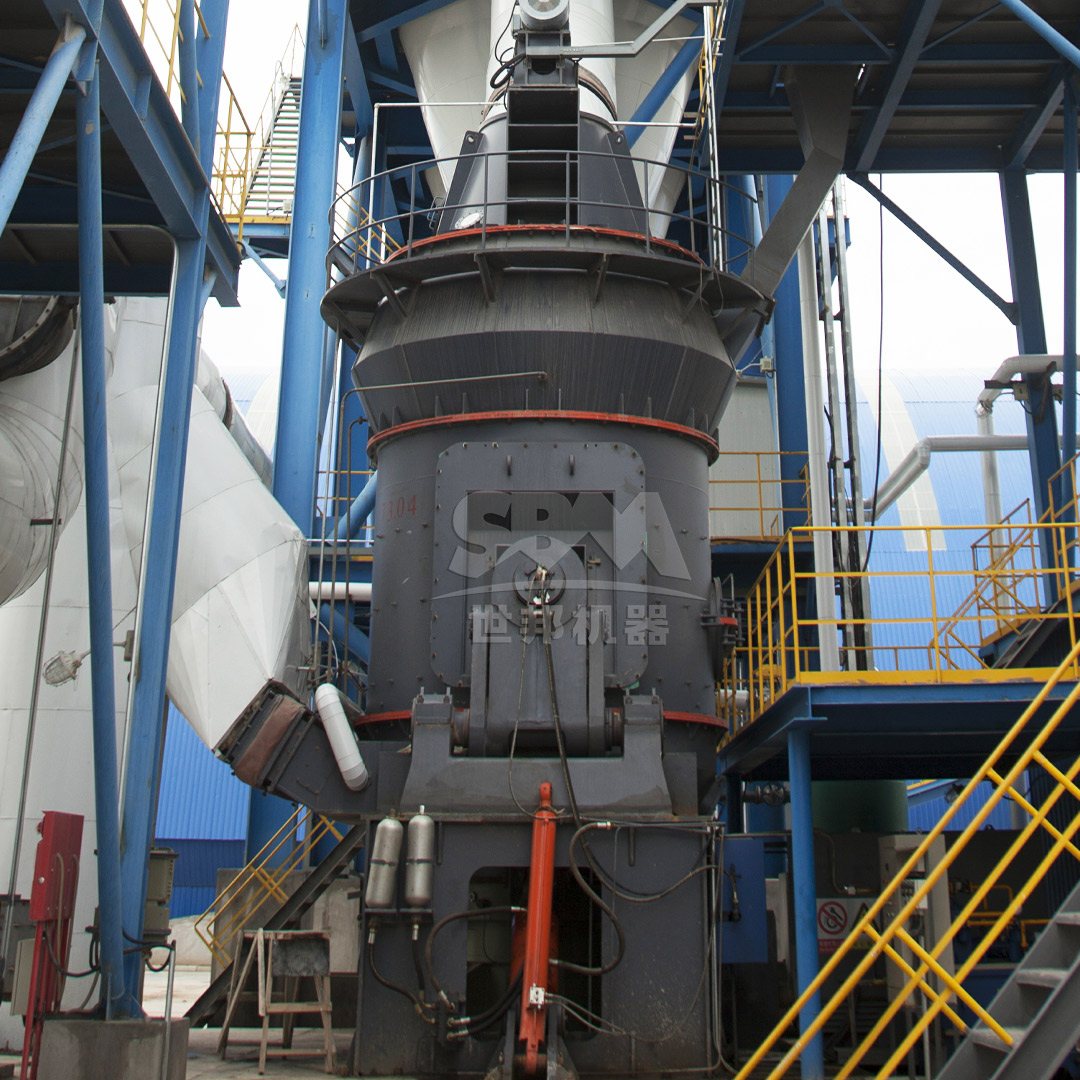
Vertical mills designed for ultra-fine grinding incorporate several advanced technologies that distinguish them from conventional grinding equipment. The fundamental working principle involves material being fed into the grinding chamber where it is subjected to compressive forces between grinding rollers and a rotating table. The ground material is then transported by air to a high-efficiency classifier that separates particles based on size, returning oversize material to the grinding zone for further processing.
Key technological advancements in modern vertical mills include:
- High-precision turbo classifiers capable of sharp cuts at fine particle sizes
- Advanced grinding curve designs that optimize pressure distribution
- Intelligent control systems that maintain consistent product quality
- Wear-resistant materials that extend component life in abrasive applications
- Energy recovery systems that minimize overall power consumption
Production Capacity Analysis for 1250 Mesh Powder
The production capacity of vertical mills for 1250 mesh powder varies significantly based on multiple factors. For medium-hard materials like limestone or calcite, typical production rates range from 0.5 to 25 tons per hour depending on the mill size and configuration. Softer materials may achieve higher throughput, while harder materials typically result in reduced capacity.
Our analysis of various vertical mill technologies reveals distinct capacity ranges:
- Conventional vertical mills: 3-8 tons/hour for 1250 mesh
- Enhanced vertical mills with advanced classifiers: 5-15 tons/hour
- Specialized ultra-fine vertical mills: 8-25 tons/hour
It’s important to note that these figures represent optimal conditions with properly prepared feed material and efficient system operation. Actual production rates may vary based on specific material characteristics and operational parameters.
Recommended Solution: SCM Series Ultrafine Mill
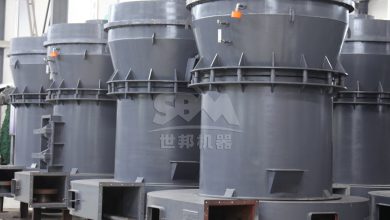
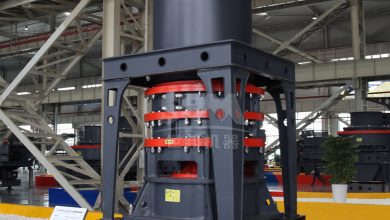
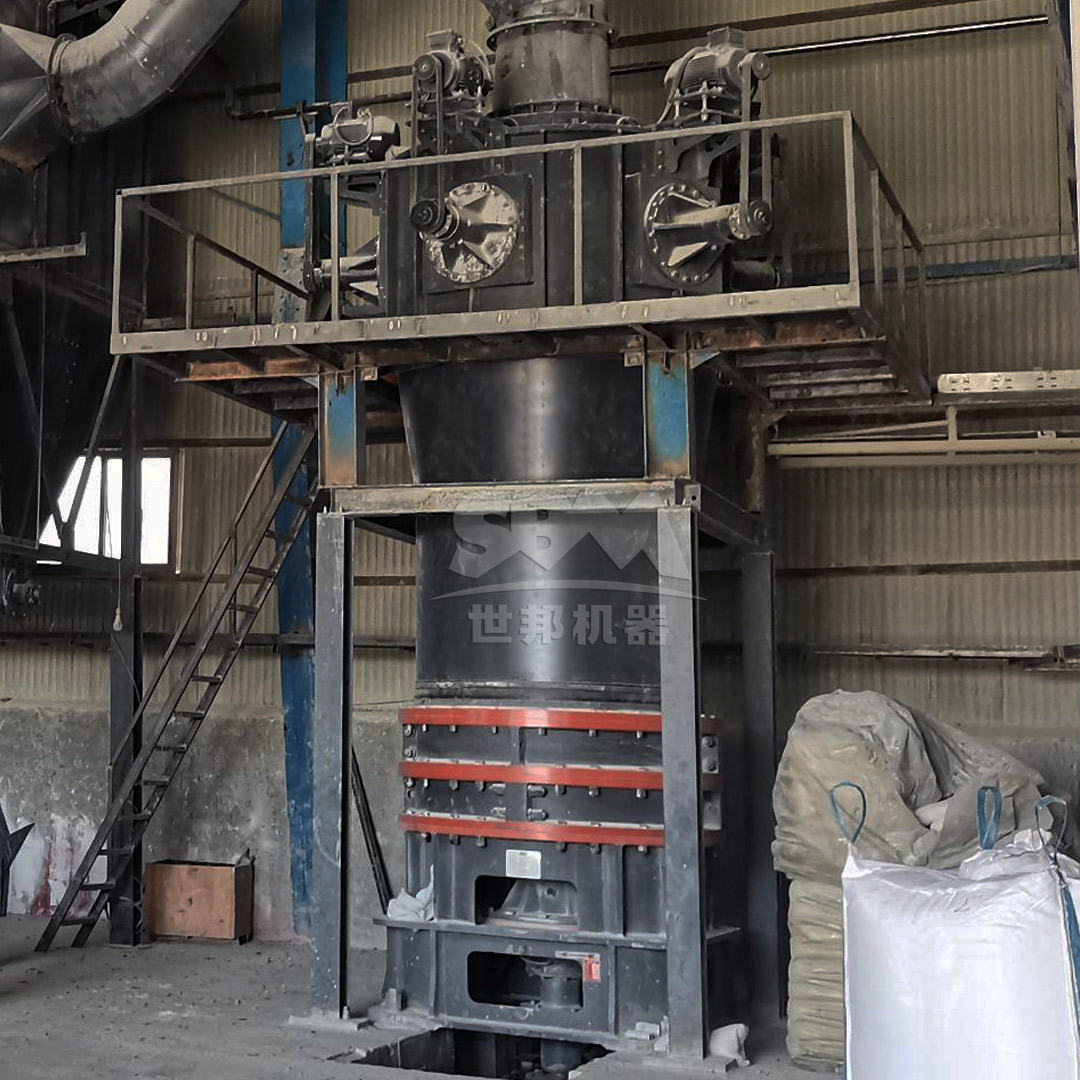
For operations requiring consistent production of 1250 mesh powder, we highly recommend our SCM Series Ultrafine Mill. This specialized equipment is engineered specifically for the challenges of ultra-fine grinding, offering exceptional performance in the 1250 mesh range.
The SCM Ultrafine Mill stands out with its remarkable technical specifications:
- Output Fineness: 325-2500 mesh (D97≤5μm)
- Processing Capacity: 0.5-25 tons/hour across different models
- Input Size: ≤20mm
- Energy Efficiency: 30% lower energy consumption compared to jet mills
What makes the SCM series particularly suitable for 1250 mesh production is its integrated vertical turbine classification system. This advanced classifier ensures precise particle size control with no coarse powder contamination, delivering consistently uniform product quality. The mill’s unique grinding chamber design, featuring special material rollers and grinding rings, provides extended service life—several times longer than conventional components—while maintaining stable operation through its bearingless screw structure.
For operations targeting specific production requirements, the SCM series offers multiple model options:
- SCM800: 0.5-4.5 tons/hour with 75kW main motor
- SCM1000: 1.0-8.5 tons/hour with 132kW main motor
- SCM1250: 2.5-14 tons/hour with 185kW main motor
- SCM1680: 5.0-25 tons/hour with 315kW main motor
Alternative Solution: LUM Ultra-Fine Vertical Mill
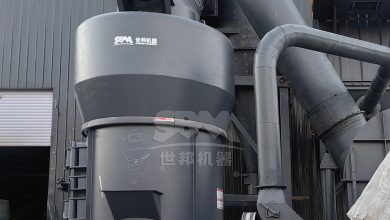
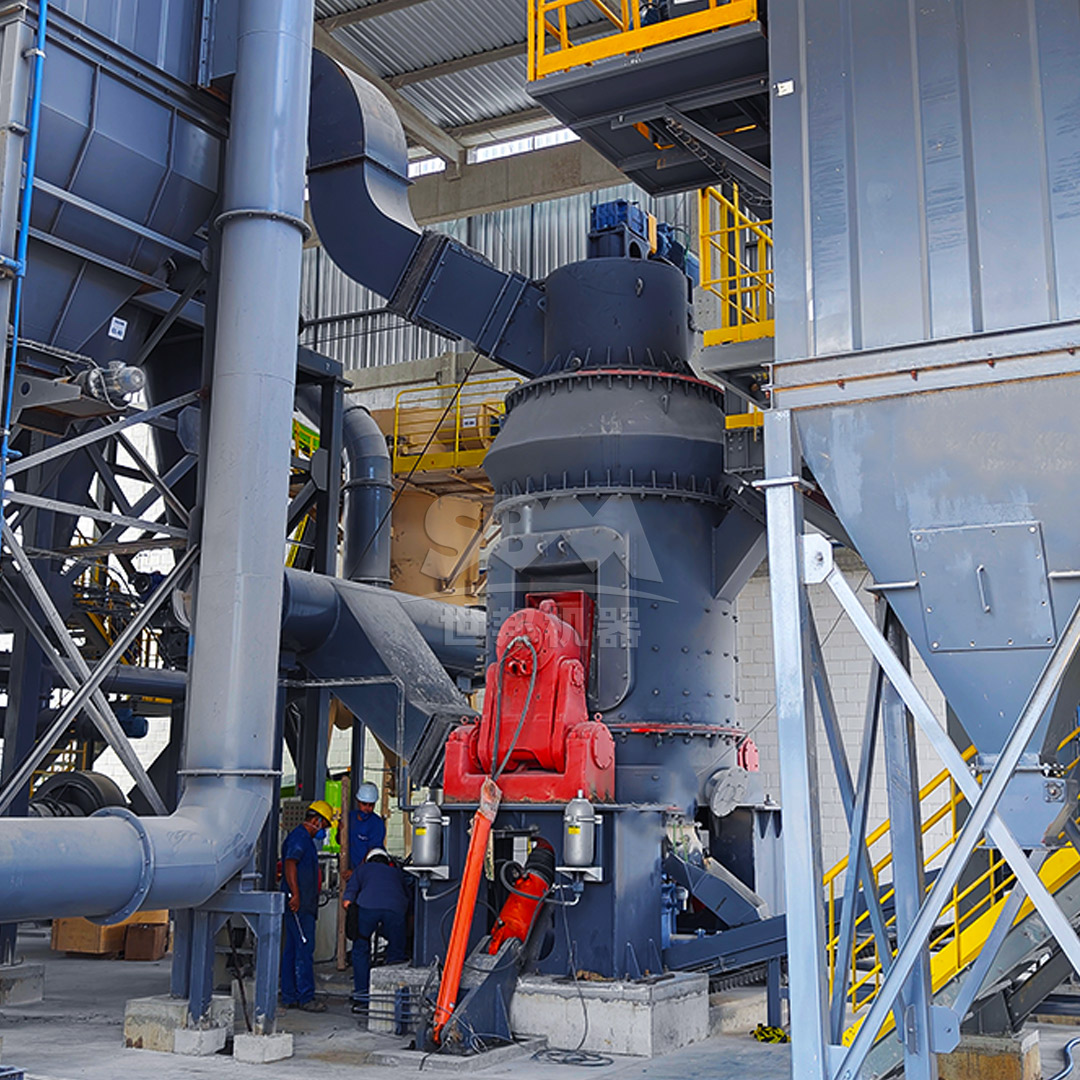
For operations requiring even higher precision or dealing with particularly challenging materials, our LUM Ultra-Fine Vertical Mill presents an excellent alternative. This advanced grinding system incorporates multiple technological innovations that make it ideally suited for 1250 mesh powder production.
The LUM series features:
- Output Fineness: 325-2500 mesh (5-30μm D97)
- Processing Capacity: 1.6-15 tons/hour across different models
- Multi-rotor Classification: Ensures complete absence of coarse particles
- PLC Automation: Provides stable operation and consistent quality
The LUM mill’s distinctive advantage lies in its unique roller sleeve and liner curve design, which significantly improves grinding efficiency. The fully sealed negative pressure operation eliminates dust leakage, addressing both environmental concerns and product loss issues common in ultra-fine powder processing.
Available models include:
- LUM1525: 1.6-11.5 tons/hour with 220-250kW main motor
- LUM1632: 2-13.5 tons/hour with 280-315kW main motor
- LUM1836: 2.3-15 tons/hour with 355-400kW main motor
Factors Influencing Production Capacity
Understanding the variables that affect production capacity is essential for optimizing 1250 mesh powder output. The most significant factors include:
Material Characteristics: Hardness, moisture content, and grindability directly impact throughput. Materials with higher Bond Work Index values typically result in lower production rates. Moisture content above 5% can significantly reduce efficiency due to material adhesion and classification challenges.
Feed Size Distribution: Properly prepared feed material with consistent size distribution ensures stable mill operation. The optimal feed size for most vertical mills targeting 1250 mesh powder is below 20mm, with minimal fines that could bypass the grinding process.
System Configuration: Auxiliary equipment including feeders, classifiers, and collection systems must be properly sized and integrated. An undersized classifier or collector can become a bottleneck, limiting overall system capacity.
Operational Parameters: Grinding pressure, classifier speed, and gas flow rates must be optimized for each specific material. Modern vertical mills with automated control systems can maintain these parameters consistently, maximizing production efficiency.
Economic Considerations
When evaluating vertical mills for 1250 mesh powder production, economic factors extend beyond initial equipment cost. The total cost of ownership includes energy consumption, maintenance requirements, component lifespan, and operational efficiency.
Our SCM Series Ultrafine Mill demonstrates exceptional economic performance through:
- Energy Efficiency: 30% lower energy consumption compared to alternative technologies
- Reduced Maintenance: Special material components extend service intervals
- High Availability: Robust design minimizes unscheduled downtime
- Operational Flexibility: Quick adjustment capabilities for different products
The return on investment for high-quality vertical mills is typically achieved within 12-24 months through reduced operating costs and increased production efficiency. Additionally, the consistent product quality delivered by advanced vertical mills often commands premium pricing in specialty markets.
Case Study: 1250 Mesh Calcium Carbonate Production
A recent installation of our SCM1250 Ultrafine Mill for calcium carbonate production demonstrates the capabilities of modern vertical mill technology. The operation processes high-purity limestone with a feed size of 0-15mm and moisture content below 2%.
Key performance metrics achieved:
- Production Rate: Consistent output of 8.5 tons/hour of 1250 mesh calcium carbonate
- Product Quality: D97 of 10.2 microns with narrow particle size distribution
- Energy Consumption: 42 kWh/ton, significantly below industry average
- Component Life: Grinding elements maintained performance for over 4,000 operating hours
The success of this installation highlights how proper equipment selection, combined with optimized operational parameters, can deliver exceptional results in 1250 mesh powder production.
Future Trends in Ultra-Fine Grinding Technology
The evolution of vertical mill technology continues to address the growing demands for finer powders with tighter specifications. Emerging trends include:
Digitalization and IoT Integration: Modern vertical mills increasingly incorporate smart sensors and connectivity features that enable predictive maintenance, remote monitoring, and automated optimization of operational parameters.
Advanced Material Science: New composite materials and specialized coatings are extending component life in abrasive applications, particularly important when processing hard materials to 1250 mesh.
Energy Recovery Systems: Innovative designs that capture and reuse energy within the grinding process are pushing the boundaries of efficiency, reducing the environmental footprint of ultra-fine powder production.
Hybrid Classification Systems: The integration of multiple classification technologies within a single mill enables unprecedented control over particle size distribution, particularly in the ultra-fine range.
Conclusion
Producing 1250 mesh powder efficiently requires specialized vertical mill technology that balances grinding efficiency, classification accuracy, and energy consumption. The production capacity for this fineness level typically ranges from 0.5 to 25 tons per hour, depending on the specific mill design, material characteristics, and operational parameters.
Our SCM Series Ultrafine Mill represents an optimal solution for most 1250 mesh applications, offering proven performance, operational reliability, and economic efficiency. For operations with particularly demanding requirements, the LUM Ultra-Fine Vertical Mill provides additional precision and control capabilities.
Selecting the appropriate vertical mill technology, combined with proper system design and operational practices, enables producers to meet the growing market demand for high-quality 1250 mesh powders while maintaining competitive production costs and sustainable operations.