How to Configure a Raymond Mill Production Line for Brucite?
Introduction to Brucite and Its Processing Requirements
Brucite, a magnesium hydroxide mineral with the chemical formula Mg(OH)2, is valued for its high magnesium content, flame retardancy, and thermal stability. To unlock its full potential in applications such as flame retardant fillers, wastewater treatment, and construction materials, brucite must be processed into fine powders with specific particle size distributions. This article provides a comprehensive guide to configuring an efficient Raymond mill production line for brucite processing, focusing on equipment selection, process flow, and optimization strategies.
Brucite’s Mohs hardness of 2.5 and perfect basal cleavage make it relatively soft but challenging to grind to ultra-fine sizes without proper equipment configuration. The mineral’s plate-like crystal structure requires specialized milling techniques to achieve the desired aspect ratios and surface properties for various industrial applications.
Understanding Brucite Characteristics and Grinding Challenges
Before designing a brucite production line, it’s crucial to understand the material’s unique properties. Brucite typically contains 69% MgO and 31% H2O, with impurities including calcite, dolomite, and serpentine. Its thermal decomposition begins at around 350°C, limiting processing temperatures during grinding. The mineral’s softness can lead to packing and agglomeration issues in conventional mills, while its plate-like morphology requires careful control of grinding forces to prevent excessive delamination.
The moisture content of raw brucite is another critical factor, typically ranging from 2-8%. High moisture can lead to clogging in grinding systems, necessitating pre-drying stages. Additionally, brucite’s low abrasiveness reduces wear on grinding components but requires precise control of grinding pressure to achieve the desired particle size distribution without over-grinding.
Complete Raymond Mill Production Line Configuration for Brucite
Raw Material Preparation and Crushing Stage
The first stage in brucite processing involves primary crushing to reduce large lumps to manageable sizes. A jaw crusher is typically employed for this purpose, reducing raw brucite from mine-run sizes (up to 300mm) to approximately 30-50mm. For operations requiring higher throughput, a gyratory crusher may be more appropriate. The crushed material is then conveyed to a secondary crushing circuit, where a hammer crusher or impact crusher further reduces the particle size to below 10mm.
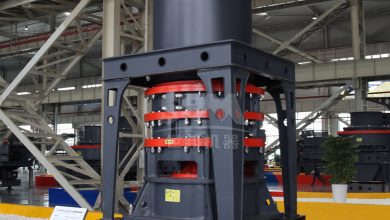
For brucite operations requiring very fine feed material, our Hammer Mill (PC4012-90 model) offers excellent performance with its high manganese steel hammer design and optimized crushing chamber. With a capacity of 15-40 tons per hour and the ability to produce 0-3mm output directly, this equipment can significantly streamline your preparation process while reducing overall energy consumption.
Drying and Pre-processing System
Brucite’s natural moisture content necessitates an efficient drying system before fine grinding. Rotary dryers are commonly used, operating at temperatures below 300°C to prevent premature decomposition of the hydroxide. The drying system should include temperature controls and moisture sensors to optimize energy usage while preserving material quality. For operations in humid climates, closed-circuit drying systems with heat recovery may be necessary to maintain efficiency.
After drying, the material is typically stored in silos with proper aeration to prevent moisture reabsorption. Vibrating screens separate properly sized material (under 10mm) from oversize particles that require recrushing. Magnetic separators may be incorporated at this stage to remove iron contaminants that could affect final product quality and cause wear in grinding equipment.
Raymond Mill Grinding Circuit
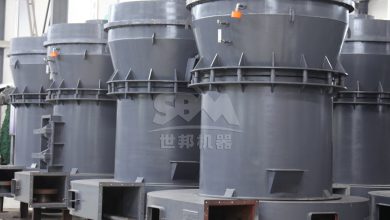
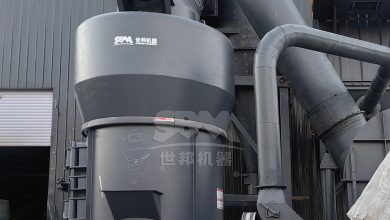
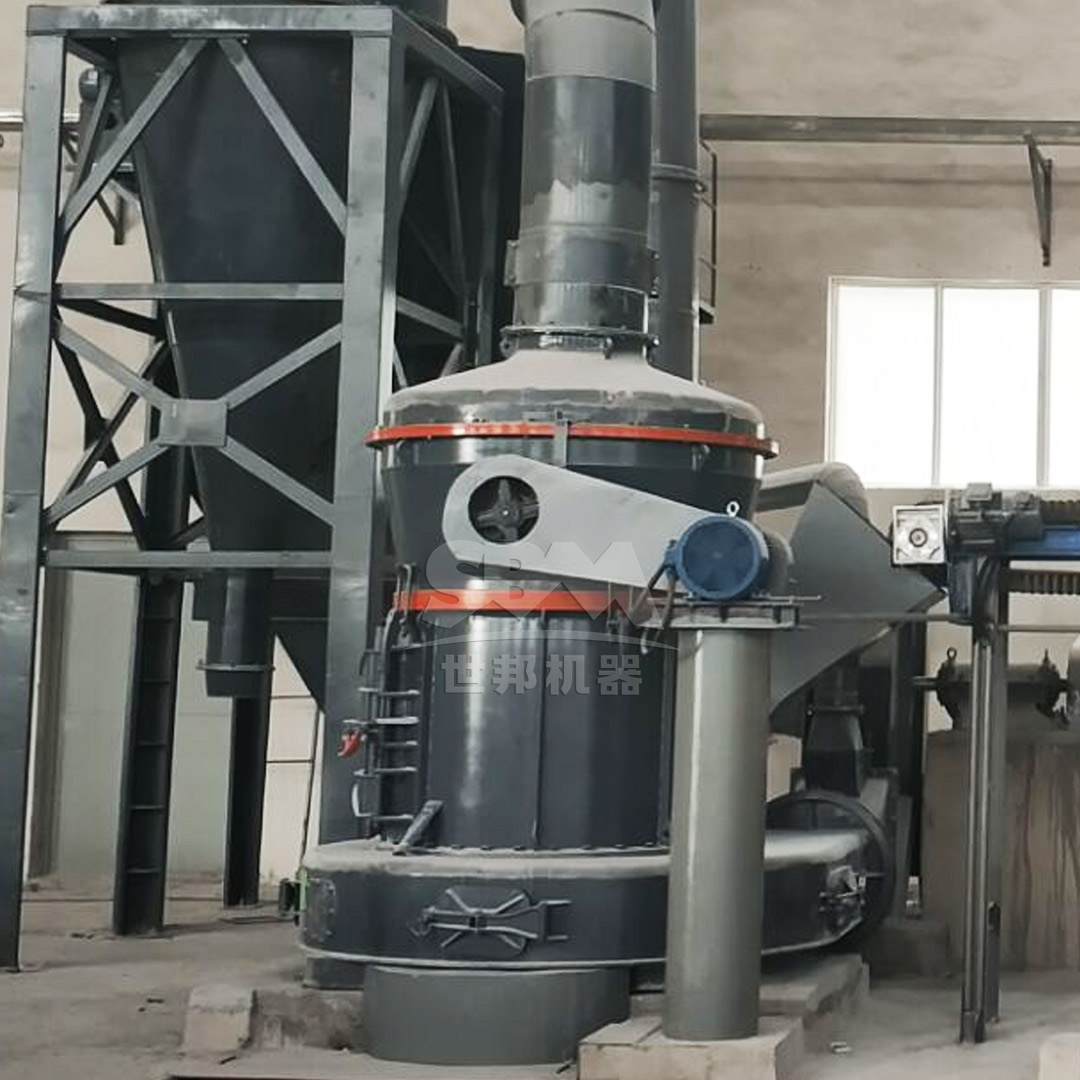
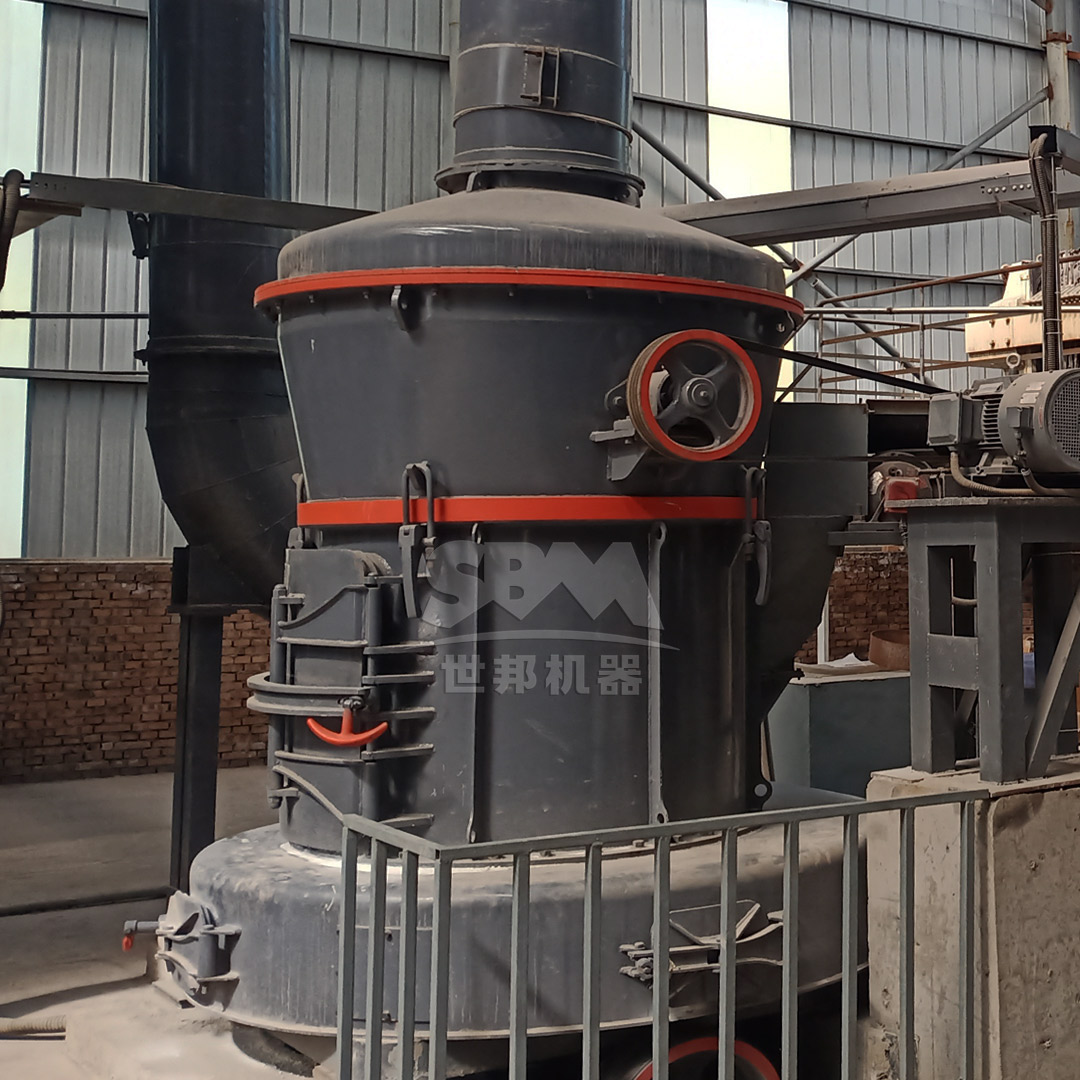
The heart of the brucite production line is the Raymond mill grinding system. For brucite processing, the grinding circuit must balance production rate with particle size control. The standard Raymond mill configuration includes the grinding mill main unit, classifier, piping device, blower, jaw crusher, bucket elevator, electromagnetic vibrating feeder, and control system.
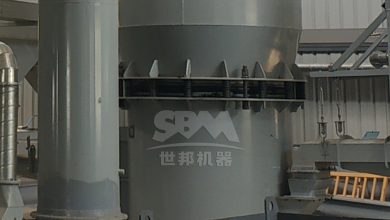
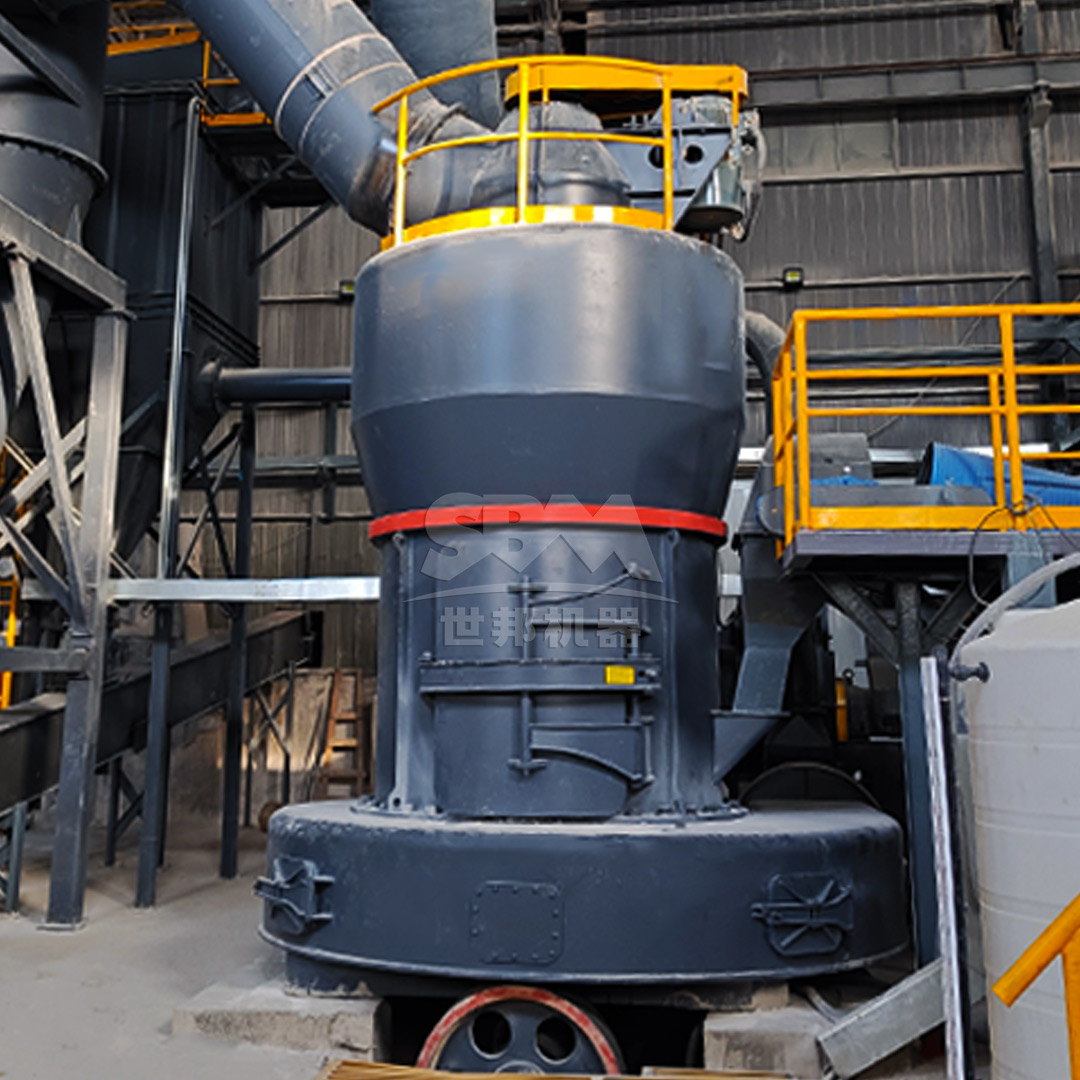
For brucite applications requiring medium to fine powders (45-325 mesh), we recommend our MTW Series Trapezium Mill, which features several technological advancements specifically beneficial for brucite processing. The curved air duct design reduces airflow resistance and improves transmission efficiency, while the bevel gear overall transmission achieves up to 98% transmission efficiency. The wear-resistant volute structure minimizes maintenance costs by approximately 30%, making it an economically viable solution for long-term brucite processing operations.
The MTW Series offers multiple models with capacities ranging from 3-45 tons per hour, allowing operators to select the appropriate size based on production requirements. The integrated powder classifier provides precise control over final product fineness, with the ability to produce powders from 30-325 mesh (600-45μm).
Classification and Collection System
Proper classification is critical in brucite processing to ensure consistent product quality. High-efficiency turbo classifiers separate fine particles from coarse material, with the latter returning to the grinding chamber for further processing. Modern classifiers offer adjustable rotor speeds to fine-tune the cut point, allowing operators to produce different product grades from the same mill.
The collection system typically consists of cyclone separators and baghouse filters. For ultra-fine brucite powders, pulse-jet bag filters with surface treatment (e.g., PTFE coating) provide high collection efficiency. The system should be designed to handle the specific characteristics of brucite dust, which can be challenging due to the material’s plate-like morphology and low bulk density.
Equipment Selection Criteria for Brucite Raymond Mills
Mill Type and Configuration
Selecting the appropriate Raymond mill configuration depends on the target product specifications and production capacity. For coarse to medium brucite powders (45-200 mesh), traditional Raymond mills with pendulum grinding systems offer reliable performance with relatively low operating costs. For finer products (200-325 mesh) or higher capacity requirements, newer designs with improved grinding elements and classification systems are preferable.
The grinding roller and grinding ring materials should be selected based on brucite’s low abrasiveness but potential for contamination. Hardened steel or special alloys provide adequate wear resistance while minimizing iron contamination. The spring loading system should be adjustable to optimize grinding pressure for brucite’s specific characteristics, balancing production rate with energy consumption.
Classifier Selection
Classifier selection significantly impacts the efficiency and product quality of brucite grinding operations. For most brucite applications, dynamic classifiers with adjustable rotor speeds provide the flexibility needed to produce different product grades. The classifier should be sized appropriately for the air volume and particle loading specific to brucite, which has a relatively low density compared to other minerals.
Static classifiers may be suitable for operations with consistent product requirements, while high-efficiency dynamic classifiers are preferable for operations requiring frequent product changes or tight particle size distributions. The classifier drive system should offer precise speed control and stable operation across the entire operating range.
Auxiliary Equipment Considerations
The feeding system must handle brucite’s potential for bridging and compaction. Vibrating feeders with variable speed control provide consistent feed rates, while screw feeders may be suitable for operations with space constraints. The conveying system should be designed to minimize degradation of the crushed brucite before grinding, as fine material in the feed can reduce grinding efficiency.
Dust collection systems must address brucite’s low density and potential for dust explosion hazards. Baghouse filters with appropriate filter media and explosion venting may be necessary for larger operations. The system design should include adequate access for maintenance and cleaning, as brucite dust can be challenging to handle in collection systems.
Process Optimization for Brucite Grinding
Operating Parameter Optimization
Optimizing Raymond mill operations for brucite requires careful adjustment of several key parameters. The grinding pressure should be set to achieve efficient size reduction without excessive energy consumption or overheating. For brucite, moderate grinding pressures typically provide the best balance between production rate and product quality.
Airflow rate through the system affects both classification efficiency and product cooling. Higher airflow rates improve classification sharpness but may increase energy consumption and product carryover to the collection system. The optimal airflow rate depends on the target product size, with finer products generally requiring higher airflow for effective classification.
Energy Efficiency Considerations
Brucite grinding operations can achieve significant energy savings through proper system design and operation. The relatively soft nature of brucite allows for lower specific energy consumption compared to harder minerals. Implementing variable frequency drives on fans and classifiers enables operators to match energy usage to production requirements, particularly during partial load operation.
Heat recovery systems can capture waste heat from the grinding process for use in pre-drying applications, reducing overall energy consumption. Proper insulation of grinding and conveying equipment minimizes heat losses, while optimized system design reduces pressure drops and associated fan power requirements.
Product Quality Control and Testing
Consistent brucite product quality requires regular monitoring and control of key parameters. Particle size distribution should be measured using laser diffraction or sieve analysis, with sampling procedures designed to ensure representative samples from the production stream. The plate-like morphology of brucite particles may require specialized sample preparation and analysis techniques to obtain accurate size measurements.
Chemical composition monitoring ensures that product specifications for magnesium hydroxide content and impurity levels are maintained. X-ray fluorescence (XRF) provides rapid elemental analysis, while loss on ignition (LOI) testing verifies hydroxide content. Physical properties such as brightness, oil absorption, and specific surface area should be regularly tested to ensure consistency for specific applications.
Maintenance and Operational Best Practices
Proper maintenance is essential for reliable brucite Raymond mill operation. Grinding elements should be inspected regularly for wear, with replacement schedules based on operating hours and production volume. The classifier rotor and blades require periodic inspection and balancing to maintain classification efficiency.
Lubrication schedules should be strictly followed, with particular attention to grinding roller bearings and classifier bearings. Filter bags in the collection system need regular inspection and replacement to maintain collection efficiency and system airflow. Implementing a preventive maintenance program with detailed records helps identify trends and anticipate maintenance needs before failures occur.
Conclusion
Configuring an efficient Raymond mill production line for brucite requires careful consideration of the mineral’s unique properties and the specific requirements of end-use applications. By selecting appropriate equipment, optimizing operating parameters, and implementing rigorous quality control procedures, operators can achieve high-quality brucite products with competitive production costs. The recommended MTW Series Trapezium Mill and Hammer Mill provide excellent performance for brucite processing, offering the reliability, efficiency, and product quality needed in today’s competitive markets.
As brucite applications continue to expand across various industries, proper production line configuration becomes increasingly important for meeting evolving customer requirements. By following the guidelines presented in this article and selecting equipment matched to specific production needs, operators can establish efficient and profitable brucite processing operations capable of producing consistent, high-quality products.