Marble Superfine Grinding Mill Process Flow – Complete Stone Powder Production Video
Introduction to Marble Powder Production
The production of high-quality marble powder requires sophisticated grinding technology and precise process control. Modern marble powder production lines integrate multiple processing stages to transform raw marble blocks into fine powders with consistent particle size distribution and exceptional whiteness. This comprehensive guide explores the complete process flow from raw material preparation to final packaging, highlighting the critical role of advanced grinding equipment in achieving superior product quality.
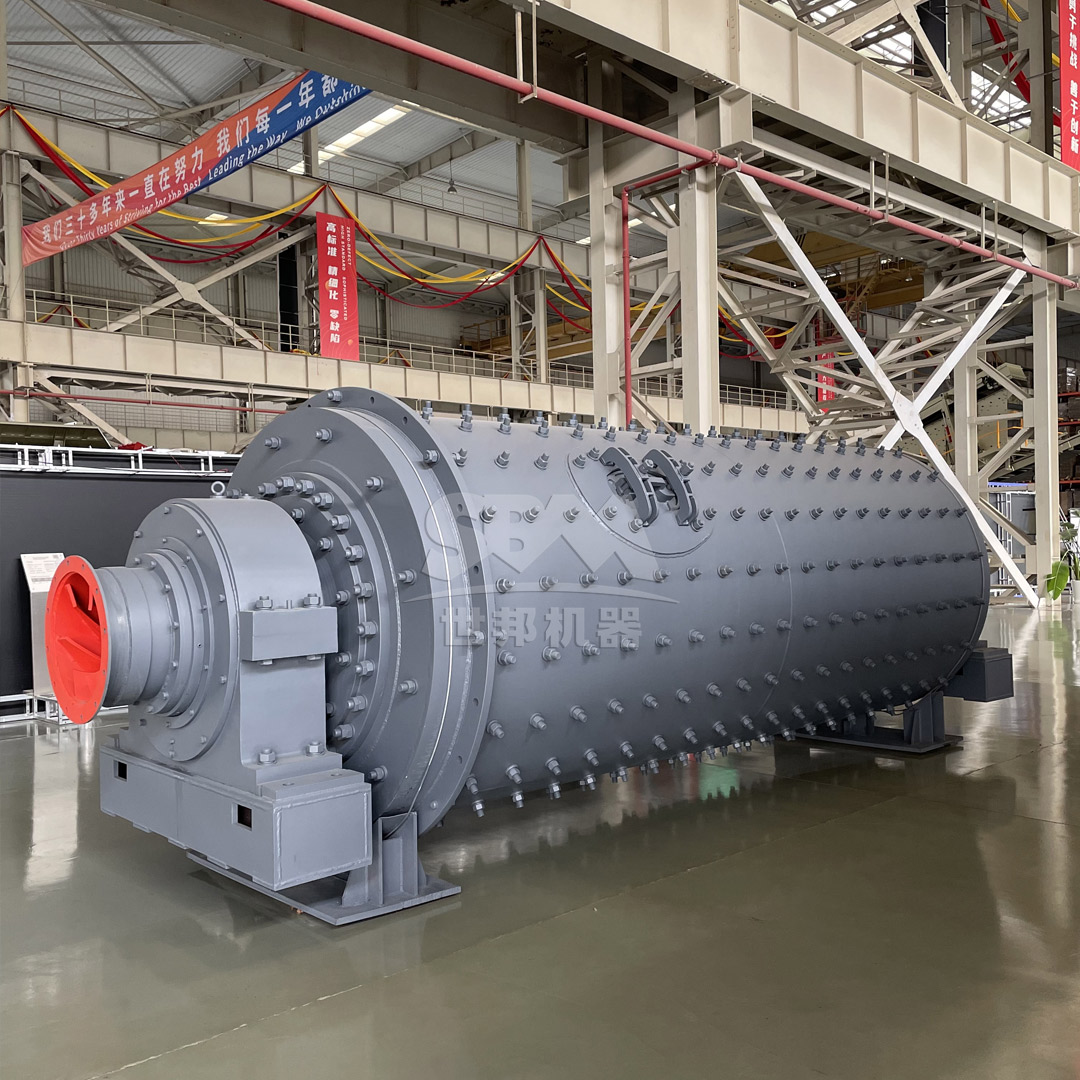
Raw Material Preparation and Primary Crushing
The journey begins at the marble quarry, where high-purity marble blocks are extracted and transported to the processing facility. The initial stage involves primary crushing using jaw crushers or impact crushers to reduce large marble blocks to manageable sizes of 50-100mm. This step is crucial for ensuring uniform feeding to subsequent grinding equipment and optimizing overall system efficiency. Proper washing and removal of impurities at this stage significantly impact the final product’s quality and brightness.
Intermediate Crushing and Pre-Grinding
Following primary crushing, the marble undergoes secondary crushing to achieve particles of 10-20mm, which is the optimal feed size for most superfine grinding mills. Hammer mills or cone crushers are typically employed in this stage, with careful attention to minimizing iron contamination that could affect the marble powder’s color. Magnetic separators are often integrated to remove metallic impurities, while drying systems may be implemented if the raw material contains excessive moisture.
Superfine Grinding Technology for Marble
Key Considerations in Marble Grinding
Marble, primarily composed of calcium carbonate (CaCO3), presents unique challenges in superfine grinding. The material’s moderate hardness (3 on Mohs scale) and white color require grinding equipment that minimizes contamination while achieving precise particle size control. The selection of grinding media, liner materials, and classification systems must be optimized to prevent iron contamination and maintain product brightness. Additionally, the grinding process must manage the heat generation that can affect the physical properties of calcium carbonate.
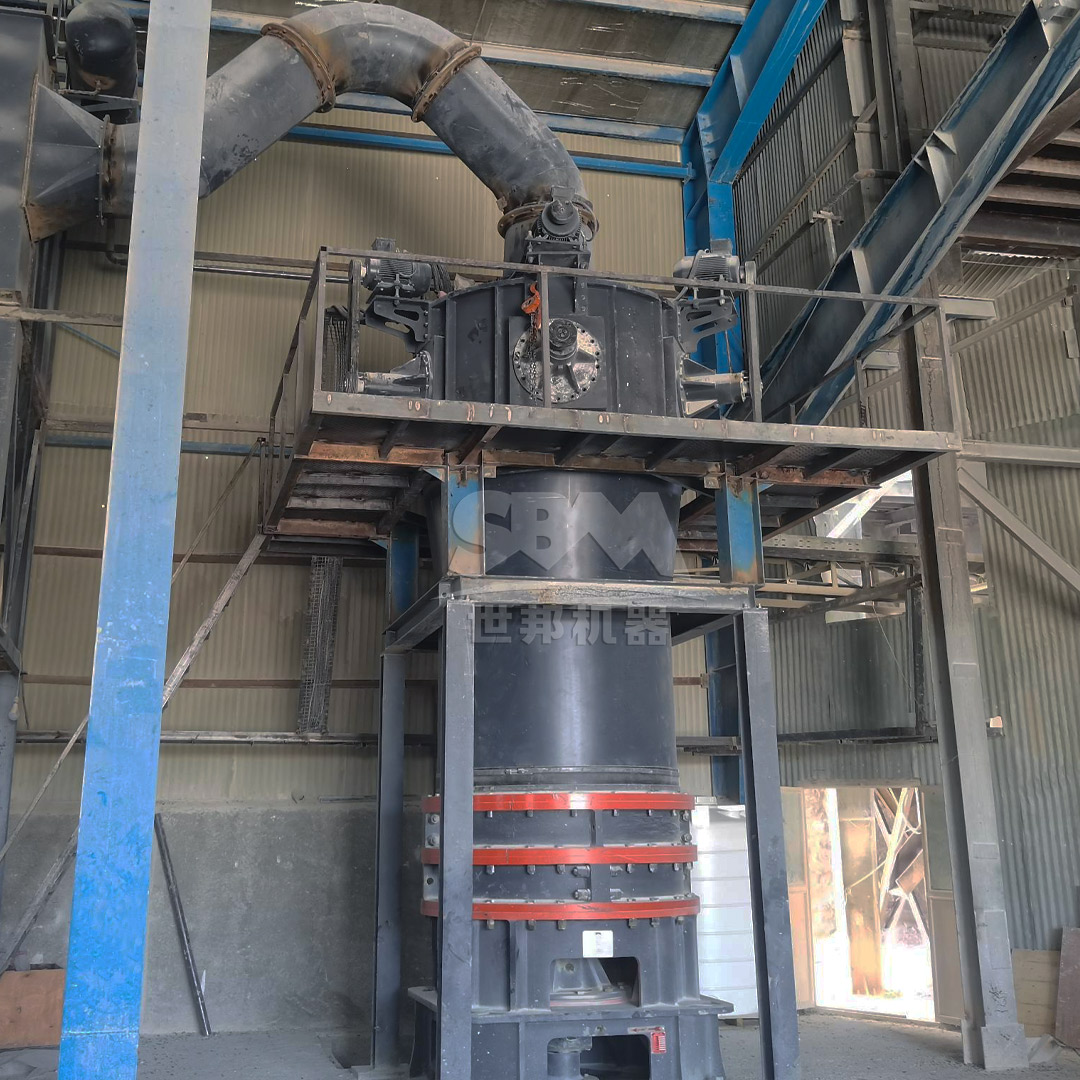
SCM Series Ultrafine Mill: The Optimal Solution for High-Quality Marble Powder
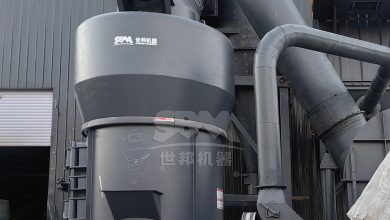
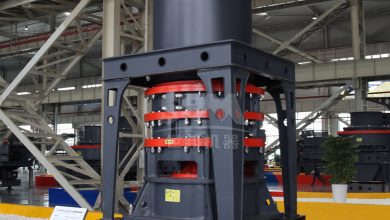
For producers seeking exceptional quality in marble powder production, the SCM Series Ultrafine Mill represents the industry benchmark. This advanced grinding system delivers unparalleled performance with output fineness ranging from 325 to 2500 mesh (D97≤5μm), perfectly suited for high-value marble applications. The mill’s innovative design incorporates a vertical turbine classifier that ensures precise particle size distribution without coarse powder contamination. With capacity ranging from 0.5 to 25 tons per hour across different models, the SCM Series offers scalability for various production requirements.
The SCM Ultrafine Mill achieves remarkable energy efficiency, consuming 30% less power compared to conventional grinding systems while delivering twice the output of jet mills. Its durable construction features special material rollers and grinding rings that significantly extend service life, complemented by a bearing-free screw grinding chamber that ensures stable operation. Environmental considerations are addressed through pulse dust collection exceeding international standards and soundproof chamber design maintaining noise levels below 75dB.
Complete Process Flow Description
Material Conveying and Storage
After intermediate crushing, marble particles are transported via bucket elevators or belt conveyors to storage silos. These silos serve as buffer storage, ensuring continuous feeding to the grinding system regardless of fluctuations in upstream processing. Automated level sensors and discharge systems maintain optimal material flow, while air slides or vibrating feeders provide controlled discharge rates to the grinding mill.
Grinding and Classification System
The heart of the marble powder production line is the grinding and classification circuit. In the SCM Ultrafine Mill, the grinding process begins with the main motor driving multiple grinding rings in layered rotation. Marble particles enter the grinding chamber through a feed system and are dispersed by centrifugal force into the grinding path. The material undergoes progressive compression and shearing between the rollers and grinding rings, achieving gradual size reduction through multiple grinding layers.
The integrated vertical turbine classification system represents a critical advancement in particle size control. This system utilizes adjustable rotor speed to achieve precise cut points, ensuring that only properly sized particles proceed to collection while oversize material returns for regrinding. The absence of coarse powder in the final product guarantees consistent quality meeting the most stringent specifications for fillers, coatings, and composite materials.
Powder Collection and Dedusting
Following classification, the fine marble powder enters the collection system typically comprising cyclone separators and pulse-jet baghouse filters. The cyclone separator performs primary collection of the majority of product, while the baghouse filter captures ultrafine particles that would otherwise escape to atmosphere. Modern collection systems achieve efficiency exceeding 99.9%, ensuring both product recovery and environmental compliance. The collected powder is then transported to product silos via mechanical or pneumatic conveying systems.
Advanced Control and Automation
Process Monitoring and Optimization
Modern marble powder production facilities incorporate comprehensive automation systems that monitor and control all process parameters. Programmable Logic Controllers (PLC) integrated with Human-Machine Interfaces (HMI) provide operators with real-time visualization of equipment status, production rates, and quality parameters. Critical process variables including mill motor current, classifier speed, fan pressure, and temperature are continuously monitored and automatically adjusted to maintain optimal operating conditions.
Advanced control strategies include automatic feedback systems that adjust operational parameters based on real-time particle size analysis. This ensures consistent product quality despite variations in raw material characteristics or ambient conditions. Remote monitoring capabilities enable technical support and troubleshooting without physical presence at the facility, reducing downtime and maintenance costs.
Quality Assurance and Testing
Rigorous quality control is essential throughout the marble powder production process. Online particle size analyzers provide continuous monitoring of product fineness, while periodic laboratory testing verifies chemical composition, brightness, and other quality parameters. Automated sampling systems extract representative samples at various process stages for comprehensive analysis. The integration of Statistical Process Control (SPC) methodologies enables proactive quality management and continuous process improvement.
Product Packaging and Storage
Handling and Packaging Options
The final stage of marble powder production involves packaging the product according to customer requirements and industry standards. Multiple packaging options are available, including 25kg paper bags, big bags (1-1.5 tons), and bulk tanker trucks for high-volume customers. Automated packaging systems incorporate precision weighing, bag placement, filling, and sealing operations with minimal manual intervention. For specialized applications requiring ultra-clean products, dedicated packaging lines with controlled environments prevent contamination during this critical final step.
Storage and Logistics
Proper storage conditions are essential for maintaining marble powder quality until shipment to customers. Product silos feature appropriate aeration systems to prevent compaction while maintaining powder flowability. Humidity control prevents moisture absorption that could affect product performance in downstream applications. Automated loading systems efficiently transfer product from storage to transportation, with loadout facilities designed for both bagged and bulk shipments. Inventory management systems track batch information, production dates, and quality parameters to ensure traceability throughout the supply chain.
MTW Series Trapezium Mill: Alternative Solution for Coarser Applications
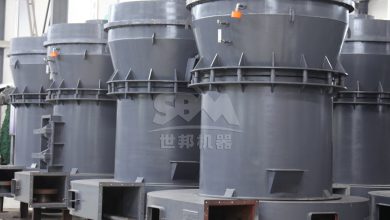
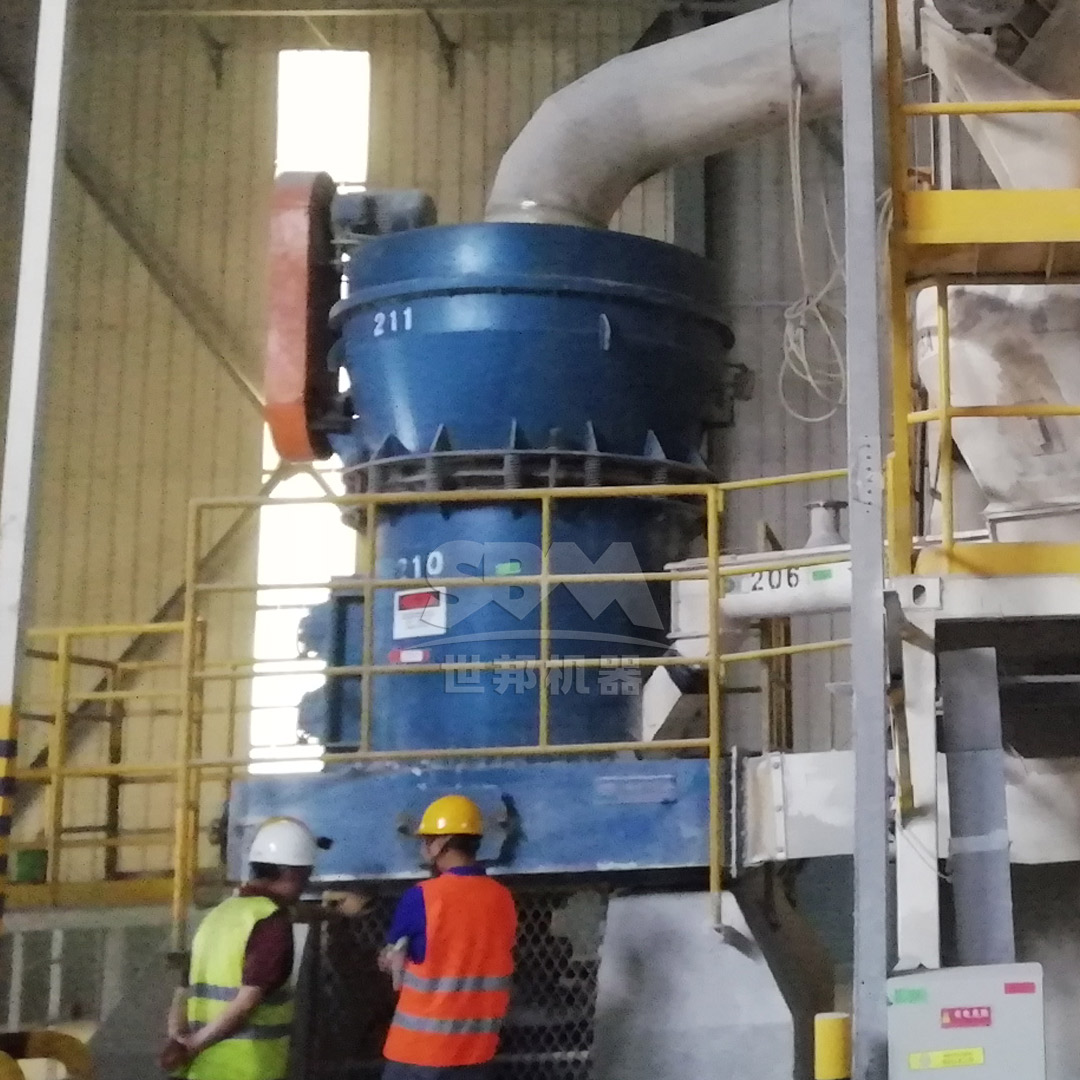
For applications requiring slightly coarser marble powders in the range of 30-325 mesh, the MTW Series Trapezium Mill provides an excellent alternative with exceptional efficiency and reliability. This robust grinding system handles feed materials up to 50mm and delivers production capacities from 3 to 45 tons per hour across different models. The mill incorporates several innovative features including wear-resistant shovel design with combined blades that significantly reduce maintenance costs, curved air channel optimization that minimizes energy loss and improves transmission efficiency, and integral bevel gear transmission achieving 98% transmission efficiency.
The MTW Series operates on the principle of centrifugal grinding where the main motor drives grinding rollers that revolve around the central shaft while simultaneously rotating on their own axis. Specially designed shovels feed material between the rollers and grinding ring to form a material layer that undergoes compressive grinding action. The integrated classification system provides precise control over product fineness, making this mill ideal for producing marble powders for plastic, paint, and construction applications where ultra-fine particles are not required.
Environmental Considerations and Sustainability
Dust Control and Emission Management
Modern marble powder production facilities implement comprehensive dust control systems to protect both workers and the environment. The grinding and classification circuits operate under negative pressure to prevent dust escape, with multiple stages of filtration ensuring clean exhaust air. High-efficiency pulse-jet baghouse filters featuring PTFE membrane filter media achieve emission levels below 20mg/Nm³, significantly exceeding regulatory requirements in most jurisdictions. Regular monitoring and maintenance of these systems ensure continuous compliance with environmental standards.
Energy Efficiency and Resource Optimization
The significant energy consumption associated with fine grinding operations makes energy efficiency a critical consideration in system design. Modern grinding mills like the SCM Series incorporate multiple energy-saving features including high-efficiency motors, optimized grinding geometries that reduce specific energy consumption, and heat recovery systems that capture and reuse process heat. Additionally, the integration of variable frequency drives on fans, classifiers, and feed systems enables precise matching of energy input to production requirements, further reducing overall energy consumption.
Conclusion
The production of high-quality marble powder requires careful integration of multiple process stages and selection of appropriate grinding technology. The complete process flow from raw material preparation through final packaging must be designed and operated as an integrated system to achieve optimal product quality, production efficiency, and environmental performance. Advanced grinding systems like the SCM Series Ultrafine Mill and MTW Series Trapezium Mill provide producers with reliable, efficient solutions tailored to specific product requirements and production scales. As market demands for finer particle sizes and tighter quality specifications continue to evolve, ongoing innovation in grinding technology and process control will further enhance the capabilities and sustainability of marble powder production.