Slag Grinding Mill Price and Benefits for Efficient Industrial Use
Introduction to Slag Grinding Technology
Slag grinding has become an essential process in modern industrial operations, particularly in the cement, construction, and metallurgical sectors. The efficient processing of slag—a byproduct of steel production—transforms what was once considered waste into valuable materials for various applications. The selection of appropriate grinding equipment significantly impacts operational costs, product quality, and environmental compliance. This comprehensive analysis explores the economic and technical considerations of slag grinding mills, focusing on price factors, performance benefits, and optimal equipment selection for industrial applications.
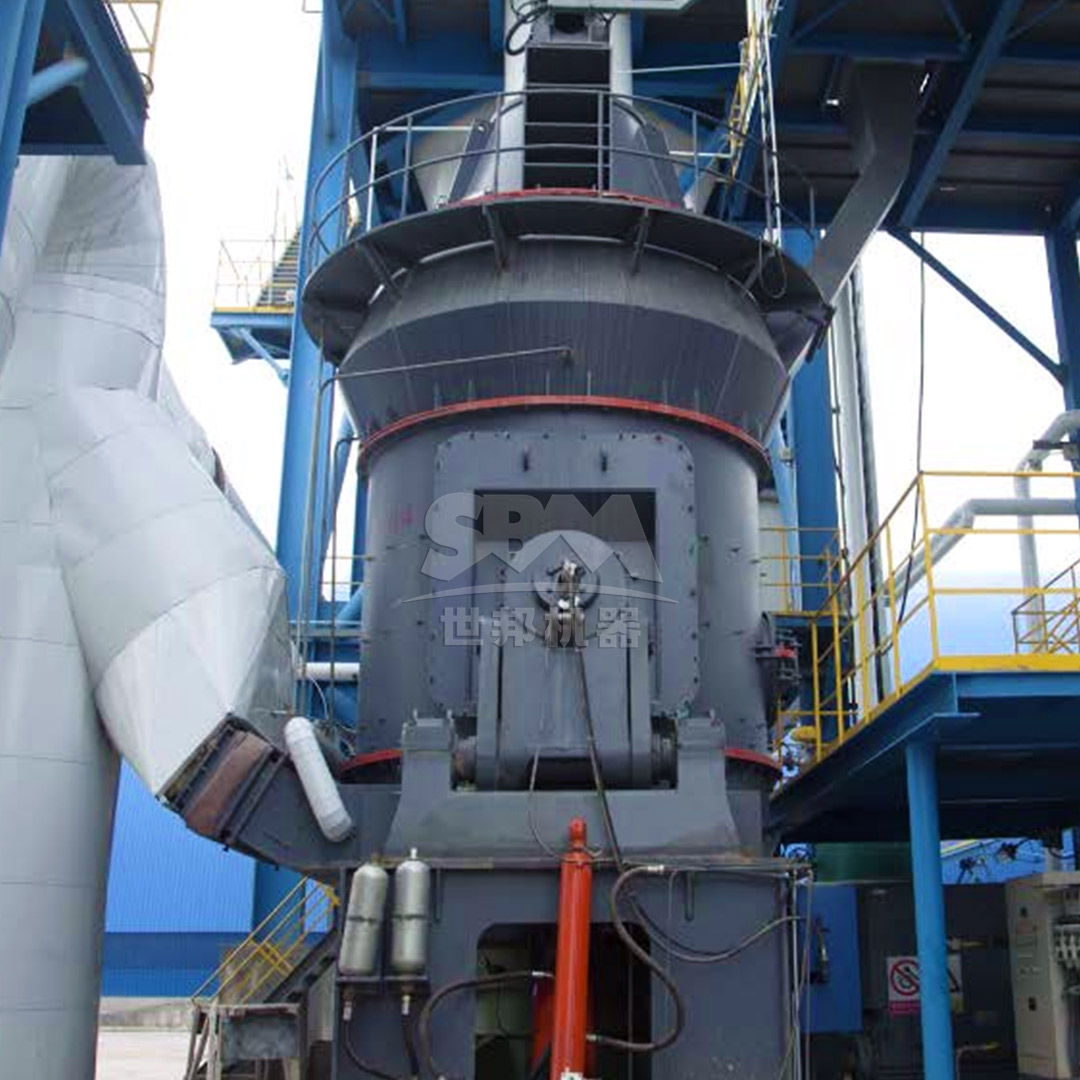
Understanding Slag Composition and Grinding Requirements
Slag consists primarily of calcium silicates and aluminosilicates with varying amounts of other metal oxides. Its physical properties, including hardness, abrasiveness, and moisture content, present unique challenges for grinding operations. The grinding process must achieve specific fineness requirements—typically targeting a Blaine surface area of 400-500 m²/kg for cement applications—while maintaining energy efficiency and equipment durability. The variability in slag composition between different production sources necessitates flexible grinding solutions capable of adapting to changing material characteristics.
Key Factors Influencing Slag Grinding Mill Prices
Initial Investment Considerations
The purchase price of slag grinding equipment represents only one component of the total investment. Comprehensive cost analysis must consider installation expenses, auxiliary equipment requirements, and infrastructure modifications. High-capacity mills typically command premium prices but offer superior long-term value through reduced operating costs and higher throughput. The price range for industrial-grade slag grinding mills varies significantly based on capacity, technological sophistication, and manufacturer reputation, with systems ranging from $500,000 to over $5 million for complete installations.
Operational Cost Components
Beyond the initial purchase price, operational expenses constitute the majority of the total cost of ownership. Energy consumption typically accounts for 50-70% of operating costs, making mill efficiency a critical economic factor. Maintenance requirements, wear part replacement frequency, and labor costs further contribute to the overall operational expenditure. Advanced grinding systems with intelligent control systems and durable components often justify their higher initial prices through substantially reduced operating costs over the equipment lifecycle.
Technical Advantages of Modern Slag Grinding Systems
Energy Efficiency and Consumption Optimization
Contemporary slag grinding mills incorporate multiple technologies to minimize energy consumption while maximizing output. Advanced drive systems, optimized grinding geometries, and intelligent process control contribute to specific energy consumption as low as 35-45 kWh/t for high-quality slag powder production. Systems featuring frequency converters, high-efficiency motors, and heat recovery mechanisms further enhance energy performance, delivering operational savings that frequently offset equipment premiums within 2-3 years of operation.
Precision Particle Size Control
The market value of ground slag depends significantly on particle size distribution and product consistency. Modern classification systems integrated with grinding mills enable precise control over product fineness, with the ability to produce materials ranging from coarse fillers to ultra-fine powders. Advanced separator technology ensures tight particle distribution curves, eliminating oversized particles that compromise product quality while minimizing the recirculation of adequately ground material to reduce energy waste.
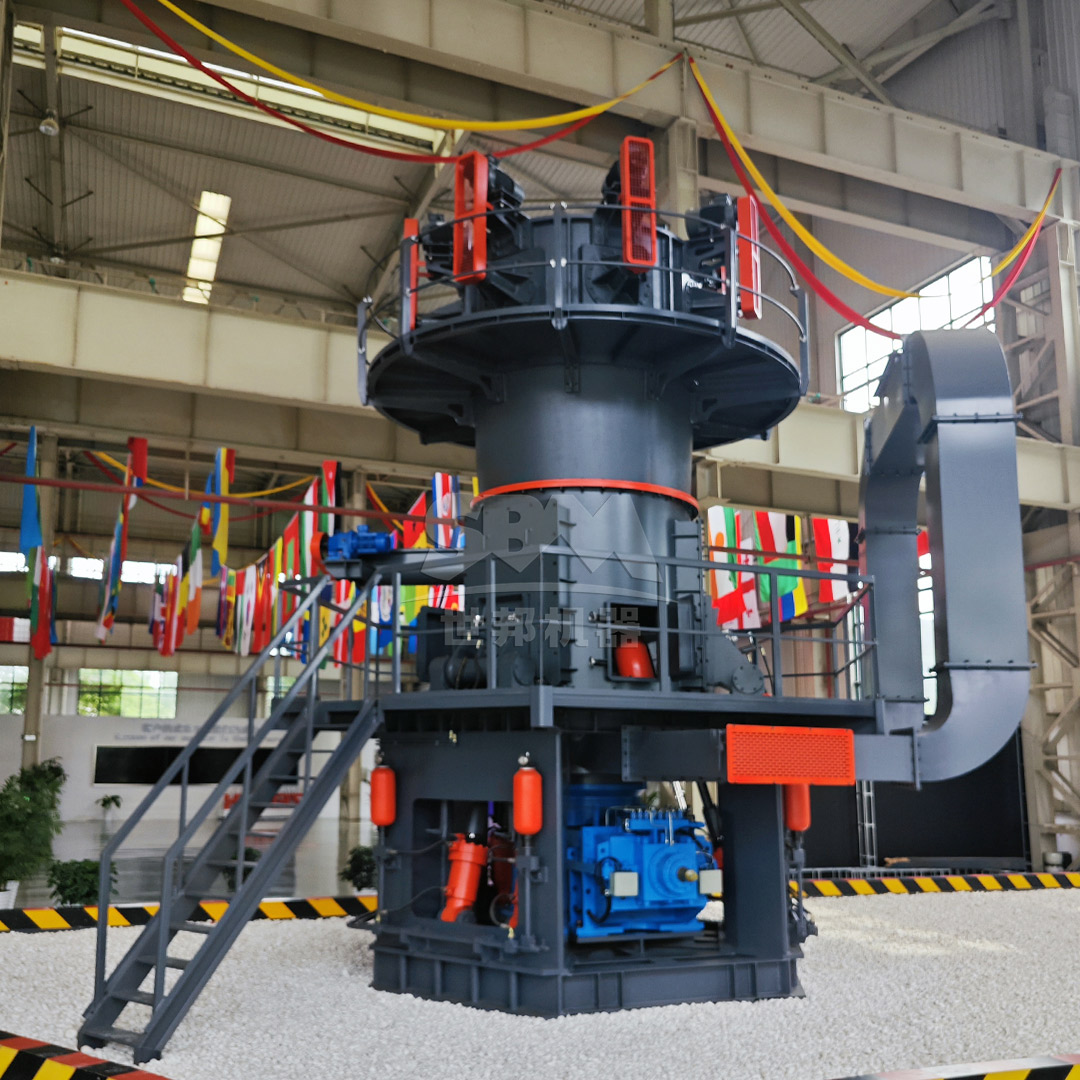
Recommended Equipment: LM Series Vertical Roller Mill for Slag Grinding
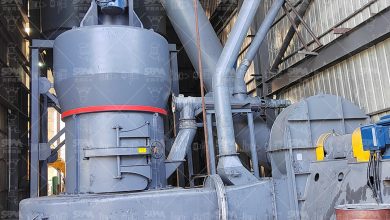
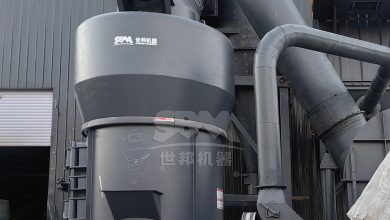
For industrial slag grinding applications requiring high capacity and superior efficiency, the LM Series Vertical Roller Mill represents an optimal solution. Specifically engineered for slag processing, this mill series combines robust construction with advanced grinding technology to deliver exceptional performance across various operating conditions.
Technical Specifications and Performance Advantages
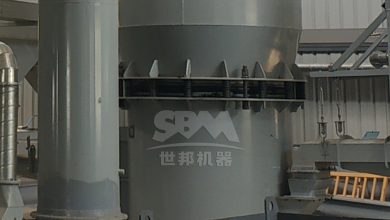
The LM Series Vertical Roller Mill operates with a unique grinding principle where material is fed centrally to the grinding table and transported to the grinding track by centrifugal force. Hydraulically loaded grinding rollers compress the material bed, achieving efficient comminution with minimal energy expenditure. The integrated high-efficiency separator ensures precise particle size control while the optimized airflow system facilitates material transport and drying when processing moist slag.
Key performance advantages include:
- Energy Efficiency: 30-40% lower energy consumption compared to traditional ball mill systems
- Compact Design: 50% reduction in footprint requirements versus conventional grinding systems
- Low Maintenance: Extended component life with specially designed wear protection
- Environmental Compliance: Full negative pressure operation with dust emissions below 20mg/m³
Model-Specific Capabilities for Slag Applications
The LM Vertical Slag Mill series includes multiple models tailored to different production requirements. The LM220N model, featuring a 2800mm grinding table diameter and 900-1000kW main motor power, delivers 20-26 t/h capacity with product fineness exceeding 420 m²/kg Blaine surface area. For larger operations, the LM370N model with 4500mm grinding table and 3150-3300kW power achieves 90-110 t/h throughput, making it suitable for major slag processing facilities.
Alternative Solution: SCM Ultrafine Mill for Specialty Applications
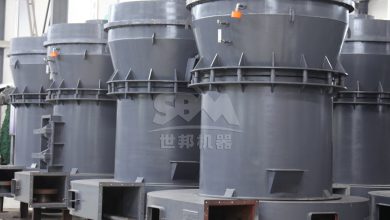
For operations requiring ultra-fine slag products with exceptional purity and uniformity, the SCM Ultrafine Mill provides an excellent alternative. Capable of producing powders with fineness ranging from 325 to 2500 mesh (D97≤5μm), this system employs advanced grinding and classification technology to achieve product specifications beyond the capabilities of conventional mills.
Technical Superiority in Fine Grinding
The SCM Ultrafine Mill incorporates a vertical turbine classification system that ensures precise particle size cuts without coarse powder contamination. The special material grinding rollers and rings provide extended service life, while the intelligent control system automatically maintains target product fineness through real-time adjustment of operating parameters. With capacity ranging from 0.5 to 25 t/h depending on model selection, this mill series accommodates various production scales while maintaining consistent product quality.
Operational Benefits and Return on Investment Analysis
Product Quality Enhancement
Modern slag grinding mills significantly enhance product value by improving particle characteristics that influence performance in downstream applications. The controlled particle size distribution, spherical particle shape, and optimized surface activity of milled slag contribute to superior performance in cement blends, concrete admixtures, and other value-added applications. These quality improvements translate directly to higher market prices and increased customer acceptance of slag-based products.
Lifecycle Cost Analysis
Comprehensive evaluation of slag grinding mill economics must consider the complete lifecycle costs, including installation, operation, maintenance, and eventual decommissioning. Advanced vertical roller mills typically demonstrate a favorable return on investment despite higher initial capital requirements, with payback periods of 2-4 years common in commercial operations. The combination of energy savings, reduced maintenance requirements, and premium product pricing contributes to this attractive economic profile.
Environmental Compliance and Sustainability Benefits
Contemporary slag grinding systems incorporate comprehensive environmental protection features that minimize their ecological footprint. Advanced dust collection systems with pulse-jet cleaning mechanisms achieve filtration efficiencies exceeding 99.9%, ensuring emissions remain well below regulatory thresholds. Noise reduction technologies, including acoustic enclosures and vibration damping systems, maintain operational noise levels below 80 dB, creating safer working environments while complying with occupational health standards.
The sustainability benefits extend beyond regulatory compliance through the transformation of industrial byproducts into valuable resources. Slag grinding operations contribute directly to circular economy principles by diverting material from landfills and reducing the consumption of virgin raw materials in construction and manufacturing processes.
Maintenance Considerations and Operational Reliability
The design of modern slag grinding mills prioritizes operational reliability through robust construction and strategic maintenance features. Modular component designs facilitate quick replacement of wear parts during planned maintenance shutdowns, minimizing production losses. Advanced monitoring systems track equipment condition in real-time, enabling predictive maintenance interventions before failures occur. Remote diagnostics capabilities allow technical support teams to identify and resolve operational issues without requiring physical site visits, further enhancing equipment availability.
Future Trends in Slag Grinding Technology
The evolution of slag grinding technology continues with emerging innovations focused on further enhancing efficiency, reliability, and product quality. Developments in wear-resistant materials promise extended component life in abrasive grinding environments, while advances in process control systems leverage artificial intelligence to optimize grinding parameters in response to changing feed material characteristics. The integration of grinding operations with digital twin technology enables virtual simulation of process modifications, reducing the risks associated with operational changes.
Conclusion: Strategic Selection for Optimal Performance
The selection of appropriate slag grinding equipment represents a critical decision with far-reaching implications for operational efficiency, product quality, and economic viability. While price considerations naturally influence purchasing decisions, the superior long-term value offered by advanced grinding systems frequently justifies initial investment premiums. The LM Series Vertical Roller Mill stands as a particularly compelling solution for industrial-scale slag processing, combining high throughput, energy efficiency, and product quality in a single integrated system.
As industrial operations increasingly prioritize sustainability alongside economic performance, modern slag grinding technology enables the transformation of metallurgical byproducts into valuable materials that support circular economy principles while delivering attractive returns on investment. Through careful evaluation of technical specifications, operational requirements, and lifecycle costs, organizations can identify grinding solutions that optimize their specific slag processing operations.