How to Choose the Right Ultrafine Grinding Mill for Non-Metallic Minerals
Introduction
The processing of non-metallic minerals requires specialized equipment capable of achieving precise particle size distributions while maintaining operational efficiency and cost-effectiveness. Ultrafine grinding mills have become indispensable in industries such as paints, coatings, plastics, rubber, and construction materials, where the fineness and quality of mineral powders directly impact product performance. Selecting the appropriate grinding mill involves careful consideration of multiple technical and operational factors.
Key Factors in Mill Selection
Material Characteristics
Understanding the physical and chemical properties of the raw material is the foundation of proper mill selection. Key parameters include:
- Hardness: Measured on the Mohs scale, hardness determines the wear on grinding elements and energy consumption
- Moisture Content: Affects flowability and may require pre-drying systems
- Abrasiveness: Influences the selection of wear-resistant materials for critical components
- Chemical Composition: May require special construction materials to prevent contamination
- Feed Size Distribution: Determines the necessary pre-crushing requirements
Production Requirements
Operational parameters must align with business objectives:
- Target Fineness: Ranging from coarse grinding (45-325 mesh) to ultrafine applications (2500+ mesh)
- Capacity Needs: From small-scale laboratory units (0.5 t/h) to industrial production lines (25+ t/h)
- Product Uniformity: Critical for applications requiring narrow particle size distribution
- Batch vs. Continuous Operation: Determines system configuration and automation requirements
Technical Specifications
Equipment performance characteristics must be evaluated:
- Grinding Mechanism
- Classification System: Integrated or separate, air or mechanical
- Energy Efficiency: Power consumption per ton of product
- Wear Part Life: Replacement frequency and associated downtime
- System Integration: Compatibility with existing plant infrastructure
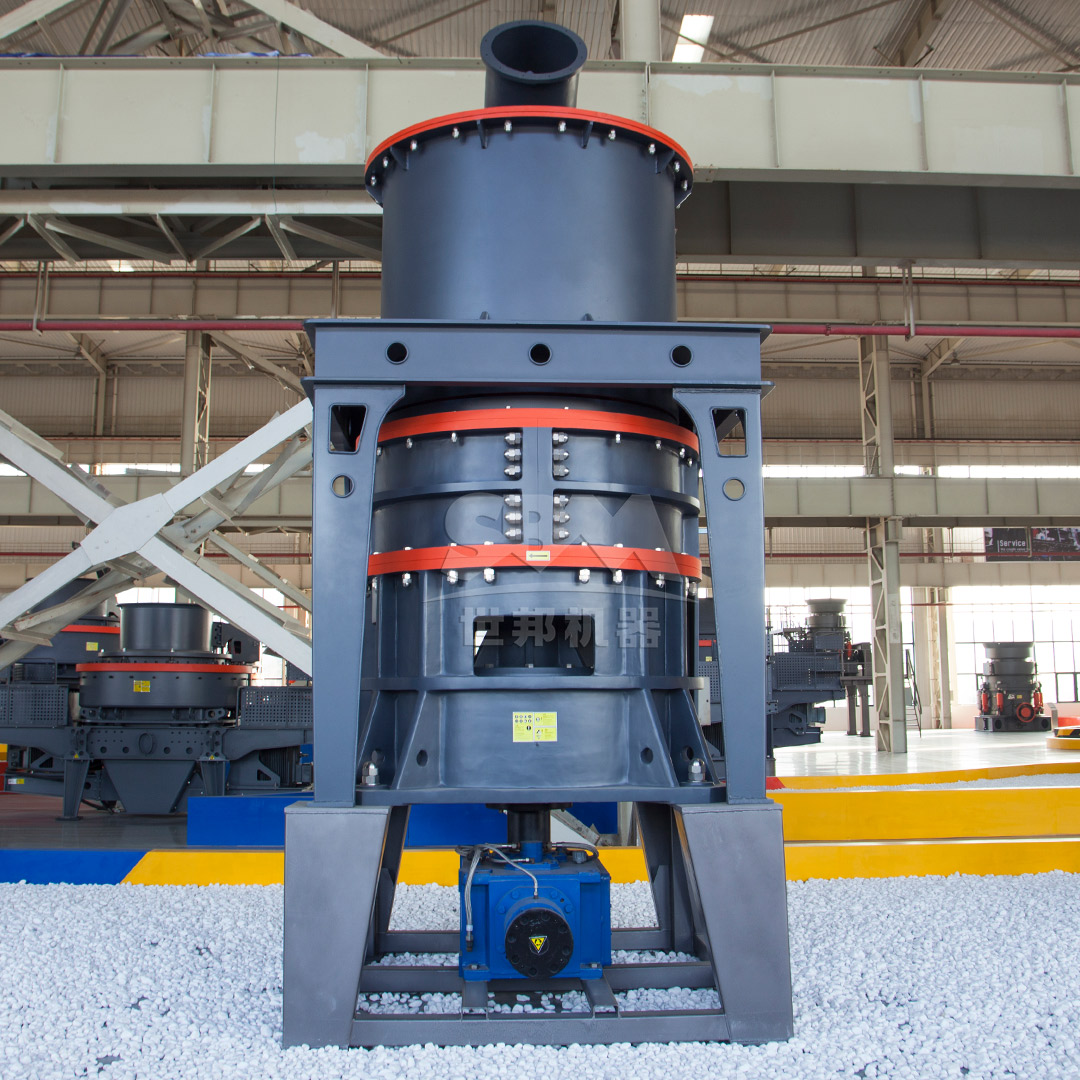
Types of Ultrafine Grinding Mills
Vertical Roller Mills
Vertical roller mills utilize a bed compression principle where material is ground between a rotating table and rollers. These systems offer excellent energy efficiency and are particularly suitable for medium to large capacity requirements. The integrated classification system allows for precise control of product fineness.
Ring-Roller Mills
Also known as pendulum mills, these systems employ multiple rollers that rotate against a stationary ring. The centrifugal force created by the rotating rollers provides the grinding pressure. These mills are renowned for their reliability and ability to handle moderately abrasive materials.
Ball Mills
Traditional ball mills use impact and attrition principles with grinding media (balls) to reduce particle size. While less energy-efficient for ultrafine grinding, they remain popular for their versatility and ability to handle a wide range of materials.
Specialized Ultrafine Mills
Advanced mills designed specifically for ultrafine applications incorporate high-efficiency classifiers and optimized grinding chambers to achieve particle sizes below 5 microns. These systems often feature advanced control systems for maintaining consistent product quality.
Recommended Solutions for Non-Metallic Minerals
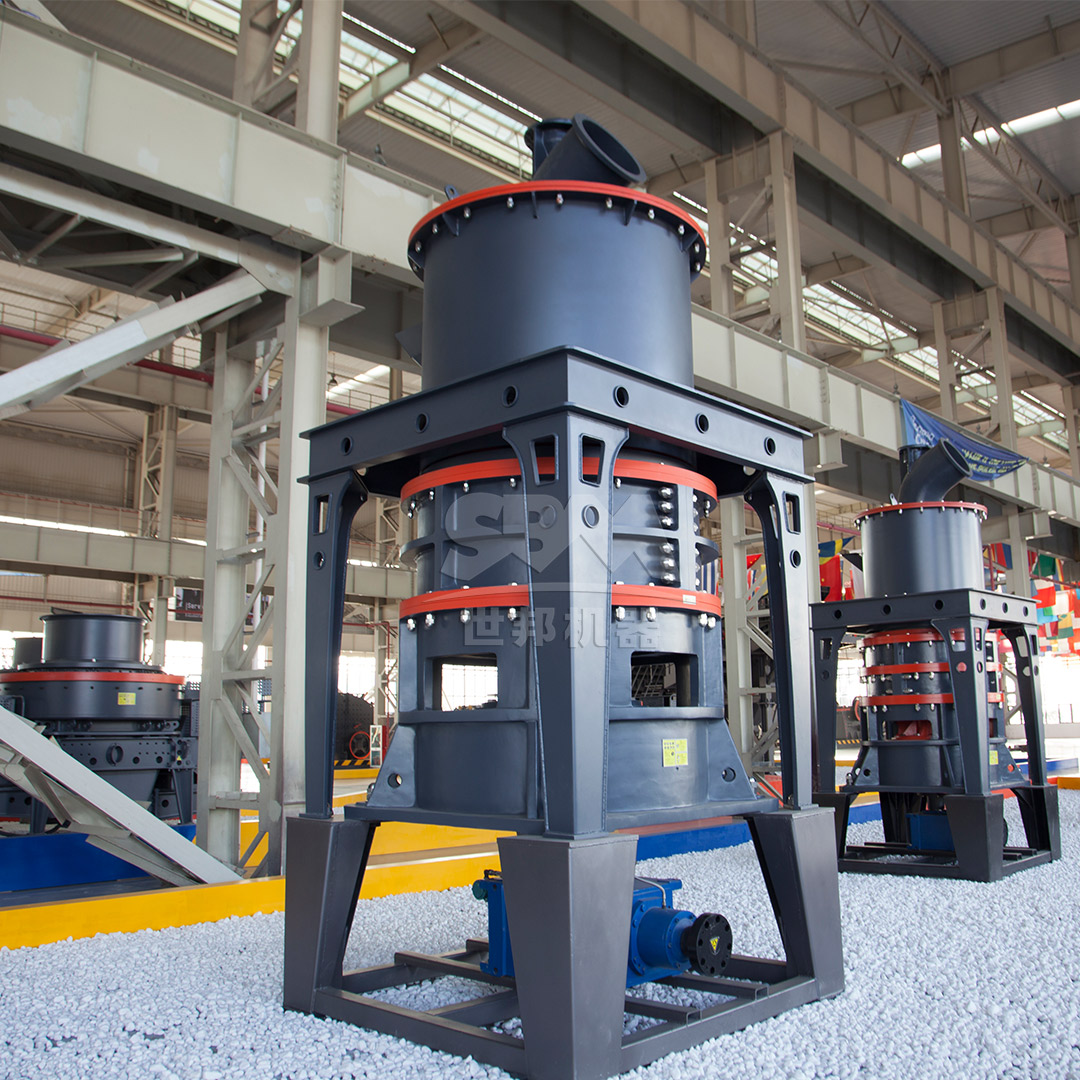
SCM Ultrafine Mill for High-Fineness Applications
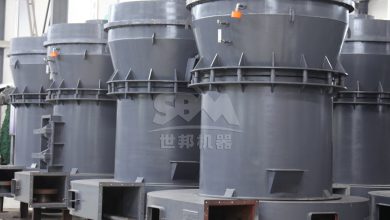
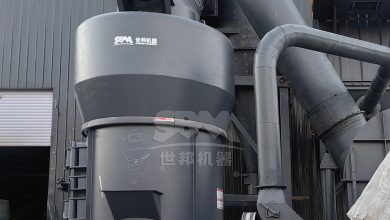
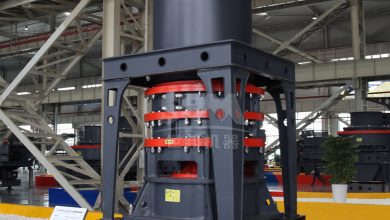
For operations requiring the finest particle sizes and tightest distribution control, the SCM Ultrafine Mill represents an optimal solution. This advanced grinding system achieves remarkable fineness levels of 325-2500 mesh (D97 ≤ 5μm) while maintaining impressive production capacities of 0.5-25 tons per hour.
The SCM series incorporates several technological innovations that make it particularly suitable for high-value non-metallic minerals:
- Vertical Turbine Classifier: Ensures precise particle size切割 with no coarse powder contamination
- Multi-Layer Grinding Principle: Three-layer grinding ring design provides progressive size reduction
- Intelligent Control System: Automatic feedback mechanism maintains consistent product quality
- Advanced Wear Protection: Special material composition for rollers and grinding rings extends service life
With models ranging from the compact SCM800 (0.5-4.5 t/h, 75 kW) to the high-capacity SCM1680 (5.0-25 t/h, 315 kW), this mill series offers scalability for various production requirements. The energy-efficient design consumes 30% less power compared to conventional jet mills while delivering double the production capacity.
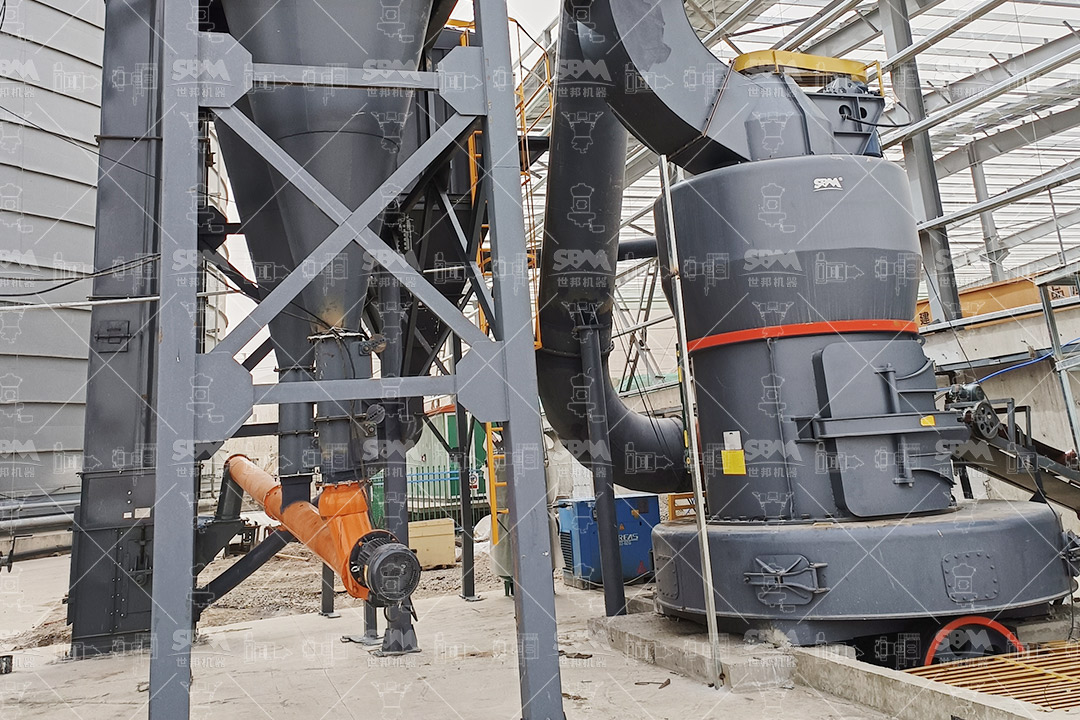
MTW Series Trapezium Mill for General Applications
For operations requiring robust performance in the 30-325 mesh range, the MTW Series Trapezium Mill provides an excellent balance of performance, reliability, and operating economy. With capacities ranging from 3-45 tons per hour, this mill series handles feed materials up to 50mm in size.
Key advantages of the MTW series include:
- Anti-Wear Shovel Design: Combined shovel blades reduce maintenance costs
- Curved Air Duct Optimization: Minimizes airflow energy loss with high-strength protection plates
- Integrated Bevel Gear Transmission: Achieves 98% transmission efficiency with compact footprint
- Wear-Resistant Volute Structure: No-blockage design enhances air classification efficiency
The MTW series is particularly suitable for minerals such as calcite, dolomite, talc, and barite, where consistent performance and low operating costs are paramount. Available models include the MTW110 (3-9 t/h) for smaller operations up to the high-capacity MRN218 (15-45 t/h) for large-scale production facilities.
Operational Considerations
Energy Consumption Analysis
Modern grinding mills incorporate several energy-saving features that significantly impact operating costs. Key considerations include:
- Main Motor Efficiency: High-efficiency motors with variable frequency drives
- Auxiliary Equipment Power: Classifier, fan, and feeding system energy requirements
- Heat Recovery Systems: Utilization of process heat for material drying
- System Optimization: Integrated design minimizing pressure drops and recirculation
Maintenance Requirements
Different mill types present varying maintenance challenges:
- Wear Part Replacement: Frequency and complexity of replacing grinding elements
- Lubrication Systems: Automatic vs. manual, oil vs. grease
- Alignment Requirements
- Downtime Impact: Production losses during maintenance activities
Environmental Compliance
Modern grinding installations must address several environmental aspects:
- Dust Emission Control: Pulse jet bag filters with efficiency exceeding 99.9%
- Noise Reduction: Acoustic enclosures and vibration damping systems
- Material Containment: Sealed systems preventing product loss and contamination
- Regulatory Compliance: Meeting local and international environmental standards
Case Study: Calcium Carbonate Processing
The selection process can be illustrated through a practical example of ground calcium carbonate (GCC) production for the plastics industry. For a requirement of 8 t/h at D97 = 10μm, several mill options were evaluated:
The SCM1000 ultrafine mill was selected based on its superior energy efficiency (132 kW main motor), integrated classification system ensuring no oversize particles, and proven performance in similar applications. The mill achieved a specific energy consumption of 16.5 kWh/t compared to 22-25 kWh/t for alternative technologies, resulting in annual energy savings exceeding $45,000.
Future Trends in Ultrafine Grinding
The evolution of grinding technology continues to address industry needs for higher efficiency, better product quality, and reduced environmental impact. Emerging trends include:
- Digitalization and IoT: Real-time monitoring and predictive maintenance
- Advanced Classification: Multi-rotor systems for sharper particle size cuts
- Hybrid Systems: Combining different grinding principles for optimal performance
- Sustainable Operations: Lower carbon footprint through improved efficiency and waste heat recovery
Conclusion
Selecting the appropriate ultrafine grinding mill for non-metallic minerals requires a comprehensive analysis of technical requirements, operational constraints, and economic factors. The SCM Ultrafine Mill stands out for applications demanding the finest particle sizes, while the MTW Series Trapezium Mill offers robust performance for general ultrafine grinding applications. By carefully matching equipment capabilities to specific mineral processing needs, operators can optimize both product quality and production economics, ensuring long-term competitiveness in increasingly demanding markets.
Professional consultation with grinding experts is recommended to evaluate specific applications, as subtle differences in material characteristics or product requirements can significantly influence mill selection and configuration. With proper equipment selection and optimization, producers of non-metallic minerals can achieve superior product quality while controlling operating costs and maintaining environmental compliance.