How to Choose a Raymond Mill Model for Cost Efficiency? Advice from Manufacturers
Introduction
Selecting the right Raymond mill model is a critical decision that directly impacts operational costs, production efficiency, and long-term profitability in mineral processing operations. With numerous models and configurations available in the market, manufacturers often face challenges in identifying the most cost-effective solution for their specific requirements. This comprehensive guide provides expert advice from industry manufacturers on how to evaluate and select Raymond mill models that deliver optimal cost efficiency throughout their lifecycle.
Understanding Your Production Requirements
Before evaluating specific mill models, it’s essential to thoroughly understand your production requirements. This foundational step ensures that the selected equipment aligns perfectly with your operational needs.
Material Characteristics Analysis
The physical and chemical properties of your raw materials significantly influence mill selection. Key factors to consider include:
- Hardness and Abrasiveness: Materials with higher Mohs hardness require more robust grinding elements and potentially different mill configurations
- Moisture Content: High moisture materials may require pre-drying systems or specific mill designs that handle damp materials effectively
- Feed Size Distribution: The maximum input size and size distribution affect the preliminary crushing requirements and mill capacity
- Chemical Composition: Certain materials may require special alloy components to prevent contamination or corrosion
Production Capacity Assessment
Accurately determining your production needs involves more than just current requirements. Consider:
- Current production volumes and anticipated growth
- Seasonal variations in demand
- Multiple shift operations and continuous running requirements
- Future expansion plans and scalability needs
Key Cost Factors in Raymond Mill Selection
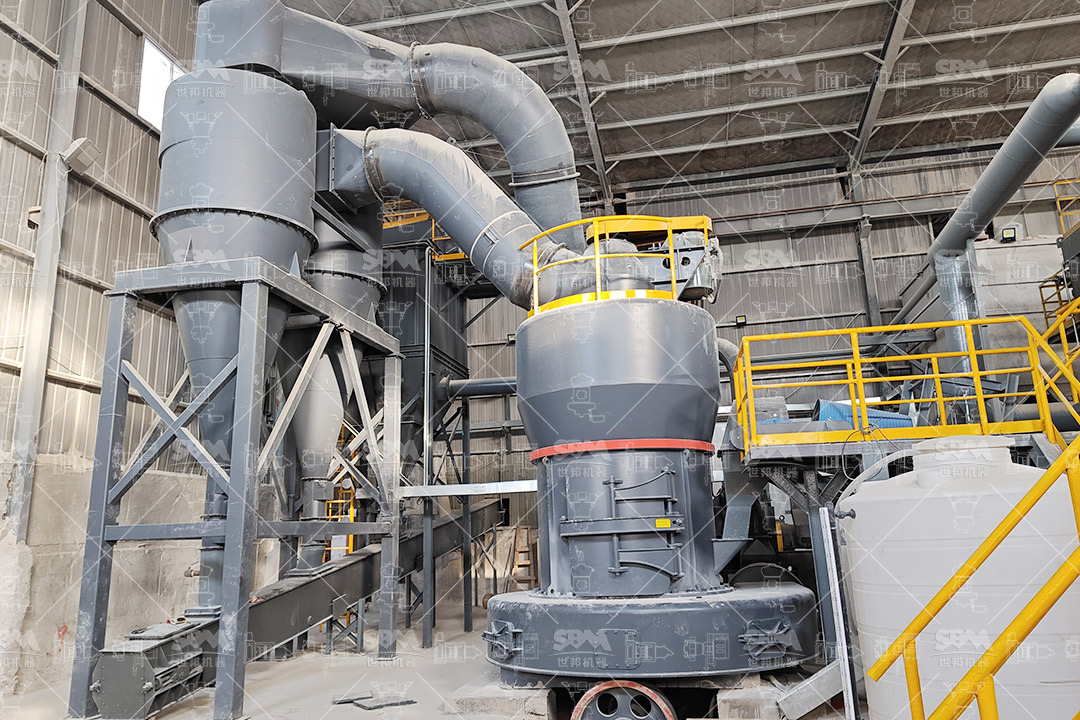
Cost efficiency extends beyond the initial purchase price. A comprehensive cost analysis should consider all aspects of ownership and operation.
Initial Investment Considerations
The purchase price represents only one component of the total cost. Additional factors include:
- Installation and commissioning costs
- Foundation and structural requirements
- Auxiliary equipment needs (feeders, classifiers, dust collectors)
- Electrical infrastructure upgrades
Operating Cost Analysis
Operating expenses typically represent the largest portion of the total cost of ownership:
- Energy Consumption: Evaluate power requirements across the entire system, not just the main motor
- Wear Parts Replacement: Consider the cost and frequency of replacing grinding elements, liners, and other consumables
- Maintenance Labor: Assess the complexity and frequency of maintenance procedures
- Downtime Costs: Calculate the production losses during maintenance and repair activities
Lifecycle Cost Evaluation
A thorough lifecycle cost analysis should project expenses over the expected service life of the equipment, typically 15-20 years. This includes:
- Major component replacements and overhauls
- Technology upgrades and modernization
- Decommissioning and disposal costs
- Residual value at end of service life
Technical Specifications Comparison
Understanding the technical specifications of different mill models is crucial for making an informed decision. Let’s examine key parameters across different mill types.
Output Fineness and Capacity
The relationship between output fineness and production capacity varies significantly between mill types. Generally, finer products result in reduced throughput. Consider:
- Required product size distribution (D50, D97 values)
- Tolerance for oversize particles in the final product
- Flexibility to produce multiple product grades
- Consistency of product quality over time
Power Consumption Patterns
Energy efficiency differs substantially between mill designs. Important considerations include:
- Specific energy consumption (kWh/ton)
- Power factor and electrical characteristics
- Start-up and shutdown energy requirements
- Partial load efficiency
Recommended Cost-Efficient Models
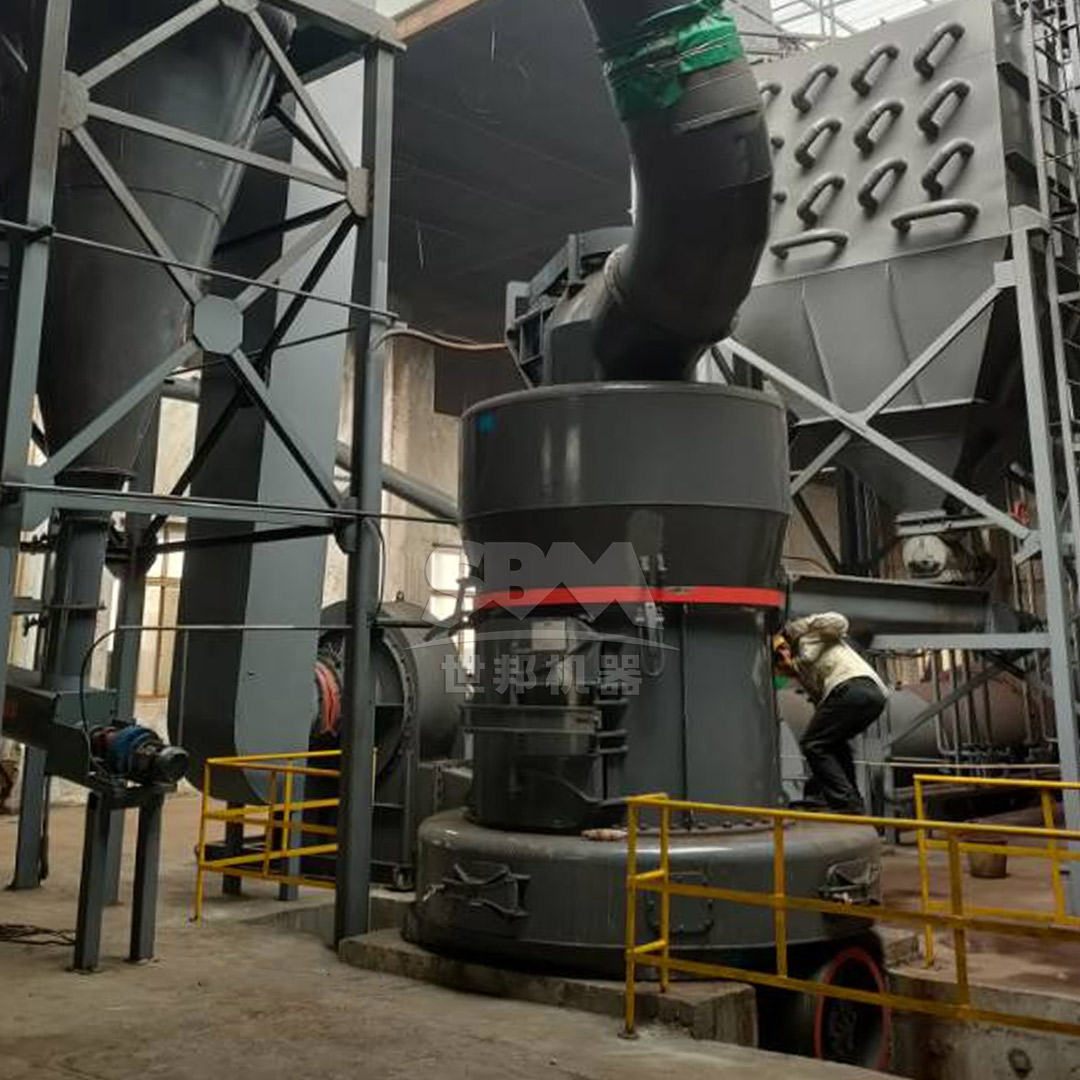
Based on extensive field experience and technical analysis, certain mill models consistently demonstrate superior cost efficiency across various applications.
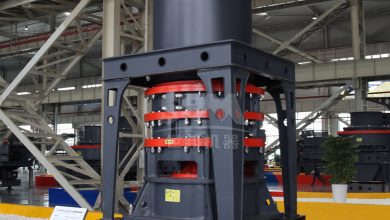
SCM Ultrafine Mill for Fine Grinding Applications
For operations requiring ultra-fine products in the range of 325-2500 mesh (D97≤5μm), the SCM Ultrafine Mill represents an excellent balance of performance and operating economy. This mill series delivers exceptional value through:
- Superior Energy Efficiency: With capacity twice that of jet mills and 30% lower energy consumption, the SCM series significantly reduces operating costs
- High-Precision Classification: The vertical turbine classifier ensures precise particle size control with no coarse powder contamination
- Enhanced Durability: Special material rollers and grinding rings extend service life multiple times compared to conventional designs
- Environmental Compliance: Pulse dust collection exceeding international standards and noise levels below 75dB
The SCM series offers multiple models to match specific production requirements, from the SCM800 with 0.5-4.5 ton/hour capacity to the high-capacity SCM1680 handling 5.0-25 ton/hour. The intelligent control system with automatic feedback on product fineness ensures consistent quality while minimizing operator intervention.
MTW Series Trapezium Mill for General Purpose Grinding
For operations requiring products in the 30-325 mesh range with high throughput, the MTW Series Trapezium Mill delivers outstanding cost efficiency. Key advantages include:
- Advanced Wear Protection: Combined shovel blade design reduces maintenance costs while curved design extends roller life
- Optimized Air Flow: Curved air channel design minimizes energy loss and improves transmission efficiency
- High-Efficiency Drive: Bevel gear overall transmission achieves 98% efficiency with space-saving design
- Reduced Maintenance: Wear-resistant volute structure with non-blocking design lowers maintenance costs by 30%
With capacity ranging from 3-45 tons/hour across different models, the MTW series accommodates various production scales. The comprehensive model range includes the MTW110 (3-9 ton/hour) to the high-capacity MRN218 (15-45 ton/hour), ensuring an optimal match for specific operational requirements.
Operational Efficiency Considerations
Beyond equipment selection, operational practices significantly impact overall cost efficiency.
Maintenance Planning and Spare Parts Management
Proactive maintenance strategies can dramatically reduce lifecycle costs:
- Implement predictive maintenance based on operational hours and performance monitoring
- Maintain strategic inventory of critical spare parts to minimize downtime
- Train maintenance personnel on specific procedures for your mill model
- Establish relationships with reliable parts suppliers
Process Optimization Techniques
Operational adjustments can enhance efficiency without capital investment:
- Optimize classifier speed for target product fineness
- Implement variable frequency drives for appropriate motors
- Monitor and control feed rate consistency
- Regularly inspect and maintain auxiliary equipment
Environmental and Regulatory Compliance
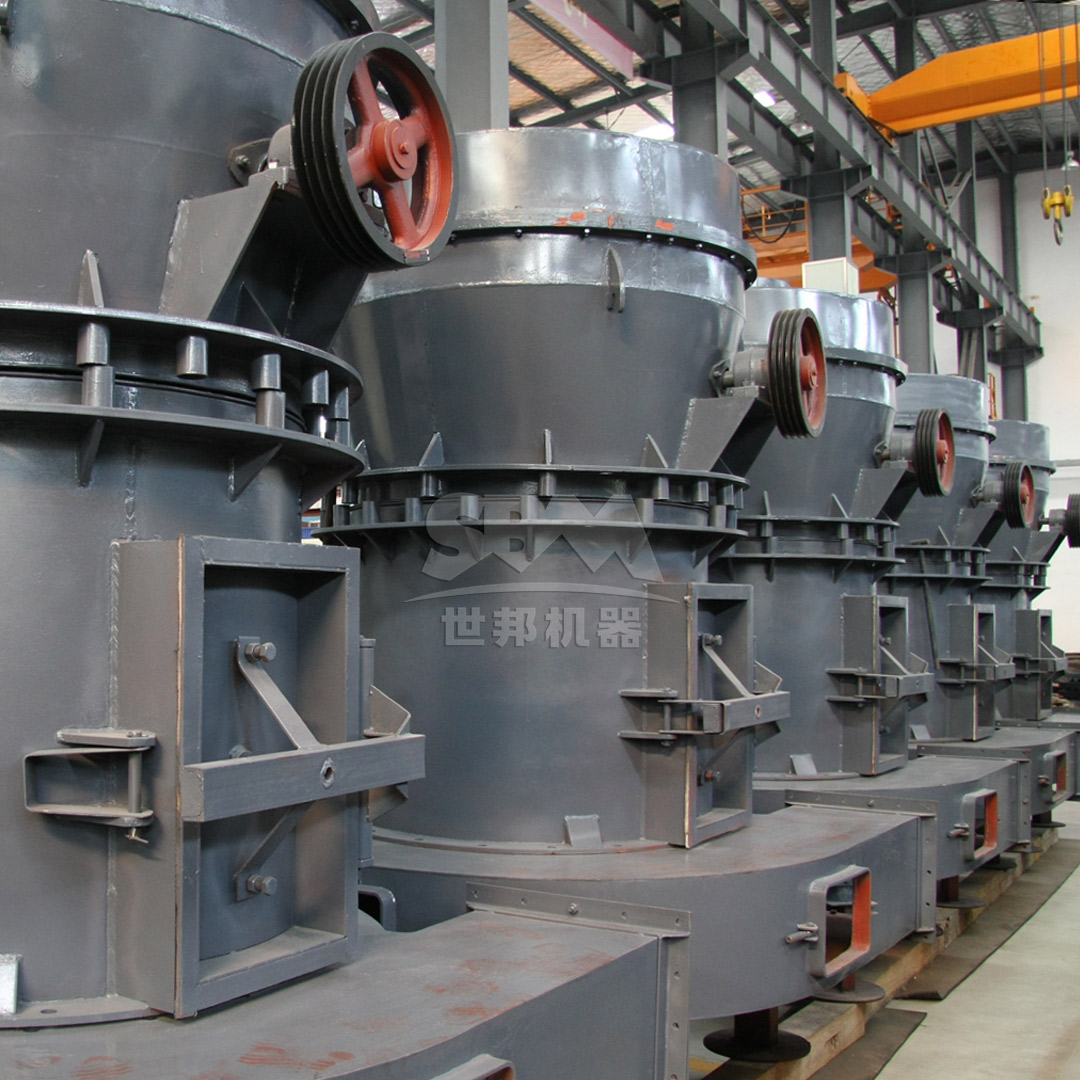
Modern grinding operations must address environmental considerations, which can significantly impact operating costs.
Dust Collection and Emission Control
Effective dust control is essential for regulatory compliance and worker safety:
- Select appropriate dust collection technology for your specific application
- Consider the total system pressure drop when sizing collection equipment
- Implement regular filter maintenance to maintain collection efficiency
- Monitor emissions to ensure continuous compliance
Noise Control Measures
Noise reduction not only addresses regulatory requirements but also improves working conditions:
- Select mills with integrated noise reduction features
- Consider acoustic enclosures for high-noise equipment
- Implement administrative controls for noise exposure
- Regular maintenance reduces noise from worn components
Implementation Strategy
Successful implementation of a cost-efficient grinding solution requires careful planning and execution.
Phased Implementation Approach
A structured implementation minimizes disruption and ensures optimal performance:
- Conduct comprehensive pre-installation planning
- Stage equipment delivery to match construction progress
- Implement thorough commissioning and performance testing
- Provide comprehensive operator training
Performance Monitoring and Continuous Improvement
Ongoing performance assessment ensures sustained cost efficiency:
- Establish key performance indicators (KPIs) for mill operation
- Implement regular performance audits
- Track consumption of energy, wear parts, and other consumables
- Continuously evaluate opportunities for process improvement
Conclusion
Selecting the right Raymond mill model for cost efficiency requires a comprehensive evaluation of technical specifications, operational requirements, and total cost of ownership. By carefully analyzing material characteristics, production needs, and long-term operational costs, manufacturers can identify the optimal grinding solution for their specific application. The SCM Ultrafine Mill and MTW Series Trapezium Mill represent excellent choices for their respective applications, combining advanced technology with proven operational economy. A systematic approach to implementation, operation, and maintenance ensures that the selected equipment delivers maximum value throughout its service life, contributing significantly to the overall profitability of the operation.