Raymond Mill for 200 Mesh Diopside Powder Production Line
Introduction to Diopside and Its Industrial Applications
Diopside, a calcium magnesium silicate mineral with the chemical formula CaMgSi2O6, has gained significant industrial importance due to its unique physical and chemical properties. This pyroxene mineral typically forms in metamorphic rocks and certain igneous environments, characterized by its monoclinic crystal structure and varying colors from light green to dark green, though colorless varieties also exist. The industrial value of diopside primarily stems from its low iron content, high brightness, and excellent thermal stability, making it suitable for numerous applications across different sectors.
In the ceramics industry, diopside powder serves as a valuable flux material that reduces firing temperatures while improving mechanical strength and thermal shock resistance of ceramic products. The paint and coating industry utilizes finely ground diopside as an extender pigment that enhances durability and weather resistance. Additionally, diopside finds applications in plastics as a filler that improves stiffness and heat distortion temperature, in welding rod production as a coating component, and in the construction industry as a raw material for special glasses and mineral wool insulation.
The production of high-quality diopside powder requires precise control over particle size distribution, with 200 mesh (approximately 74 microns) being one of the most commonly requested specifications across industries. Achieving this target size efficiently while maintaining product consistency presents specific challenges that necessitate specialized milling equipment designed for mineral processing applications.
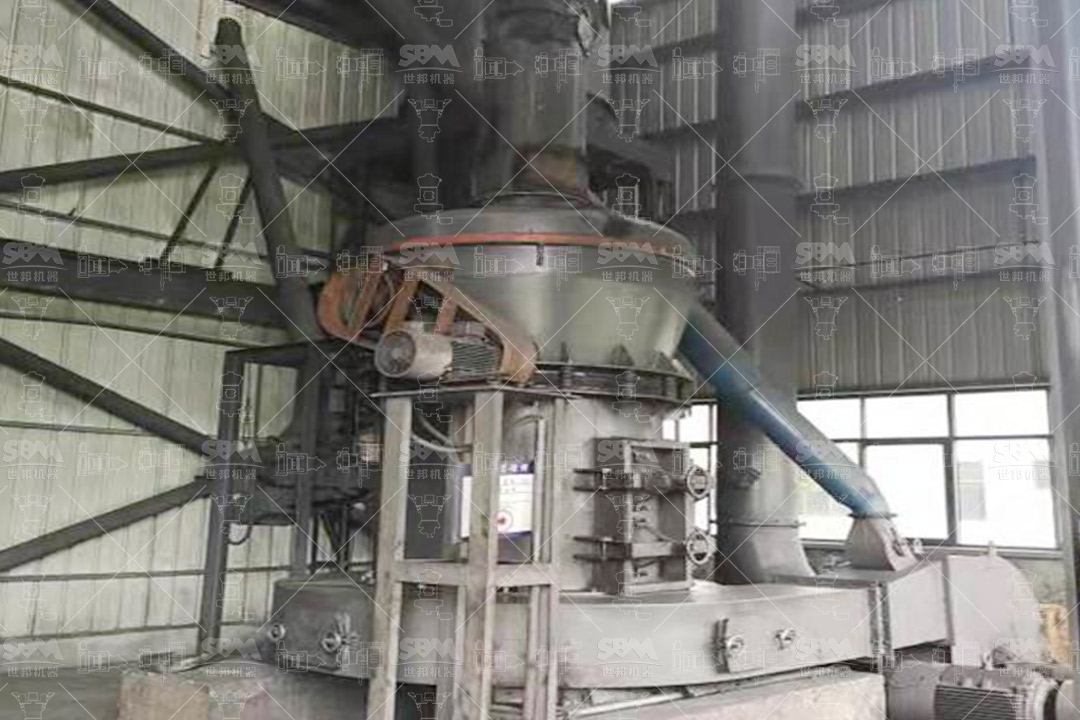
Technical Requirements for 200 Mesh Diopside Powder Production
Producing diopside powder at 200 mesh specification demands careful consideration of several technical parameters to ensure optimal product quality and production efficiency. The Mohs hardness of diopside ranges from 5.5 to 6.5, placing it in the medium-hardness category that requires substantial grinding energy but is not excessively abrasive to equipment. This hardness level makes diopside suitable for processing with various types of mills, though wear resistance remains an important consideration for long-term operational efficiency.
The specific gravity of diopside ranges from 3.2 to 3.4, which is higher than many other industrial minerals, influencing equipment design parameters such as air flow requirements in pneumatic conveying systems. Diopside’s crystalline structure exhibits two cleavage directions at approximately 87° and 93°, which affects how the material fractures during comminution and ultimately influences particle shape characteristics in the final product.
For most industrial applications, the target particle size distribution for 200 mesh diopside powder requires that at least 95% of particles pass through a 200 mesh screen (74 microns). Some applications may have additional requirements regarding the proportion of ultra-fines or the complete absence of oversize particles. Chemical purity is another critical consideration, particularly iron content which can affect color-sensitive applications. The milling process must therefore be designed to minimize contamination from grinding media and mill components.
Raymond Mill Technology for Diopside Processing
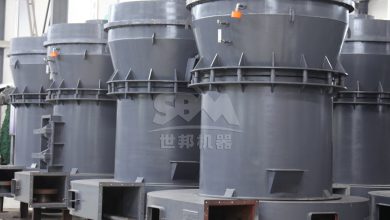
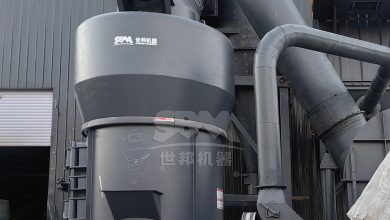
Raymond mill technology, specifically modernized versions like our MTW Series Trapezium Mill, represents an optimal solution for producing 200 mesh diopside powder. The fundamental working principle involves grinding rollers applying centrifugal force against a grinding ring, with material fed between these components being crushed and ground to the desired fineness. A built-in classification system then separates particles that have reached the target size from those requiring further reduction, creating a continuous and efficient production process.
For diopside processing, several specific advantages make Raymond mill technology particularly suitable. The medium-hardness of diopside aligns well with the compression-based grinding mechanism of Raymond mills, which efficiently fractures material along its natural cleavage planes. The adjustable grinding pressure allows operators to fine-tune the process based on variations in feed material characteristics, ensuring consistent product quality despite natural mineral variations. Additionally, the internal classification system provides precise control over product fineness without requiring separate classification equipment for most applications.
When processing diopside to 200 mesh specification, several operational parameters require special attention. Grinding pressure must be optimized to achieve efficient size reduction without generating excessive fines, which can reduce overall process efficiency. Airflow through the system must be carefully balanced to ensure proper material transport and classification while minimizing energy consumption. Feed rate control is critical to maintaining optimal material bed depth in the grinding zone, which directly affects grinding efficiency and product quality.
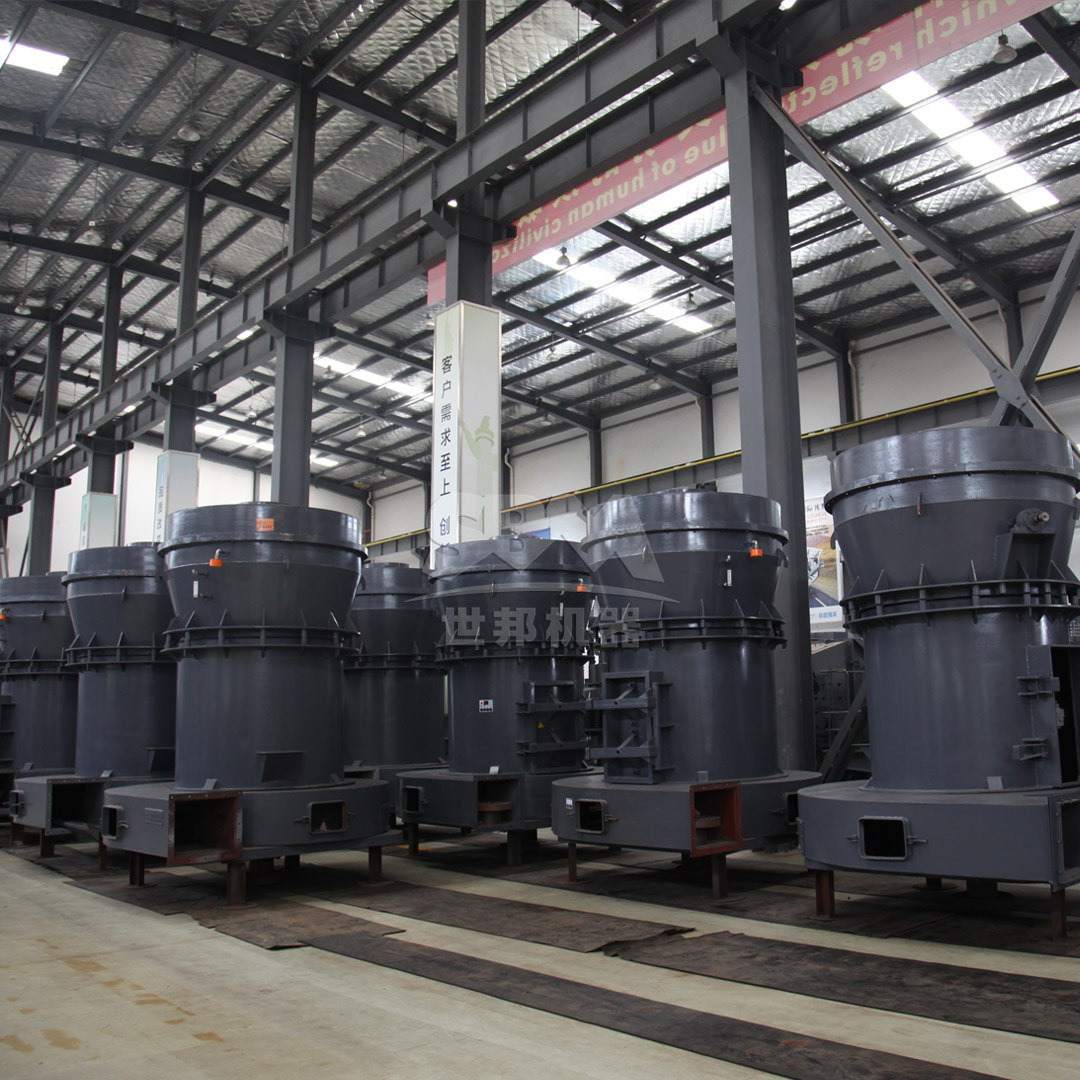
Recommended Equipment: MTW Series Trapezium Mill
For 200 mesh diopside powder production, we specifically recommend our MTW Series Trapezium Mill, which incorporates several technological advancements that make it particularly suitable for this application. The MTW mill series represents the latest evolution in Raymond mill technology, with engineering improvements that enhance performance, reliability, and operational efficiency for mineral processing applications including diopside grinding.
The MTW Series Trapezium Mill features a patented curved air duct design that reduces airflow resistance and improves transmission efficiency, resulting in energy savings of 15-20% compared to conventional designs. The wear-resistant shovel blade design incorporates replaceable segments that significantly reduce maintenance costs and downtime associated with component replacement. For diopside processing, the bevel gear integral transmission system provides 98% transmission efficiency while reducing space requirements and installation complexity.
Specific technical advantages for diopside processing include the abrasion-resistant grinding roller and grinding ring design, which extends component life when processing medium-hardness materials like diopside. The intelligent pressure adjustment system automatically compensates for wear on grinding components, maintaining consistent product quality throughout the equipment service life. The environmental performance of the MTW series meets international standards, with pulse dust collection efficiency exceeding 99.9% and noise levels below 75 dB, creating a safe and comfortable working environment.
For typical 200 mesh diopside powder production, we recommend the MTW138Z model with a processing capacity of 6-17 tons per hour, powered by a 90kW main motor. This model efficiently handles feed materials up to 35mm in size and produces powder in the range of 10-325 mesh, perfectly encompassing the 200 mesh target specification. The integrated powder classifier with an 18.5kW motor provides precise control over product fineness, while the 110kW fan motor ensures optimal material transport through the system.
Alternative Solution: SCM Ultrafine Mill for Fine Powder Applications
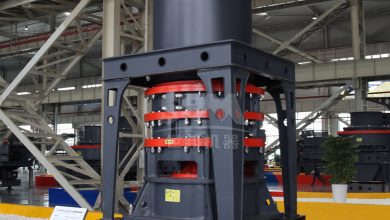
For operations that may require production of finer diopside powders in addition to the standard 200 mesh product, or for facilities seeking maximum flexibility in their product range, we offer the SCM Ultrafine Mill as an alternative solution. This advanced grinding system extends beyond the capabilities of traditional Raymond mills, producing powders in the range of 325-2500 mesh (45-5μm) while maintaining high efficiency and operational reliability.
The SCM Ultrafine Mill incorporates several proprietary technologies that make it suitable for premium diopside powder production. The vertical turbine classification system achieves precise particle size cuts without coarse powder contamination, ensuring exceptional product uniformity. The intelligent control system automatically monitors and adjusts operational parameters to maintain consistent product quality, with real-time feedback on product fineness. For diopside processing, the special material composition of grinding components provides extended service life while minimizing iron contamination, preserving the natural brightness and chemical purity of the product.
When considering the SCM Ultrafine Mill for diopside processing, the SCM1000 model represents an optimal balance of capacity and energy efficiency, with a processing capacity of 1.0-8.5 tons per hour powered by a 132kW main motor. This model accepts feed material up to 20mm in size and produces powder across the entire spectrum from 325 to 2500 mesh, providing exceptional operational flexibility. The energy efficiency of the SCM series is particularly noteworthy, with specific energy consumption approximately 30% lower than conventional jet mills while delivering twice the production capacity.
Production Line Configuration and Auxiliary Equipment
A complete diopside powder production line requires careful integration of multiple equipment components beyond the primary grinding mill. Proper system design ensures optimal performance, operational reliability, and consistent product quality. The typical configuration begins with raw material handling equipment, including receiving hoppers, feeders, and preliminary size reduction equipment if necessary.
The crushing stage typically employs a jaw crusher or hammer mill to reduce raw diopside rocks to a size suitable for feeding into the grinding mill. For the MTW Series Trapezium Mill, the maximum feed size is 35mm, which can be efficiently achieved with a medium-duty crusher. Following crushing, a vibrating screen may be incorporated to remove undersized material that could bypass the grinding process, improving overall system efficiency.
The ground diopside powder exiting the mill requires efficient collection, typically accomplished through a cyclone separator followed by a baghouse filter or pulse jet dust collector. For 200 mesh diopside powder, standard fabric filter media provides adequate collection efficiency while maintaining reasonable pressure drop across the system. The collected product then transfers to storage silos through mechanical or pneumatic conveying systems designed to minimize particle degradation.
Modern diopside powder production lines incorporate comprehensive automation and control systems that monitor and adjust operational parameters to maintain consistent product quality. Key monitored parameters include mill motor current, classifier speed, system pressure drop, and product fineness. Advanced control strategies can automatically compensate for variations in feed material characteristics, ensuring stable operation despite natural fluctuations in mineral properties.

Operational Considerations and Best Practices
Successful operation of a diopside powder production line requires attention to several operational factors that influence efficiency, product quality, and equipment longevity. Proper maintenance procedures represent a critical aspect of sustainable operation, with particular emphasis on wear parts management in the grinding zone. For diopside processing, grinding rollers and rings typically require replacement after 2,000-3,000 hours of operation, depending on material characteristics and operating conditions.
Energy consumption optimization represents another important consideration, with several strategies available to minimize operating costs. Proper adjustment of grinding pressure ensures efficient size reduction without excessive energy expenditure. Optimization of classifier speed maintains target product fineness while minimizing recirculation of finished product. Regular inspection and maintenance of system seals prevents air leakage that can significantly increase fan power requirements.
Product quality control requires regular sampling and analysis to verify conformance to specifications. For 200 mesh diopside powder, standard testing includes sieve analysis to determine particle size distribution and chemical analysis to confirm composition, particularly regarding iron content. Modern production lines often incorporate automated sampling systems that provide representative samples for laboratory analysis without interrupting the production process.
Environmental compliance represents an essential aspect of diopside powder production, with particular attention to dust emissions and noise levels. The MTW Series Trapezium Mill incorporates multiple dust control features, including effective sealing at transfer points and high-efficiency baghouse filters that typically achieve emissions below 20mg/m³. Noise control measures include acoustic enclosures for high-noise equipment and vibration isolation mounts that maintain overall plant noise levels within regulatory limits.
Economic Analysis and Return on Investment
Implementing a dedicated diopside powder production line represents a significant capital investment that requires thorough economic analysis to ensure financial viability. The primary cost components include equipment acquisition, installation and commissioning, operational expenses, and maintenance costs. For a typical production line centered around the MTW138Z Trapezium Mill with a capacity of 10 tons per hour of 200 mesh diopside powder, the total investment typically ranges between $500,000 and $800,000, depending on site-specific factors and auxiliary equipment selection.
Operational costs for diopside powder production primarily consist of electrical energy consumption, wear parts replacement, labor, and maintenance. The MTW Series Trapezium Mill demonstrates excellent energy efficiency, with specific power consumption typically ranging from 25-35 kWh per ton of finished product, depending on feed material characteristics and product fineness requirements. Wear parts consumption represents another significant operational cost, with typical consumption rates of 0.5-1.0 kg per ton of product for medium-hardness materials like diopside.
The return on investment for a diopside powder production line depends largely on product pricing, production capacity utilization, and operational efficiency. With current market prices for 200 mesh diopside powder ranging from $150 to $300 per ton depending on quality specifications and packaging, well-operated production facilities typically achieve payback periods of 2-3 years. Higher-value applications commanding premium prices can significantly improve financial returns, particularly when producing specialized products with tight specifications.
Conclusion
The production of 200 mesh diopside powder requires specialized equipment capable of efficient size reduction while maintaining product quality and operational reliability. Modern Raymond mill technology, particularly our MTW Series Trapezium Mill, provides an optimal solution that balances production capacity, energy efficiency, and product quality. The technical features of this equipment, including the curved air duct design, wear-resistant components, and intelligent control systems, make it particularly suitable for diopside processing applications across various industries.
For operations requiring additional flexibility to produce finer diopside powders, the SCM Ultrafine Mill offers extended capability down to 5μm while maintaining high efficiency and operational reliability. Both equipment options incorporate the latest technological advancements in grinding and classification, ensuring competitive performance in the increasingly demanding industrial minerals market.
Proper design of the complete production line, including auxiliary equipment and control systems, ensures optimal performance and consistent product quality. Attention to operational best practices, particularly regarding maintenance procedures and energy optimization, contributes significantly to the long-term economic viability of diopside powder production facilities. With thorough planning and proper equipment selection, diopside powder production represents a promising business opportunity that leverages the unique properties of this versatile industrial mineral.