How to Grind Solid Phenolic Resin into Powder?
Introduction to Phenolic Resin Grinding
Phenolic resin, a synthetic polymer produced through the reaction of phenol with formaldehyde, possesses exceptional thermal stability, mechanical strength, and chemical resistance. These properties make it invaluable across numerous industries, including abrasives, friction materials, molding compounds, and coatings. However, to fully leverage these characteristics in final products, solid phenolic resin often requires processing into fine powders with specific particle size distributions. The grinding process must carefully balance efficiency, product quality, and economic considerations while addressing the material’s unique challenges.
The transformation of solid phenolic resin into powder involves sophisticated mechanical size reduction techniques that must preserve the material’s chemical structure while achieving desired physical characteristics. This comprehensive guide explores the technical aspects of phenolic resin grinding, from fundamental principles to advanced processing solutions, providing industry professionals with the knowledge needed to optimize their powder production operations.
Understanding Phenolic Resin Properties and Grinding Challenges
Before selecting grinding equipment and parameters, it’s essential to understand the material properties that influence the grinding process. Phenolic resins typically exhibit high hardness, brittleness at room temperature, and thermal sensitivity. These characteristics present both advantages and challenges during comminution.
The inherent brittleness of cured phenolic resin facilitates fracture under mechanical stress, making it generally amenable to grinding operations. However, the same material can become thermoplastic at elevated temperatures, leading to agglomeration, equipment fouling, and compromised product quality. The glass transition temperature (Tg) of phenolic resins typically ranges between 70°C and 120°C, establishing critical thermal limits for grinding operations.
Additional challenges include:
- Dust explosion risks: Fine phenolic resin powders can form explosive mixtures with air
- Hygroscopicity: Moisture absorption can affect flow properties and subsequent processing
- Abrasive wear: The hard, cross-linked structure accelerates wear on grinding components
- Static electricity generation: Can lead to particle agglomeration and handling difficulties
Understanding these material characteristics is fundamental to selecting appropriate grinding technologies and implementing necessary safety measures.
Pre-Grinding Preparation: Crucial First Steps
Proper preparation of phenolic resin before fine grinding significantly impacts process efficiency and final product quality. The initial material typically arrives as irregular lumps, cast blocks, or flakes with varying dimensions. Pre-processing stages ensure consistent feed material, protect downstream equipment, and optimize energy consumption.
Primary Size Reduction: Large phenolic resin blocks should first undergo coarse crushing to reduce them to particles of 20-50mm. Jaw crushers or hammer mills effectively accomplish this initial size reduction. For particularly large castings, hydraulic splitters or diamond wire saws may be necessary before mechanical crushing.
Drying Considerations: While phenolic resins generally have low moisture absorption, any surface moisture should be removed before fine grinding. Low-temperature drying ovens (60-80°C) effectively eliminate moisture without affecting resin properties. Excessive temperatures must be avoided to prevent premature curing or thermal degradation.
Metal Contamination Prevention: Implementing magnetic separators at various stages removes ferrous contaminants that could otherwise compromise product purity and damage grinding equipment. For applications requiring extreme purity, non-metallic grinding media and ceramic-lined equipment may be necessary.
Feed Rate Optimization: Consistent, controlled feeding is critical for stable grinding operation. Vibratory feeders with variable speed control ensure uniform material presentation to the grinding mill, preventing overload conditions and maintaining consistent product quality.
Grinding Technology Selection for Phenolic Resin
Selecting the appropriate grinding technology represents the most critical decision in phenolic resin powder production. The choice depends on required production capacity, target particle size distribution, energy efficiency requirements, and capital investment constraints. Different grinding principles offer distinct advantages for specific applications.
Impact-Based Grinding Systems
Hammer mills and pin mills utilize high-speed impact forces to fracture phenolic resin particles. These systems excel at coarse to medium grinding applications where production rates outweigh ultra-fine particle requirements. The simplicity of design, ease of maintenance, and relatively low capital cost make impact mills suitable for entry-level phenolic resin powder production.
However, impact grinding generates significant heat through particle collision and friction, potentially exceeding the phenolic resin’s glass transition temperature. Efficient cooling systems, either through jacketed milling chambers or chilled air injection, are essential to prevent material softening and equipment fouling.
Compression-Based Grinding Systems
Roller mills and ring-roller mills utilize compressive forces between rotating elements to fracture phenolic resin particles. These systems typically offer higher energy efficiency than impact mills for medium-fine grinding applications. The multi-stage compression and classification inherent in these designs produce more controlled particle size distributions with reduced fines content.
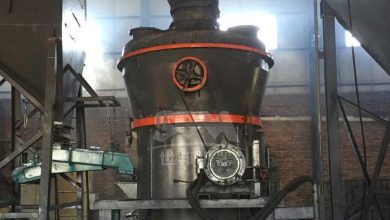
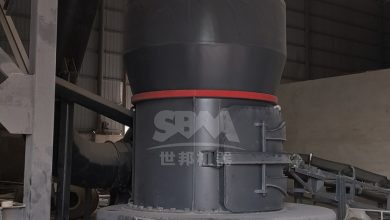
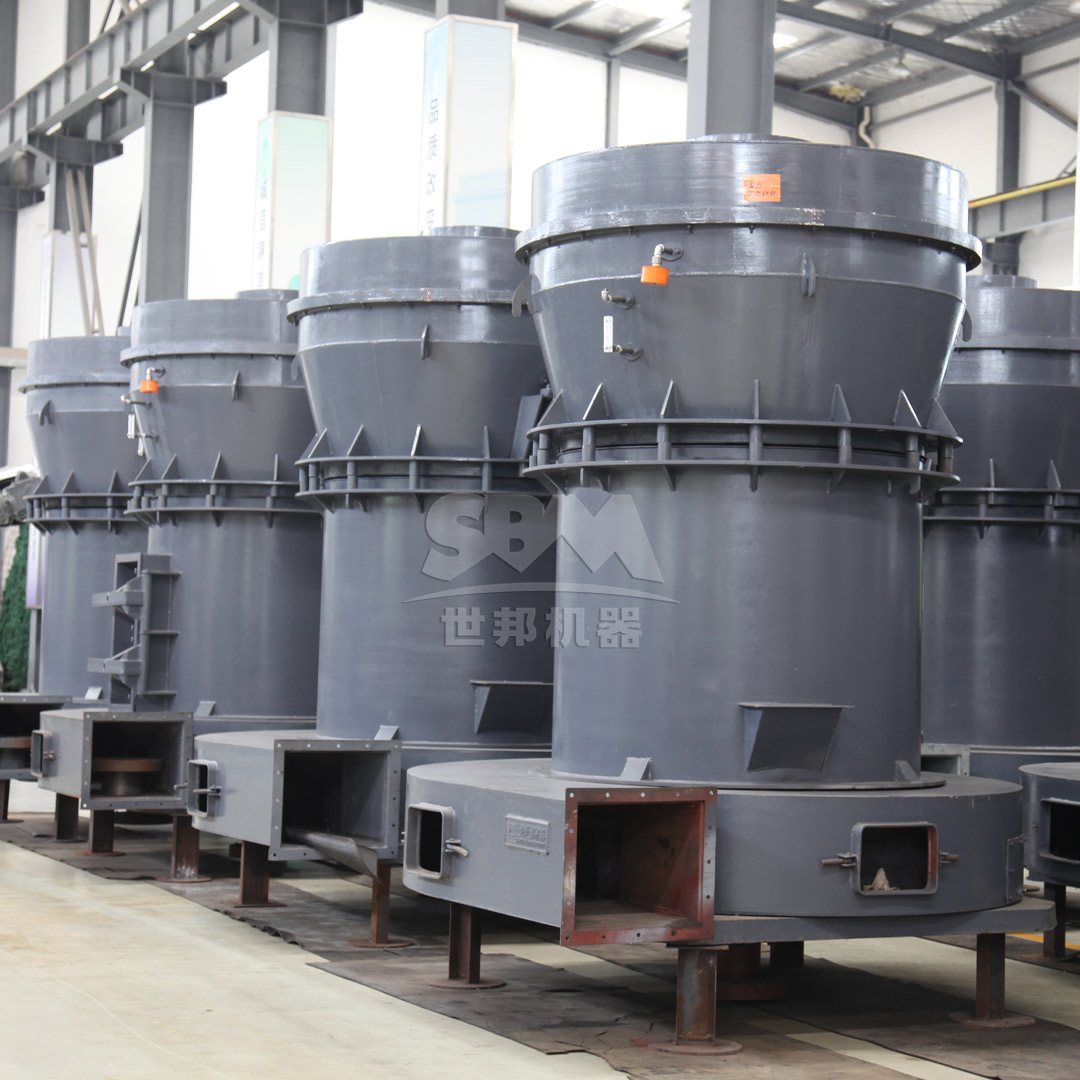
The MTW Series Trapezium Mill exemplifies advanced compression grinding technology specifically suited for phenolic resin processing. With an output fineness range of 30-325 mesh (600-45μm) and capacity up to 45 tons per hour, this system efficiently handles the challenges of phenolic resin comminution. Its innovative features include:
- Anti-wear shovel blade design: Combined shovel pieces reduce maintenance costs while curved design extends roller life
- Optimized arc air channel: Reduces airflow energy loss with high-strength guard plate protection
- Bevel gear overall transmission: Achieves 98% transmission efficiency with space-saving design
- Wear-resistant volute structure: No-blockage design improves air classification efficiency
The working principle involves the main motor driving the grinding roller to revolve around the central axis while rotating itself to generate centrifugal force. The shovel blade throws materials between the grinding ring and roller to form a material layer, achieving efficient crushing through extrusion, with the classification system precisely controlling final particle size.
Ultra-Fine Grinding Systems
Applications requiring phenolic resin powders with particle sizes below 10μm necessitate specialized ultra-fine grinding technologies. Fluidized bed jet mills, planetary ball mills, and specialized ultra-fine roller mills can achieve these demanding specifications but require more sophisticated operation and higher energy inputs.
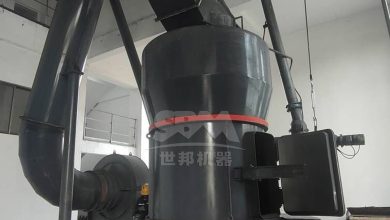
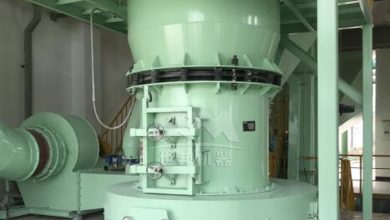
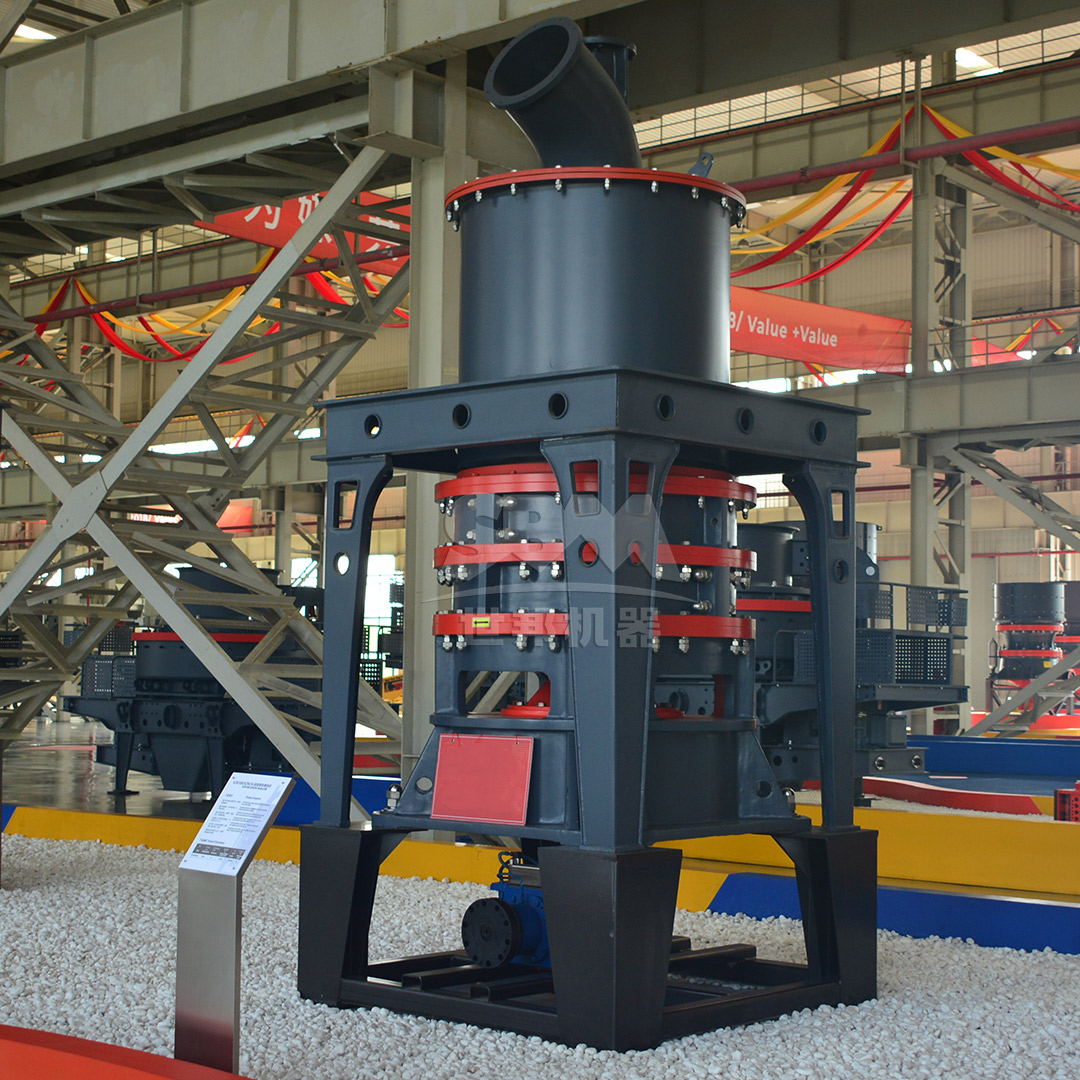
The SCM Ultrafine Mill represents the pinnacle of ultra-fine grinding technology for phenolic resin applications requiring powders between 325-2500 mesh (45-5μm). This system combines multiple grinding mechanisms with precision classification to produce consistently fine powders with narrow particle size distributions. Key advantages include:
- High-efficiency and energy saving: Capacity twice that of jet mills with 30% lower energy consumption
- High-precision classification: Vertical turbine classifier ensures precise particle size cut points
- Durable design: Special material rollers and grinding rings extend service life multiple times
- Environmental protection and low noise: Pulse dust collection exceeds international standards with noise levels below 75dB
The working principle involves the main motor driving three-layer grinding rings to rotate, with materials dispersed to the grinding path by centrifugal force. After roller pressing and crushing, materials undergo layered grinding, with final powder collection accomplished by cyclone collector and pulse dust removal systems.
Advanced Processing: The SCM Ultrafine Mill Solution
For phenolic resin applications demanding the finest particle sizes, the SCM Ultrafine Mill offers unparalleled performance. With the capability to produce powders as fine as D97≤5μm (2500 mesh), this technology enables phenolic resin applications in advanced composites, electronic materials, and specialty coatings where ultra-fine powders are essential.
The technological sophistication of the SCM series addresses the specific challenges of phenolic resin grinding:
Thermal Management: The multi-layer grinding principle distributes the grinding energy, minimizing localized heat generation. Combined with optional cooling systems, this prevents the phenolic resin from reaching its glass transition temperature during processing.
Particle Size Control: The integrated vertical turbine classification system provides precise control over the final product’s particle size distribution. This ensures consistent batch-to-batch quality and eliminates coarse particle contamination.
Wear Resistance Specialized materials for grinding components significantly extend service life when processing abrasive materials like phenolic resin. The use of high-chromium alloy steel or ceramic components in high-wear areas reduces maintenance frequency and contamination risks.
Available models range from the SCM800 with 0.5-4.5 ton/hour capacity to the SCM1680 handling 5.0-25 ton/hour, ensuring appropriate scaling for various production requirements. All models maintain the same exceptional fineness range of 325-2500 mesh, providing process flexibility without equipment modification.
Post-Grinding Processing and Quality Control
Producing phenolic resin powder extends beyond the grinding operation itself. Several critical post-processing steps ensure the final product meets application requirements.
Classification and Separation: Even with integrated classification systems, additional air classification or screening may be necessary to meet tight particle size distribution specifications. Turbo classifiers and ultrasonic sieves effectively separate oversize particles for re-grinding or alternative use.
De-dusting and Fines Removal: Some applications benefit from selective removal of ultra-fine fractions to improve flow characteristics or reduce dusting during subsequent processing. Air separators and cyclones efficiently accomplish this fractionation.
Blending and Homogenization: To ensure batch-to-batch consistency, powders may require blending in ribbon mixers or similar equipment. This step is particularly important when producing customized formulations with additives or fillers.
Packaging Considerations: Phenolic resin powders require appropriate packaging to prevent moisture absorption, contamination, and compaction. Multi-wall paper bags with polyethylene liners, bulk bags with moisture barriers, or vacuum packaging may be appropriate depending on application requirements.
Safety Considerations in Phenolic Resin Grinding
The production of fine phenolic resin powders introduces several significant safety considerations that must be addressed through engineering controls and procedural safeguards.
Dust Explosion Prevention: Fine organic powders like phenolic resin can form explosive mixtures with air. Comprehensive dust explosion protection includes:
- Conductive equipment grounding to prevent static electricity accumulation
- Explosion venting panels or suppression systems on processing equipment
- Inert gas blanketing systems for high-risk operations
- Regular housekeeping to prevent dust accumulation on surfaces
Fire Prevention: The combination of fine organic particles, oxygen, and potential ignition sources creates fire hazards. Temperature monitoring systems, spark detection and extinguishment, and thermal overload protection on motors reduce these risks.
Operator Protection: Personal protective equipment including respiratory protection, eye protection, and appropriate clothing is essential for personnel working with phenolic resin powders. Engineering controls such as local exhaust ventilation and enclosed processing systems further reduce exposure risks.
Economic Considerations and Operational Efficiency
The economic viability of phenolic resin powder production depends on optimizing multiple factors beyond initial equipment investment.
Energy Consumption: Grinding operations typically account for the majority of energy usage in powder production. Technologies like the MTW Series Trapezium Mill and SCM Ultrafine Mill offer significant advantages through optimized designs that maximize energy efficiency. The MTW series’ curved air channel reduces energy losses, while the SCM series achieves twice the capacity of jet mills with 30% lower energy consumption.
Maintenance Costs: Equipment selection significantly impacts long-term maintenance expenses. The durable design of recommended mills, with special material rollers and grinding rings, extends component life multiple times compared to conventional equipment. The anti-wear shovel blade design of the MTW series further reduces maintenance requirements.
Yield Optimization: Maximizing product yield within specification minimizes waste and improves economic performance. The precision classification systems in advanced grinding equipment ensure a higher percentage of product meeting target specifications, reducing the need for re-processing or downgrading.
Conclusion
Transforming solid phenolic resin into high-quality powder requires careful consideration of material properties, appropriate technology selection, and rigorous process control. The unique characteristics of phenolic resins—including thermal sensitivity, hardness, and dust explosion potential—demand specialized approaches to comminution.
Advanced grinding technologies like the MTW Series Trapezium Mill for medium-fine applications and the SCM Ultrafine Mill for ultra-fine requirements offer comprehensive solutions that address the specific challenges of phenolic resin processing. These systems combine efficient size reduction with precise classification, robust construction, and operational safety features to deliver consistent, high-quality phenolic resin powders.
By understanding the principles outlined in this guide and selecting appropriate grinding technologies, manufacturers can optimize their phenolic resin powder production for enhanced product performance, operational efficiency, and economic viability across diverse industrial applications.