Carbon Silicon Carbide Micro Powder Grinding Process and Equipment Overview
Introduction to Silicon Carbide Grinding
Silicon Carbide (SiC), also known as carborundum, is an extremely hard synthetic compound of silicon and carbon. With a Mohs hardness of 9-9.5, second only to diamond and boron carbide, SiC presents significant challenges in grinding and processing. The material’s exceptional hardness, chemical inertness, and thermal stability make it valuable for applications in abrasives, refractories, ceramics, and high-performance electronics. This article provides a comprehensive overview of the grinding processes and equipment specifically designed for producing high-quality silicon carbide micro powders.
Material Characteristics and Grinding Challenges
Silicon carbide exists in multiple crystalline forms, primarily alpha-SiC (hexagonal) and beta-SiC (cubic). The material’s covalent bonding structure contributes to its extreme hardness and brittleness. When grinding SiC, several critical factors must be considered: the material’s tendency to undergo phase transformations under mechanical stress, the need to prevent contamination during processing, and the challenge of achieving consistent particle size distribution while minimizing sub-micron fines.
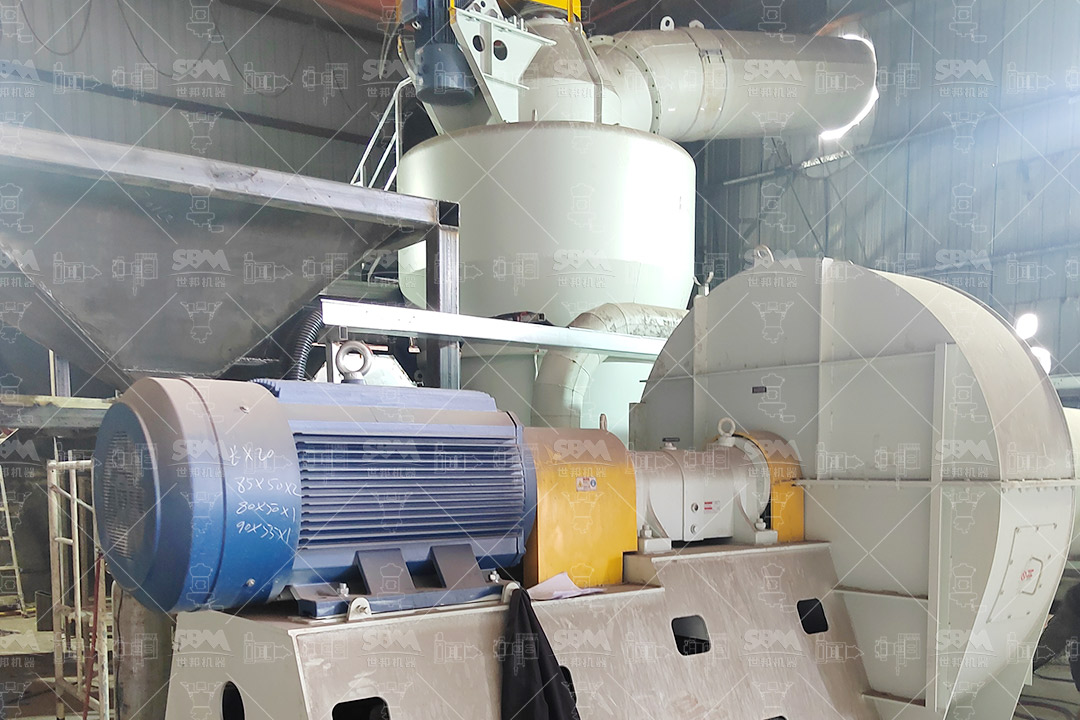
The grinding process must carefully balance energy input to avoid excessive heat generation, which can lead to oxidation and surface degradation. Additionally, the abrasive nature of SiC particles accelerates wear on grinding equipment components, necessitating specialized materials and designs for prolonged operational life.
Grinding Process Technologies
Mechanical Grinding Methods
Traditional ball milling remains a common method for silicon carbide grinding, particularly for producing coarser powders in the range of 1-100 microns. This method utilizes hardened steel, alumina, or zirconia grinding media in rotating cylinders. While effective for larger particle sizes, ball milling suffers from limitations in achieving sub-micron particles and may introduce contamination from media wear.
Advanced mechanical grinding systems have evolved to address these limitations. High-energy ball mills, planetary mills, and attritors provide more intensive grinding action through impact and shear forces. These systems can produce finer powders but require careful control of process parameters to prevent excessive heat buildup and contamination.
Jet Milling Technology
Fluidized bed jet mills represent a significant advancement in silicon carbide grinding technology. These systems utilize compressed air or superheated steam to accelerate particles to high velocities, causing inter-particle collisions that result in fracture. The absence of grinding media eliminates contamination concerns, making jet milling particularly suitable for high-purity applications.
Jet milling systems typically produce powders with narrow particle size distributions and minimal sub-micron content. The process parameters, including grinding pressure, feed rate, and classifier speed, can be precisely controlled to achieve specific particle size targets. However, jet milling systems generally have higher energy consumption compared to mechanical methods.
Wet Grinding Processes
Wet grinding methods, employing bead mills or stirred media mills, offer advantages for certain silicon carbide applications. The liquid medium (typically water or organic solvents) helps dissipate heat, reduces dust formation, and can assist in preventing particle agglomeration. Ceramic or silicon carbide grinding media are often used to minimize contamination.
This approach is particularly effective for producing slurries with high solids loading or for applications requiring extremely fine particles with narrow size distributions. The main disadvantages include the need for subsequent drying steps and potential challenges with media wear.
Specialized Grinding Equipment for Silicon Carbide
Ultrafine Grinding Systems
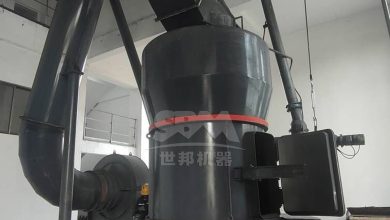
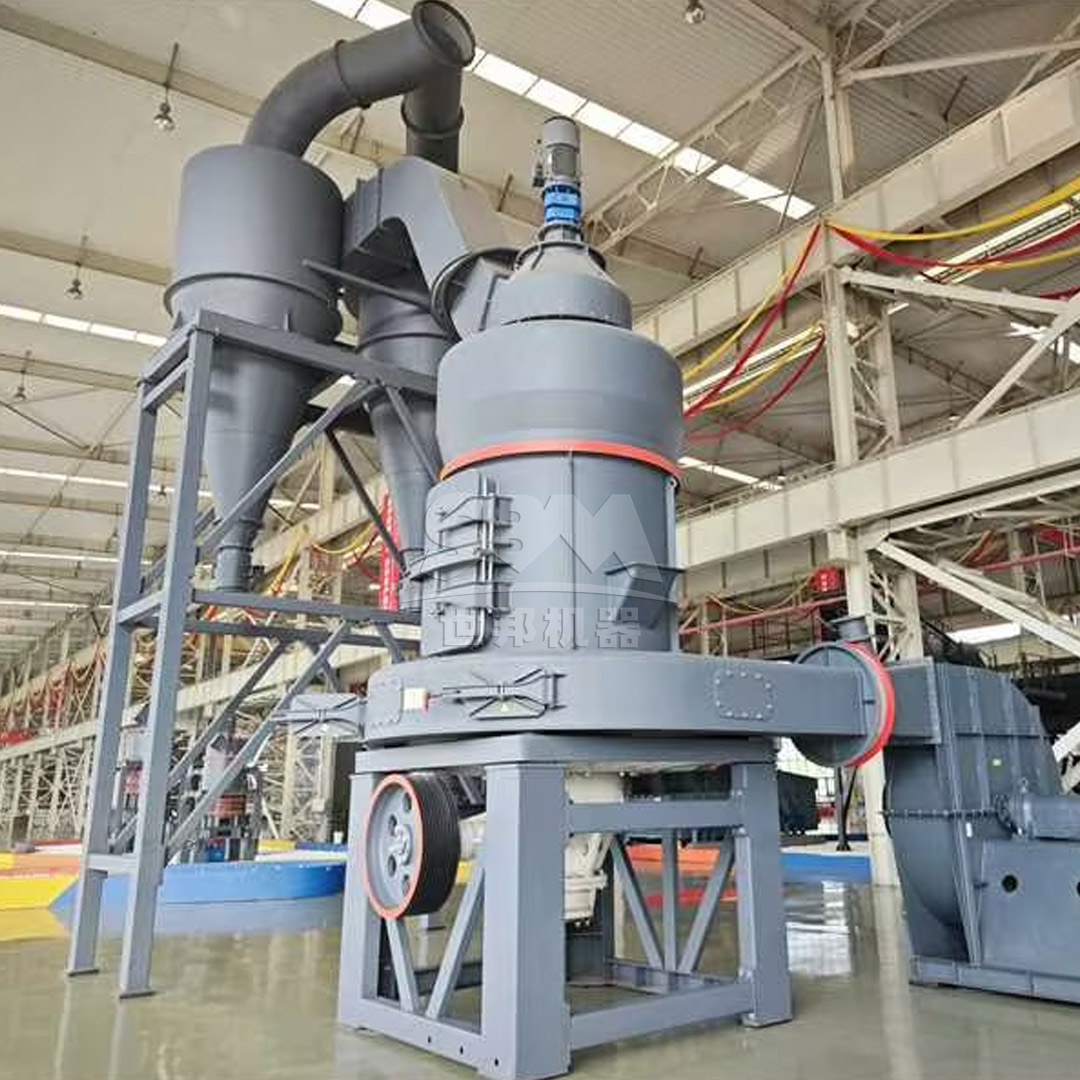
For applications requiring silicon carbide powders in the 45-5μm range (325-2500 mesh), specialized ultrafine grinding equipment is essential. Our SCM Ultrafine Mill series represents the cutting edge in silicon carbide processing technology. With an output fineness of D97≤5μm and processing capacity ranging from 0.5-25 tons per hour depending on model, this equipment combines high efficiency with precision particle control.
The SCM series incorporates several technological innovations specifically beneficial for hard materials like silicon carbide. The vertical turbine classifier enables precise particle size cuts without coarse powder contamination. Special material roller and grinding ring components withstand the extreme abrasiveness of SiC, with service life extended several times compared to conventional materials. The intelligent control system automatically monitors and adjusts operational parameters to maintain consistent product quality.
Vertical Roller Mills
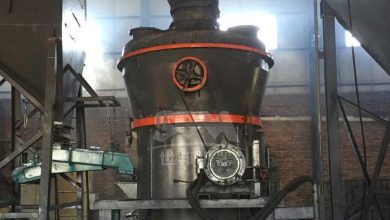
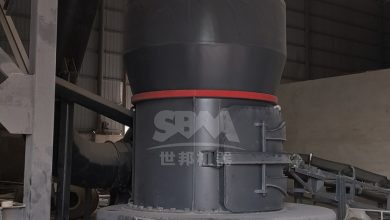
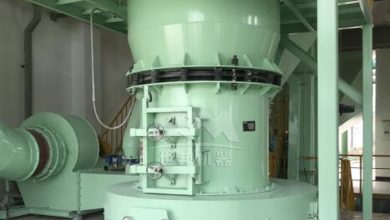
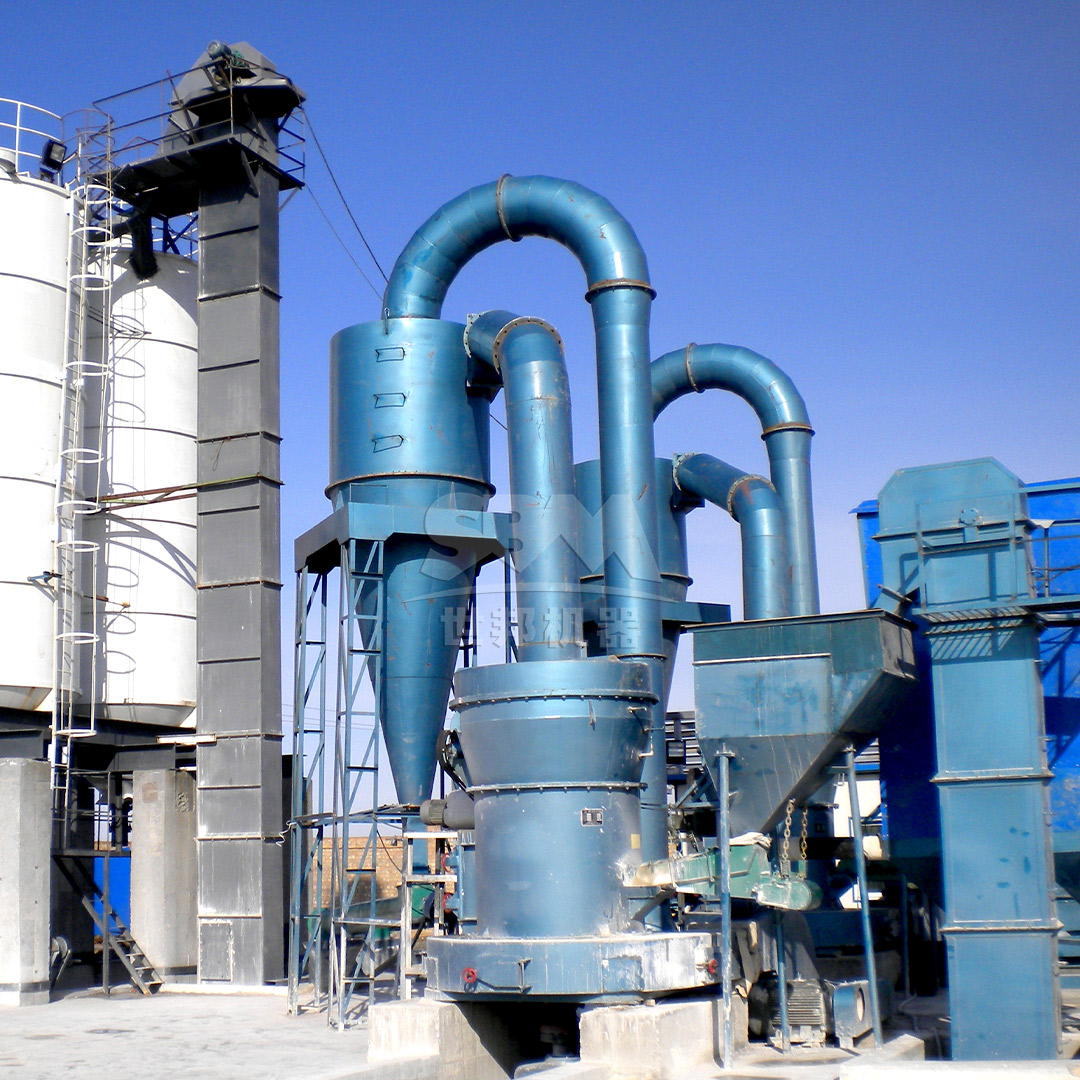
Vertical roller mills offer significant advantages for medium-fine grinding of silicon carbide in the 600-45μm range. Our LM Series Vertical Roller Mills integrate multiple functions including crushing, grinding, and separation in a single compact system. The unique grinding principle, where material is ground between rollers and a rotating table, provides high efficiency with 30-40% lower energy consumption compared to traditional ball mill systems.
For silicon carbide processing, the LM series features specially designed wear components and grinding elements that resist the material’s extreme abrasiveness. The centralized control system allows for precise adjustment of operational parameters to optimize product quality and throughput. With capacities ranging from 3-250 tons per hour depending on model, these systems support both laboratory-scale development and full-scale production.
Process Optimization and Quality Control
Particle Size Distribution Control
Achieving consistent particle size distribution is critical for silicon carbide powders, as this parameter directly influences performance in downstream applications. Modern grinding systems incorporate advanced classification technologies, including dynamic air classifiers and sieve systems, to ensure tight control over the final product specifications.
For ultrafine applications, multi-stage classification systems may be employed to remove both oversize particles and excessive fines. The integration of real-time particle size monitoring, using technologies such as laser diffraction or dynamic light scattering, enables immediate adjustment of process parameters to maintain product consistency.
Contamination Prevention
Minimizing contamination during silicon carbide grinding presents significant challenges due to the material’s extreme hardness. Equipment design must incorporate wear-resistant materials in all components that contact the product, including liners, grinding elements, and classifier components. Ceramic, specialized alloys, or silicon carbide itself may be used in critical wear areas.
Proper equipment sealing and the use of dedicated production lines for different purity grades help prevent cross-contamination. For high-purity applications, clean-in-place systems and validated cleaning protocols ensure product integrity between batches.
Equipment Selection Considerations
Production Scale and Flexibility
Selecting appropriate grinding equipment for silicon carbide requires careful consideration of production requirements. For small-scale or research applications, laboratory-scale jet mills or planetary ball mills offer flexibility for processing small batches with varying specifications. For pilot-scale operations or small production, the SCM800 Ultrafine Mill with 0.5-4.5 ton/hour capacity provides an excellent balance of performance and operational flexibility.
Large-scale production facilities typically require high-capacity systems such as the LM220K Vertical Roller Mill with 36-105 ton/hour capacity or the SCM1680 Ultrafine Mill with 5.0-25 ton/hour capacity. These systems incorporate automation features that minimize operator intervention while maintaining consistent product quality.
Energy Efficiency and Operational Costs
The extreme hardness of silicon carbide results in high energy consumption during grinding operations. Equipment selection should consider not only initial capital investment but also long-term operational costs, including energy consumption, maintenance requirements, and component replacement intervals.
Modern grinding systems incorporate energy-saving features such as high-efficiency classifiers that reduce recirculation of finished product, optimized grinding chamber designs that maximize energy transfer to the material, and intelligent control systems that adjust operational parameters based on feed material characteristics. Our SCM series ultrafine mills, for example, achieve 30% lower energy consumption compared to conventional jet mills while providing twice the production capacity.
Future Trends in Silicon Carbide Grinding
Advanced Classification Technologies
Emerging classification technologies promise further improvements in silicon carbide powder quality and processing efficiency. Electrostatic classification systems, which separate particles based on charge-to-mass ratio rather than size alone, may enable more precise removal of contaminated particles or specific morphological variants.
Acoustic classification methods, which use standing wave patterns to separate particles, offer potential for dry processing of ultrafine powders without the challenges associated with screen blinding or classifier wheel wear. These technologies remain primarily in development but show promise for future implementation in commercial silicon carbide production.
Integrated Process Control
The future of silicon carbide grinding lies in fully integrated process control systems that monitor and adjust multiple parameters simultaneously. Advanced sensor technologies, including in-line particle size analyzers, shape factor measurement systems, and contamination detectors, will provide real-time feedback for process optimization.
Machine learning algorithms are being developed to predict optimal operating conditions based on feed material characteristics and desired product specifications. These systems will automatically adjust classifier speeds, grinding pressures, and feed rates to maintain consistent product quality while maximizing throughput and minimizing energy consumption.
Conclusion
The grinding of silicon carbide to micro powder specifications requires specialized equipment and carefully controlled processes to achieve the desired product quality while managing operational costs. Modern grinding systems, such as our SCM Ultrafine Mill and LM Vertical Roller Mill series, incorporate technological innovations that address the unique challenges posed by this extreme material.
Equipment selection should be based on comprehensive consideration of production requirements, product specifications, and total cost of ownership. As silicon carbide applications continue to expand in areas such as power electronics, abrasives, and advanced ceramics, continued advancement in grinding technology will be essential to meet evolving market demands for higher quality, consistency, and processing efficiency.