4R Raymond Mill Structure: How Does a 4 Roller Raymond Grinding Mill Work?
Introduction to 4R Raymond Mill
The 4R Raymond Mill, also known as a 4-roller Raymond grinding mill, represents a significant advancement in grinding technology that has revolutionized mineral processing operations worldwide. This robust milling system builds upon the traditional Raymond mill design by incorporating four grinding rollers instead of the conventional three, resulting in enhanced grinding efficiency, increased production capacity, and improved particle size distribution control. The 4R configuration has become the industry standard for medium to large-scale grinding operations requiring consistent output quality and operational reliability.
Originally developed based on the patents of Raymond Brothers Impact Pulverizer Company, the modern 4R Raymond Mill has evolved through decades of technological refinement. Today’s models incorporate advanced materials, precision engineering, and automated control systems that maximize performance while minimizing operational costs. The fundamental principle remains the same – utilizing centrifugal force to press grinding rollers against a rotating grinding ring to achieve efficient size reduction – but the execution has been perfected through continuous innovation.
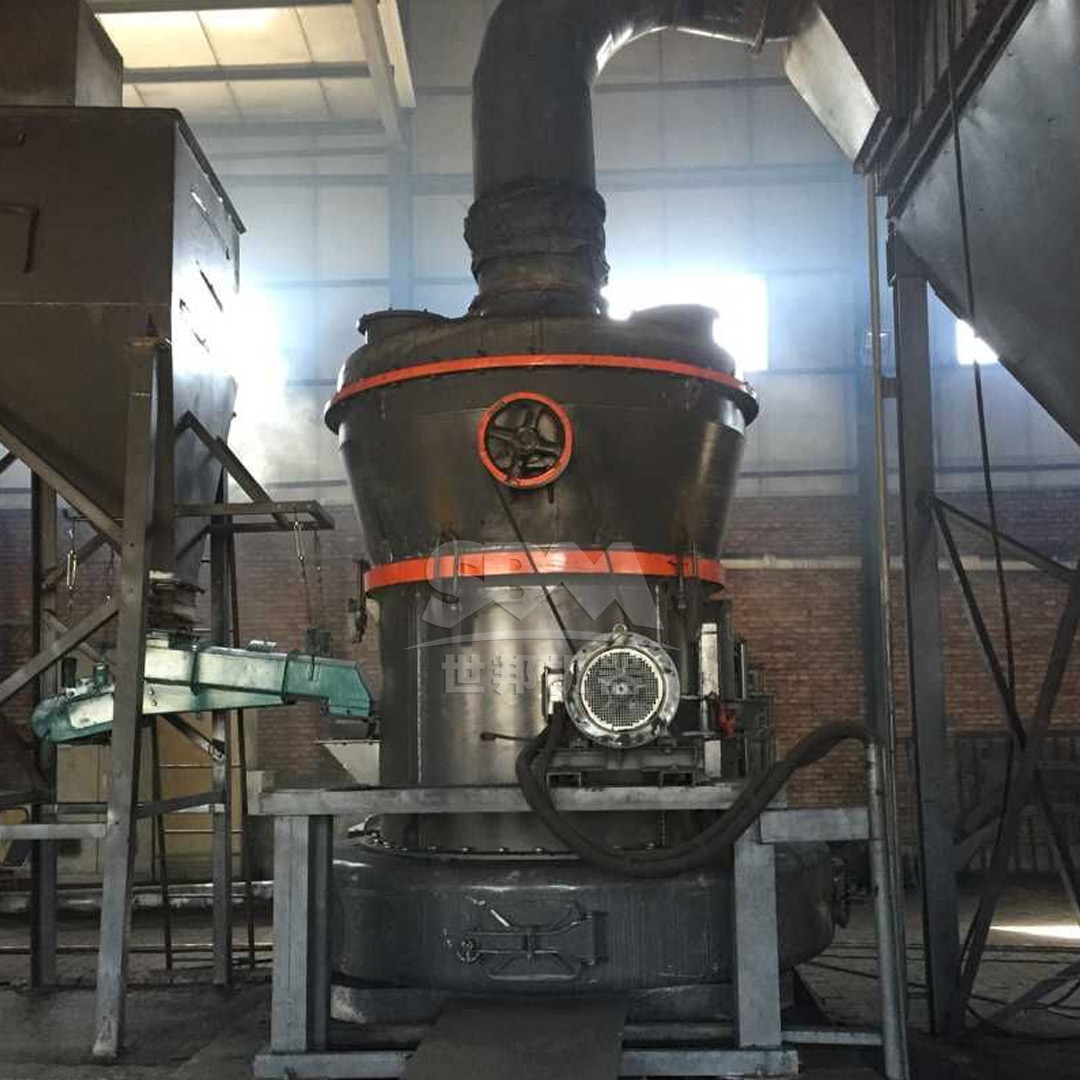
Structural Components of 4R Raymond Mill
Main Frame and Foundation
The main frame of a 4R Raymond Mill is constructed from high-strength steel plates with reinforced welding at stress concentration points. This rigid foundation ensures stable operation under heavy loads and vibration, which is critical for maintaining precise roller alignment and consistent grinding performance. The foundation design incorporates vibration-damping features that minimize transmission of operational vibrations to surrounding structures, making the mill suitable for installation in multi-level industrial facilities.
Grinding Roller Assembly
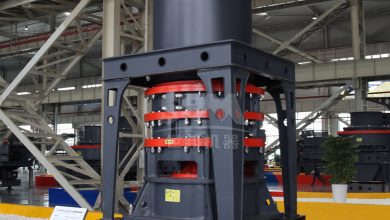
The heart of the 4R Raymond Mill is its four grinding rollers, which are symmetrically arranged around the central vertical axis. Each roller assembly consists of a forged steel shaft, precision-machined roller body, and replaceable grinding rings made from high-chromium alloy or other wear-resistant materials. The rollers are mounted on pendulum arms that allow them to swing outward under centrifugal force while maintaining constant pressure against the grinding ring. This pendulum mounting system automatically compensates for roller wear, ensuring consistent grinding pressure throughout the operational life of the wear components.
Grinding Ring and Bowl
The grinding ring, also referred to as the grinding bowl or race, is a critical wear component that rotates at controlled speeds. Manufactured from nickel-chromium alloy or similar abrasion-resistant materials, the grinding ring features a specially profiled working surface that optimizes material retention and grinding efficiency. The curvature of the grinding surface is engineered to create an optimal nip angle with the rollers, maximizing the compressive forces applied to the material while minimizing energy consumption.
Classifier System
Modern 4R Raymond Mills incorporate highly efficient classifier systems that precisely control product fineness. The classifier typically consists of multiple angled blades or vanes that rotate at adjustable speeds. As the ground material is carried upward by the air stream, the classifier separates particles based on size and mass – allowing properly sized particles to pass through to the collection system while returning oversized particles to the grinding zone for further processing. This closed-circuit classification ensures consistent product quality and prevents overgrinding of already acceptable material.
Drive and Transmission System
The mill is driven by a high-torque electric motor connected through a flexible coupling to a reduction gearbox. The gearbox output shaft drives the central vertical shaft that rotates the grinding ring assembly. Modern designs often feature integrated planetary gearboxes that provide high torque transmission efficiency while maintaining compact dimensions. The drive system is engineered to handle the significant shock loads that can occur during mill operation, particularly when processing materials with varying hardness or when foreign objects inadvertently enter the grinding chamber.
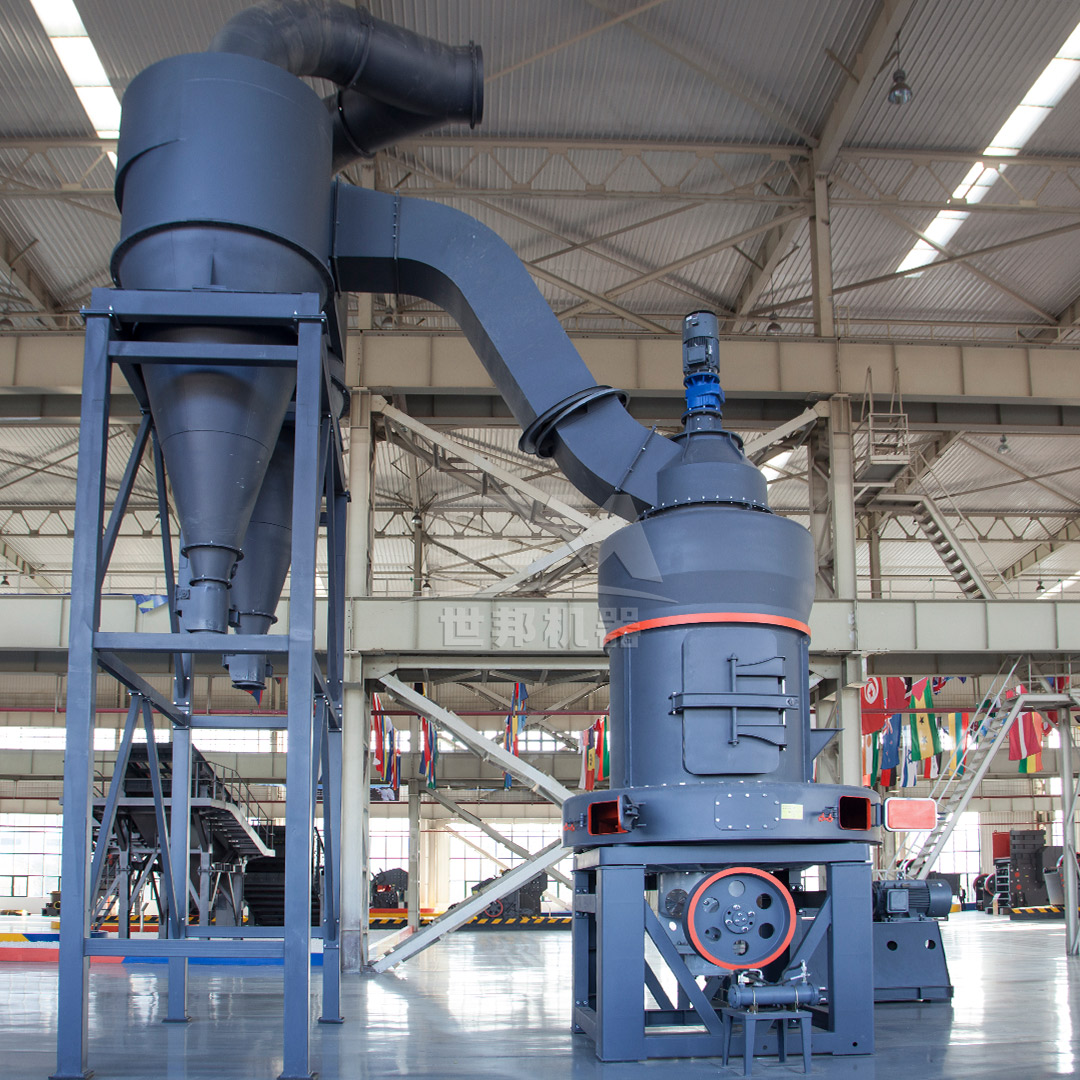
Working Principle of 4R Raymond Mill
Material Feeding and Distribution
The grinding process begins with controlled feeding of raw material into the mill through a rotary feeder or vibratory feeder. The feeder regulates material input to match the mill’s processing capacity, preventing overload conditions that could compromise grinding efficiency. As material enters the grinding chamber, it falls onto the rotating grinding ring where centrifugal force distributes it evenly across the grinding track. Proper material distribution is essential for maintaining balanced loading on all four rollers and achieving uniform wear patterns.
Grinding and Crushing Mechanism
As the grinding ring rotates, material is drawn between the rollers and the grinding surface. The rollers, suspended from pendulum arms, swing outward due to centrifugal force and exert substantial pressure on the material bed. This combination of compressive and shearing forces fractures particles through multiple mechanisms including compression, impact, and attrition. The unique advantage of the 4R configuration is the increased number of grinding zones, which provides more opportunities for particle size reduction within each revolution of the grinding ring.
Air Flow and Material Transportation
A high-pressure fan creates a circulating air stream that serves multiple functions within the mill system. The air flow transports ground material from the grinding zone to the classifier, provides cooling to counteract heat generated during grinding, and helps maintain optimal operating humidity levels. The air stream velocity is carefully calibrated to ensure efficient material transport without causing excessive wear on system components or creating classification inefficiencies.
Classification and Product Collection
After grinding, the material-air mixture enters the classifier where centrifugal forces separate particles based on size. Properly sized particles pass through the classifier blades and continue to the collection system, typically consisting of cyclones and baghouse filters. Oversized particles are rejected by the classifier and returned to the grinding zone via a gravity feed system. This continuous classification and recycling process continues until all material reaches the target fineness, ensuring high classification efficiency and consistent product quality.
Technical Advantages of 4R Configuration
Enhanced Grinding Efficiency
The four-roller configuration significantly increases the active grinding surface area compared to traditional three-roller designs. This expanded grinding zone allows for higher material throughput while maintaining the same grinding fineness, or alternatively, enables finer grinding at equivalent production rates. The symmetrical arrangement of four rollers creates more balanced loading conditions, reducing vibration and extending the service life of mechanical components.
Improved Particle Size Distribution
With four independent grinding points, the 4R Raymond Mill produces a more uniform particle size distribution compared to mills with fewer rollers. The increased number of grinding events per material pass results in a narrower size distribution curve, which is particularly beneficial for applications requiring precise particle size control. The improved distribution characteristics often eliminate the need for secondary classification in many applications.
Operational Stability and Reliability
The symmetrical force distribution in a 4R configuration minimizes unbalanced loads that can cause premature bearing failure and other mechanical issues. This balanced design allows for smoother operation at higher capacities with reduced vibration, resulting in lower maintenance requirements and increased equipment availability. The robust construction of modern 4R mills ensures reliable performance even when processing abrasive materials or operating under demanding conditions.
Advanced Grinding Solutions
While the 4R Raymond Mill represents an excellent solution for many grinding applications, certain operations require specialized equipment to achieve optimal results. For ultra-fine grinding applications demanding particle sizes down to 5μm (2500 mesh), our SCM Ultrafine Mill provides unparalleled performance. This advanced grinding system incorporates a vertical turbine classifier that enables precise particle size control with exceptional energy efficiency. With capacity ranging from 0.5 to 25 tons per hour depending on model specifications, the SCM series achieves grinding efficiency approximately double that of jet mills while reducing energy consumption by 30%. The specially designed grinding chamber with roller and ring made from wear-resistant materials ensures extended service life and consistent performance.
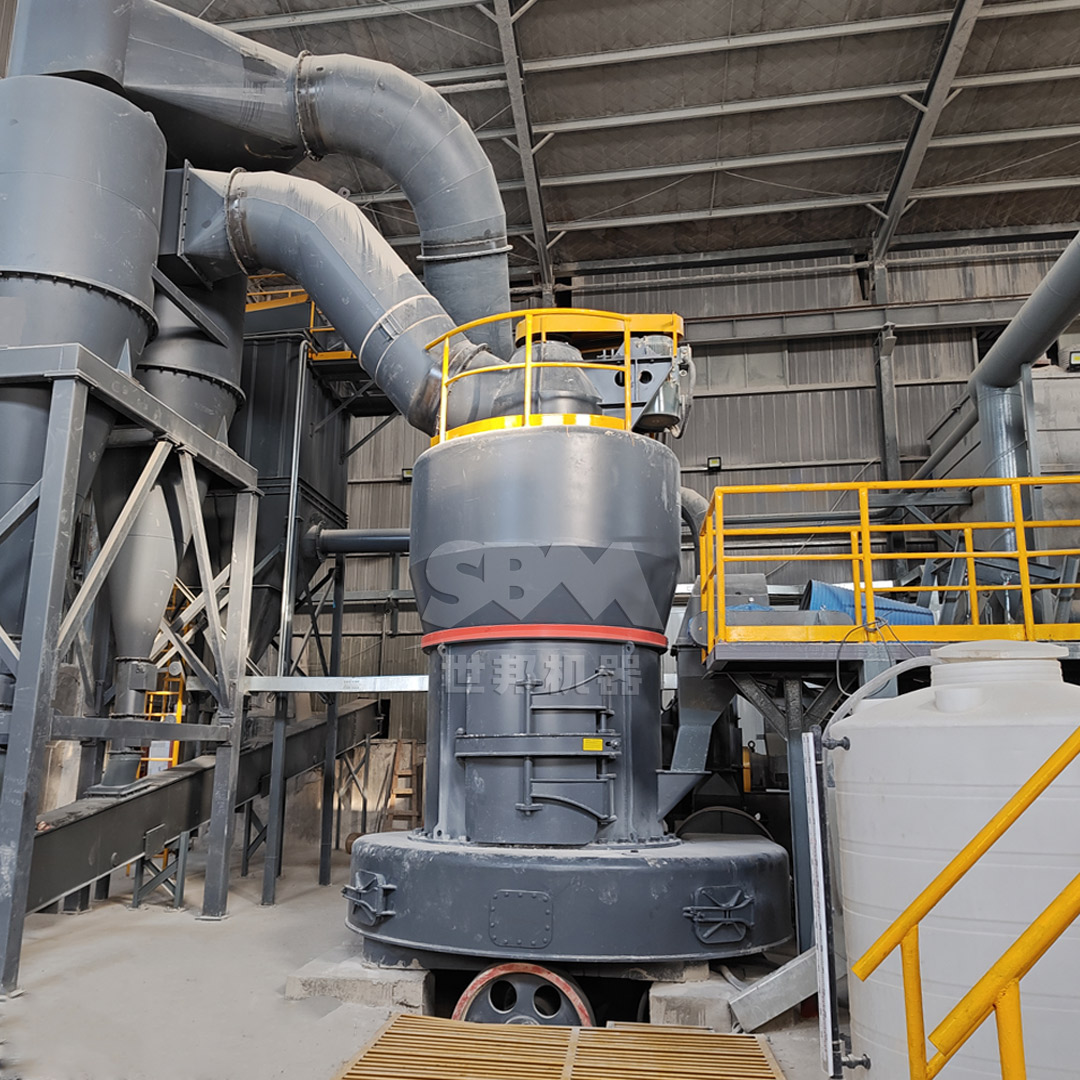
For operations requiring even higher capacity with excellent particle size control in the range of 30-325 mesh, our MTW Series Trapezium Mill offers an optimal balance of performance and economy. The MTW series features innovative design elements including curved air ducts that minimize flow resistance, combined shovel blades that reduce maintenance costs, and integral cone gear transmission with efficiency up to 98%. With capacities ranging from 3 to 45 tons per hour, these mills are ideally suited for large-scale industrial applications where reliability and low operating costs are paramount.
Applications and Material Compatibility
Mineral Processing
The 4R Raymond Mill is extensively used in mineral processing applications for grinding non-metallic minerals such as limestone, calcite, dolomite, barite, talc, and gypsum. The mill’s ability to produce controlled particle sizes makes it ideal for preparing mineral fillers and extenders for various industrial applications. The robust construction allows for processing minerals with moderate to high abrasiveness while maintaining consistent product quality.
Chemical Industry
In the chemical industry, 4R Raymond Mills process a wide range of materials including pigments, dyes, pesticides, and various chemical intermediates. The closed-system design prevents contamination and minimizes dust emissions, meeting the stringent cleanliness requirements of chemical manufacturing facilities. The precise particle size control enables chemical manufacturers to optimize product performance characteristics influenced by particle size distribution.
Operational Considerations
Maintenance Requirements
Proper maintenance is essential for maximizing the service life and performance of a 4R Raymond Mill. Regular inspection and replacement of wear components – particularly grinding rollers and rings – ensures consistent grinding efficiency and product quality. The lubrication system requires periodic monitoring and servicing to prevent premature bearing failure. Modern mills often incorporate automated lubrication systems and condition monitoring technology to simplify maintenance and prevent unscheduled downtime.
Energy Consumption Optimization
Energy efficiency is a critical consideration in mill operation, with grinding typically representing a significant portion of total processing costs. Several strategies can optimize energy consumption in 4R Raymond Mills, including maintaining optimal material feed rates, ensuring proper classifier operation, and keeping wear components in good condition. Advanced control systems can automatically adjust operational parameters in response to changing material characteristics, maximizing efficiency across varying operating conditions.
Conclusion
The 4R Raymond Mill represents a mature yet continuously evolving technology that delivers reliable performance across diverse grinding applications. Its robust construction, operational efficiency, and versatility make it an indispensable tool in mineral processing, chemical manufacturing, and various other industries requiring precise particle size reduction. While traditional in concept, modern 4R mills incorporate advanced materials, precision engineering, and automated control systems that maximize productivity while minimizing operational costs.
For operations requiring specialized grinding solutions, our comprehensive product range includes advanced mills tailored to specific application requirements. The SCM Ultrafine Mill delivers exceptional performance for ultra-fine grinding applications, while the MTW Series Trapezium Mill provides high-capacity grinding with excellent efficiency. By selecting the appropriate grinding technology for specific material characteristics and production requirements, operators can optimize their processes for maximum profitability and product quality.