Can Vertical Roller Mills Be Used for Sand Making?
Introduction
The construction and mining industries are constantly seeking more efficient and versatile equipment for material processing. One question that frequently arises is whether vertical roller mills (VRMs), traditionally used for grinding raw materials, cement, and coal, can be effectively employed for sand making applications. This comprehensive analysis explores the technical feasibility, operational considerations, and specific VRM configurations suitable for manufactured sand production.
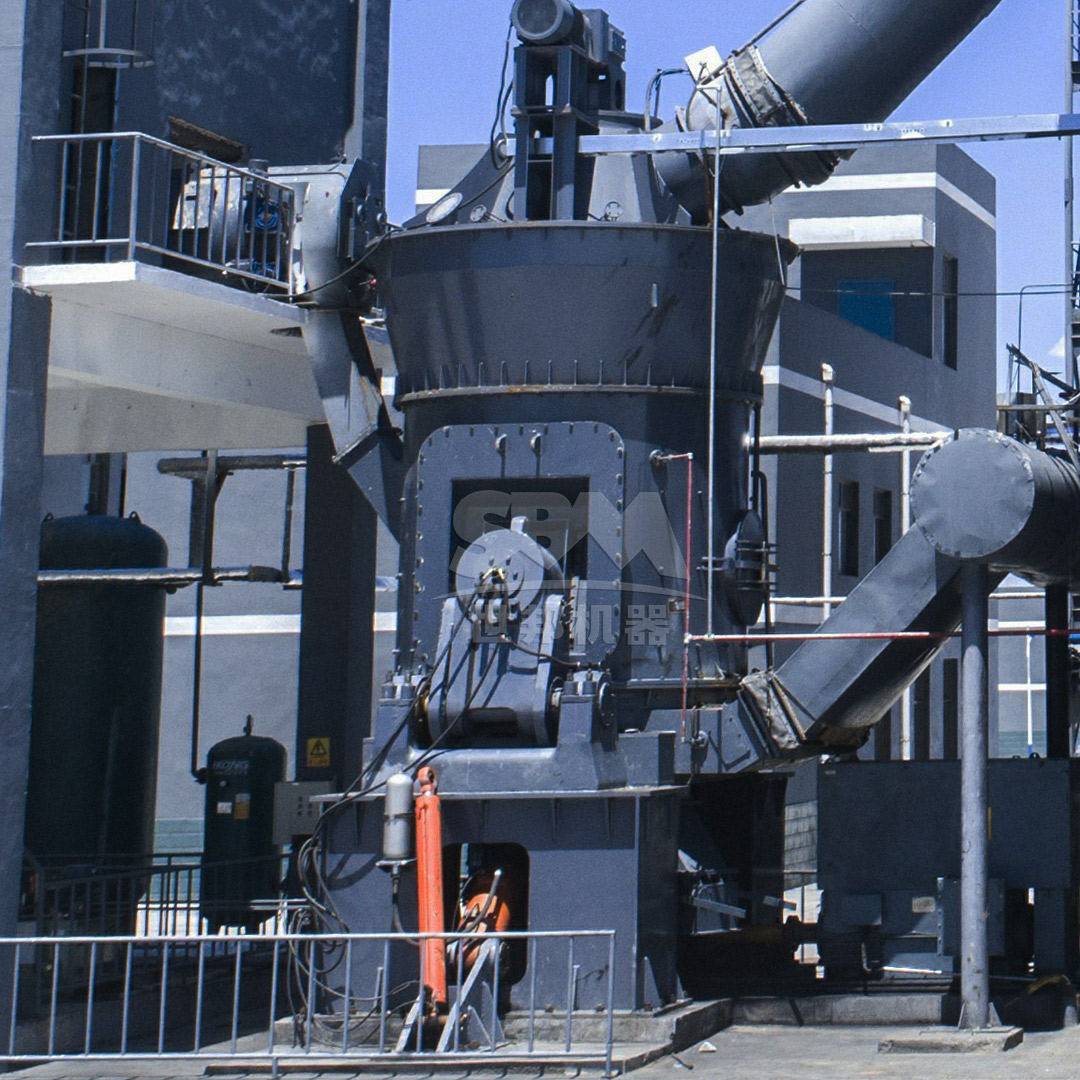
Understanding Vertical Roller Mill Technology
Vertical roller mills operate on the principle of bed compression grinding, where material is ground between a rotating table and rollers under hydraulic pressure. The fundamental components include a grinding table, grinding rollers, a classifier, and a drive system. Material fed into the mill is ground between the rollers and table, with the ground product transported by air to the classifier where oversize particles are separated and returned for further grinding.
The versatility of VRMs stems from their ability to handle various feed materials and produce products across a wide fineness range. Modern VRMs incorporate advanced control systems that allow precise adjustment of operational parameters, making them adaptable to different production requirements including sand manufacturing.
Technical Requirements for Sand Production
Manufactured sand must meet specific quality standards to be suitable for construction applications. Key parameters include:
- Particle Size Distribution: Well-graded particles between 150μm and 4.75mm
- Shape Characteristics: Cubical or rounded particles preferred over flaky or elongated shapes
- Fineness Modulus: Typically between 2.3 and 3.1 for concrete applications
- Surface Texture: Controlled surface characteristics for optimal binder adhesion
Traditional sand making equipment like vertical shaft impactors (VSIs) primarily rely on impact breaking, which tends to produce more cubical particles. VRMs, utilizing compression grinding, can produce sand with different shape characteristics that may be advantageous for certain applications.
VRM Adaptability for Sand Manufacturing
Vertical roller mills can be configured for sand production through several technical adaptations:
Classification System Modifications
The classifier system in a VRM requires specific adjustments for sand production. While standard VRMs typically target finer products, sand production requires effective separation in the coarser size ranges. Modern VRMs equipped with dynamic classifiers capable of handling coarse separations can be effectively used for sand manufacturing.
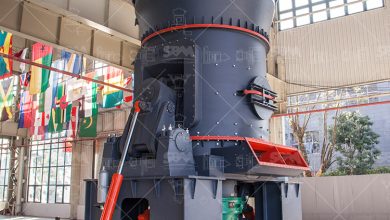
Our LM Series Vertical Roller Mill exemplifies this adaptability with its versatile classification system. With an output range of 30-325 mesh (600-45μm) and capacity up to 250 tons/hour depending on configuration, this mill can be optimized for sand production. The integrated grinding, drying, and classification functions in a single compact unit make it particularly suitable for sand manufacturing plants with space constraints.
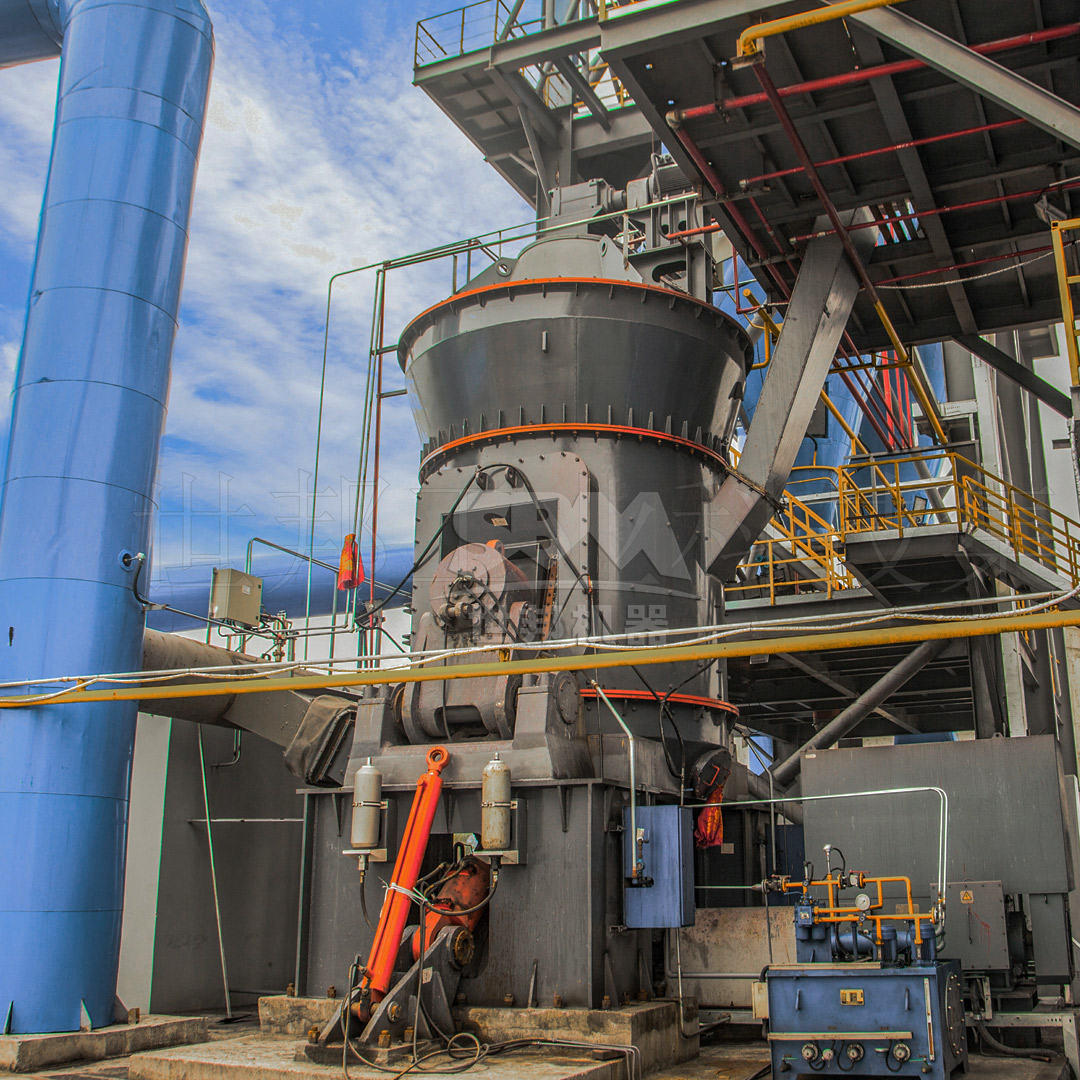
Grinding Element Design
The design of grinding rollers and tables significantly influences the product characteristics in sand production. Specially profiled rollers and table segments can enhance the production of well-shaped particles with desirable surface characteristics. The wear resistance of these components is crucial when processing abrasive materials typically used in sand manufacturing.
Operational Parameter Optimization
Key operational parameters including grinding pressure, table speed, air flow, and classifier speed require careful optimization for sand production. The grinding bed thickness and material retention time must be adjusted to achieve the desired product characteristics while maintaining operational stability.
Advantages of VRMs in Sand Production
Employing vertical roller mills for sand manufacturing offers several distinct advantages:
Energy Efficiency
VRMs typically demonstrate higher energy efficiency compared to traditional sand making equipment, particularly for materials with moderate to high grindability. The bed compression grinding mechanism is more energy-efficient than impact crushing for many materials, potentially reducing operating costs.
Product Quality Control
The integrated classification system in VRMs allows precise control over product gradation. Modern VRMs with advanced control systems can maintain consistent product quality despite variations in feed material characteristics, a significant advantage in sand production where consistent quality is essential.
Versatility and Flexibility
VRMs can process a wide range of feed materials, from relatively soft limestone to harder igneous rocks commonly used in manufactured sand production. This flexibility allows operators to utilize locally available materials while maintaining product quality standards.
Limitations and Challenges
Despite their advantages, VRMs face certain limitations in sand production applications:
Particle Shape Considerations
The compression-dominated breakage mechanism in VRMs tends to produce more fractured surfaces compared to impact crushers. While this can be beneficial for certain applications requiring enhanced binder adhesion, it may not always produce the rounded particle shapes preferred in some concrete applications.
Capacity Considerations
For very high-capacity sand production requirements, traditional sand making equipment may offer advantages in terms of capital cost per ton of capacity. However, for integrated operations requiring multiple products or specific quality requirements, VRMs can be the optimal choice.
Wear Considerations
Processing highly abrasive materials can result in significant wear to grinding elements. However, modern VRMs incorporate advanced wear protection technologies and quick-change systems that minimize downtime for maintenance.
Specialized VRM Solutions for Sand Production
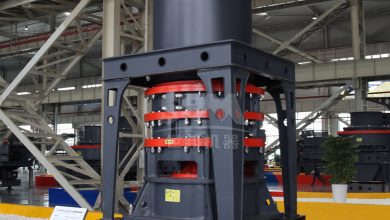
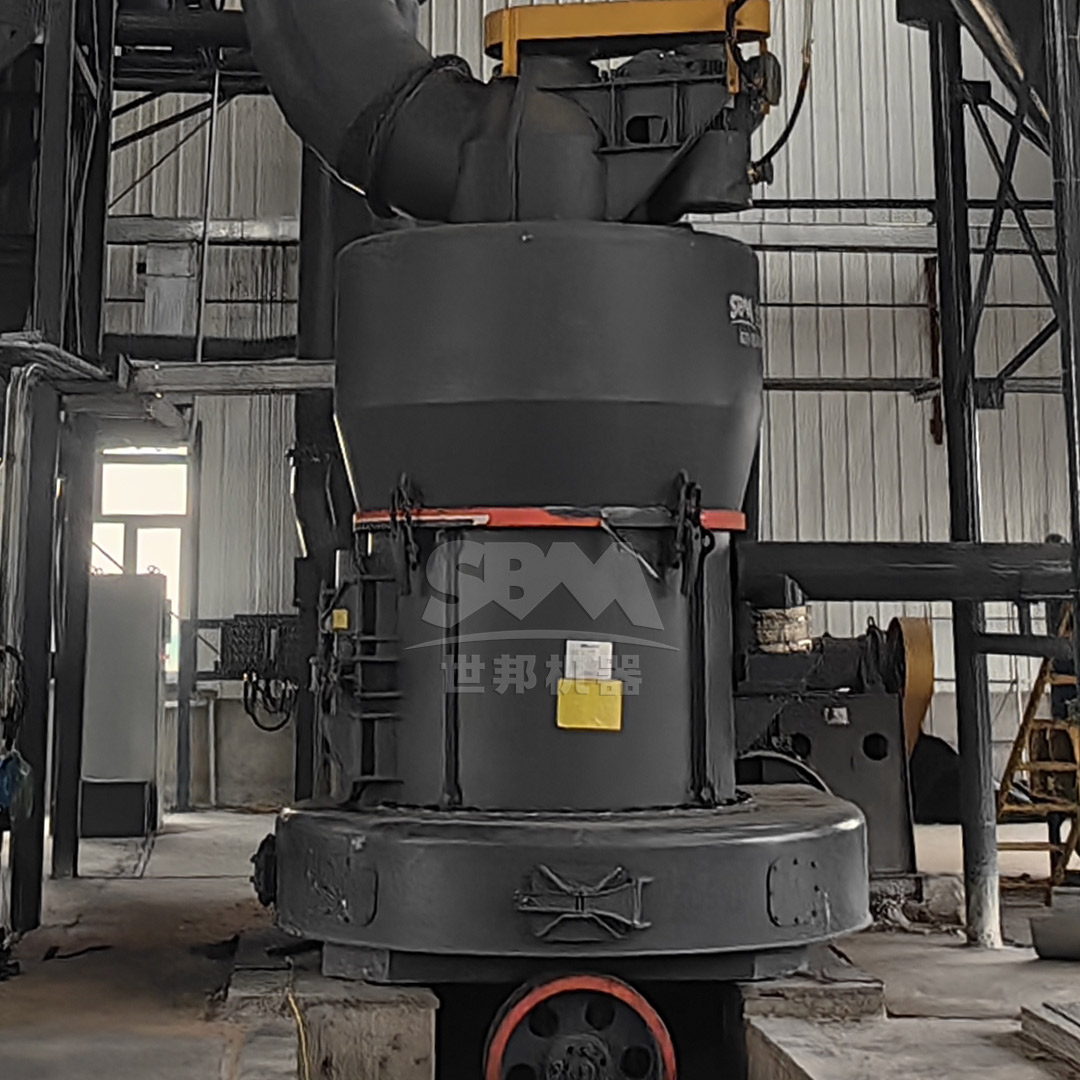
Our company offers specialized VRM configurations optimized for sand production applications. The MTW Series Trapezium Mill represents an excellent solution with its robust construction and adaptable classification system. With input size capability up to 50mm and output range of 30-325 mesh, this mill can be precisely configured for sand production requirements.
The MTW Series incorporates several technological advantages particularly beneficial for sand manufacturing:
- Anti-wear Shovel Design: Combined shovel blades reduce maintenance costs while curved design extends roller life
- Optimized Air Channel: Curved air channel design reduces energy loss with high-strength guard plates protecting working surfaces
- Integrated Bevel Gear Transmission: 98% transmission efficiency with space-saving design reducing installation costs
- Wear-resistant Volute Structure: Non-blocking design improves air classification efficiency while reducing maintenance costs by 30%
With capacity ranging from 3-45 tons/hour depending on model selection, the MTW Series offers scalability for various production requirements. The integrated grinding and classification system ensures consistent product quality while the robust construction minimizes maintenance requirements.
Operational Best Practices
Successful implementation of VRMs for sand production requires attention to several operational aspects:
Feed Material Preparation
Proper feed preparation is essential for optimal VRM operation in sand production. Feed material should be properly sized and consistent in characteristics to maintain stable operation and product quality. Pre-crushing to the appropriate top size ensures efficient grinding and classification.
System Integration
VRMs for sand production should be integrated with appropriate material handling, drying (if required), and product storage systems. The comprehensive nature of VRM operations necessitates careful planning of auxiliary systems to maximize overall plant efficiency.
Process Control Strategy
Advanced process control strategies leveraging the inherent flexibility of VRMs can optimize sand production operations. Modern control systems can automatically adjust operational parameters to maintain product quality while maximizing energy efficiency.
Case Study: Successful VRM Implementation for Sand Production
A recent installation of our LM Series Vertical Roller Mill for manufactured sand production demonstrates the viability of this approach. The operation processes basalt feed material to produce sand meeting ASTM C33 requirements for concrete production. Key performance indicators include:
- Production rate: 85 tons/hour of manufactured sand
- Power consumption: 14.5 kWh/ton
- Product quality: Consistent fineness modulus of 2.8 with optimal particle shape distribution
- Wear component life: 4,500 operating hours between roller rebuilds
This installation highlights how properly configured VRMs can effectively compete with traditional sand making technologies while offering additional benefits in terms of product quality control and operational flexibility.
Future Developments
The application of VRM technology for sand production continues to evolve with several promising developments:
Advanced Classification Systems
New classifier designs specifically optimized for coarse separation applications are enhancing the suitability of VRMs for sand production. These systems provide sharper separations in the sand size range while maintaining operational flexibility.
Digitalization and Smart Operation
Integration of digital technologies including advanced sensors, data analytics, and artificial intelligence is transforming VRM operation. These technologies enable predictive maintenance, optimized operation, and remote monitoring capabilities that enhance the economic viability of VRMs for sand production.
Hybrid Systems
Combining VRMs with other processing equipment in hybrid configurations can leverage the strengths of different technologies. For example, using a VSI for initial shaping followed by a VRM for final sizing and quality control can produce sand with optimal characteristics for specific applications.
Conclusion
Vertical roller mills represent a viable and increasingly attractive option for manufactured sand production. While traditionally associated with finer grinding applications, modern VRMs with appropriate configurations can effectively produce high-quality sand meeting industry specifications. The energy efficiency, product quality control, and operational flexibility of VRMs offer significant advantages in many applications.
Our LM Series Vertical Roller Mill and MTW Series Trapezium Mill provide excellent platforms for sand production with their robust construction, adaptable classification systems, and proven performance in demanding applications. As the industry continues to seek more efficient and sustainable production methods, VRM technology for sand manufacturing represents an important development with significant potential for future growth.
The decision to employ VRMs for sand production should be based on comprehensive technical and economic evaluation considering specific feed material characteristics, product requirements, and operational constraints. With proper application engineering and system design, VRMs can deliver outstanding performance in sand manufacturing applications while providing operational benefits beyond traditional sand making technologies.