How to Process Attapulgite Clay: A Complete Guide
Introduction to Attapulgite Clay Processing
Attapulgite clay, also known as palygorskite, is a magnesium aluminum phyllosilicate mineral with a unique fibrous structure that gives it exceptional adsorption, colloidal, and catalytic properties. This versatile mineral finds applications across numerous industries including oil and gas drilling, agriculture, pharmaceuticals, construction, and environmental remediation. The processing of attapulgite clay requires specialized equipment and techniques to preserve its valuable structural characteristics while achieving the desired particle size distribution and purity levels.

This comprehensive guide covers the complete processing workflow from raw material extraction to final product packaging, with particular emphasis on the critical grinding and classification stages that determine the final product quality and performance characteristics.
Raw Material Preparation and Beneficiation
Mining and Primary Crushing
Attapulgite clay deposits are typically extracted through open-pit mining operations. The raw material varies significantly in moisture content (typically 15-30%) and often contains impurities such as quartz, calcite, and other clay minerals. After extraction, the clay undergoes primary crushing to reduce the particle size to manageable dimensions for further processing.
For primary crushing applications, our Hammer Mill series provides an optimal solution with its high reduction ratio and ability to handle moist materials. The hammer mill’s robust construction and adjustable grinding chamber allow for efficient size reduction of raw attapulgite from feed sizes up to 40mm down to 0-3mm, preparing the material for subsequent drying and fine grinding operations.
Drying and Purification
Moisture reduction is critical for efficient grinding and to prevent clogging in milling equipment. Rotary dryers are commonly employed, operating at temperatures between 200-400°C to reduce moisture content to optimal levels of 2-5%. Following drying, purification processes may include air classification, magnetic separation, or chemical treatment to remove impurities and enhance the clay’s natural properties.
Fine Grinding Technologies for Attapulgite
Medium-Fine Grinding (45-325 mesh)
For applications requiring medium to fine particle sizes (45-325 mesh/300-45μm), such as carrier applications in pesticides and fertilizers, attapulgite clay benefits from equipment that can handle its fibrous structure without destroying its unique crystal morphology.
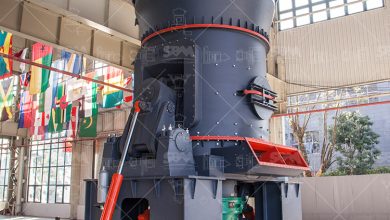
Our MTW Series Trapezium Mill represents an excellent choice for this processing stage. With its advanced curved air duct design and combined blade technology, the MTW mill efficiently processes attapulgite clay with feed sizes up to 50mm, delivering outputs ranging from 30-325 mesh (600-45μm). The mill’s wear-resistant components and efficient transmission system ensure consistent performance with reduced maintenance requirements.
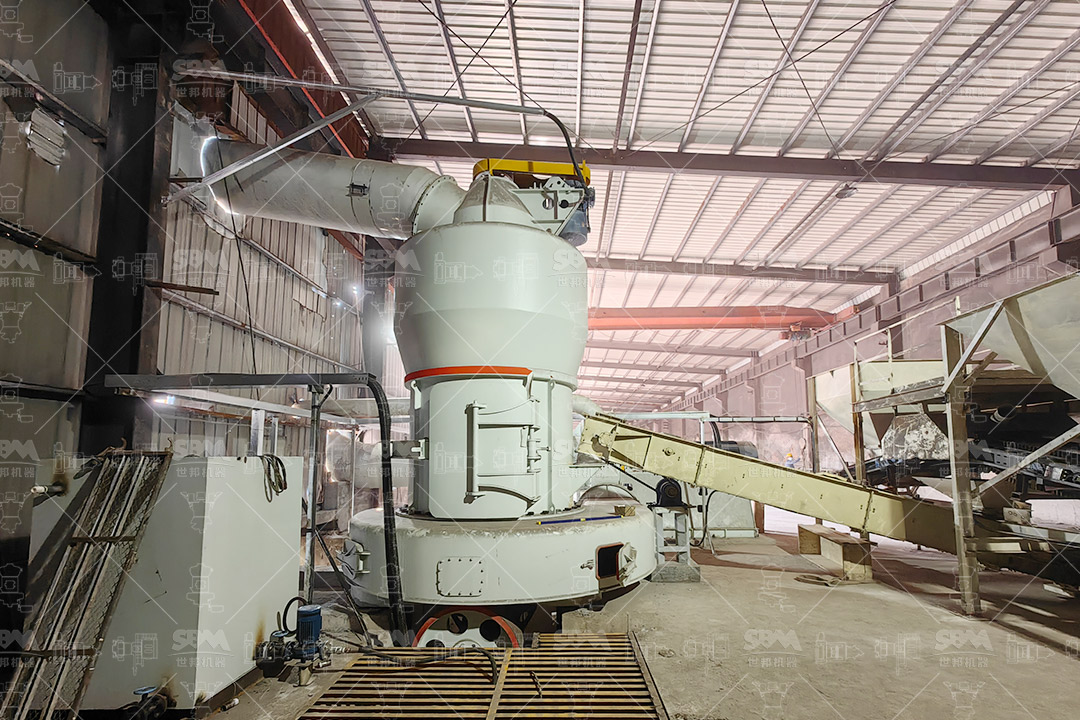
The MTW Series offers multiple configurations to match specific production requirements, with capacities ranging from 3-45 tons per hour depending on the model selected. Key technical advantages include:
- Integrated curved air passage design minimizing air flow resistance
- Bevel gear overall transmission with 98% efficiency
- Combined wear-resistant blade design reducing maintenance costs by 30%
- Advanced pulse dust removal system ensuring environmental compliance
Ultra-Fine Grinding (325-2500 mesh)
High-value applications such as pharmaceuticals, cosmetics, and specialty catalysts demand ultra-fine attapulgite powders with precise particle size distributions. Achieving these specifications requires advanced grinding technology capable of producing particles in the 5-45μm range (325-2500 mesh) while maintaining the structural integrity of the attapulgite fibers.
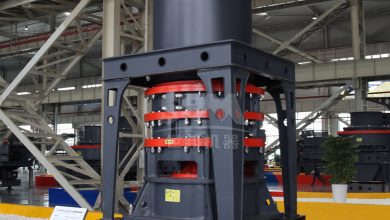
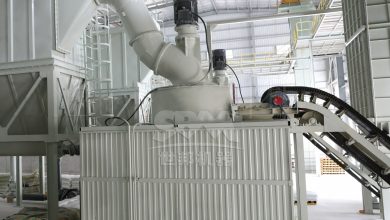
For these demanding applications, our SCM Ultrafine Mill delivers exceptional performance. Specifically engineered for ultra-fine grinding applications, the SCM mill processes attapulgite clay with input sizes up to 20mm, producing outputs ranging from 325-2500 mesh (45-5μm) with remarkable consistency and efficiency.
The SCM series incorporates several technological innovations that make it particularly suitable for attapulgite processing:
- High-precision turbine classification system ensuring accurate particle size cuts
- Energy-efficient design consuming 30% less power compared to conventional jet mills
- Special material roller and grinding ring extending service life
- Pulse dust collection system exceeding international environmental standards
- Noise reduction technology maintaining operational noise below 75dB
With capacity options ranging from 0.5-25 tons per hour across different models, the SCM Ultrafine Mill can be precisely matched to production requirements. The intelligent control system automatically monitors and adjusts operational parameters to maintain consistent product quality, while the modular design facilitates maintenance and wear part replacement.
Classification and Separation
Air Classification Technology
Following the grinding process, precise air classification is essential for achieving the narrow particle size distributions required for premium attapulgite products. Modern classifier designs incorporate multiple rotor systems and adjustable parameters to fine-tune the cut point and efficiency. The integration of grinding and classification in systems like our SCM Ultrafine Mill ensures optimal processing efficiency and product quality.
Surface Modification and Activation
Many high-value applications require surface-modified attapulgite to enhance compatibility with specific matrices or to introduce functional properties. Common modification techniques include acid activation, thermal treatment, and organic surface treatment using silanes or other coupling agents. These processes are typically conducted in specialized reactors following the grinding stage.
Quality Control and Testing
Comprehensive quality control is essential throughout the attapulgite processing workflow. Key parameters monitored include:
- Particle size distribution (laser diffraction analysis)
- Specific surface area (BET method)
- Oil absorption capacity
- Rheological properties
- Chemical composition (XRF analysis)
- Crystal structure preservation (XRD analysis)
Modern processing facilities incorporate automated sampling and analysis systems to ensure consistent product quality and rapid adjustment of process parameters when deviations are detected.
Dust Collection and Environmental Considerations
Attapulgite processing generates significant amounts of fine dust that must be effectively controlled to ensure worker safety and environmental compliance. Advanced pulse-jet baghouse filtration systems with efficiency ratings exceeding 99.9% are standard in modern processing plants. These systems are integrated with the grinding and classification equipment to create closed-loop processing environments that minimize product loss and environmental impact.

Packaging and Storage
The final processing stage involves packaging the attapulgite products according to customer specifications and application requirements. Packaging options range from 25kg paper bags to 1-ton big bags, with specialized options available for sterile pharmaceutical applications. Proper storage conditions, particularly humidity control, are critical to maintaining product quality during warehousing and transportation.
Selecting the Right Equipment for Your Application
Choosing the appropriate grinding equipment for attapulgite processing depends on several factors:
- Required final particle size distribution
- Production capacity requirements
- Moisture content of feed material
- Desired product characteristics (surface area, oil absorption, etc.)
- Available utilities and space constraints
- Capital and operating cost considerations
For operations requiring both medium-fine and ultra-fine grinding capabilities, a combination of our MTW Series Trapezium Mill and SCM Ultrafine Mill provides a comprehensive solution covering the full spectrum of attapulgite products. The modular design of both systems allows for straightforward capacity expansion as market demands evolve.
Conclusion
Proper processing of attapulgite clay requires careful consideration of the entire production chain from raw material preparation to final product packaging. The selection of appropriate grinding technology is particularly critical, as it directly impacts product performance, production efficiency, and operational costs. Modern grinding systems like our SCM Ultrafine Mill and MTW Series Trapezium Mill incorporate advanced features that address the specific challenges of attapulgite processing, delivering consistent product quality while optimizing energy consumption and minimizing environmental impact.
As market demands for high-performance attapulgite products continue to grow, investing in the right processing technology becomes increasingly important for maintaining competitive advantage in this specialized sector.