How Much Does a Calcined Kaolin Grinding Mill Machine Cost?
Introduction to Calcined Kaolin Grinding
Calcined kaolin, also known as metakaolin, is a highly processed form of kaolin clay that has been thermally treated to remove impurities and enhance its properties. This material finds extensive applications in various industries, including paper coating, paints and coatings, plastics, rubber, ceramics, and construction materials. The grinding process is crucial for achieving the desired particle size distribution and surface properties that determine the final product’s performance characteristics.
The cost of a calcined kaolin grinding mill machine varies significantly based on multiple factors, ranging from the specific grinding technology employed to the production capacity requirements and the desired final product specifications. Understanding these variables is essential for making an informed investment decision that balances initial capital expenditure with long-term operational efficiency.
Factors Influencing Grinding Mill Costs
Production Capacity Requirements
The required throughput capacity is one of the most significant factors affecting the cost of a calcined kaolin grinding mill. Machines with higher production capacities naturally command higher prices due to their larger size, more powerful motors, and enhanced structural components. For calcined kaolin processing, production requirements can range from small-scale operations needing just a few hundred kilograms per hour to large industrial plants requiring tens of tons per hour.
When evaluating capacity needs, consider both current requirements and future expansion plans. Investing in a slightly larger capacity machine than currently needed may be more cost-effective than upgrading later. Additionally, the relationship between capacity and cost is not linear – doubling the capacity typically increases the cost by a factor of 1.5 to 1.8, depending on the technology.
Final Product Fineness Specifications
The target particle size distribution significantly impacts equipment selection and cost. Calcined kaolin applications require different fineness levels:
- Paper coating: Typically 80-90% less than 2μm
- Paint and coatings: D90 values ranging from 2-15μm
- Plastics and rubber: Varying from 1-45μm depending on application
- High-performance ceramics: Sub-micron particle sizes
Achieving finer particle sizes requires more sophisticated grinding technology, precision classification systems, and often multiple processing stages, all of which increase equipment costs. For example, moving from a 325 mesh (45μm) product to a 1250 mesh (10μm) product can increase machine costs by 30-50%, while achieving sub-micron particles may double or triple the investment.
Grinding Technology Selection
The choice of grinding technology represents another major cost determinant. Different mill types offer varying efficiency, product quality, and operational characteristics:
- Ball mills: Lower initial cost but higher energy consumption and limited fine grinding capability
- Raymond mills: Moderate cost with reasonable efficiency for coarser products
- Vertical roller mills: Higher initial investment with significantly better energy efficiency
- Ultrafine grinding mills: Premium technology for high-value applications requiring precise particle control
Each technology has different wear part consumption rates, energy efficiency profiles, and maintenance requirements that affect the total cost of ownership beyond the initial purchase price.
Technical Specifications Impacting Equipment Pricing
Motor Power and Energy Efficiency
The motor power rating directly correlates with both the initial equipment cost and long-term operating expenses. Higher power motors increase the purchase price but may offer better energy efficiency through advanced design and control systems. Modern grinding mills incorporate variable frequency drives (VFDs) and intelligent control systems that optimize energy consumption based on feed material characteristics and production requirements.
Energy efficiency has become increasingly important with rising electricity costs worldwide. While high-efficiency motors and drives add 10-20% to the initial equipment cost, they typically reduce energy consumption by 15-30%, resulting in a payback period of 1-3 years depending on local electricity rates and operating hours.
Classification System Complexity
The classification system integrated with the grinding mill significantly affects both equipment performance and cost. Basic cyclones represent the most economical option but offer limited precision in particle size control. Dynamic classifiers with adjustable rotor speeds provide better separation efficiency but increase costs by 15-25%. For ultrafine applications requiring tight particle size distributions, high-efficiency turbo classifiers or air classifiers may be necessary, adding 30-50% to the base equipment cost.
The selection of an appropriate classification system depends on the product specifications and the value of achieving consistent quality. For high-value calcined kaolin products where particle size distribution critically impacts performance, the additional investment in advanced classification technology is typically justified.
Recommended Grinding Solutions for Calcined Kaolin
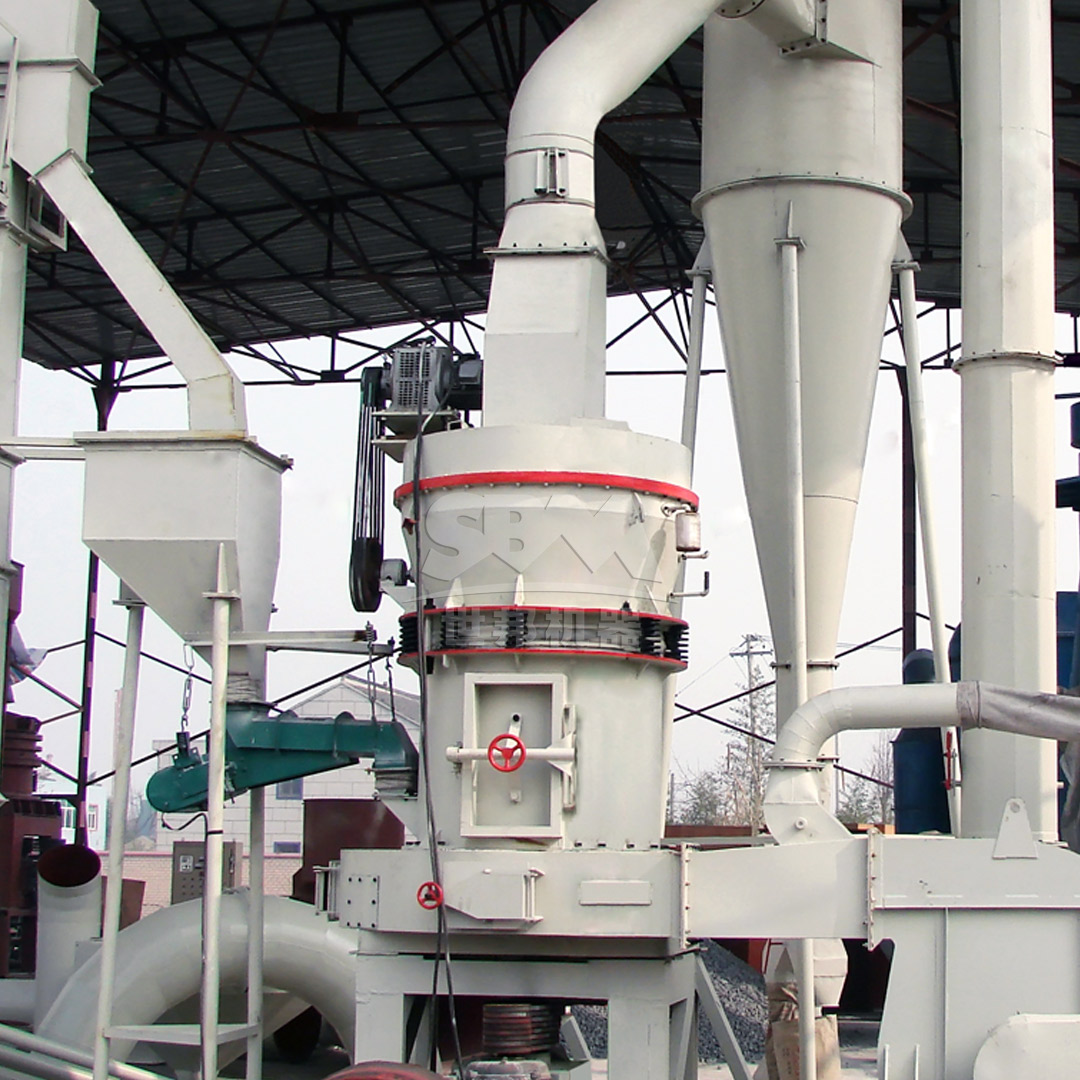
SCM Ultrafine Mill for High-Value Applications
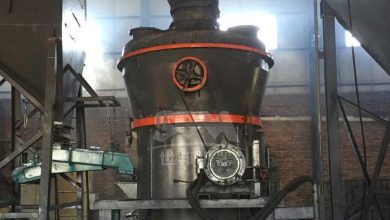
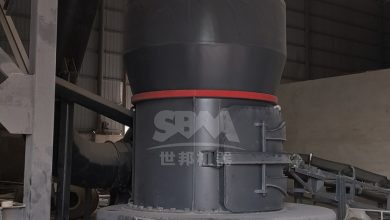
For operations requiring ultrafine calcined kaolin with exceptional whiteness and controlled particle size distribution, our SCM Ultrafine Mill represents the optimal solution. This advanced grinding system delivers outstanding performance with the following key advantages:
- Superior Fineness Control: Capable of producing powder in the range of 325-2500 mesh (45-5μm) with precise D97 control
- High Efficiency: Delivers twice the capacity of jet mills with 30% lower energy consumption
- Advanced Classification: Features a vertical turbine classifier that ensures accurate particle size cuts without coarse powder contamination
- Durable Construction: Special material rollers and grinding rings extend service life multiple times compared to conventional mills
- Environmental Compliance: Pulse dust collection efficiency exceeds international standards with noise levels below 75dB
The SCM series includes multiple models to match different production requirements, from the SCM800 with 0.5-4.5 ton/hour capacity to the SCM1680 handling 5.0-25 tons per hour. This scalability ensures that operations of all sizes can benefit from this advanced technology without overinvesting in excessive capacity.
MTW Series Trapezium Mill for Standard Applications
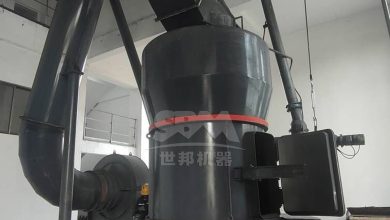
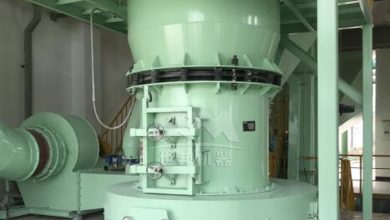
For standard calcined kaolin grinding applications where ultra-fine particles are not required, the MTW Series Trapezium Mill offers an excellent balance of performance and economy. This robust grinding system provides:
- Wide Fineness Range: Produces powder from 30-325 mesh (600-45μm) with the ability to reach 0.038mm
- High Capacity: Processing capabilities from 3-45 tons per hour depending on model selection
- Advanced Design Features: Curved air channel design reduces energy loss and improves transmission efficiency
- Durable Components: Bevel gear overall transmission achieves 98% efficiency with reduced installation costs
- Low Maintenance: Wear-resistant volute structure decreases maintenance costs by 30%
The MTW series includes multiple configurations from the MTW110 with 3-9 ton/hour capacity to the high-capacity MRN218 handling 15-45 tons per hour. This range ensures appropriate technology matching for various production scales while maintaining operational efficiency and product quality.
Additional Cost Considerations Beyond Equipment Purchase
Installation and Foundation Requirements
The installation cost for calcined kaolin grinding equipment varies significantly based on the machine type and size. Basic hammer mills or smaller Raymond mills may require minimal foundation work, while large vertical roller mills need substantial concrete foundations and structural support. Installation costs typically range from 15-30% of the equipment purchase price, depending on site conditions and local labor rates.
Proper installation is critical for long-term reliable operation and minimizing vibration-related issues. Many manufacturers offer installation supervision services, which add to the initial cost but ensure correct setup and faster commissioning.
Auxiliary Equipment and System Integration
A complete grinding system requires various auxiliary components beyond the main mill:
- Feed systems including conveyors, feeders, and pre-crushers
- Dust collection systems to maintain clean operation
- Product transport and packaging equipment
- Electrical control systems and power distribution
- Compressed air systems for pneumatic components
These auxiliary systems typically add 40-70% to the base equipment cost. For greenfield projects, the total system cost including all components and installation often ranges from 2-3 times the main equipment price.
Operational and Maintenance Costs
The total cost of ownership extends far beyond the initial investment. Key operational cost factors include:
- Energy consumption: Typically the largest ongoing expense
- Wear part replacement: Grinding elements, classifiers, and liners require periodic replacement
- Maintenance labor: Both routine maintenance and unexpected repairs
- Consumables: Lubricants, filters, and other recurring supplies
Modern grinding mills designed with maintenance optimization in mind may have higher initial costs but significantly reduce long-term operational expenses through extended wear part life, easier accessibility, and advanced monitoring systems that prevent catastrophic failures.
Price Ranges for Different Grinding Technologies
Entry-Level Solutions ($20,000 – $80,000)
Small-scale operations with basic fineness requirements can consider entry-level grinding solutions in the $20,000 to $80,000 range. This category typically includes:
- Small ball mills for coarser grinding applications
- Basic Raymond mills with limited automation
- Hammer mills for preliminary size reduction
- Refurbished equipment with limited warranties
While these solutions offer lower initial investment, they generally have higher operating costs per ton, limited product quality control, and higher maintenance requirements. They suit operations where capital constraints outweigh operational efficiency considerations.
Mid-Range Professional Systems ($80,000 – $300,000)
The majority of commercial calcined kaolin operations fall into the mid-range equipment category, offering a balance of performance, quality, and investment. This range includes:
- Advanced Raymond mills with improved efficiency
- Medium-capacity vertical roller mills
- Basic ultrafine grinding systems
- Completely integrated systems with moderate automation
Equipment in this category typically offers significantly better energy efficiency, more consistent product quality, and reduced maintenance requirements compared to entry-level options. The return on investment generally justifies the higher initial cost through operational savings.
High-Capacity Advanced Systems ($300,000 – $1,500,000+)
Large-scale calcined kaolin production facilities requiring high throughput, precise particle control, and maximum operational efficiency invest in premium grinding systems. This category includes:
- Large vertical roller mills with advanced control systems
- High-capacity ultrafine grinding mills with precision classification
- Fully automated integrated grinding systems
- Custom-engineered solutions for specific applications
While representing a substantial capital investment, these systems deliver the lowest cost per ton through exceptional energy efficiency, minimal downtime, and consistent production of high-value products. The payback period typically ranges from 2-5 years depending on production volume and product value.
Making the Right Investment Decision
Selecting the appropriate calcined kaolin grinding mill requires careful consideration of both technical requirements and economic factors. While initial equipment cost is important, the total cost of ownership over the equipment’s operational life provides a more accurate picture of investment value.
Operations focused on standard calcined kaolin products with moderate fineness requirements will find excellent value in our MTW Series Trapezium Mill, which balances performance with economy. For producers targeting high-value markets requiring ultrafine particles with tight size distribution, the SCM Ultrafine Mill delivers unmatched performance despite its higher initial investment.
Ultimately, the right choice depends on specific production requirements, product specifications, operational priorities, and financial considerations. Consulting with grinding experts and conducting thorough technical and economic evaluations ensures selection of the optimal equipment that maximizes return on investment while meeting all technical requirements.