How Much Does a 200 Mesh Calcite Grinding Mill Cost?
Introduction
Calcite, a naturally occurring calcium carbonate mineral, is widely used in industries such as plastics, paints, rubber, and paper. Achieving a consistent 200-mesh (approximately 74 microns) particle size is crucial for many applications. The cost of a calcite grinding mill depends on several factors, including the mill type, capacity, energy efficiency, and additional features. This article provides a comprehensive analysis of the key considerations and cost drivers for 200-mesh calcite grinding mills, along with recommendations for optimal equipment selection.
Understanding 200 Mesh Grinding Requirements
Grinding calcite to 200 mesh requires precision and consistency. The mill must handle the material’s moderate hardness (3 on the Mohs scale) and ensure uniform particle distribution. Key factors influencing the grinding process include:
- Feed Size: Larger input sizes may require pre-crushing, adding to the overall cost.
- Moisture Content: High moisture can affect grinding efficiency and may necessitate drying systems.
- Production Capacity: Higher throughput requirements typically involve larger, more expensive mills.
Factors Affecting the Cost of Calcite Grinding Mills
1. Mill Type and Technology
Different mill technologies offer varying levels of efficiency and precision for 200-mesh grinding:
- Raymond Mills: Cost-effective for coarse to medium-fine grinding but may struggle with consistent 200-mesh output.
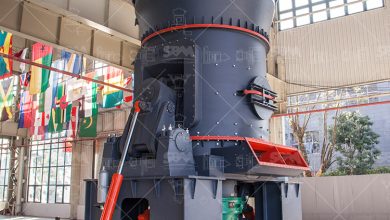
- Vertical Roller Mills: Offer higher energy efficiency and better particle size control.
- Ultrafine Grinding Mills: Provide superior precision for fine and ultrafine applications.
2. Production Capacity
The required throughput directly impacts the mill size and price. Small-scale operations (1-5 tons/hour) may cost significantly less than large-scale installations (20+ tons/hour).
3. Energy Efficiency
Energy consumption represents a major portion of the operational costs. Mills with advanced grinding mechanisms and intelligent control systems can reduce energy usage by 20-40%.
4. Wear Parts and Maintenance
The quality and durability of grinding elements (rollers, rings, liners) affect both initial cost and long-term maintenance expenses. Premium materials may have higher upfront costs but offer better longevity.
5. Ancillary Equipment
Complete grinding systems often include:
- Feeding systems
- Classifiers
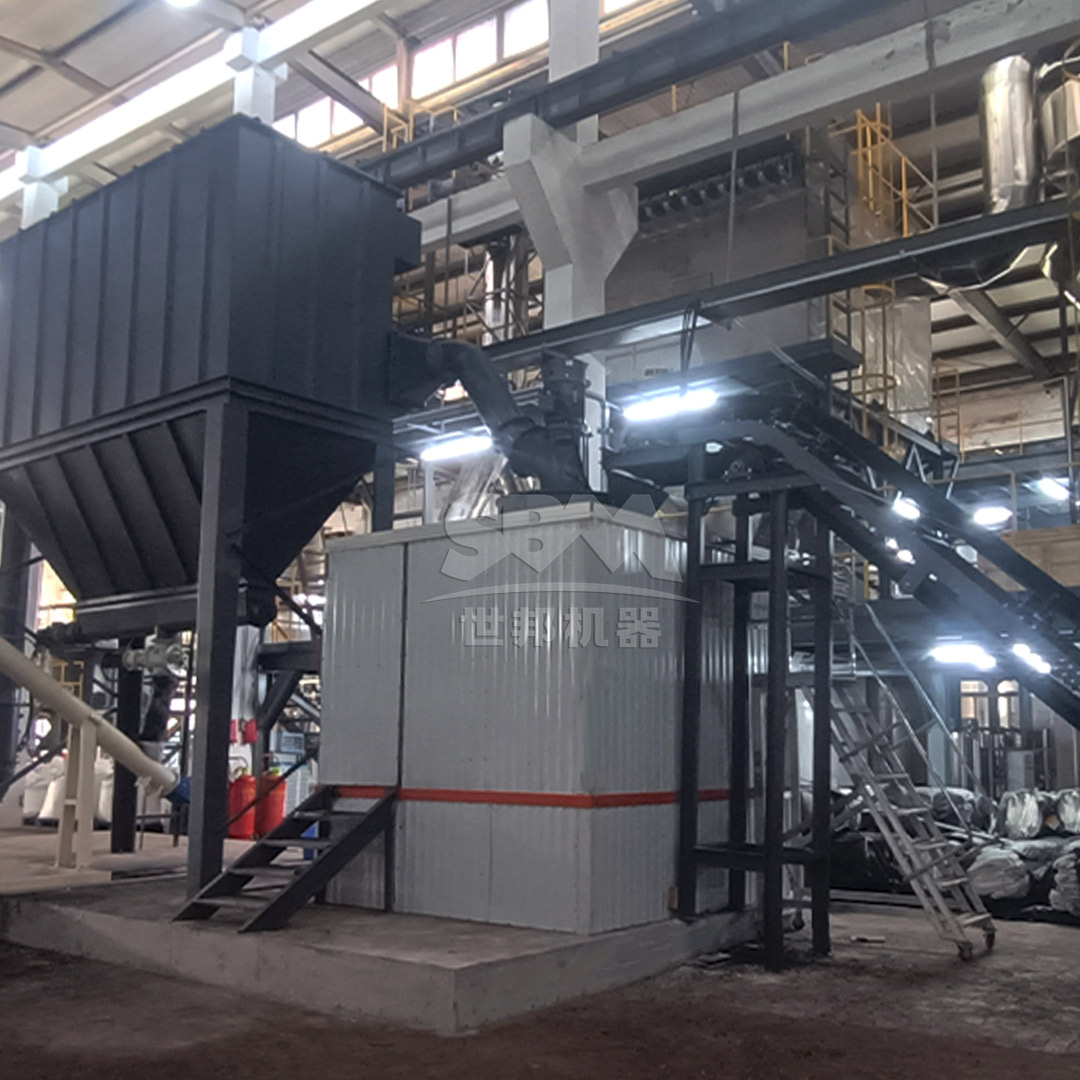
- Dust collection systems
- Automation controls
These components can add 20-40% to the base mill cost.
Recommended Mill for 200 Mesh Calcite Grinding
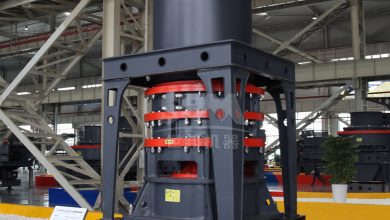
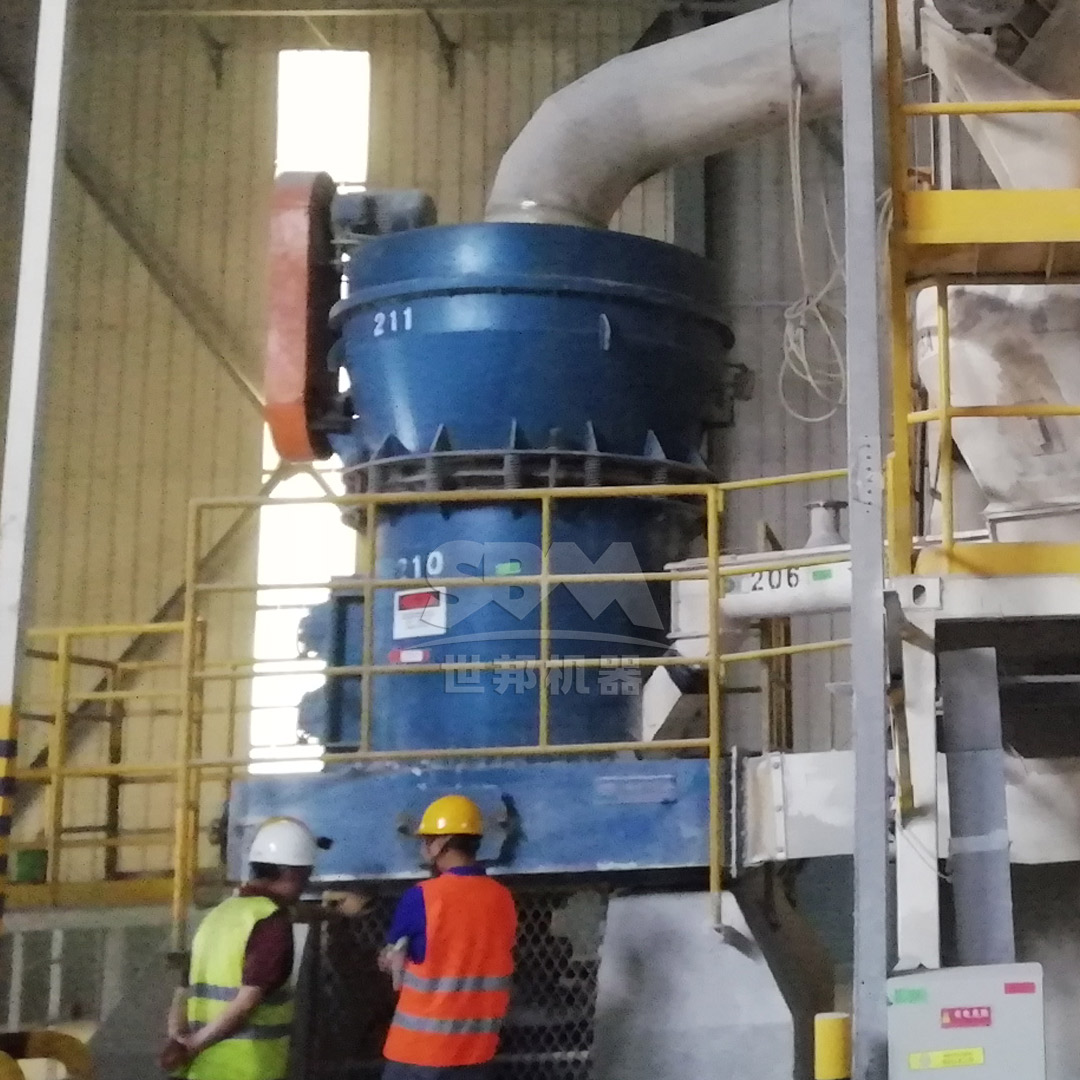
SCM Series Ultrafine Mill (45-5μm)
For consistent 200-mesh calcite grinding with potential for finer applications, we recommend our SCM Series Ultrafine Mill. This mill excels in producing precisely controlled particle sizes from 325 to 2500 mesh, making it ideal for 200-mesh calcite production.
Key Advantages for Calcite Grinding:
- High Precision Classification: Vertical turbine classifiers ensure accurate particle size cut-off at 200 mesh with minimal oversize particles.
- Energy Efficiency: Operates with 30% lower energy consumption compared to jet mills while delivering twice the output capacity.
- Durable Construction: Specially hardened grinding rollers and rings provide extended service life when processing abrasive materials like calcite.
- Environmental Compliance: Integrated pulse dust collection system exceeds international emission standards.
Technical Specifications:
- Input Size: ≤20mm
- Output Fineness: 325-2500 mesh (D97≤5μm)
- Capacity: 0.5-25 tons/hour (model dependent)
- Noise Level: ≤75dB with soundproofing
Model Recommendations for 200 Mesh Calcite:
- SCM800: For small to medium operations (0.5-4.5 tons/hour) with 75kW power
- SCM1000: For medium-scale production (1.0-8.5 tons/hour) with 132kW power
- SCM1250: For larger operations (2.5-14 tons/hour) with 185kW power
Cost Analysis for 200 Mesh Calcite Grinding Mills
Initial Investment
The purchase price for a complete 200-mesh calcite grinding system typically ranges from $50,000 to $500,000+, depending on capacity and configuration. Our SCM series mills offer competitive pricing within this range:
- SCM800: $50,000 – $80,000
- SCM1000: $80,000 – $120,000
- SCM1250: $120,000 – $180,000
Operational Costs
Beyond the initial investment, consider these ongoing expenses:
- Power Consumption: $5-15 per ton of ground calcite
- Wear Parts Replacement: $2-5 per ton
- Maintenance Labor: $1-3 per ton
- Dust Collection System Operation: $0.5-1.5 per ton
Alternative Option: MTW Series Trapezium Mill
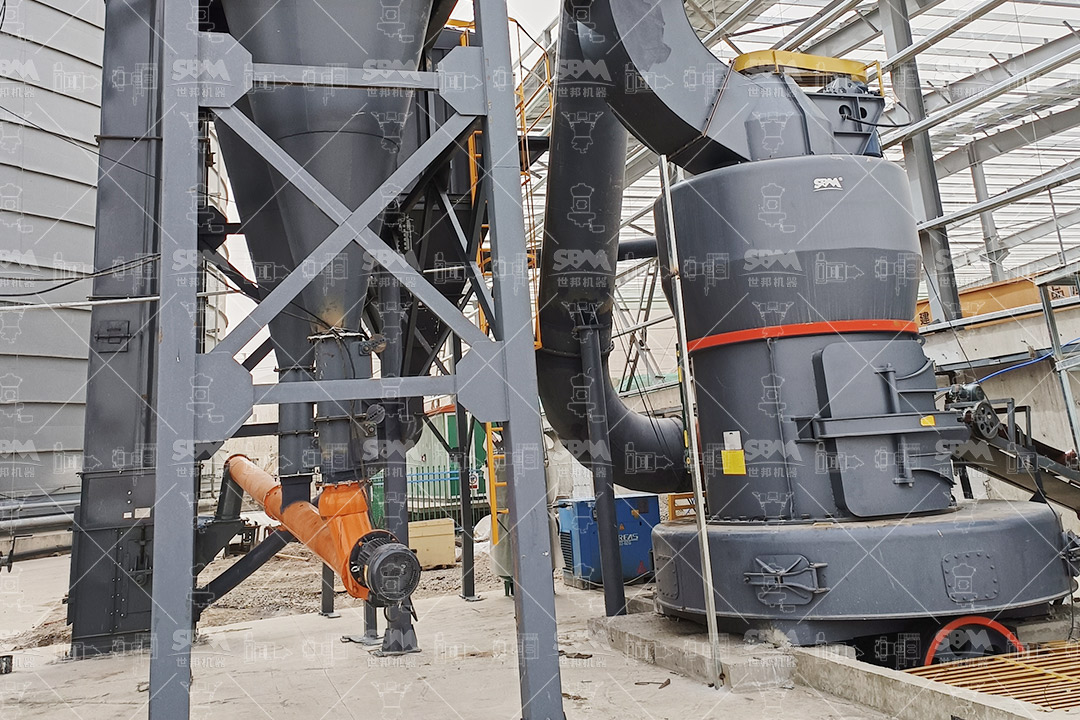
For operations that may require grinding other materials besides calcite or need flexibility in output size, our MTW Series Trapezium Mill provides excellent value. While optimized for 30-325 mesh output, it can efficiently produce 200-mesh calcite with the following advantages:
- Higher Capacity: 3-45 tons/hour depending on model
- Larger Feed Size: Handles input up to 50mm
- Advanced Transmission:\n98% efficiency with integrated gear system
- Reduced Maintenance: Modular wear parts design cuts maintenance costs by 30%
Key Considerations for Mill Selection
Future Expansion
Consider whether your operation might require finer grinding in the future. The SCM Series can produce particles as fine as 5μm (2500 mesh), providing growth potential without equipment replacement.
Space Requirements
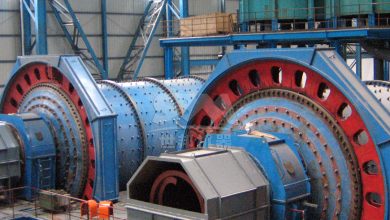
Vertical mills like the SCM series typically have a smaller footprint than traditional ball mills, reducing facility costs.
Automation Level
Advanced control systems can add 10-20% to the initial cost but significantly reduce labor requirements and improve consistency.
Conclusion
Selecting the right grinding mill for 200-mesh calcite involves balancing initial investment with long-term operational costs. Our SCM Series Ultrafine Mill offers an optimal solution for operations requiring precise 200-mesh calcite with energy efficiency, low maintenance, and potential for future expansion into finer grinding applications. For budget-conscious operations with less stringent size distribution requirements, the MTW Series Trapezium Mill provides excellent performance at a lower cost point.
We recommend consulting with our technical team to determine the most cost-effective solution based on your specific production requirements, available utilities, and long-term business objectives. Proper mill selection ensures optimal return on investment through reduced operating costs and consistent product quality.