Can Copper Slag Be Ground into Powder for Artificial Marble Production?
Introduction: The Potential of Copper Slag in Artificial Marble
The artificial marble industry has been continuously evolving, seeking sustainable and cost-effective raw materials to replace natural resources. Copper slag, a byproduct of copper smelting processes, has emerged as a promising candidate for this application. This industrial waste material, when properly processed, can be transformed into high-quality powder suitable for artificial marble production. The key to unlocking this potential lies in advanced grinding technology that can process copper slag into precisely controlled particle sizes.
Copper slag typically contains silica, iron oxide, alumina, and calcium oxide – components that can contribute to the structural integrity and aesthetic properties of artificial marble. However, the hardness and abrasive nature of copper slag present significant challenges for conventional grinding equipment. This article explores the technical feasibility of grinding copper slag for artificial marble and presents optimal solutions for this specialized application.
Technical Requirements for Copper Slag in Artificial Marble
Particle Size Distribution
For artificial marble production, the particle size distribution of filler materials is critical. The ideal powder should have a D97 value between 5-45μm (approximately 325-2500 mesh) to ensure proper resin bonding and surface smoothness. Finer particles (below 5μm) help fill microscopic voids between larger particles, creating a denser composite with improved mechanical properties and better surface finish.
Chemical Composition Considerations
Copper slag must meet specific chemical requirements for artificial marble applications. The iron content should be controlled to prevent discoloration, while silica content contributes to hardness and durability. Proper grinding processes can help liberate and separate different mineral phases, allowing for better control over the final product’s chemical characteristics.
Moisture Content and Processing
The moisture content of ground copper slag powder should be maintained below 1% to ensure compatibility with polyester or acrylic resins used in artificial marble production. This requires integrated drying systems within the grinding equipment, especially when processing freshly generated slag with higher initial moisture levels.
Grinding Technology Solutions for Copper Slag
Challenges in Copper Slag Grinding
Copper slag presents unique challenges due to its high hardness (typically 6-7 Mohs), abrasive nature, and variable composition. Conventional ball mills suffer from high wear rates and inefficient energy utilization when processing such materials. The ideal grinding solution must address these challenges while maintaining consistent product quality and operational efficiency.
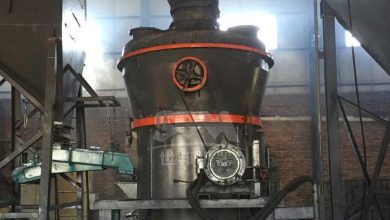
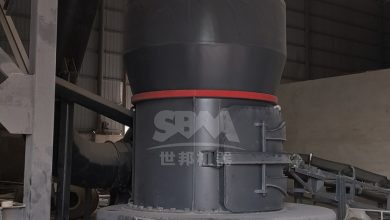
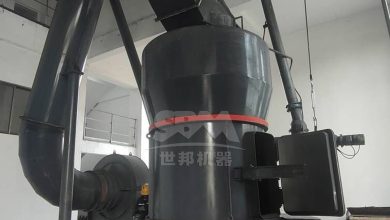
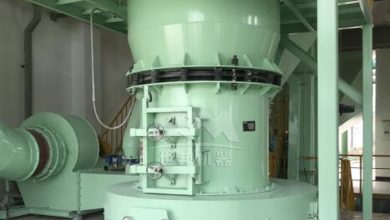
Recommended Solution: SCM Ultrafine Mill for Precision Grinding
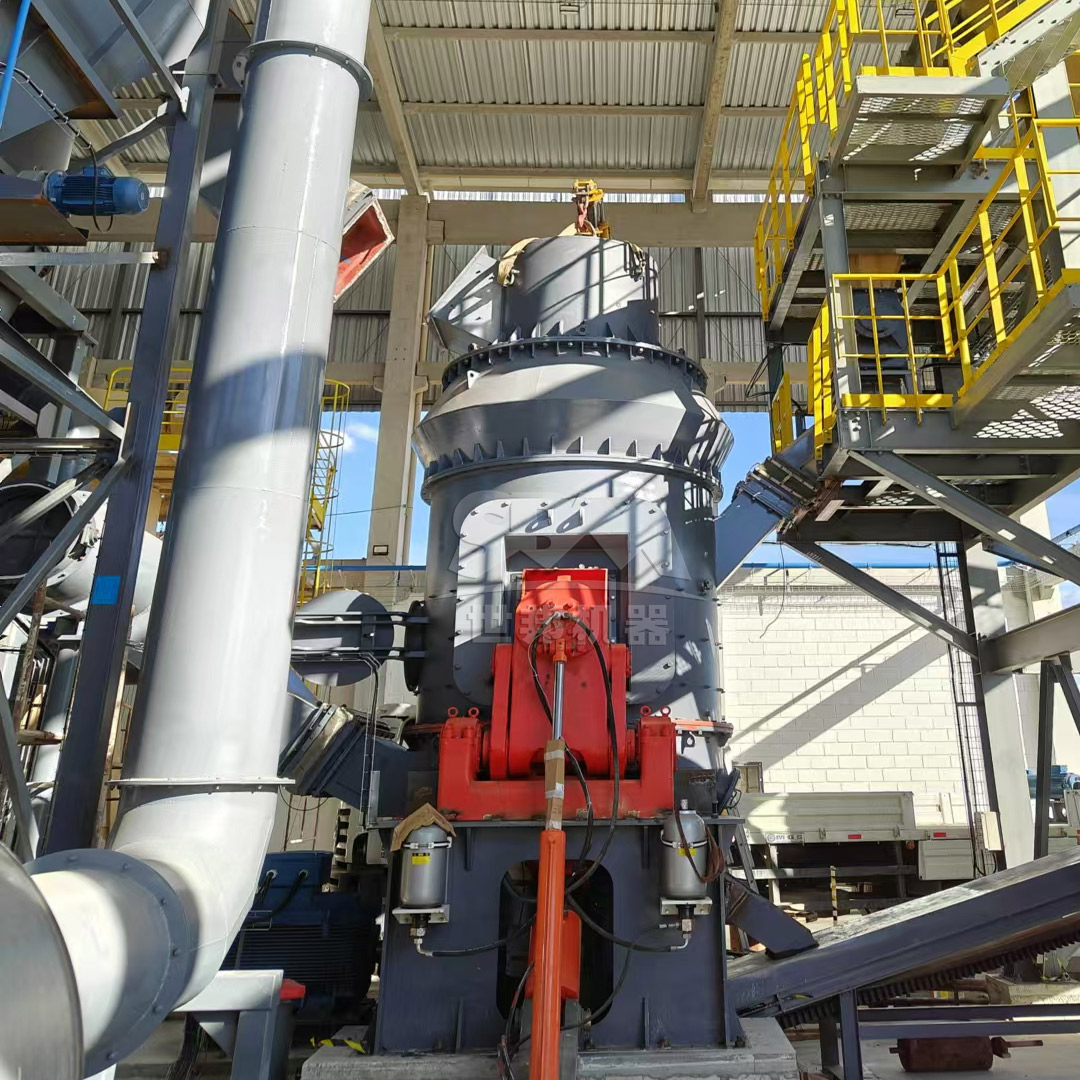
For high-value artificial marble applications requiring ultra-fine copper slag powder, we recommend our SCM Ultrafine Mill series. This advanced grinding system is specifically engineered to handle abrasive materials like copper slag while delivering precise particle size control.
The SCM Ultrafine Mill operates with a unique grinding principle where material is fed into the grinding chamber and subjected to multiple layers of grinding rollers and rings. The vertical turbine classification system ensures that only properly sized particles exit the grinding chamber, while oversize material is returned for further processing. This closed-circuit operation guarantees consistent product quality with D97 values ranging from 5-45μm (325-2500 mesh).
Key advantages of the SCM Ultrafine Mill for copper slag processing include:
- Superior Wear Resistance: Special alloy grinding rollers and rings provide extended service life when processing abrasive copper slag
- Energy Efficiency: 30% lower energy consumption compared to conventional grinding systems
- Precise Particle Control: Advanced classification technology ensures tight particle size distribution
- Integrated Drying: Optional hot air systems can reduce moisture content during grinding
With models ranging from SCM800 (0.5-4.5 ton/h) to SCM1680 (5.0-25 ton/h), the series offers scalable solutions for operations of all sizes. The intelligent control system automatically adjusts operational parameters to maintain consistent product quality despite variations in feed material characteristics.
Alternative Solution: MTW Series Trapezium Mill for Medium-Scale Operations
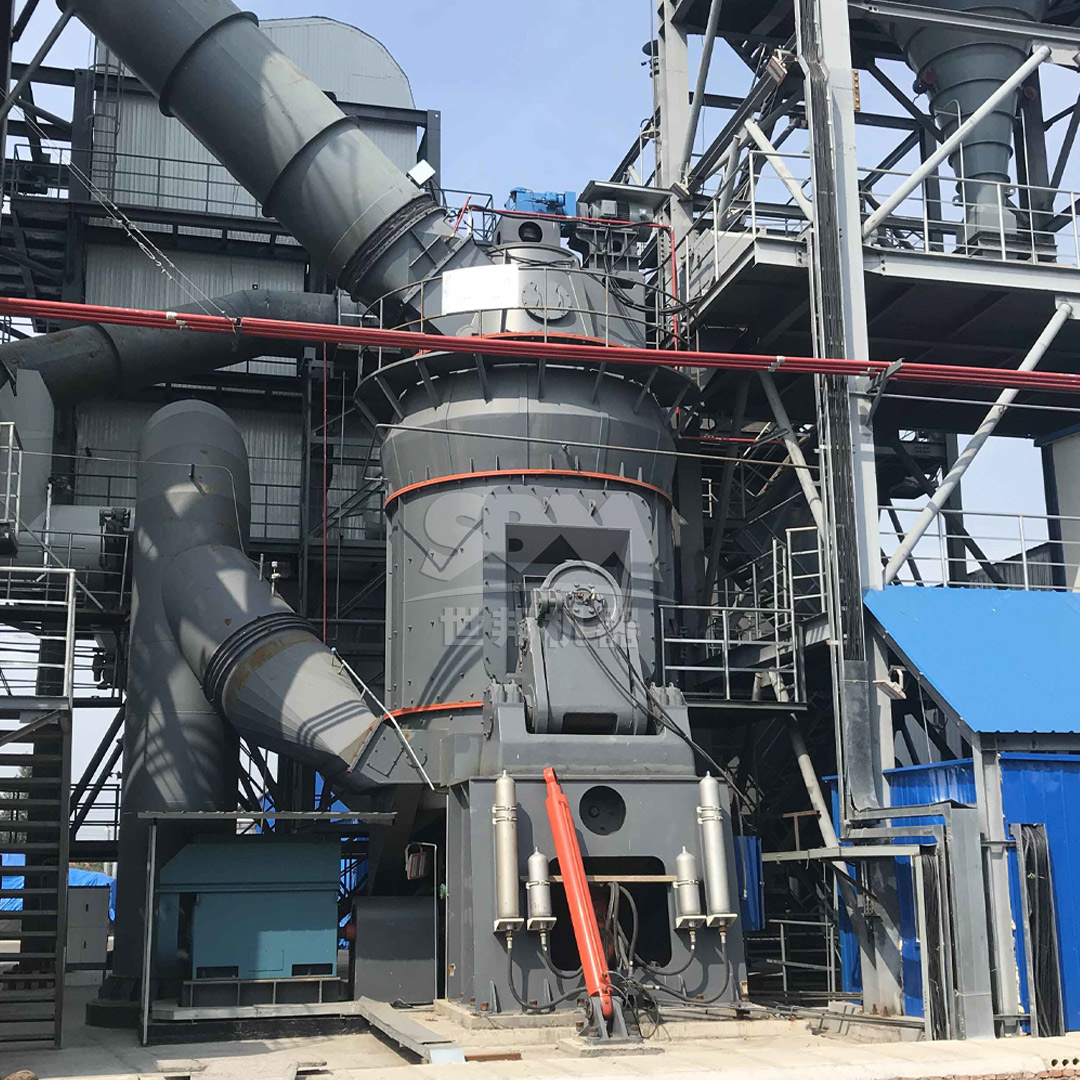
For operations requiring coarser particle sizes (30-325 mesh) or having higher throughput requirements, our MTW Series Trapezium Mill presents an excellent alternative. This robust grinding system combines high capacity with reliable performance when processing copper slag.
The MTW Series features several technological innovations specifically beneficial for copper slag processing:
- Anti-Wear Shovel Design: Combined shovel segments reduce maintenance costs and extend service intervals
- Curved Air Channel Optimization: Reduces air resistance and improves transmission efficiency
- Integrated Bevel Gear Transmission: 98% transmission efficiency with compact footprint
- Durable Housing Structure: No-flow design enhances air classification efficiency
With capacity ranging from 3-45 tons per hour across different models, the MTW Series can handle significant volumes of copper slag while maintaining consistent product quality. The conical gear transmission system provides smooth operation and reduces vibration – particularly important when processing dense materials like copper slag.
Benefits of Using Ground Copper Slag in Artificial Marble
Enhanced Mechanical Properties
Artificial marble incorporating properly ground copper slag demonstrates improved flexural strength, impact resistance, and surface hardness compared to conventional fillers. The angular particle shape of ground slag creates mechanical interlocking within the resin matrix, enhancing overall composite strength.
Aesthetic Advantages
The natural coloration of copper slag – ranging from dark black to reddish-brown – can be leveraged to create unique visual effects in artificial marble. When ground to optimal particle sizes, the material contributes to the stone-like appearance that consumers expect from high-quality artificial marble products.
Sustainability Benefits
Utilizing copper slag in artificial marble production represents a significant step toward circular economy principles in the construction materials industry. This application diverts industrial waste from landfills while reducing the need for virgin quarry materials, resulting in lower environmental impact across the product lifecycle.
Case Study: Implementation in Artificial Marble Production
A leading artificial marble manufacturer in Asia successfully implemented our SCM1000 Ultrafine Mill for processing copper slag. The system processes 8 tons of copper slag per hour, producing powder with D97 of 10μm. The ground slag replaces 40% of the conventional calcium carbonate filler in their artificial marble formulation.
Results after six months of operation include:
- 25% reduction in raw material costs
- 15% improvement in product flexural strength
- Consistent product quality with coefficient of variation below 3%
- Minimal wear part replacement despite the abrasive nature of copper slag
The successful implementation demonstrates the technical and economic viability of using properly ground copper slag in high-quality artificial marble production.
Operational Considerations and Best Practices
Feed Preparation
Copper slag should be pre-crushed to below 20mm before feeding into the grinding system. Magnetic separation is recommended to remove metallic copper particles that could affect both the grinding process and the final product quality.
Moisture Control
While both recommended grinding systems can handle materials with some moisture content, optimal operation requires moisture levels below 8%. For higher moisture content, integrated drying systems or pre-drying operations may be necessary.
Maintenance Protocols
Regular inspection of wear parts is essential when processing abrasive materials like copper slag. The modular design of both recommended grinding systems facilitates quick replacement of critical components, minimizing downtime during maintenance operations.
Conclusion
Copper slag can indeed be effectively ground into powder suitable for artificial marble production when using appropriate grinding technology. The SCM Ultrafine Mill series provides the precision and wear resistance needed for high-value applications requiring ultra-fine powders, while the MTW Series Trapezium Mill offers robust performance for medium-scale operations. Both solutions transform an industrial byproduct into a valuable raw material, supporting sustainable practices in the artificial marble industry while delivering enhanced product performance and reduced production costs.
As the artificial marble industry continues to seek sustainable alternatives to virgin materials, properly processed copper slag represents both an economic opportunity and an environmental solution. With advanced grinding technology, manufacturers can unlock this potential while maintaining the high quality standards expected in today’s competitive market.