Utilization of Paper Mill Sludge as an Alternative Raw Material in Cement Production
Introduction
The cement industry is one of the largest industrial contributors to global carbon emissions, accounting for approximately 8% of total CO2 emissions worldwide. With increasing environmental regulations and sustainability demands, the industry is actively seeking alternative raw materials to reduce its carbon footprint and production costs. Paper mill sludge (PMS), a byproduct of paper manufacturing, has emerged as a promising alternative raw material due to its chemical composition and availability. This article explores the technical feasibility, benefits, and processing requirements for utilizing PMS in cement production.
Chemical Composition and Characteristics of Paper Mill Sludge
Paper mill sludge primarily consists of cellulose fibers, fillers (such as calcium carbonate and kaolin), and residual chemicals from the papermaking process. The chemical composition varies depending on the paper grade and manufacturing process, but typically contains:
- Calcium oxide (CaO): 15-45%
- Silicon dioxide (SiO2): 5-25%
- Aluminum oxide (Al2O3): 3-15%
- Iron oxide (Fe2O3): 0.5-5%
- Loss on ignition (LOI): 25-50%
The high calcium content makes PMS particularly suitable as a raw material substitute for limestone in cement production. Additionally, the organic content contributes to the heating value, potentially reducing fuel consumption during clinker formation.
Processing Requirements for Paper Mill Sludge
Before incorporation into cement production, PMS requires proper processing to meet the stringent quality standards of cement manufacturing. The processing typically involves:
1. Drying and Decomposition
PMS typically contains 40-60% moisture, which must be reduced to below 1% for effective use in cement production. Rotary dryers or flash dryers are commonly employed for this purpose. The drying process also initiates the decomposition of organic compounds, reducing the volatile content.
2. Grinding and Size Reduction
Proper particle size distribution is critical for homogeneous blending and efficient reaction during clinker formation. PMS must be ground to a fineness comparable to traditional raw materials, typically requiring a particle size of 80-90% passing 200 mesh (74μm).
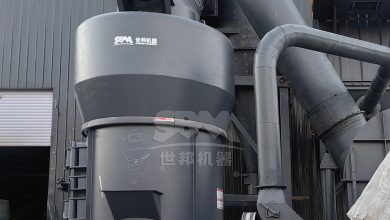
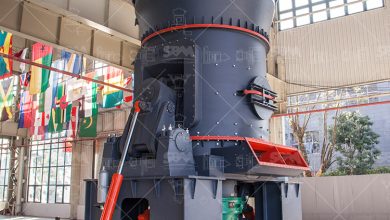
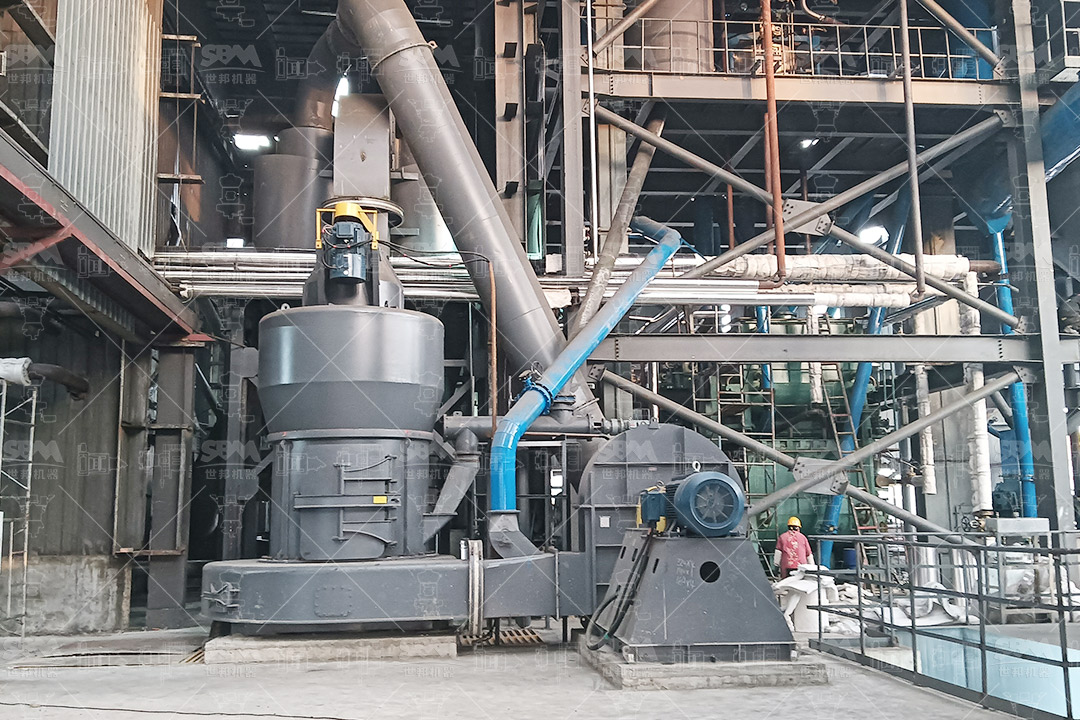
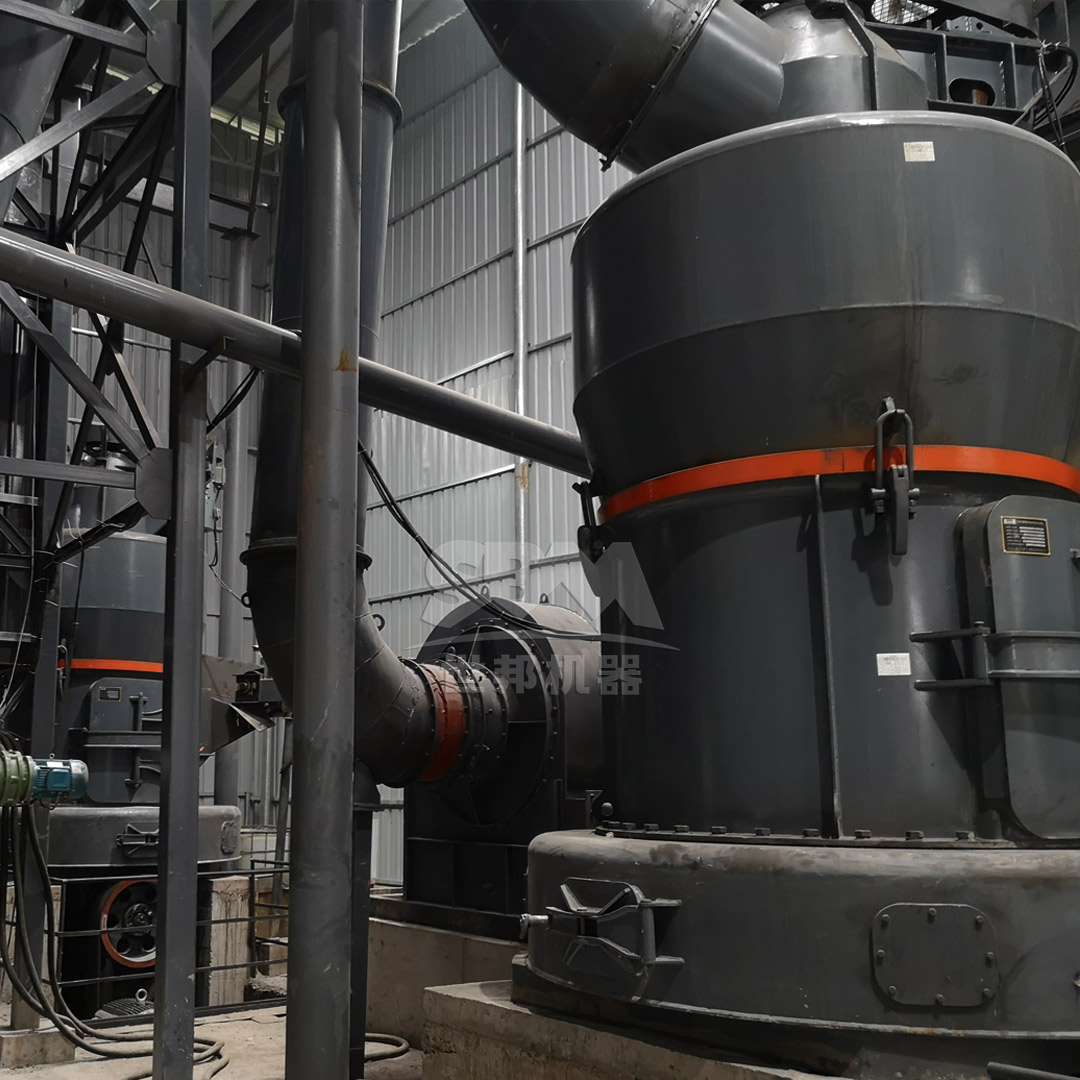
For this application, our MTW Series Trapezium Mill offers an ideal solution. With an input size of ≤50mm and output fineness ranging from 30-325 mesh (600-45μm), this equipment can efficiently process dried PMS to the required specifications. The MTW Series features several technological advantages including anti-wear shovel design, optimized curved air channel, and integrated cone gear transmission with 98% efficiency. The combination of these features ensures consistent product quality while reducing maintenance costs by 30% compared to conventional grinding systems.
3. Blending and Homogenization
Processed PMS must be precisely blended with other raw materials to achieve the target chemical composition for cement production. Computer-controlled proportional feeding systems and homogenization silos ensure consistent raw meal quality.
Technical Benefits in Cement Production
1. Reduced Carbon Emissions
The incorporation of PMS in cement raw meal contributes to significant CO2 reduction through multiple mechanisms:
- Lower calcination requirements due to partial decomposition of calcium carbonate during paper processing
- Reduced fossil fuel consumption from the energy content of organic components
- Avoided emissions from conventional limestone quarrying and processing
2. Energy Efficiency
The organic matter in PMS (15-35% by weight) provides a heating value of 8-15 MJ/kg, partially substituting for fossil fuels in the kiln. This energy recovery can reduce specific fuel consumption by 5-15%, depending on the PMS substitution rate and characteristics.
3. Mineralogical Effects on Clinker Formation
The mineral components in PMS, particularly the fine calcium carbonate and clay minerals, can enhance the burnability of the raw mix. Studies have shown that PMS incorporation can lower the clinker formation temperature by 20-50°C, reducing thermal energy requirements and potentially improving clinker quality.
Quality Control and Performance Considerations
Successful implementation of PMS in cement production requires careful quality control measures:
1. Chemical Consistency
Variations in PMS composition must be managed through:
- Regular chemical analysis of incoming PMS batches
- Advanced blending systems with real-time composition monitoring
- Statistical process control to maintain raw meal uniformity
2. Trace Element Management
PMS may contain trace elements from paper manufacturing processes, particularly heavy metals from inks and coatings. These must be monitored to ensure compliance with environmental regulations and to prevent adverse effects on cement properties.
3. Product Performance Validation
Cement produced with PMS must meet all relevant performance standards. Comprehensive testing should include:
- Compressive strength development at 1, 3, 7, and 28 days
- Setting time and workability characteristics
- Durability indicators including sulfate resistance and chloride penetration
Economic and Environmental Impact Assessment
The utilization of PMS in cement production offers substantial economic and environmental benefits:
1. Cost Reduction
Significant cost savings can be achieved through:
- Reduced raw material costs by substituting traditional limestone and clay
- Lower fuel costs due to the energy content of organic components
- Avoided landfill costs for paper manufacturers
2. Environmental Benefits
Beyond carbon emission reduction, PMS utilization contributes to:
- Conservation of natural resources by reducing limestone quarrying
- Waste minimization through industrial symbiosis
- Reduced landfilling and associated environmental impacts
Advanced Processing Equipment Solutions
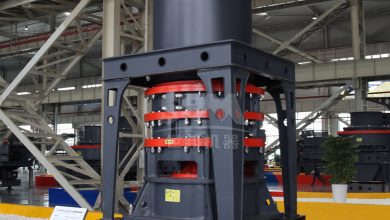
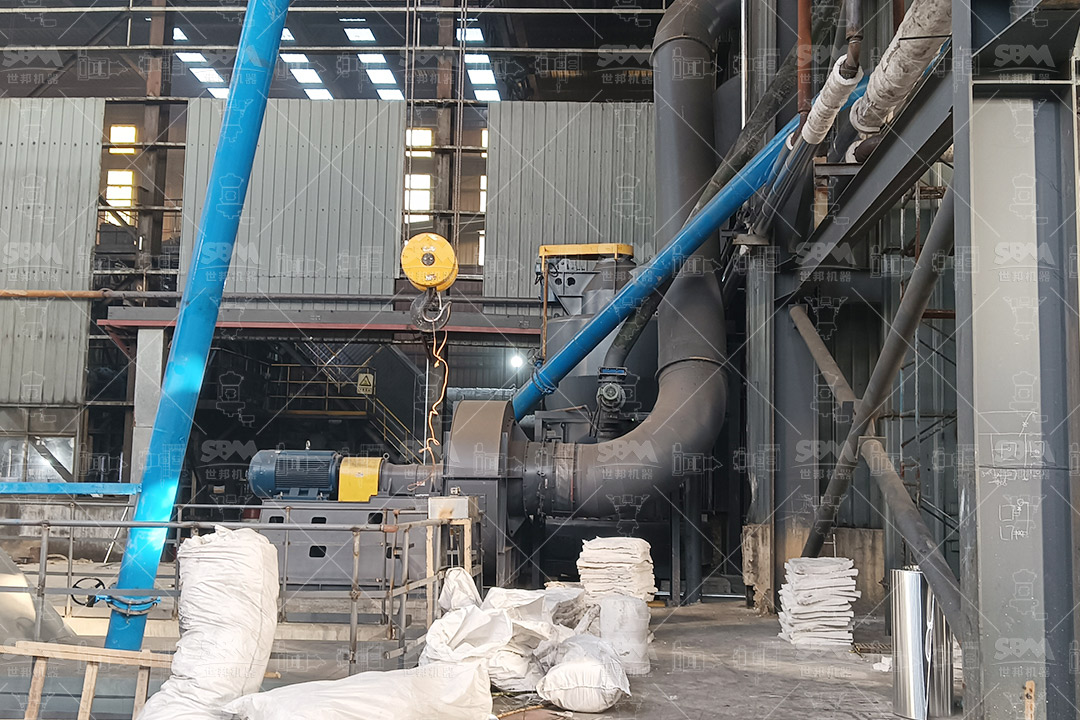
The successful implementation of PMS in cement production requires specialized equipment capable of handling the unique characteristics of this material. For operations requiring ultra-fine grinding to enhance reactivity or for specialized applications, our SCM Series Ultrafine Mill provides exceptional performance. With output fineness ranging from 325-2500 mesh (45-5μm) and processing capacity of 0.5-25 tons per hour, this equipment delivers precise particle size control crucial for optimizing PMS performance in cement applications.
The SCM Ultrafine Mill incorporates several advanced features including high-efficiency classification with vertical turbine classifiers, special material rollers and grinding rings for extended service life, and comprehensive environmental controls with pulse dust collection efficiency exceeding international standards. The intelligent control system automatically monitors and adjusts product fineness, ensuring consistent quality while reducing energy consumption by 30% compared to conventional air-jet mills.
Case Studies and Industrial Implementation
Several cement plants worldwide have successfully implemented PMS utilization programs:
European Cement Plant Integration
A major European cement producer implemented PMS utilization at 8% of raw meal composition, achieving:
- 12% reduction in specific CO2 emissions
- 7% decrease in specific energy consumption
- No adverse effects on clinker quality or cement performance
- Annual cost savings of €850,000 from raw material and fuel substitution
North American Pilot Project
A comprehensive pilot project in North America demonstrated the technical feasibility of PMS utilization rates up to 15%, with optimized processing conditions and proper quality control measures.
Future Perspectives and Research Directions
The utilization of PMS in cement production continues to evolve, with several promising research directions:
1. Process Optimization
Ongoing research focuses on optimizing PMS preparation parameters, including drying conditions, particle size distribution, and blending ratios to maximize technical and economic benefits.
2. Advanced Characterization Techniques
New analytical methods, including in-situ XRD and thermal analysis, provide deeper insights into the reactions during clinker formation with PMS, enabling further process improvements.
3. Integrated Waste Management
Future developments may include integrated processing facilities that combine PMS with other industrial byproducts, creating optimized raw material blends for cement production.
Conclusion
The utilization of paper mill sludge as an alternative raw material in cement production represents a significant opportunity for both industries to enhance sustainability and economic performance. With proper processing and quality control, PMS can be successfully incorporated into cement manufacturing, delivering substantial environmental benefits through waste reduction, lower carbon emissions, and conservation of natural resources. The technical feasibility has been demonstrated across multiple industrial implementations, with proper equipment selection being crucial for optimal results. As the cement industry continues its sustainability transformation, the integration of industrial byproducts like paper mill sludge will play an increasingly important role in achieving environmental targets while maintaining product quality and economic viability.