New Technology and Process for Grinding Ceramic Raw Materials
Introduction
The ceramic industry has undergone significant transformations in recent decades, driven by advancements in raw material processing technologies. The grinding of ceramic raw materials represents a critical stage in manufacturing, directly impacting product quality, energy consumption, and production efficiency. Traditional grinding methods often fall short in meeting the stringent requirements of modern ceramic applications, particularly for high-precision components and specialized products. This article explores the latest technological innovations and processes in ceramic raw material grinding, with a focus on achieving superior particle size distribution, enhanced energy efficiency, and improved operational reliability.
The Importance of Precision Grinding in Ceramics
Ceramic raw materials, including kaolin, feldspar, quartz, and various clay minerals, require precise particle size control to ensure optimal properties in the final product. The grinding process affects multiple aspects of ceramic manufacturing, including:
- Forming Characteristics: Proper particle size distribution improves plasticity and formability
- Sintering Behavior: Uniform particle size promotes consistent densification
- Final Product Properties: Mechanical strength, surface finish, and dimensional stability
- Production Efficiency: Reduced defects and improved yield rates
Traditional ball mills, while reliable, often struggle to achieve the narrow particle size distributions required for advanced ceramic applications. The development of specialized grinding equipment has addressed these limitations through innovative design approaches and advanced control systems.
Advanced Grinding Technologies
Ultra-Fine Grinding Systems
The demand for ultra-fine ceramic powders has driven the development of specialized grinding equipment capable of producing particles in the micrometer and sub-micrometer range. Modern ultra-fine grinding systems incorporate several key technological advancements:
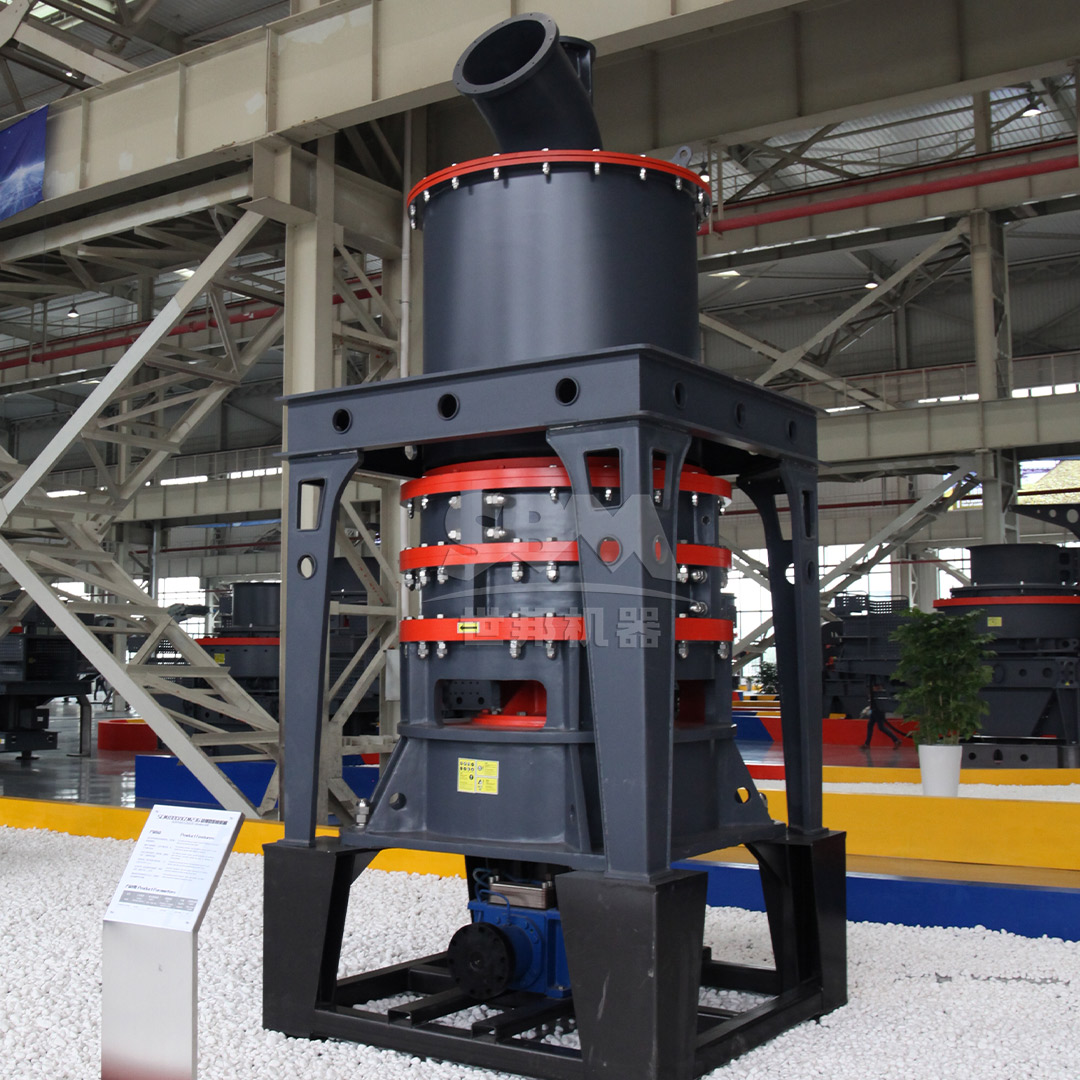
High-efficiency classification systems represent one of the most significant innovations in ceramic grinding. These systems utilize advanced air classification technology to precisely separate particles according to size, ensuring consistent product quality. The integration of intelligent control systems allows for real-time adjustment of operational parameters, maintaining optimal performance despite variations in raw material characteristics.
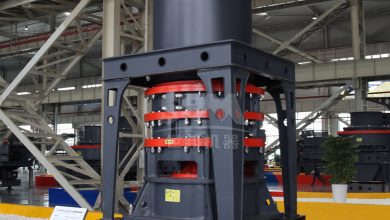
For ceramic manufacturers requiring exceptional fineness and uniformity, the SCM Ultrafine Mill offers outstanding performance characteristics. This advanced grinding system achieves output fineness ranging from 325 to 2500 mesh (D97≤5μm), making it ideal for high-value ceramic applications where precise particle size control is critical. The mill’s vertical turbine classifier ensures accurate particle size separation, while its unique grinding chamber design provides stable operation and extended component life. With capacity ranging from 0.5 to 25 tons per hour depending on model specifications, the SCM series represents a significant advancement in ultra-fine grinding technology for ceramic raw materials.
Vertical Roller Mill Technology
Vertical roller mills have revolutionized the grinding of ceramic raw materials by offering superior energy efficiency and compact design. These systems integrate multiple processing stages – including grinding, drying, and classification – within a single unit, reducing both footprint and energy consumption. Modern vertical mills feature advanced grinding roller designs, improved wear protection, and sophisticated control systems that optimize performance across varying material conditions.
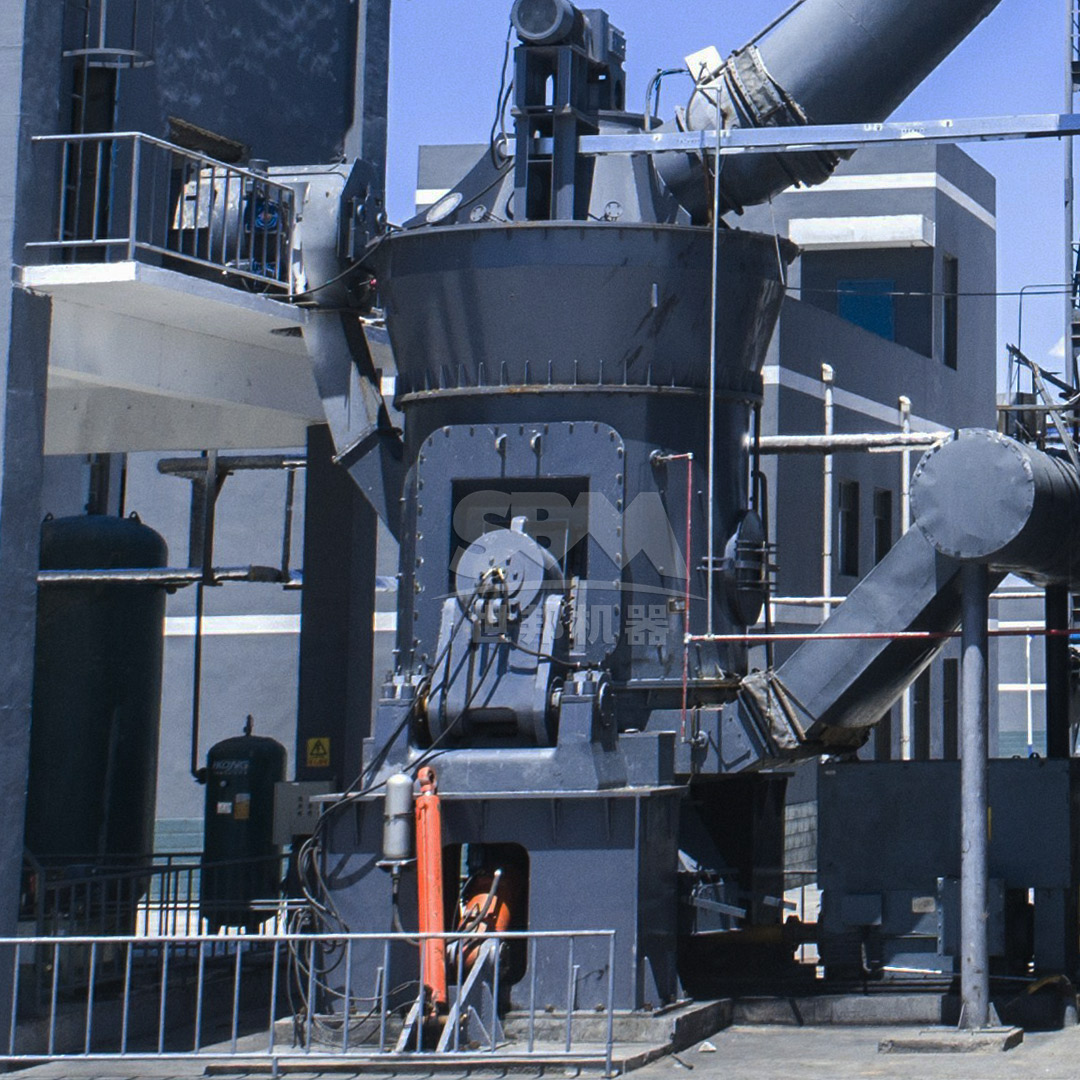
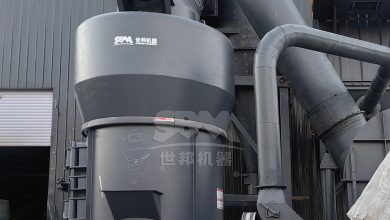
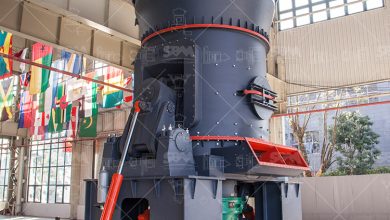
The LM Series Vertical Roller Mill exemplifies the latest advancements in this technology category. With its integrated design that reduces space requirements by 50% compared to traditional systems, this mill offers exceptional operational efficiency. The non-contact design between grinding rollers and the grinding table significantly extends component life, while the intelligent control system enables remote monitoring and adjustment of key operational parameters. Particularly noteworthy is the LM series’ ability to handle feed materials up to 50mm in size while producing finished powders ranging from 30 to 325 mesh, with special configurations achieving fineness up to 600 mesh. The system’s comprehensive environmental controls ensure dust emissions remain below 20mg/m³, addressing the ceramic industry’s increasing focus on sustainable manufacturing practices.
Process Optimization Strategies
Integrated Grinding and Classification
Modern ceramic grinding processes increasingly emphasize the integration of grinding and classification operations. This approach enables continuous optimization of particle size distribution while minimizing energy consumption. Advanced systems utilize multi-stage classification to achieve precise cuts at multiple points in the particle size spectrum, providing manufacturers with unprecedented control over product characteristics.
The implementation of closed-circuit grinding systems with high-efficiency classifiers has demonstrated significant improvements in overall process efficiency. These systems continuously monitor product quality and automatically adjust operational parameters to maintain consistency, reducing the need for manual intervention and minimizing product variation.
Energy Efficiency Considerations
Energy consumption represents a major cost factor in ceramic raw material processing. Modern grinding technologies address this challenge through multiple approaches:
- Optimized Grinding Mechanics: Advanced mill designs reduce specific energy consumption by 30-40% compared to traditional systems
- Intelligent Control Systems: Real-time optimization of operational parameters based on material characteristics and production requirements
- Heat Recovery: Integration of waste heat utilization systems in drying applications
- Advanced Drive Systems: High-efficiency motors and variable frequency drives minimize electrical losses
Comparative studies have demonstrated that modern grinding systems can reduce overall energy consumption by 30-50% while maintaining or improving product quality. This represents a significant opportunity for ceramic manufacturers seeking to enhance both economic and environmental performance.
Equipment Selection Guidelines
Selecting appropriate grinding equipment requires careful consideration of multiple factors specific to ceramic applications:
Material Characteristics
The physical and chemical properties of ceramic raw materials significantly influence equipment selection. Key considerations include:
- Hardness and Abrasiveness: Determines wear rates and component life
- Moisture Content: Affects grinding efficiency and may require integrated drying
- Chemical Composition: Influences material behavior during processing
- Purity Requirements: Dictates necessary levels of contamination control
Production Requirements
Operational parameters must align with production objectives:
- Capacity Requirements: From laboratory-scale to high-volume production
- Product Quality Specifications: Particle size distribution, shape, and purity
- Flexibility Needs: Ability to process multiple material types
- Automation Level: Degree of operational autonomy required
Future Trends in Ceramic Grinding Technology
The evolution of ceramic grinding technology continues to address emerging industry requirements through several key development areas:
Digitalization and Industry 4.0
The integration of digital technologies is transforming ceramic grinding operations. Advanced sensor systems, data analytics, and machine learning algorithms enable predictive maintenance, real-time optimization, and enhanced quality control. These technologies facilitate the development of fully autonomous grinding systems that continuously adapt to changing conditions while maintaining optimal performance.
Sustainable Manufacturing
Environmental considerations increasingly influence equipment design and process development. Future grinding systems will emphasize:
- Further Reductions in Energy Consumption: Through advanced mechanics and control strategies
- Enhanced Dust Control: Achieving near-zero emissions
- Water Conservation: In wet grinding applications
- Circular Economy Principles: Integration of recycled materials
Advanced Materials and Component Design
Ongoing research in materials science continues to yield improvements in wear resistance and component life. Advanced ceramic composites, specialized surface treatments, and innovative design approaches collectively enhance equipment durability and reduce maintenance requirements. These developments are particularly valuable in processing highly abrasive ceramic raw materials, where component wear represents a significant operational challenge.
Conclusion
The grinding of ceramic raw materials has evolved from a basic size reduction process to a sophisticated technology that significantly impacts product quality, manufacturing efficiency, and environmental performance. Modern grinding systems, such as the SCM Ultrafine Mill and LM Series Vertical Roller Mill, incorporate advanced design features that address the specific requirements of ceramic applications. These technologies enable manufacturers to achieve precise particle size control while optimizing energy consumption and operational reliability.
As the ceramic industry continues to advance, grinding technology will play an increasingly important role in enabling new product development and enhancing manufacturing competitiveness. The integration of digital technologies, sustainable design principles, and advanced materials will drive further improvements in process efficiency and product quality. Ceramic manufacturers who embrace these technological advancements will be well-positioned to meet evolving market demands while maintaining leadership in an increasingly competitive global landscape.