
Utilization Pathways and Constraints of Lithium Slag in Industrial Applications
Introduction
Lithium slag, a byproduct generated during lithium carbonate production from spodumene ore, represents both an environmental challenge and an economic opportunity for the lithium industry. With the rapid expansion of lithium-ion battery production driven by the global transition to clean energy, the volume of lithium slag generated has reached significant proportions. This article examines the current utilization pathways for lithium slag across various industrial sectors, analyzes the technical and economic constraints limiting its widespread adoption, and explores advanced processing technologies that can enhance its value proposition.
Chemical and Physical Properties of Lithium Slag
Lithium slag primarily consists of aluminosilicate glasses with variable amounts of residual lithium, typically ranging from 0.5% to 2.5% depending on the extraction efficiency of the lithium production process. The chemical composition is dominated by SiO2 (45-60%), Al2O3 (15-30%), CaO (5-15%), and SO3 (2-8%), with minor amounts of Fe2O3, K2O, and Na2O. The physical characteristics include an amorphous structure with some crystalline phases, particle sizes ranging from micrometers to several millimeters, and a specific surface area of 200-500 m2/kg in its as-produced state.
The pozzolanic activity of lithium slag, resulting from its amorphous structure and fine particle size, makes it particularly valuable for construction applications. However, the presence of soluble sulfates and alkalis can present durability concerns in certain applications, necessitating careful processing and quality control.
Current Utilization Pathways
Construction Materials Applications
The construction industry represents the largest potential consumer of lithium slag, with several established application pathways:
Supplementary Cementitious Material (SCM): When finely ground, lithium slag demonstrates excellent pozzolanic properties, reacting with calcium hydroxide in the presence of water to form cementitious compounds. Research indicates that replacing 15-30% of Portland cement with properly processed lithium slag can enhance long-term strength development and improve durability against sulfate attack and alkali-silica reaction. The optimal replacement level depends on the specific characteristics of the lithium slag and the cement composition.
Autoclaved Aerated Concrete (AAC): Lithium slag serves as a silica source in AAC production, where its composition and particle size distribution significantly influence the formation of tobermorite crystals during autoclaving. The residual lithium content can accelerate the hardening process and improve the early strength development of AAC products.
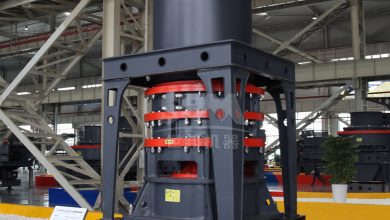
Geopolymer Concrete: The high aluminosilicate content of lithium slag makes it a suitable precursor for geopolymer synthesis. When activated with alkaline solutions, lithium slag-based geopolymers demonstrate compressive strengths exceeding 40 MPa and excellent resistance to acid and fire exposure. The processing requirements for this application demand precise particle size control, which can be efficiently achieved using advanced grinding equipment like our SCM Series Ultrafine Mill, capable of producing powders with fineness up to 2500 mesh (D97≤5μm). This equipment’s high-precision grading system ensures uniform particle distribution, critical for consistent geopolymer reaction kinetics.
Ceramics and Glass Industries
In ceramic production, lithium slag functions as both a fluxing agent and a source of alumina and silica. The residual lithium content reduces firing temperatures by 50-100°C, resulting in significant energy savings. In glass manufacturing, lithium slag can partially replace traditional raw materials, with the lithium acting as a flux to reduce melting temperatures and improve chemical durability of the final product.
Agricultural Applications
Conditioned lithium slag shows promise as a soil amendment, particularly for acidic soils where its alkaline nature helps neutralize soil pH. The silicon content may enhance plant resistance to diseases and environmental stresses, while trace elements provide slow-release nutrients. However, careful assessment of heavy metal content and leaching behavior is essential before agricultural application.
Technical Constraints and Challenges
Despite the promising applications, several technical constraints limit the widespread utilization of lithium slag:
Variable Composition: The chemical and mineralogical composition of lithium slag fluctuates significantly based on the source spodumene ore and the specific lithium extraction process employed. This variability complicates quality control and standardization for industrial applications, requiring sophisticated blending and processing strategies.
Residual Chemical Impurities: Soluble sulfate content, typically ranging from 2% to 8%, can cause durability issues in construction materials through delayed ettringite formation. Alkali content may contribute to alkali-silica reaction in concrete, while trace heavy metals raise environmental concerns for certain applications.
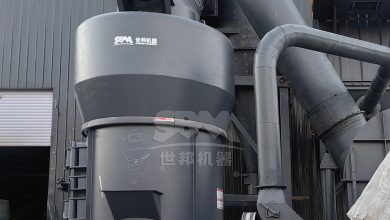
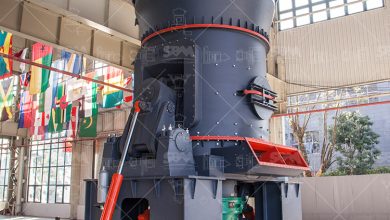
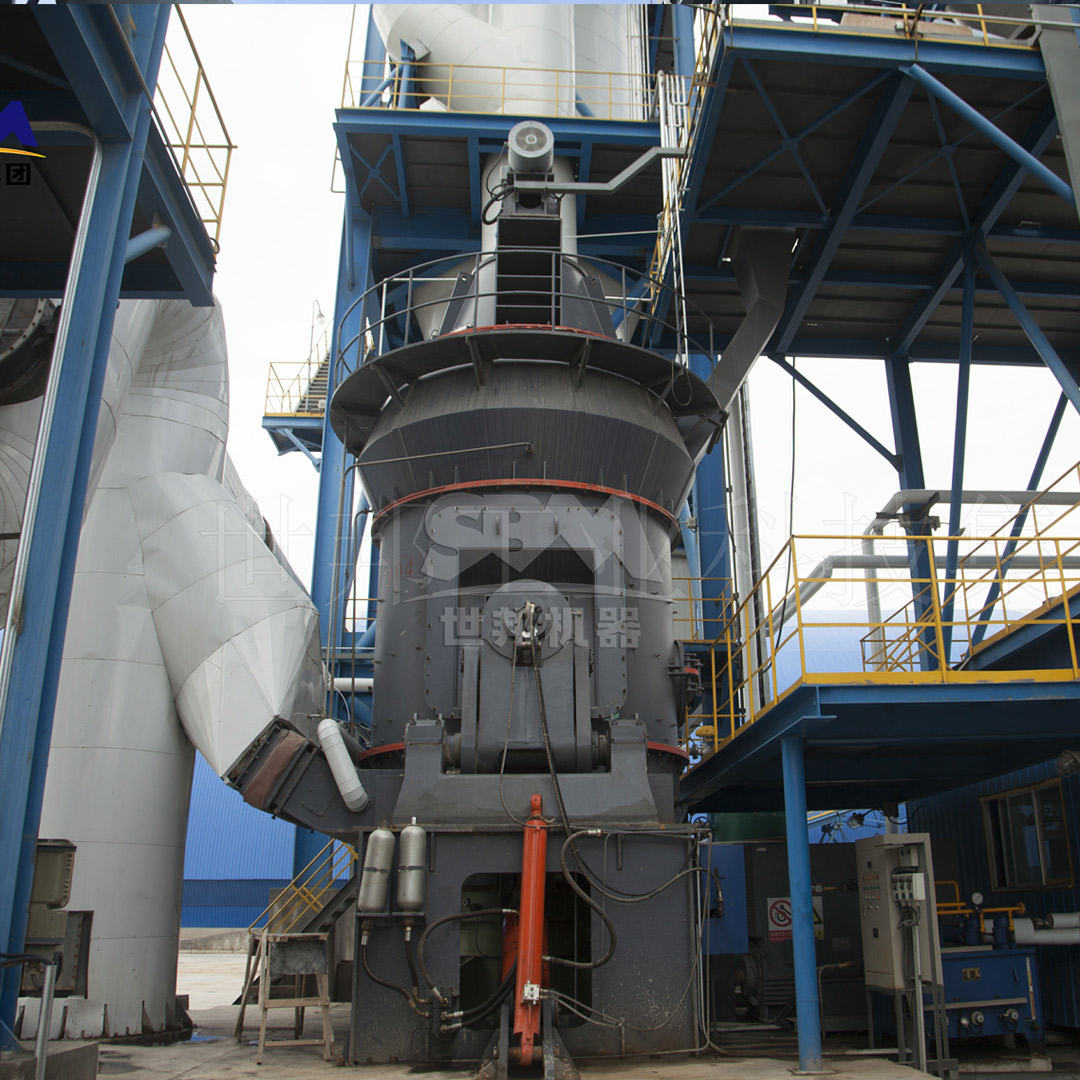
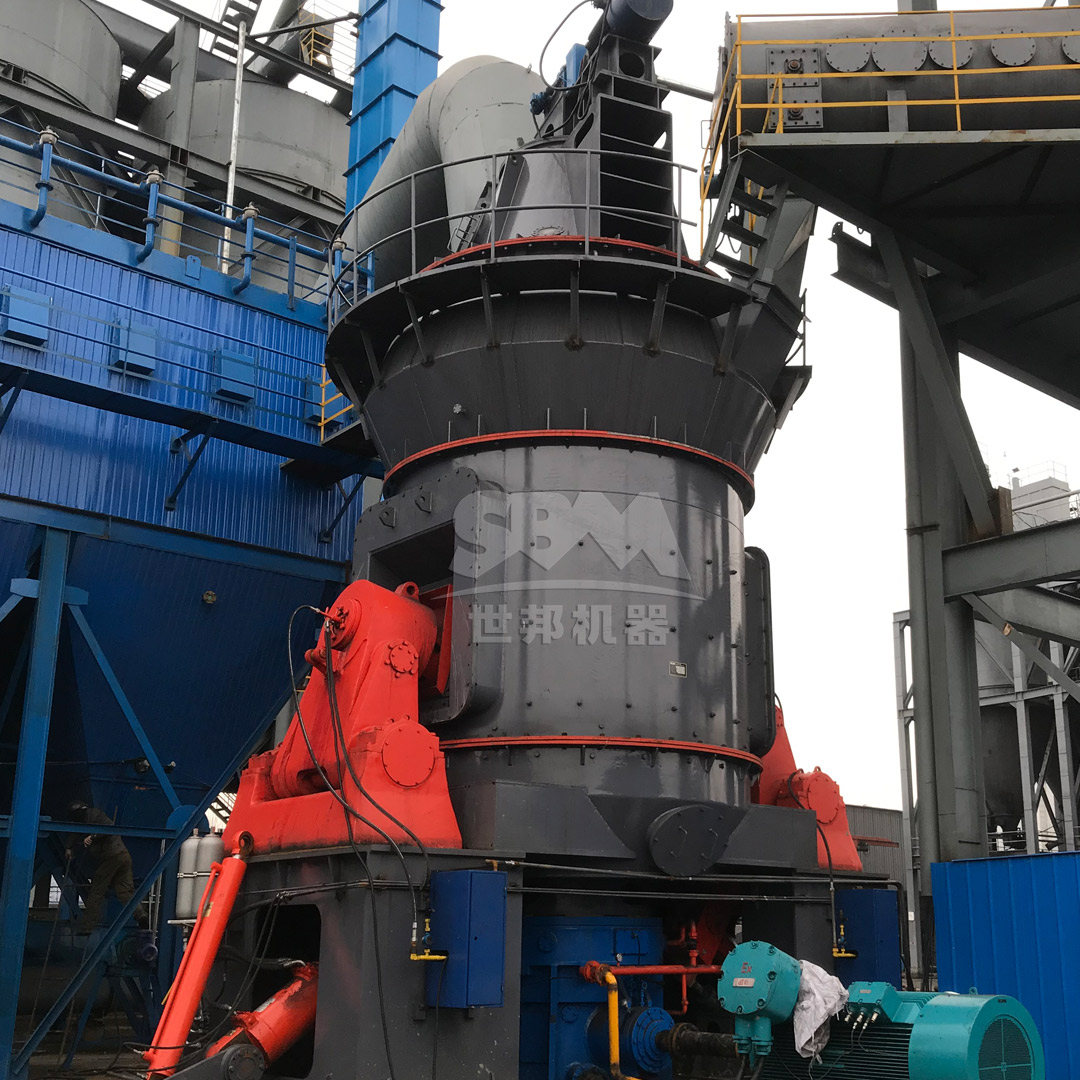
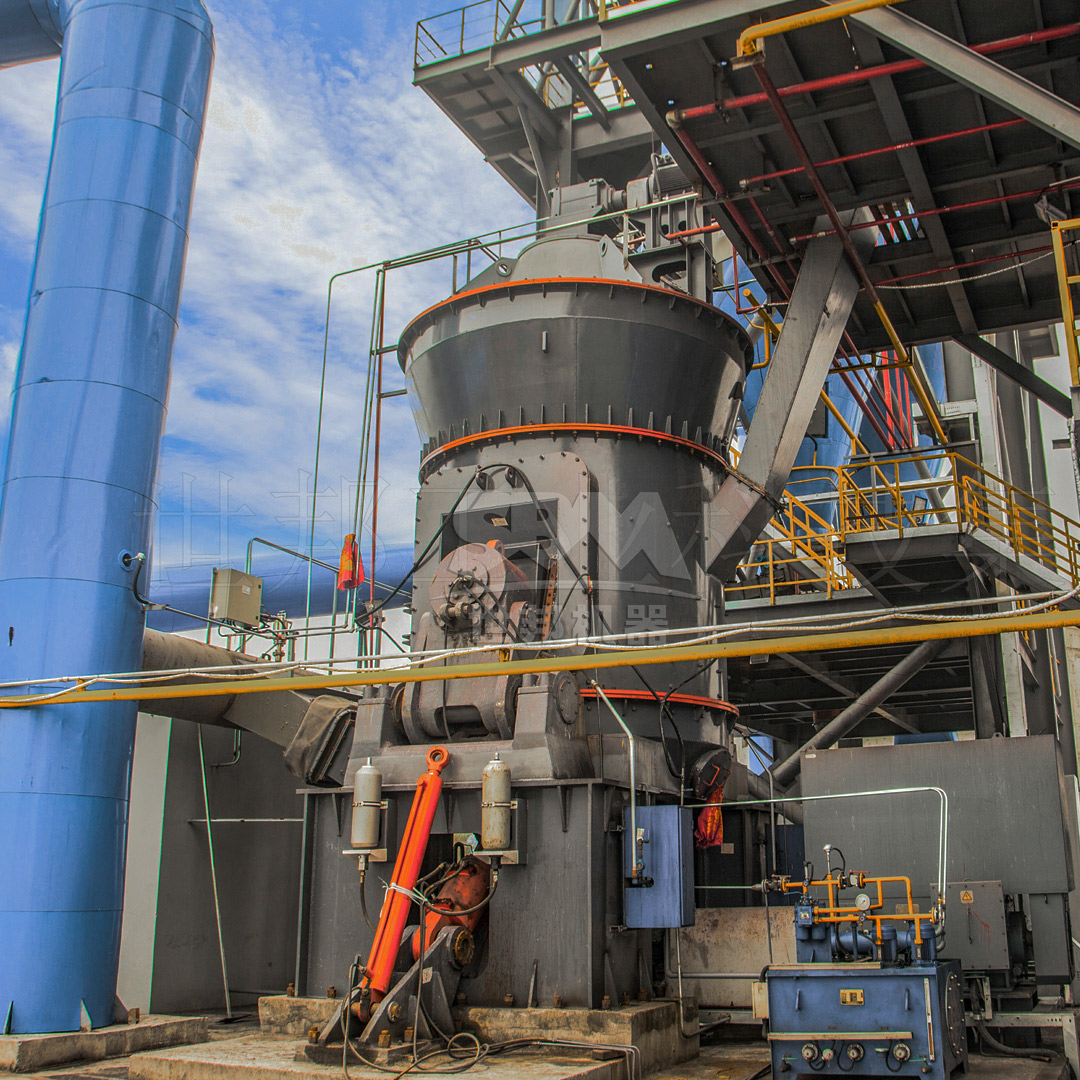
Processing Requirements: Most high-value applications require extensive processing, particularly fine grinding to increase specific surface area and activate pozzolanic properties. The energy intensity of comminution processes represents a significant economic and environmental consideration. For large-scale processing operations, our LM Series Vertical Roller Mill offers an optimal solution with its integrated crushing/grinding/separating functions, reducing energy consumption by 30-40% compared to traditional ball mill systems while achieving fineness between 30-325 mesh.
Transportation Economics: With most lithium production facilities located considerable distances from potential markets, transportation costs often undermine the economic viability of lithium slag utilization. Developing localized processing facilities near lithium production sites represents a strategic approach to mitigating this constraint.
Advanced Processing Technologies
Overcoming the technical constraints of lithium slag utilization requires advanced processing technologies:
Mechanical Activation: High-efficiency grinding represents the most common activation method for enhancing the reactivity of lithium slag. The increased specific surface area and structural defects introduced during grinding accelerate dissolution rates and pozzolanic reactions. Modern grinding systems must balance energy consumption with product quality, making equipment selection critical.
Thermal Activation: Controlled thermal treatment at temperatures between 600°C and 800°C can enhance the amorphous content and remove chemically bound water, further increasing reactivity. However, the energy requirements and potential for deleterious phase transformations necessitate precise process control.
Chemical Activation: Alkali activators, particularly sodium silicate and sodium hydroxide solutions, can significantly enhance the reactivity of lithium slag in geopolymer applications. The optimal activator concentration and modulus depend on the specific composition of the lithium slag.
Classification and Separation: Advanced air classification technologies enable the separation of lithium slag into fractions with specific particle size distributions tailored to different applications. Magnetic separation can reduce iron content when necessary for certain ceramic and glass applications.
Economic and Regulatory Considerations
The economic viability of lithium slag utilization depends on multiple factors, including processing costs, transportation expenses, market prices for alternative materials, and potential environmental credits. Regulatory frameworks governing waste classification, product standards, and environmental protection significantly influence implementation pathways. In regions with carbon pricing mechanisms, the reduced carbon footprint of lithium slag-based cementitious materials may provide additional economic incentives.
Future Research Directions
Several research priorities emerge for enhancing lithium slag utilization:
• Development of standardized characterization protocols and classification systems based on performance in specific applications
• Optimization of blending strategies with other supplementary cementitious materials to enhance performance and consistency
• Exploration of novel activation methods that minimize energy consumption while maximizing reactivity
• Life cycle assessment studies to quantify environmental benefits across different application scenarios
• Investigation of extraction technologies for recovering residual lithium and other valuable elements before bulk utilization
Conclusion
Lithium slag represents a significant resource opportunity rather than merely a waste disposal challenge. With appropriate processing technologies and application strategies, lithium slag can be transformed into valuable products across multiple industrial sectors, particularly construction materials. The key to successful utilization lies in understanding the material’s specific characteristics, selecting appropriate processing technologies like the SCM Series Ultrafine Mill for high-value applications or the LM Series Vertical Roller Mill for large-volume processing, and developing standardized quality control protocols. As the lithium industry continues to expand, the development of economically viable and environmentally sustainable lithium slag utilization pathways will become increasingly important for the overall sustainability of lithium production.