Applications and Industry Specifications of Pyrophyllite Powder
Introduction to Pyrophyllite Powder
Pyrophyllite, a hydrous aluminum silicate mineral (Al2Si4O10(OH)2), has gained significant industrial importance due to its unique combination of physical and chemical properties. This phyllosilicate mineral exhibits exceptional thermal stability, low thermal expansion, high electrical resistance, and chemical inertness, making it suitable for diverse applications across multiple industries. The processing of pyrophyllite into fine powders with specific particle size distributions is crucial for unlocking its full potential in industrial applications.
The value of pyrophyllite powder is directly related to its purity, particle size distribution, and morphological characteristics. Modern industrial applications demand precisely controlled powder specifications, which can only be achieved through advanced milling and classification technologies. This article explores the extensive applications of pyrophyllite powder across various industries and discusses the technical specifications required for each application, with particular emphasis on the grinding equipment necessary to meet these demanding requirements.
Industrial Applications of Pyrophyllite Powder
Ceramics and Refractories Industry
In the ceramics sector, pyrophyllite powder serves as a valuable raw material due to its low thermal expansion coefficient and high refractoriness. When fired, pyrophyllite transforms into mulite and cristobalite, providing excellent dimensional stability to ceramic bodies. The mineral’s inherent low shrinkage characteristics make it particularly valuable in sanitaryware, tiles, and technical ceramics where precise dimensional control is critical.
For refractory applications, pyrophyllite powder is utilized in manufacturing firebricks, castables, and insulating materials. Its ability to withstand temperatures up to 1650°C without significant deformation makes it suitable for lining furnaces, kilns, and other high-temperature processing equipment. The powder’s particle size distribution directly influences the packing density and mechanical strength of refractory products, with optimal performance typically achieved with powders ranging from 45 to 325 mesh.
Paint and Coatings Industry
Pyrophyllite functions as an extender pigment in paint formulations, where it improves suspension properties, enhances durability, and reduces production costs. The platy structure of pyrophyllite particles contributes to improved barrier properties in protective coatings, while its chemical inertness ensures compatibility with various resin systems. In architectural paints, pyrophyllite powder helps control viscosity and prevents sagging on vertical surfaces.
The optimal particle size for paint applications typically falls between 2-10 micrometers, with specific surface areas ranging from 5-15 m2/g. Finer grades (below 5μm) are preferred for high-gloss finishes, while coarser fractions find use in texture paints and primers. The brightness and whiteness of pyrophyllite powder (typically 85-92% ISO brightness) make it suitable for light-colored coatings without the need for extensive bleaching treatments.
Plastics and Polymer Composites
As a functional filler in plastics, pyrophyllite powder improves stiffness, heat deflection temperature, and dimensional stability of polymer composites. The mineral’s low moisture absorption and chemical resistance make it particularly valuable in engineering plastics exposed to harsh environments. In polypropylene and polyethylene systems, pyrophyllite fillers can enhance crystallization rates and nucleate finer spherulitic structures, leading to improved mechanical properties.
The most effective reinforcement in plastics is achieved with surface-modified pyrophyllite powders in the 1-5 micrometer range. Surface treatment with silane or titanate coupling agents improves polymer-filler adhesion and dispersion characteristics. For thin-walled injection molded parts, ultrafine pyrophyllite powders (D97 ≤ 5μm) are essential to prevent surface defects and maintain flow characteristics.
Construction Materials
In construction applications, pyrophyllite powder serves as a pozzolanic material in cementitious systems, contributing to long-term strength development through secondary hydration reactions. The mineral’s platy particle morphology improves the workability of mortars and concrete while reducing water demand. Additionally, pyrophyllite-based building materials exhibit enhanced fire resistance due to the mineral’s stability at elevated temperatures.
For joint compounds and drywall taping compounds, pyrophyllite powder provides excellent crack resistance and low shrinkage. The optimal particle size distribution for these applications typically ranges from 75 to 300 mesh, with careful control of the aspect ratio to balance reinforcement and application properties.
Technical Specifications for Pyrophyllite Powder
Particle Size Requirements by Application
The performance of pyrophyllite powder in various applications is critically dependent on particle size distribution. Different industries require specific fineness levels to achieve optimal results:
- Ceramics: 200-325 mesh (45-74μm) for body formulations; 400-600 mesh (10-38μm) for glazes
- Refractories: 100-200 mesh (75-150μm) for coarse fractions; 325 mesh (45μm) for fine matrix components
- Plastics and Rubber: 625-2500 mesh (5-20μm) with tight particle size distribution
- Paints: 800-1250 mesh (10-20μm) for conventional coatings; 2500 mesh (5μm) for high-performance systems
- Construction: 100-325 mesh (45-150μm) depending on application requirements
Chemical Composition Standards
Commercial pyrophyllite powders must meet specific chemical composition standards to ensure consistent performance:
- Al2O3 content: 25-30% for ceramic grades; 28-33% for refractory grades
- SiO2 content: 65-70% with limited free silica
- Fe2O3 content: <1.0% for white applications; <2.5% for general industrial use
- LOI (Loss on Ignition): 4-6% depending on mineralogical purity
- Alkali content (K2O + Na2O): <1.0% for most applications
Advanced Grinding Solutions for Pyrophyllite Processing
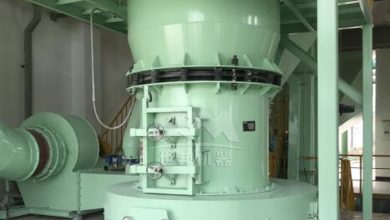
The transformation of raw pyrophyllite ore into high-value powders requires sophisticated grinding technology capable of delivering precise particle size distributions while maintaining economic viability. Different applications demand specific fineness levels, from coarse granules for refractories to ultrafine powders for high-performance plastics and coatings.
SCM Ultrafine Mill for High-Value Applications
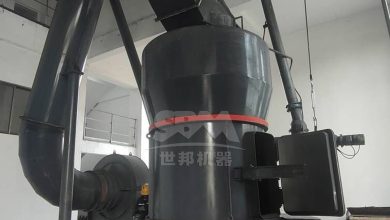
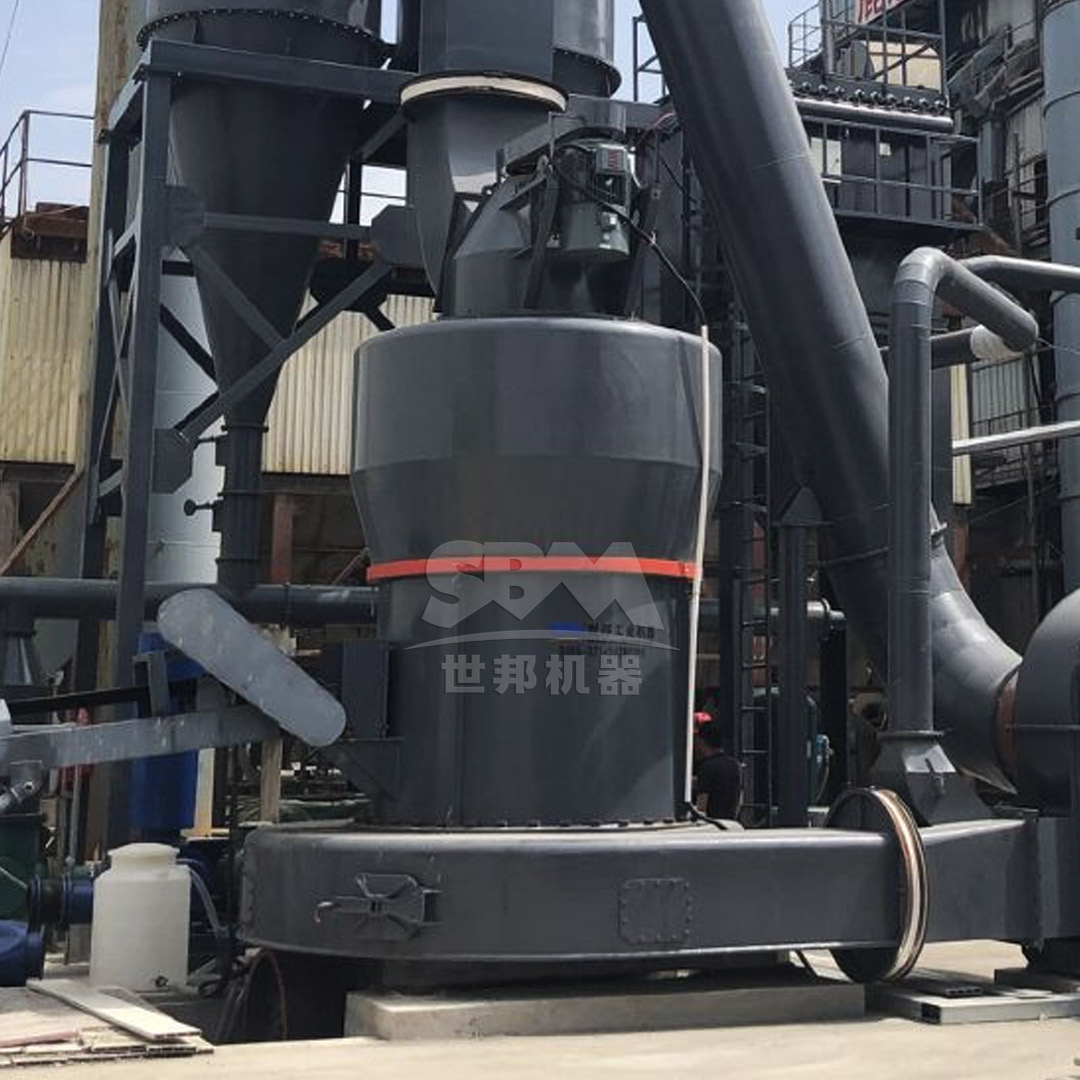
For applications requiring ultrafine pyrophyllite powders (325-2500 mesh, D97≤5μm), the SCM Ultrafine Mill represents the state-of-the-art in grinding technology. This system combines impact milling and classification in a single integrated unit, achieving remarkable efficiency in producing powders with narrow particle size distributions. The mill’s vertical turbine classification system ensures precise cut points, eliminating coarse particle contamination in the final product.
The SCM series offers significant advantages for pyrophyllite processing, including 30% lower energy consumption compared to conventional jet mills and twice the production capacity. The intelligent control system automatically monitors and adjusts operating parameters to maintain consistent product quality, while the special material construction of grinding components extends service life significantly. With models ranging from the SCM800 (0.5-4.5 ton/h) to the SCM1680 (5.0-25 ton/h), processors can select the appropriate capacity for their specific production requirements.
For manufacturers targeting high-value markets such as engineering plastics, specialty coatings, and advanced ceramics, the SCM Ultrafine Mill provides the technological capability to produce pyrophyllite powders with the precise specifications demanded by these sophisticated applications. The system’s environmental performance, with pulse dust collection efficiency exceeding international standards and noise levels below 75dB, ensures compliance with modern industrial regulations.
MTW Series Trapezium Mill for General Industrial Applications
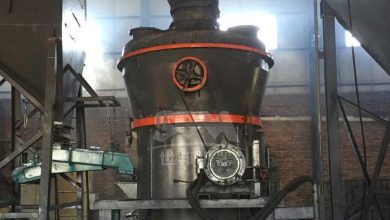
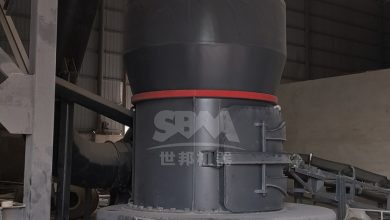
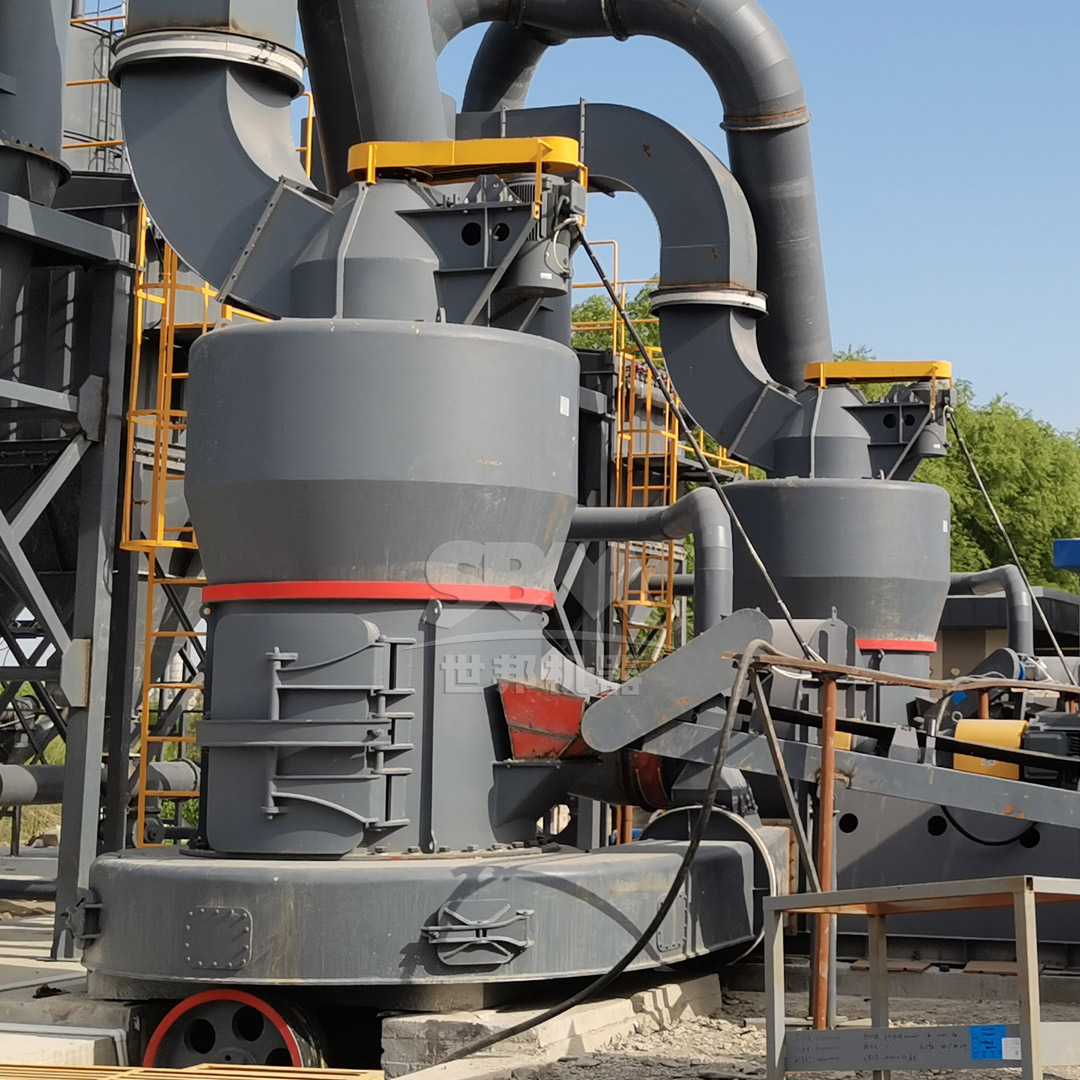
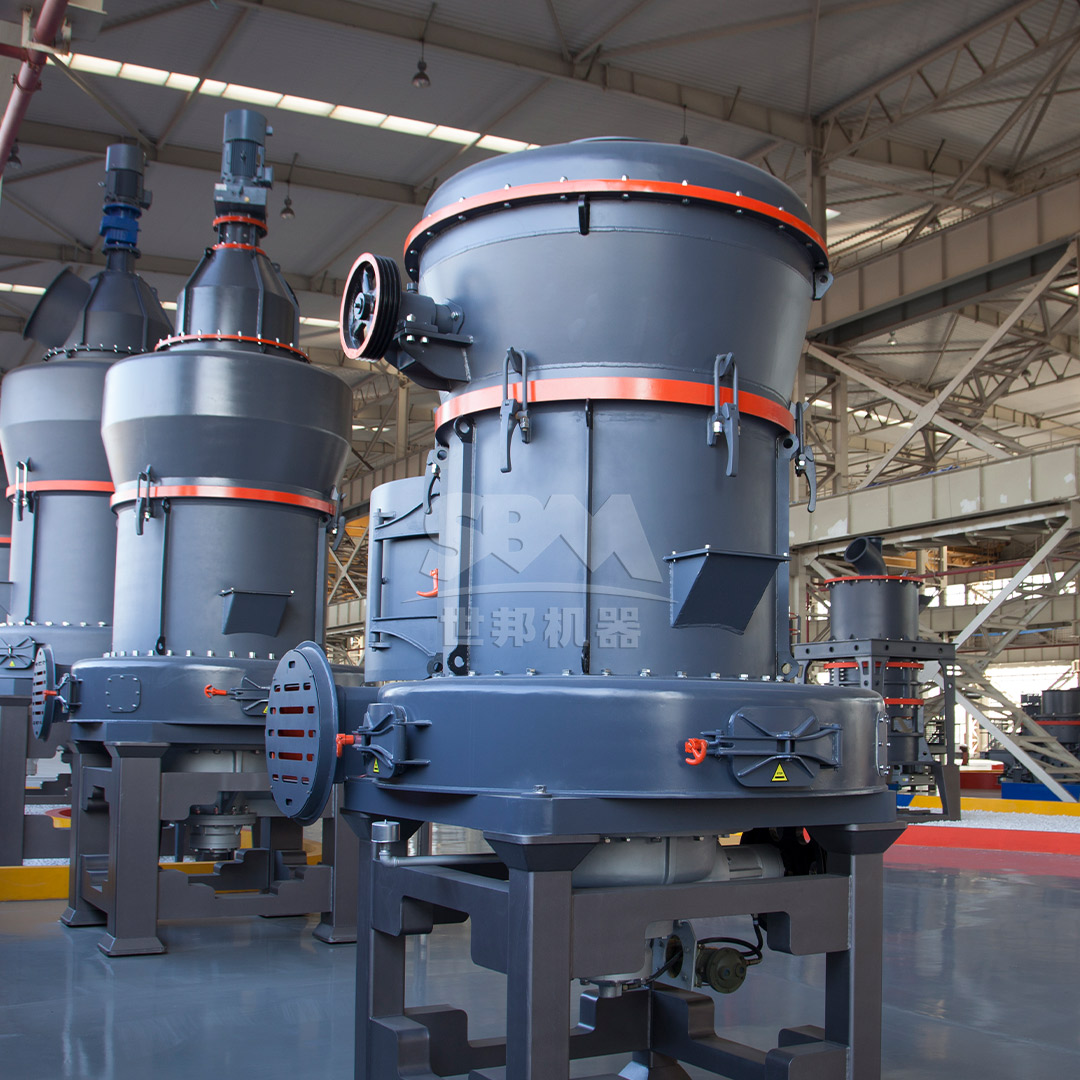
For medium-fine grinding applications (30-325 mesh), the MTW Series Trapezium Mill offers an optimal balance of production efficiency, product quality, and operational economy. This European-style grinding mill incorporates several technological innovations that make it particularly suitable for processing pyrophyllite ores of varying hardness and moisture content.
The MTW series features a unique curved air channel design that minimizes flow resistance and improves transmission efficiency, while the combined shovel blade design reduces maintenance costs and extends component life. The conical gear transmission system achieves 98% transmission efficiency, significantly higher than conventional designs. With capacities ranging from 3 to 45 tons per hour across different models, the MTW series can accommodate both small specialty operations and large-scale industrial production.
Particularly noteworthy is the MTW215G model, which offers processing capacities up to 45 tons per hour with a main motor power of 280kW. This model represents an excellent solution for large-volume production of pyrophyllite powders for construction materials, ceramics, and general industrial applications where tight control over particle size in the 30-325 mesh range is required.
Quality Control and Testing Protocols
Maintaining consistent quality in pyrophyllite powder production requires rigorous testing protocols and quality control measures. Standard testing procedures include particle size analysis using laser diffraction methods, specific surface area determination via BET nitrogen adsorption, morphological characterization through SEM imaging, and chemical composition verification using XRF spectroscopy.
For specific applications, additional performance tests may be required:
- Ceramics: Firing tests to evaluate shrinkage, warpage, and color development
- Plastics: Composite preparation and mechanical property evaluation
- Paints: Formulation testing for viscosity, hiding power, and durability
- Refractories: High-temperature performance testing including creep resistance and thermal shock behavior
Market Trends and Future Outlook
The global market for pyrophyllite powder continues to evolve, driven by technological advancements and changing regulatory landscapes. Key trends include increasing demand for ultrafine powders in high-performance applications, growing emphasis on sustainable and environmentally friendly materials, and the development of surface-modified pyrophyllite products for specialized applications.
Future growth opportunities exist in emerging sectors such as advanced battery technologies, where pyrophyllite’s thermal stability and electrical properties may find new applications. Additionally, the construction industry’s shift toward more sustainable building materials presents opportunities for pyrophyllite-based products that offer improved performance and reduced environmental impact compared to conventional alternatives.
Conclusion
Pyrophyllite powder represents a versatile industrial mineral with applications spanning multiple sectors from traditional ceramics to advanced polymer composites. The value of pyrophyllite products is directly linked to their physical and chemical characteristics, which are controlled through sophisticated processing technologies. Advanced grinding systems such as the SCM Ultrafine Mill and MTW Series Trapezium Mill enable producers to meet the exacting specifications required by various industrial applications while maintaining economic viability through high efficiency and low operating costs.
As industrial requirements continue to evolve toward finer particle sizes, tighter distribution control, and enhanced performance characteristics, the role of advanced milling technology becomes increasingly critical. Manufacturers investing in modern grinding equipment position themselves to capitalize on emerging opportunities in high-value markets while maintaining competitiveness in traditional applications through improved efficiency and product quality.