Industrial Waste Gypsum Processing Plant Workflow and Production Line Steps
Introduction to Industrial Waste Gypsum Processing
Industrial waste gypsum, primarily consisting of phosphogypsum, flue gas desulfurization gypsum (FGD), and citrogypsum, represents a significant environmental challenge and resource opportunity. Modern processing plants transform this industrial byproduct into high-value materials for construction, agriculture, and manufacturing applications. This comprehensive guide explores the complete workflow and production line steps required to efficiently process industrial waste gypsum, with particular emphasis on the critical grinding and classification stages where advanced milling technology delivers optimal results.
Raw Material Handling and Pre-Treatment
The initial stage of waste gypsum processing involves careful handling and preparation of raw materials. Industrial waste gypsum typically arrives at the processing facility with moisture content ranging from 10-25% and may contain various impurities depending on its source. The pre-treatment phase begins with stockpiling and homogenization to ensure consistent feed quality to downstream processes.
Primary crushing reduces larger gypsum chunks to manageable sizes, typically below 50mm, using jaw crushers or impact crushers. This is followed by magnetic separation to remove ferrous contaminants that could affect final product quality and damage processing equipment. For FGD gypsum, additional washing may be necessary to remove chloride and other soluble impurities that could impact the setting properties of the final product.
Drying represents a critical step, as excessive moisture interferes with subsequent grinding operations. Rotary dryers or flash dryers reduce moisture content to optimal levels of 1-3%, preparing the material for efficient size reduction. The drying process must be carefully controlled to prevent premature calcination or degradation of gypsum crystal structure.
Grinding and Classification: The Heart of Gypsum Processing
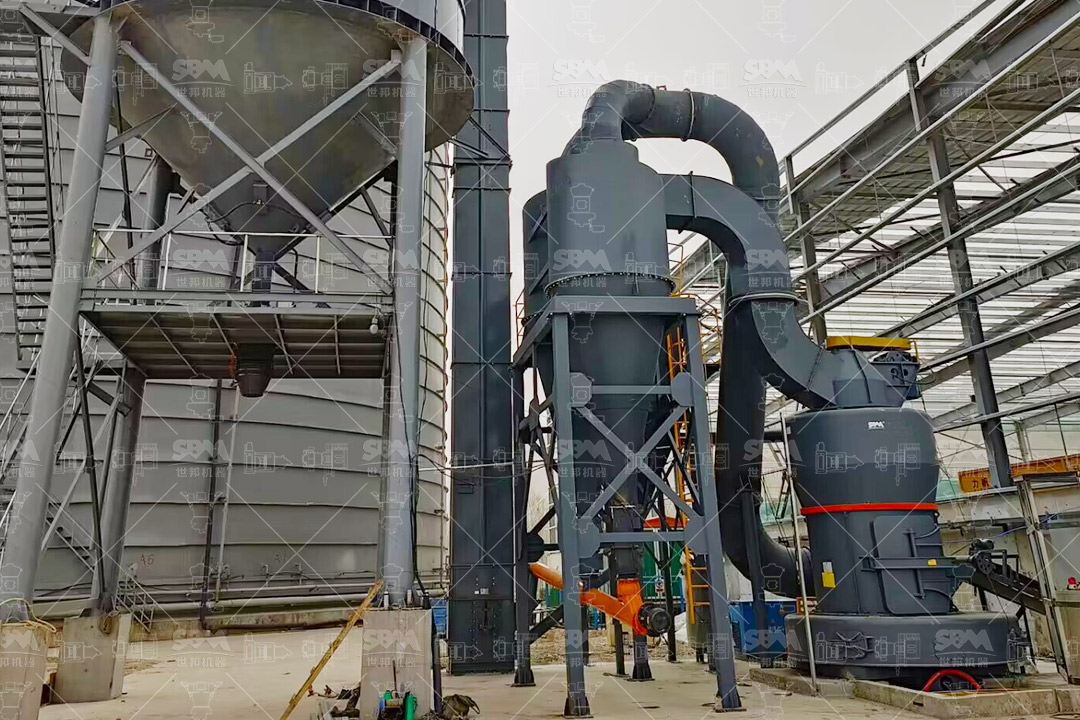
The grinding stage transforms pre-treated gypsum into fine powders with specific particle size distributions tailored to end-use applications. This represents the most energy-intensive and technologically sophisticated phase of the processing workflow. The selection of appropriate grinding equipment directly impacts product quality, production efficiency, and operational costs.
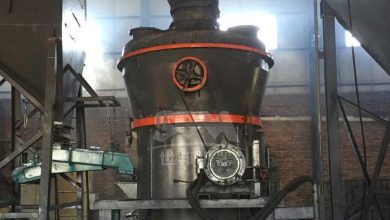
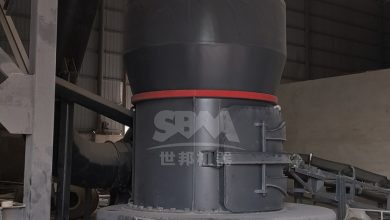
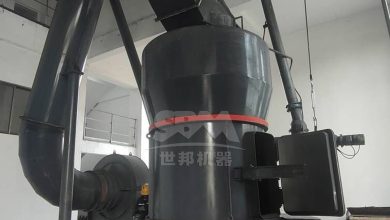
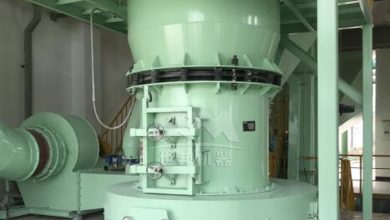
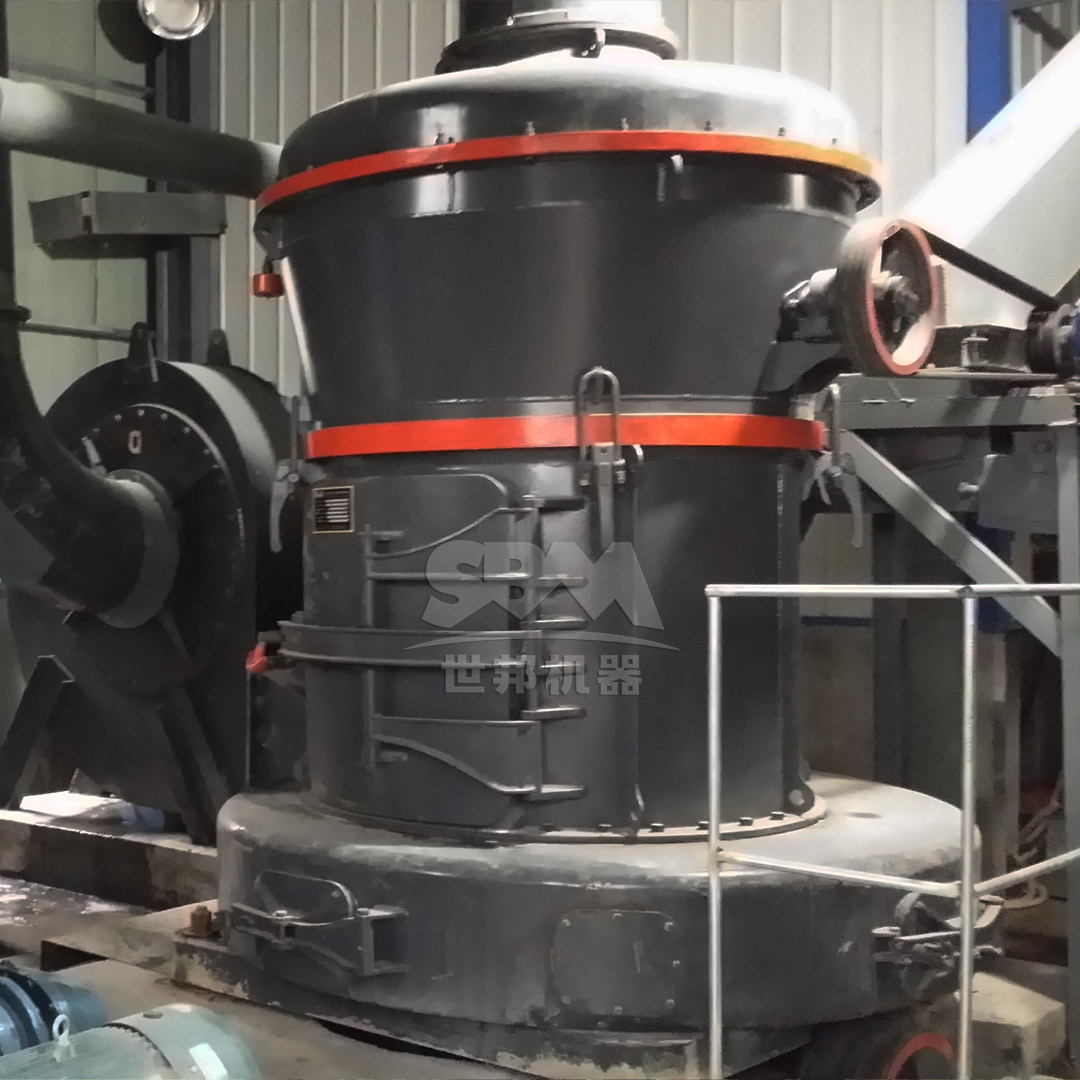
For standard construction-grade gypsum products requiring fineness between 30-325 mesh (600-45μm), the MTW Series Trapezium Mill offers an optimal solution. With input size capability up to 50mm and processing capacity ranging from 3-45 tons per hour depending on model specification, this mill efficiently handles the volume requirements of industrial-scale operations. Its advanced features include wear-resistant shovel design with combined blades that significantly reduce maintenance costs, curved air channel optimization that minimizes energy loss while improving transmission efficiency, and integrated cone gear transmission achieving remarkable 98% efficiency. The MTW Series particularly excels in processing FGD gypsum for wallboard production, where consistent particle size distribution ensures optimal water demand and setting characteristics in the final product.
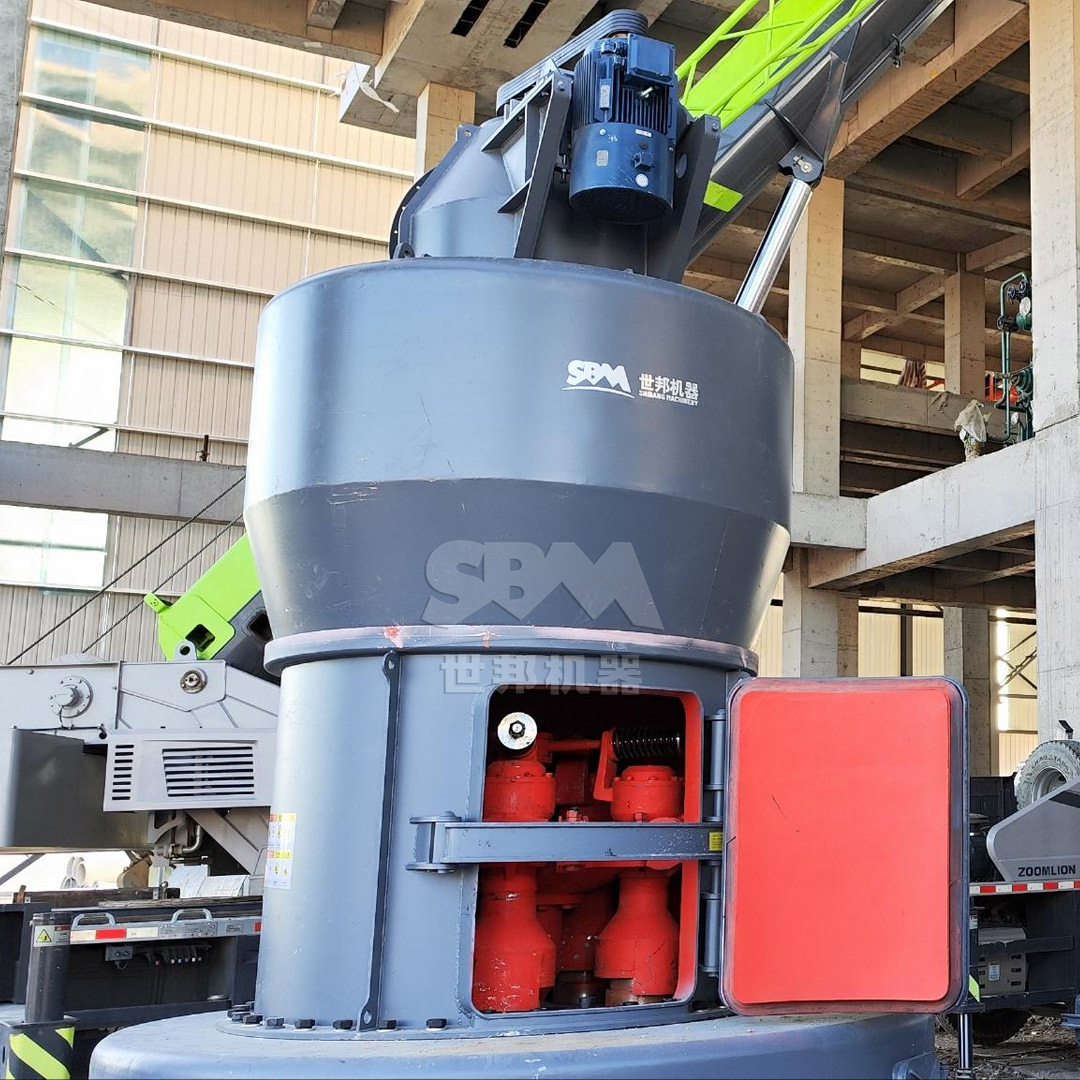
When ultra-fine gypsum powders are required for specialized applications such as polymer fillers, precision molds, or high-performance building materials, the SCM Ultrafine Mill delivers exceptional performance. Capable of producing powders with fineness between 325-2500 mesh (45-5μm), this advanced milling system incorporates vertical turbine classifiers that achieve precise particle size cuts without coarse powder contamination. The SCM series demonstrates remarkable energy efficiency, offering approximately 30% reduction in energy consumption compared to conventional jet mills while delivering twice the production capacity. For operations targeting niche markets with premium-priced ultra-fine gypsum products, models such as the SCM1680 with processing capacity of 5.0-25 tons per hour provide the scale needed for commercial viability.
Calcination Process Technology
Calcination represents the thermal treatment phase where gypsum (CaSO₄·2H₂O) undergoes controlled dehydration to form hemihydrate (CaSO₄·½H₂O) or anhydrite (CaSO₄) depending on temperature and duration. Modern processing plants employ various calcination technologies selected according to production scale and product specifications.
Batch kettle calciners remain popular for smaller operations and specialty products, offering precise control over crystal morphology. For large-scale continuous production, flash calciners provide excellent thermal efficiency and rapid processing, particularly suitable for wallboard-grade stucco. Rotary calciners offer versatility for processing different gypsum types and can handle higher impurity levels than alternative systems.
The calcination process must be carefully controlled with respect to temperature (typically 150-180°C for hemihydrate), residence time, and atmospheric conditions to achieve the desired phase composition and physical properties. Advanced control systems monitor multiple parameters including temperature profiles, material flow rates, and exhaust gas composition to ensure consistent product quality while maximizing energy efficiency.
Product Modification and Blending
Following calcination, gypsum products often require modification to meet specific application requirements. This may include additional grinding to adjust particle size distribution, blending with set modifiers or performance additives, and surface treatment for enhanced compatibility in composite materials.
Set regulators such as accelerators (potassium sulfate) or retarders (citric acid, proteinaceous materials) are precisely metered to achieve targeted setting times for construction applications. For agricultural gypsum, micronutrients and soil conditioners may be incorporated during this stage. High-intensity mixers ensure homogeneous distribution of additives throughout the gypsum matrix, while precision metering systems maintain formulation accuracy.
Quality control during this phase includes continuous monitoring of blend uniformity, moisture content, and additive distribution. Automated sampling systems provide real-time feedback for process adjustment, ensuring final product consistency regardless of production volume.
Dust Collection and Environmental Controls
Comprehensive dust collection represents an essential component of modern gypsum processing facilities, addressing both product recovery and environmental compliance. Pneumatic conveying systems transport powdered materials between process stages, with baghouse filters or cartridge collectors capturing fugitive dust. Advanced pulse-jet cleaning systems maintain filter efficiency while minimizing compressed air consumption.
Environmental controls extend beyond particulate matter to address potential gaseous emissions from drying and calcination operations. Thermal oxidizers or scrubbers may be employed to control odor compounds or acid gases depending on the specific characteristics of the waste gypsum being processed. Water management systems treat process effluents to meet discharge standards, with many facilities implementing closed-loop water circuits to minimize consumption.
Noise control measures, including acoustic enclosures around high-noise equipment such as mills and compressors, ensure compliance with workplace and community noise regulations. Modern grinding equipment like the SCM Ultrafine Mill incorporates design features that limit operational noise to ≤75dB, significantly below industry averages.
Packaging, Storage and Dispatch
The final processing stage prepares finished gypsum products for distribution to end markets. Packaging systems range from manual bagging stations for low-volume specialty products to fully automated palletizing lines for high-volume construction materials. Bulk handling systems utilizing pressure-differential tankers or hopper cars provide economic advantages for large-volume customers located within practical transport distances.
Storage considerations must address the hygroscopic nature of calcined gypsum products, with climate-controlled silos maintaining low humidity levels to prevent premature hydration. First-in-first-out inventory management ensures product freshness, particularly critical for construction applications where consistent setting behavior is required.
Quality assurance protocols include final product testing against relevant standards such as ASTM C22/C22M for gypsum or customer-specific specifications. Certificates of analysis accompany each shipment, providing documentation of key parameters including purity, fineness, setting characteristics, and compressive strength.
Process Optimization and Economic Considerations
Successful gypsum processing operations continuously optimize their workflows to enhance efficiency, reduce costs, and improve product quality. Key performance indicators include specific energy consumption (kWh/ton), product yield, maintenance costs, and environmental compliance metrics.
The selection of appropriate grinding technology significantly impacts operational economics. Equipment such as the MTW Series Trapezium Mill demonstrates reduced maintenance requirements through features like combined wear plates and curved shovel design, lowering operating costs by approximately 30% compared to conventional mills. Similarly, the SCM Ultrafine Mill’s intelligent control system with automatic feedback on product fineness minimizes operator intervention while ensuring consistent product quality.
Modern processing plants increasingly incorporate Industry 4.0 principles with IoT sensors, predictive maintenance algorithms, and centralized control systems that optimize overall equipment effectiveness. Data analytics identify process bottlenecks and quality variations, enabling continuous improvement in both productivity and product consistency.
Conclusion
The transformation of industrial waste gypsum into valuable products requires carefully integrated processing steps from raw material preparation through final product packaging. Each stage presents specific technical challenges that must be addressed through appropriate equipment selection and process control. The grinding phase, in particular, demands technology that balances production capacity, energy efficiency, and product quality – requirements effectively met by advanced milling systems such as the MTW Series Trapezium Mill for standard applications and the SCM Ultrafine Mill for high-value specialized products.
As environmental regulations tighten and circular economy principles gain prominence, efficient processing of industrial waste gypsum represents both an environmental imperative and economic opportunity. Modern processing plants that incorporate advanced technologies throughout their workflow will lead this transformation, converting waste streams into sustainable construction materials, agricultural amendments, and industrial products.