Chalk Grinding Mill Supplier: Industrial Grinding Solutions for Calcium Carbonate
Introduction to Calcium Carbonate Grinding
Calcium carbonate, one of the most versatile and widely used industrial minerals, requires precise grinding solutions to achieve the desired particle size distribution for various applications. From pharmaceuticals and food additives to plastics and construction materials, the quality of ground calcium carbonate directly impacts product performance. As a leading supplier in the mineral processing industry, we understand the critical importance of selecting the right grinding equipment for specific production requirements.
The grinding process for calcium carbonate involves reducing the particle size while maintaining chemical purity and achieving optimal physical properties. Different applications demand different fineness levels – from coarse grades used in construction to ultra-fine powders required in high-value industries. This comprehensive guide explores the technological advancements in chalk grinding mills and presents our specialized solutions for calcium carbonate processing.
Understanding Calcium Carbonate Grinding Requirements
Calcium carbonate exists in two primary forms: ground calcium carbonate (GCC) and precipitated calcium carbonate (PCC). While PCC is chemically produced, GCC is obtained through mechanical grinding of natural limestone, marble, or chalk deposits. The grinding process must preserve the mineral’s inherent properties while achieving the target particle size distribution.
Key considerations in calcium carbonate grinding include:
- Particle Size Distribution: Different applications require specific D50, D90, and D97 values
- Whiteness and Brightness: Maintaining the natural whiteness through contamination-free grinding
- Surface Area: Controlling specific surface area for optimal performance in end products
- Crystal Structure: Preserving the crystal morphology during the grinding process
- Energy Efficiency: Minimizing power consumption while maximizing throughput
Modern grinding systems must address these requirements while ensuring operational reliability, minimal maintenance, and environmental compliance. The selection of appropriate grinding technology depends on the feed size, required product fineness, production capacity, and specific application needs.
Advanced Grinding Technologies for Calcium Carbonate
Ultra-Fine Grinding Solutions
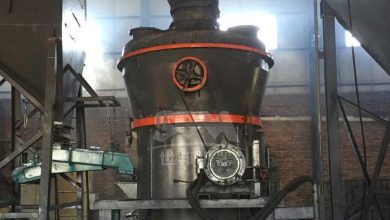
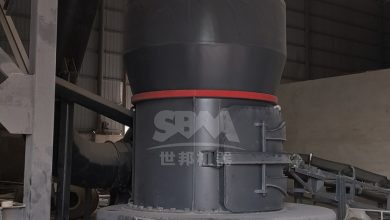
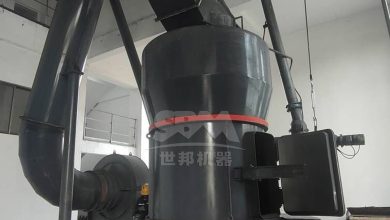
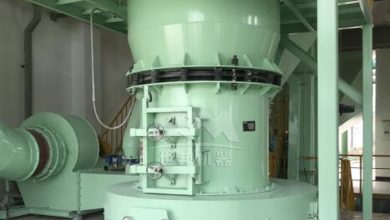
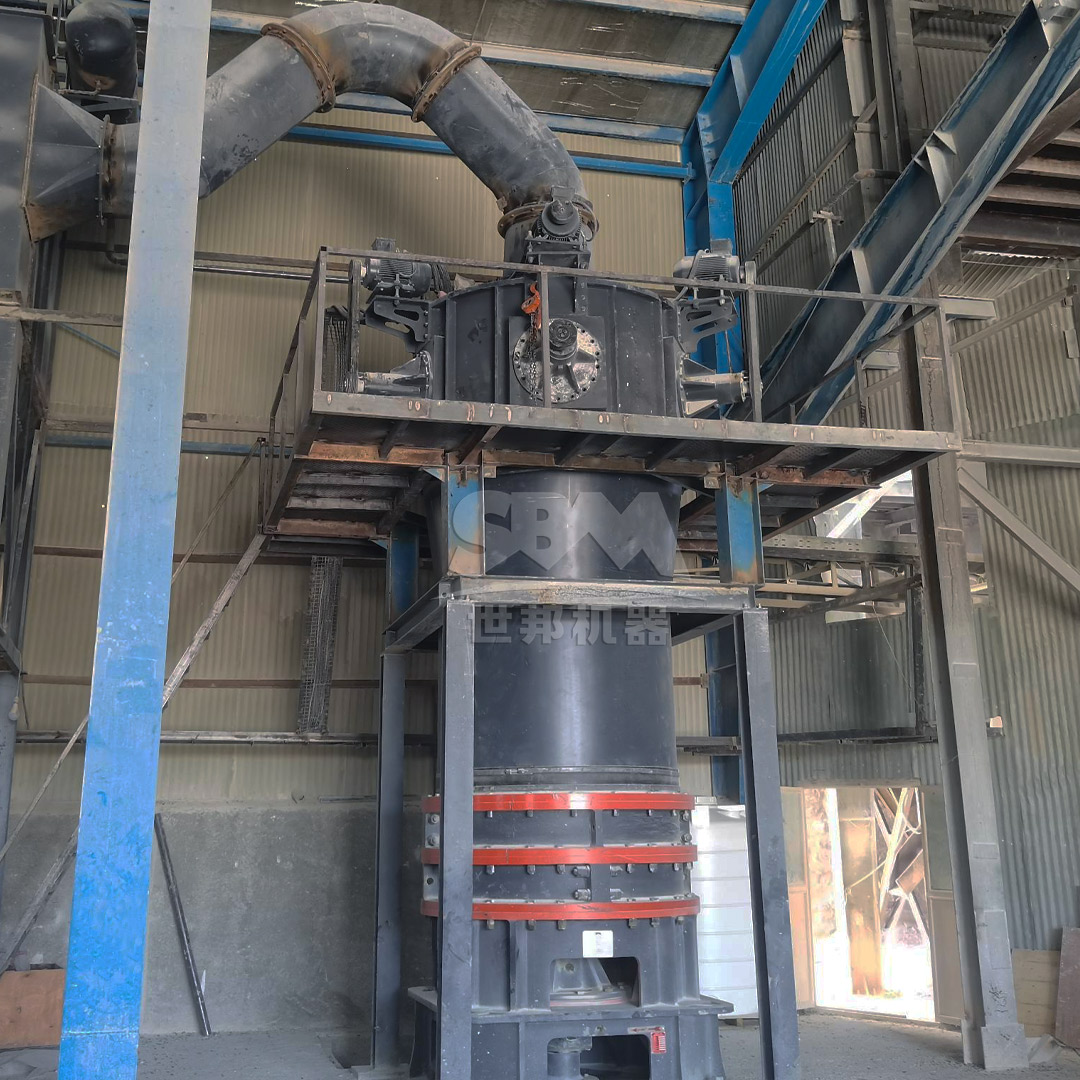
For applications requiring ultra-fine calcium carbonate powders (typically below 10μm), specialized grinding systems are essential. These systems must combine efficient size reduction with precise classification to achieve narrow particle size distributions. Our SCM Ultrafine Mill represents the pinnacle of ultra-fine grinding technology, specifically engineered for producing high-quality calcium carbonate powders with D97 fineness ranging from 325 to 2500 mesh (5-45μm).
The SCM series incorporates several technological innovations that make it ideal for calcium carbonate processing. Its vertical turbine classification system ensures precise particle size control without coarse powder contamination. The unique grinding chamber design, featuring special material rollers and grinding rings, extends component life significantly while maintaining consistent product quality. With capacity ranging from 0.5 to 25 tons per hour across different models, the SCM series offers scalable solutions for various production requirements.
What sets the SCM Ultrafine Mill apart is its remarkable energy efficiency – delivering twice the capacity of jet mills while reducing energy consumption by 30%. The intelligent control system automatically monitors and adjusts operational parameters to maintain consistent product fineness, while the comprehensive dust collection system ensures environmental compliance with pulse dust removal efficiency exceeding international standards.
Medium to Fine Grinding Applications
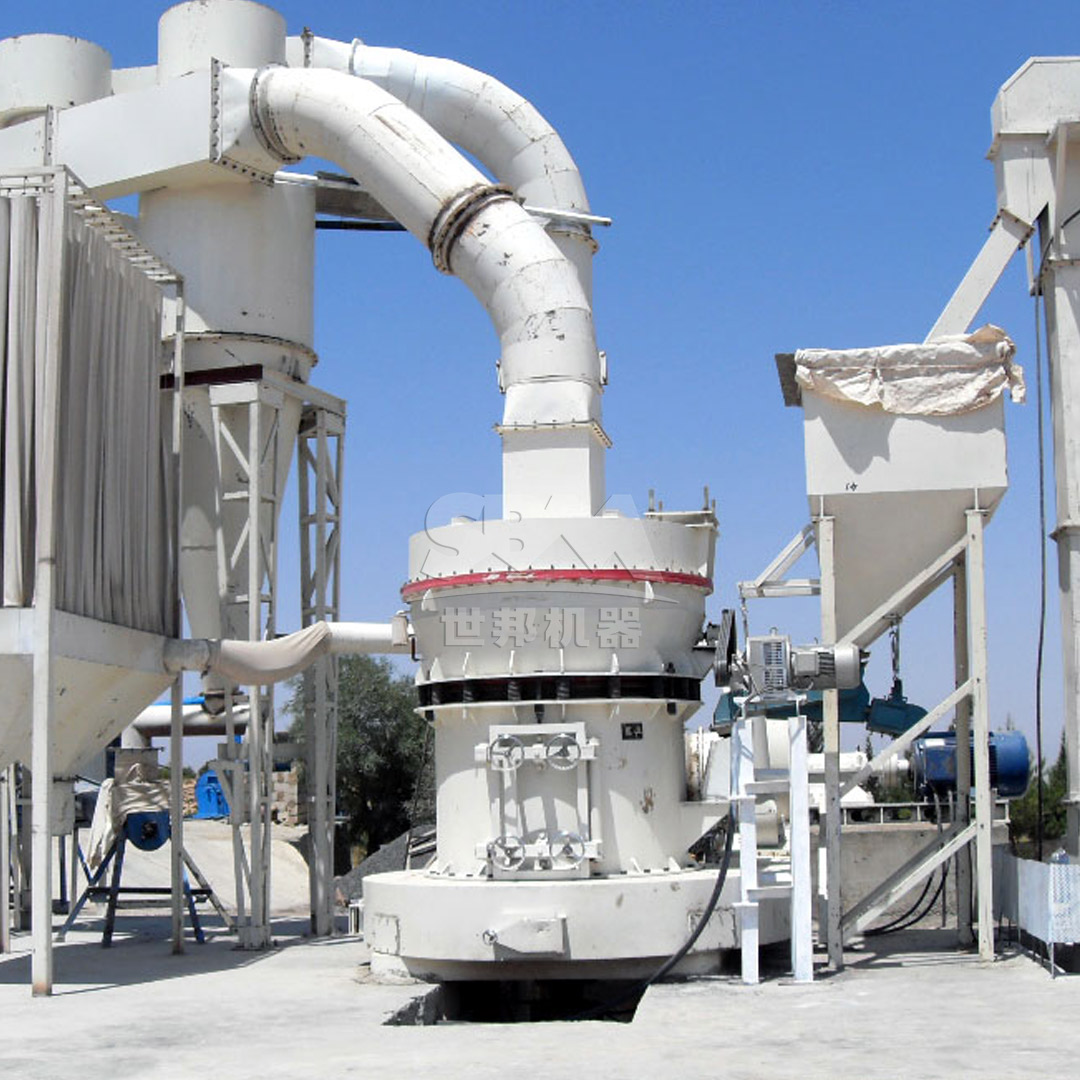
For applications requiring calcium carbonate in the medium to fine range (45-600μm), the MTW Series Trapezium Mill provides an optimal balance of performance, efficiency, and reliability. This European-style grinding mill incorporates advanced design features that make it particularly suitable for high-volume calcium carbonate production.
The MTW series features an innovative wear-resistant shovel design with combined shovel pieces that significantly reduce maintenance costs. Its curved air channel design minimizes air flow resistance, enhancing transmission efficiency while protecting the air channel working surface with high-strength guard plates. The integral transmission of bevel gears achieves an impressive 98% transmission efficiency, saving space and reducing installation costs.
With capacity ranging from 3 to 45 tons per hour and product fineness adjustable between 30-325 mesh, the MTW trapezium mill covers a wide spectrum of calcium carbonate grinding requirements. The wear-resistant volute structure, featuring unobstructed flow design, improves air classification efficiency while reducing maintenance costs by 30%. Multiple models are available to match specific production needs, from the compact MTW110 with 3-9 t/h capacity to the high-capacity MRN218 handling 15-45 t/h.
Specialized Mill Recommendations for Calcium Carbonate
SCM Ultrafine Mill for High-Value Applications
For producers targeting high-value markets such as pharmaceuticals, premium plastics, and specialty chemicals, we strongly recommend our SCM Ultrafine Mill. This mill excels in producing calcium carbonate powders with exceptional uniformity and controlled particle size distribution. The vertical turbine classifier enables precise cuts at various fineness levels, ensuring that the final product meets the strict specifications required in these demanding applications.
The SCM series offers multiple configuration options to match specific production requirements. For smaller operations or pilot plants, the SCM800 model provides 0.5-4.5 t/h capacity with 75kW main motor power. Medium-scale producers can opt for the SCM1000 (1.0-8.5 t/h, 132kW), while large-scale operations will benefit from the SCM1680 model, delivering 5.0-25 t/h capacity with 315kW power. All models maintain the same exceptional fineness range of 325-2500 mesh, ensuring consistent product quality regardless of production scale.
Beyond its technical capabilities, the SCM Ultrafine Mill addresses critical operational concerns. The patented grinding chamber design eliminates bearing screws, enhancing operational stability and reducing maintenance requirements. The comprehensive noise reduction system, including soundproof chamber design, maintains noise levels below 75dB, creating a better working environment while meeting stringent regulatory requirements.
MTW Series Trapezium Mill for General Purpose Applications
For general-purpose calcium carbonate grinding covering construction materials, paper filling, and paint extenders, the MTW Series Trapezium Mill delivers outstanding performance and reliability. This robust grinding system handles feed sizes up to 50mm and produces powders in the 30-325 mesh range, making it suitable for various industrial applications.
The MTW series incorporates several proprietary technologies that enhance its performance in calcium carbonate grinding. The internal oil lubrication system ensures consistent operation with minimal maintenance, while the international advanced pulse dust removal technology maintains clean operation with emissions well below regulatory limits. The scientific configuration, featuring new-type powder classifiers and isolated cyclone powder collectors, reduces energy consumption while maintaining high collection efficiency.
Available in multiple configurations, the MTW series can be tailored to specific operational requirements. The standard MTW models offer excellent performance for most applications, while the Z and G variants provide enhanced capabilities for specialized requirements. With main motor power ranging from 55kW to 280kW across different models, producers can select the optimal configuration based on their capacity requirements and available power infrastructure.
Technical Comparison and Selection Guidelines
Selecting the appropriate grinding system for calcium carbonate requires careful consideration of multiple factors. The following comparison highlights the key differences between our recommended mills:
| Parameter | SCM Ultrafine Mill | MTW Trapezium Mill |
|---|---|---|
| Product Fineness | 325-2500 mesh (5-45μm) | 30-325 mesh (45-600μm) |
| Capacity Range | 0.5-25 t/h | 3-45 t/h |
| Feed Size | ≤20mm | ≤50mm |
| Energy Consumption | 30% lower than jet mills | Optimized transmission (98% efficiency) |
| Ideal Applications | Pharmaceuticals, premium plastics, specialty chemicals | Construction, paper filling, paint extenders |
For operations requiring ultra-fine products with tight particle size distribution, the SCM Ultrafine Mill is the clear choice. Its advanced classification system and precise control mechanisms ensure consistent quality for high-value applications. For general-purpose grinding with higher throughput requirements, the MTW Trapezium Mill offers robust performance and operational efficiency.
Operational Considerations and Best Practices
Successful calcium carbonate grinding operations depend not only on equipment selection but also on proper operation and maintenance. Our recommended mills incorporate features that simplify operation and enhance reliability, but following established best practices ensures optimal performance and longevity.
Key operational considerations include:
- Feed Material Preparation: Consistent feed size and moisture content significantly impact grinding efficiency
- System Integration: Proper integration with feeding, classification, and collection systems
- Preventive Maintenance: Regular inspection and replacement of wear parts according to manufacturer guidelines
- Process Control: Monitoring key parameters including temperature, pressure, and power consumption
- Quality Assurance: Regular particle size analysis to maintain product specifications
Both the SCM Ultrafine Mill and MTW Trapezium Mill feature advanced control systems that automate many operational aspects, reducing operator intervention and maintaining consistent product quality. The SCM series particularly excels with its intelligent control system that automatically adjusts operational parameters based on real-time feedback of product fineness.
Environmental and Economic Benefits
Modern grinding technology must address not only performance requirements but also environmental concerns and operational economics. Our recommended mills incorporate multiple features that enhance sustainability while reducing operating costs.
The SCM Ultrafine Mill achieves significant energy savings compared to conventional jet mills, reducing power consumption by 30% while delivering twice the capacity. Its comprehensive dust collection system, with pulse dust removal efficiency exceeding international standards, ensures minimal environmental impact. The noise reduction design maintains operational noise below 75dB, protecting both workers and the surrounding environment.
The MTW Trapezium Mill similarly addresses environmental concerns through its efficient design and integrated dust collection system. The curved air channel design minimizes energy losses, while the wear-resistant components extend service life, reducing material consumption and waste. The high transmission efficiency (98%) of the bevel gear system further enhances energy efficiency, contributing to lower operating costs.
From an economic perspective, both mills offer compelling value propositions through reduced energy consumption, extended component life, and minimal maintenance requirements. The combination of technical performance, operational efficiency, and environmental compliance makes these mills ideal choices for modern calcium carbonate production facilities.
Conclusion
The selection of appropriate grinding technology is critical for successful calcium carbonate processing. Whether targeting ultra-fine powders for high-value applications or general-purpose products for industrial use, matching the grinding system to specific requirements ensures optimal performance and economic viability.
Our SCM Ultrafine Mill and MTW Series Trapezium Mill represent the forefront of grinding technology, each excelling in their respective application domains. The SCM series delivers exceptional performance for ultra-fine grinding with precise particle size control, while the MTW series offers robust, high-capacity grinding for general-purpose applications.
With comprehensive technical support, proven reliability, and continuous innovation, we remain committed to providing cutting-edge grinding solutions for the calcium carbonate industry. By understanding your specific requirements and operational constraints, we can recommend the optimal grinding system to enhance your production capabilities and business performance.